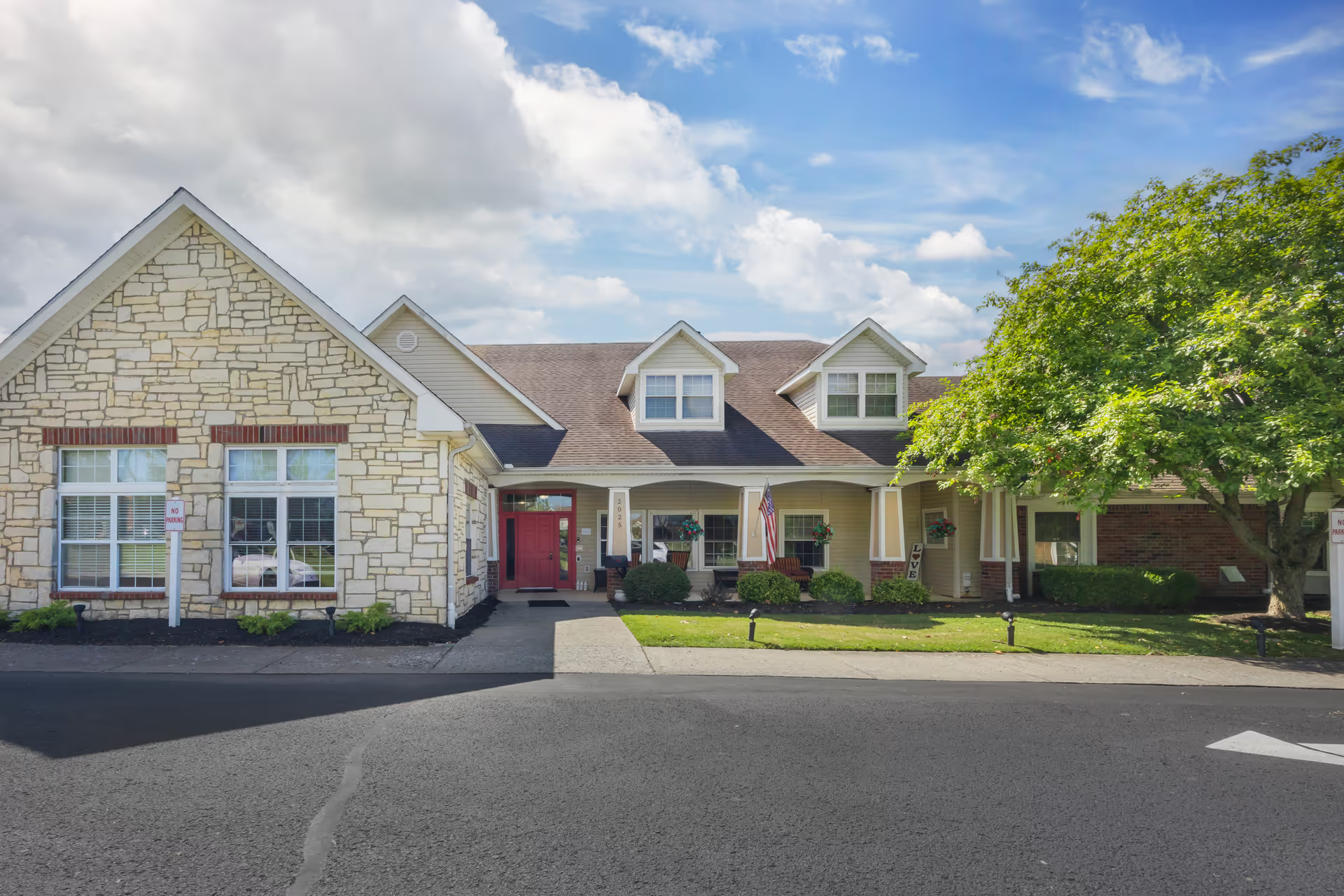
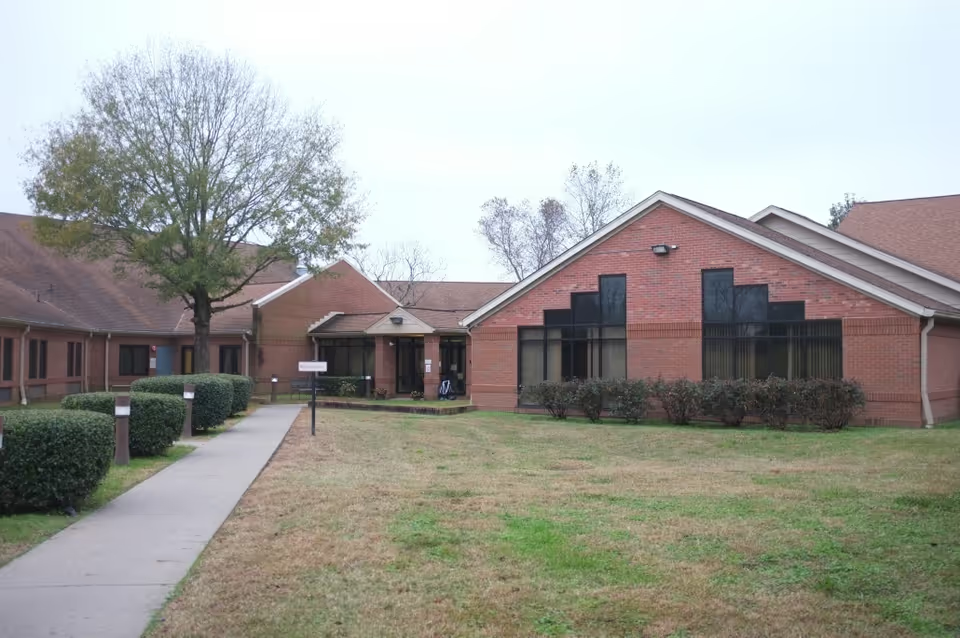
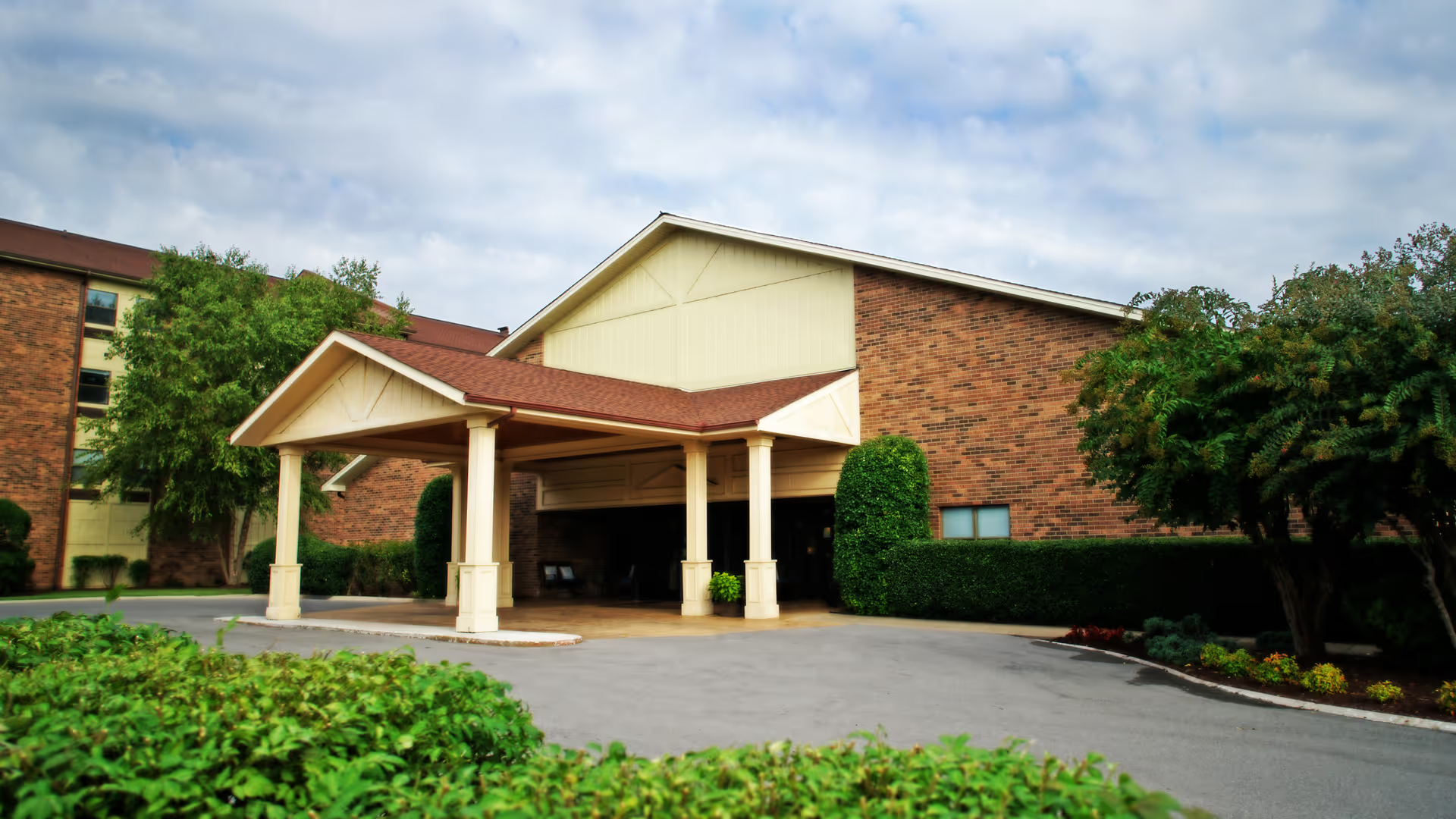
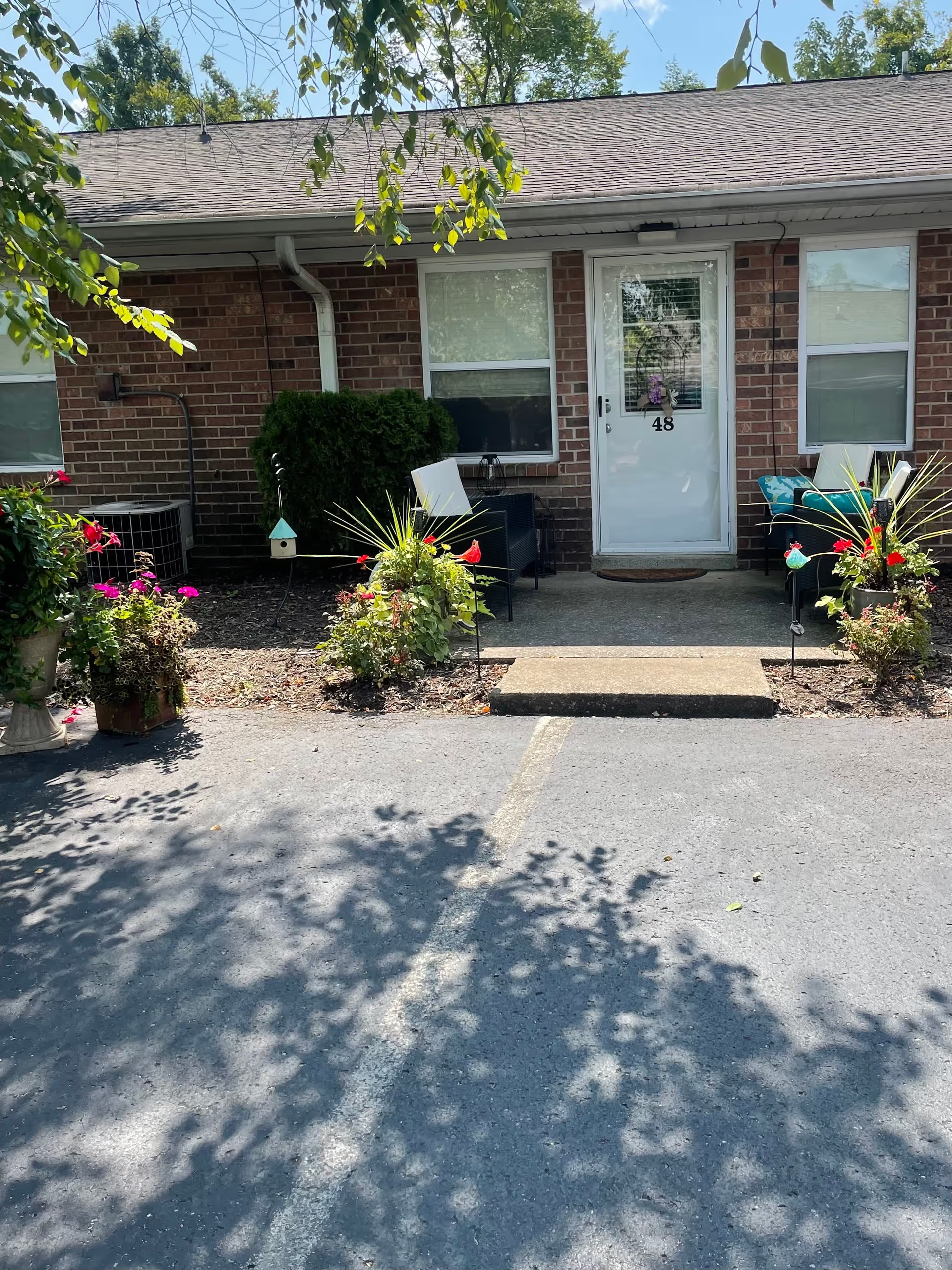
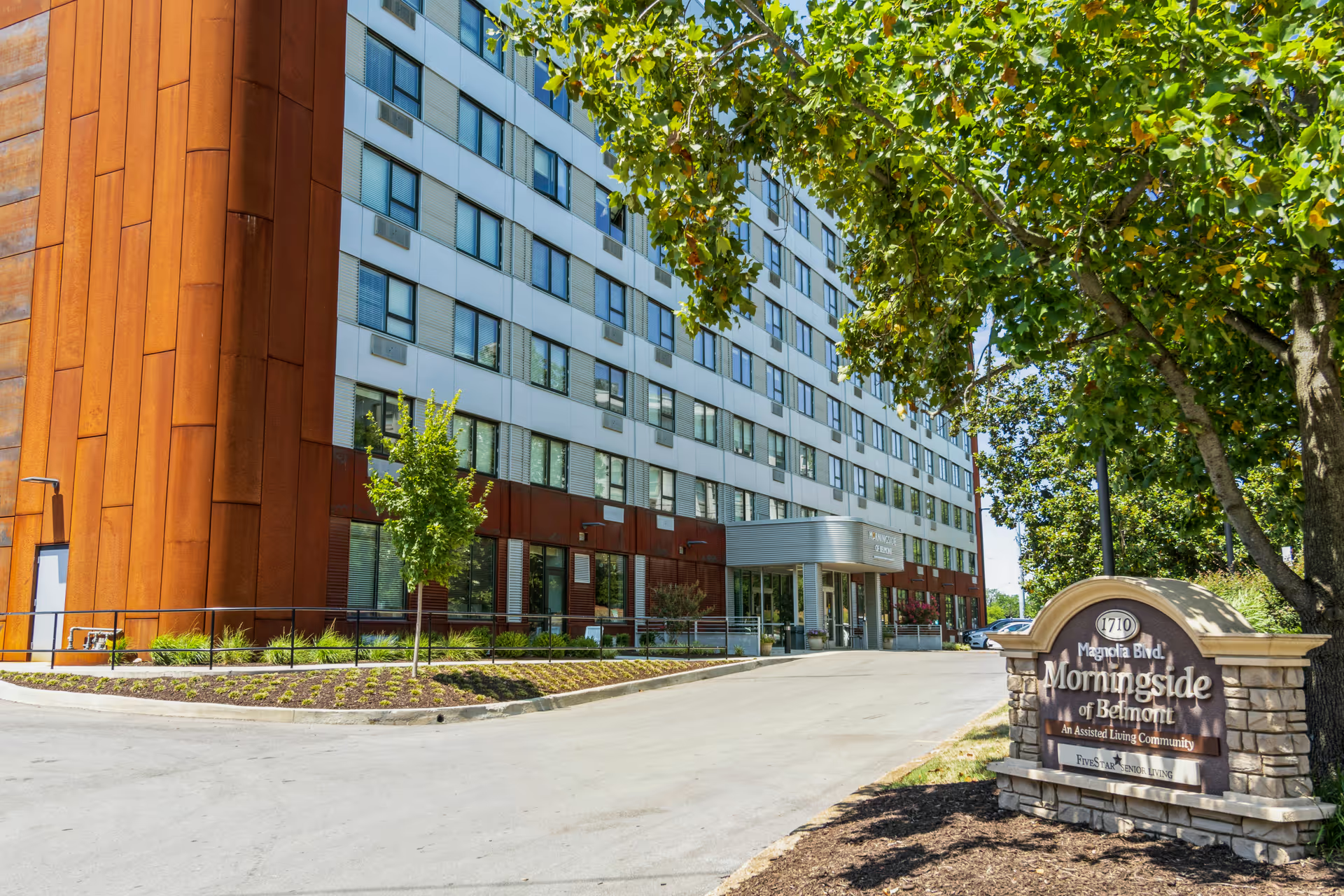
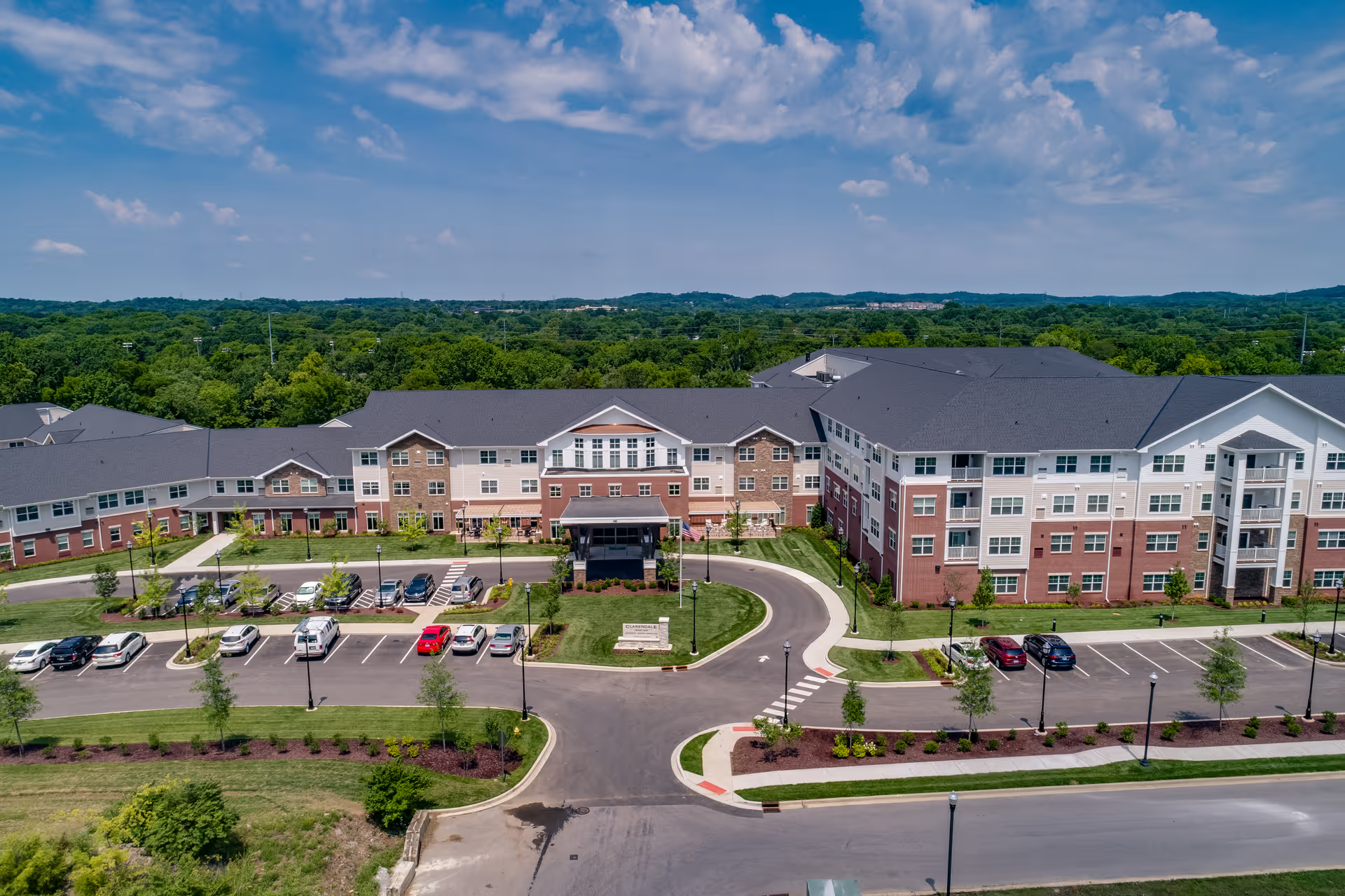
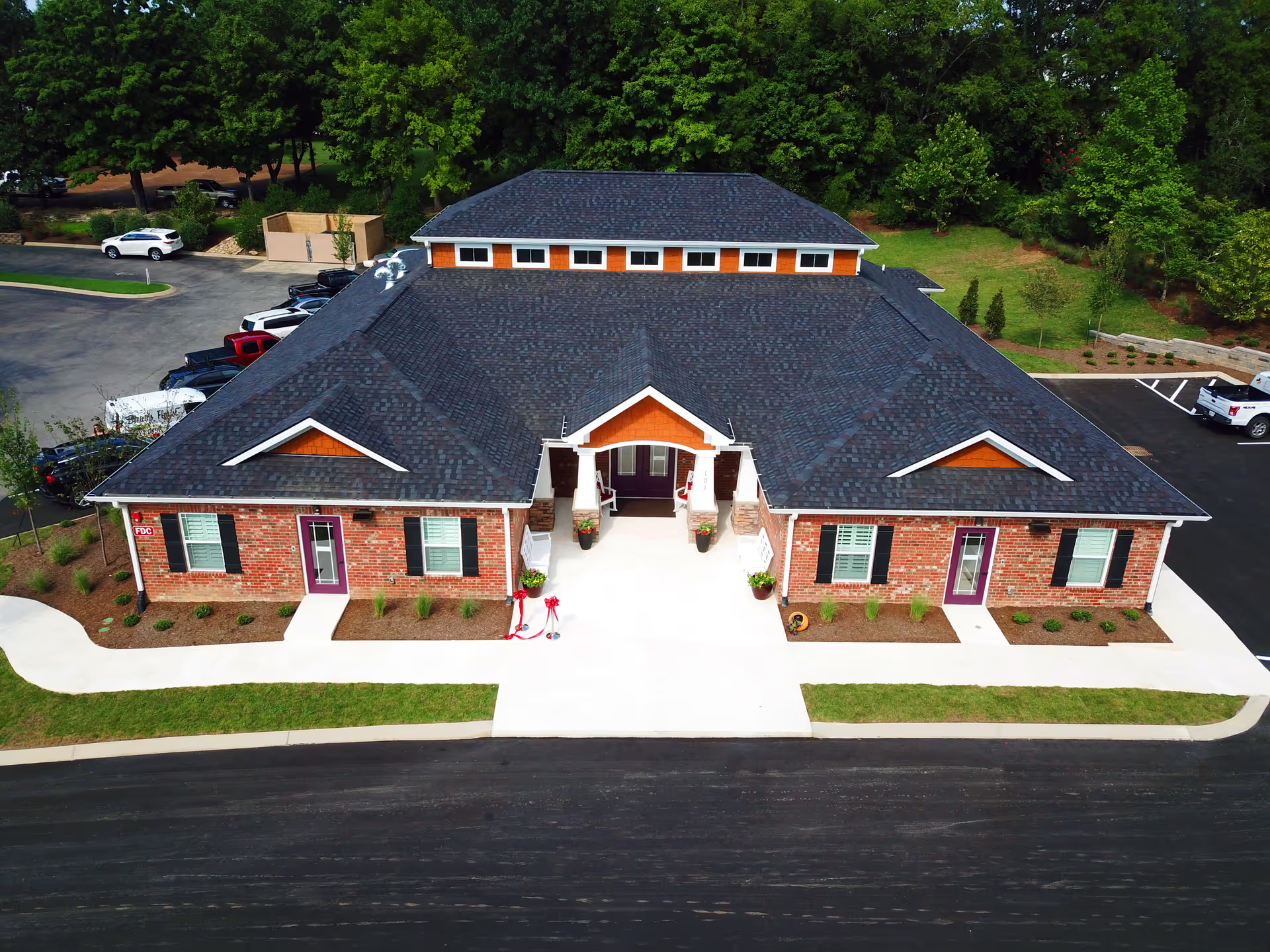
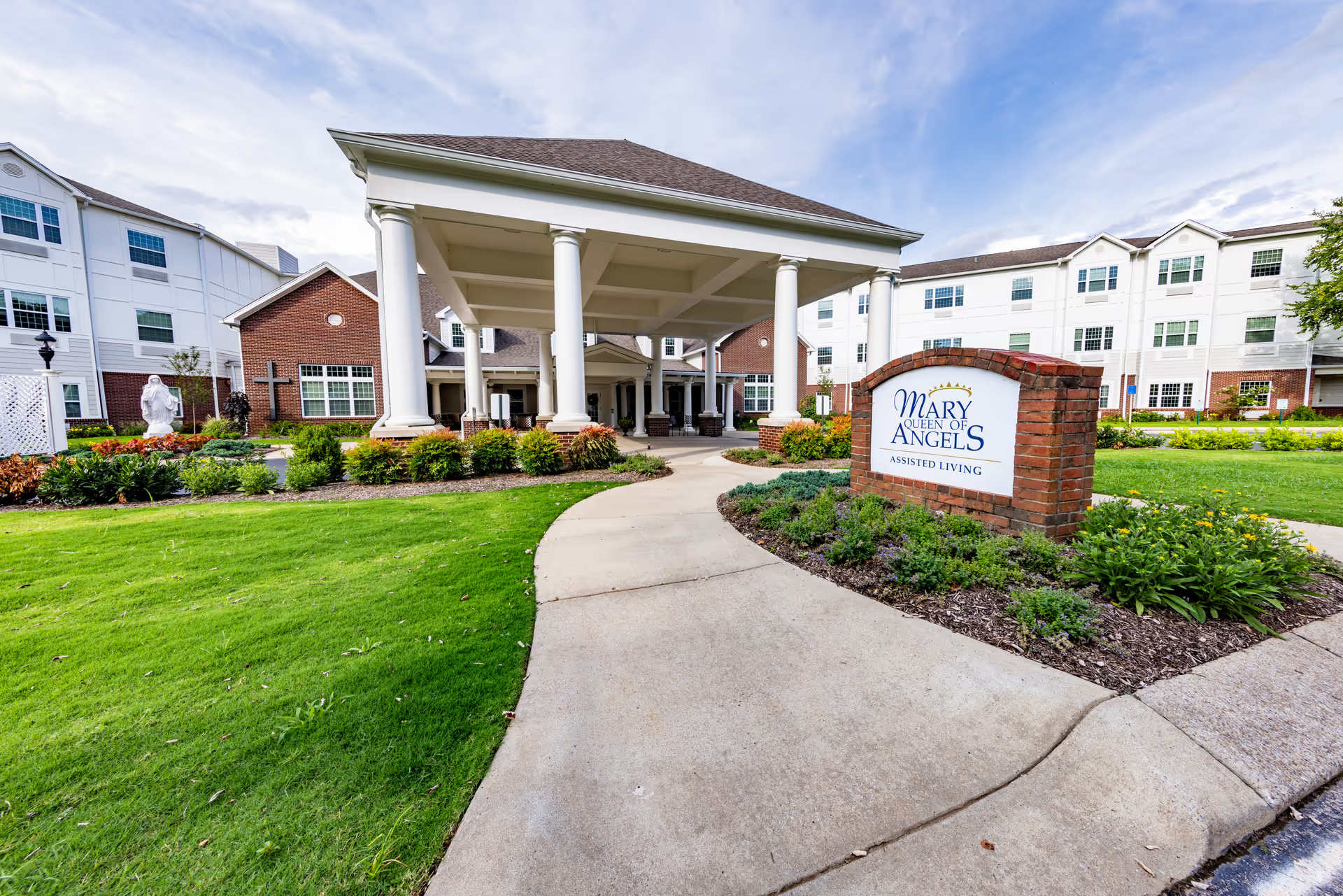
Grace Manor presents as a relatively new, well-maintained assisted living community with many facility-level amenities and an engaged caregiving team. Reviewers consistently describe a clean, attractive building with a courtyard and gazebo, outdoor seating, common-area piano, and on-site salon and spa/rehab rooms. Apartments are offered as studios and one-bedrooms with accessible showers, safety bars, and standard flooring options. The single-floor, small-community layout and presence of a 24-hour nursing station contribute to a sense of ongoing clinical support.
Staff and care quality are commonly cited strengths. Numerous comments reference compassionate, personable staff and strong staff–resident relationships; families report attentive caregiving, helpful admissions/tour staff, and an activity director who organizes a broad range of engagement opportunities. The community offers transportation and day-program supports that help residents remain active, and some families described high-quality, family-like end-of-life support. These operational strengths appear to be consistent contributors to resident adjustment and satisfaction.
Dining and programming show mixed signals. The activity program is frequently praised for variety (recreational games, outings, religious activities tied to a nearby church, and other social events), but meal quality elicited divergent impressions: several accounts praise variety and good food, while others note bland or inconsistent flavor and a lack of in-room meal service. Prospective residents should sample current menus and clarify whether meals can be delivered to apartments and how dietary needs are managed.
Operational and management patterns warrant careful inquiry. While many reviewers found admissions staff helpful and noted competitive, short-term move-in pricing, there are recurring concerns about communication and care transitions. Specific operational weaknesses include inconsistent follow-up after hospitalizations, gaps in discharge/relocation practices, separate billing for additional care services that can create cost uncertainty, and occasional lapses in management communication. A notable program limitation is the absence of an on-site memory-care unit, and reviewers indicated that residents with progressing cognitive impairment may not be accepted or sustained there. Security provisions for residents prone to wandering were also described as limited.
In summary, Grace Manor's strengths center on cleanliness, an engaged caregiving team, varied activities, and convenient clinical and amenity offerings in an intimate setting. However, prospective residents and families should proactively verify the facility's policies and capabilities around memory-care needs, discharge and transfer procedures, security for residents with wandering risk, meal-service options, and the full cost structure for additional support. Confirming current bed availability and requesting written protocols for hospital-to-facility transitions and emergency/evacuation procedures will help families assess whether the community's operating practices align with their long-term care expectations.