Overall impression: Green Hills Center for Rehabilitation and Healing elicits strongly mixed feedback. Many families praise the facility’s therapy services, attentive daytime nurses and CNAs, and a generally pleasant public environment and grounds. At the same time, other accounts describe operational inconsistencies that meaningfully affect the resident experience. Prospective residents and families should weigh the facility’s restorative strengths against variability in day-to-day caregiving and operational follow-through.
Care and clinical oversight: The facility’s rehabilitation program and therapy teams receive frequent positive mentions for producing measurable functional gains and clear therapy plans. Hospice transition support and some strong nursing interventions were also described. However, several families identified gaps in clinical continuity — including infrequent physician rounds, inconsistent handoffs, and delays in medication administration and pain control — that can undermine confidence in clinical oversight. These concerns were most commonly associated with nighttime and off-peak shifts.
Staff and conduct: Daytime staff, particularly therapists and many CNAs, are frequently characterized as compassionate, attentive, and experienced. Conversely, there are repeated accounts of decreased responsiveness and problematic conduct during certain shifts; issues included slow response to call systems, inconsistent assistance with toileting and bathing, and concerns about bedside manner. These patterns point to inconsistent staffing levels, training, or supervision rather than a uniform staffing profile across the facility.
Dining, activities, and resident life: The activity program, including therapy-animal visits and family-oriented refreshments, is a clear strength and contributes to social engagement during stays. Dining experiences are variable: some families appreciated meals and desserts, while others experienced repetitive menus, difficulties with special diet accommodations (for example, gluten-free options), and inconsistent meal timing. Access to showers and bathing assistance was also described as limited at times, suggesting scheduling or resource constraints for personal-care services.
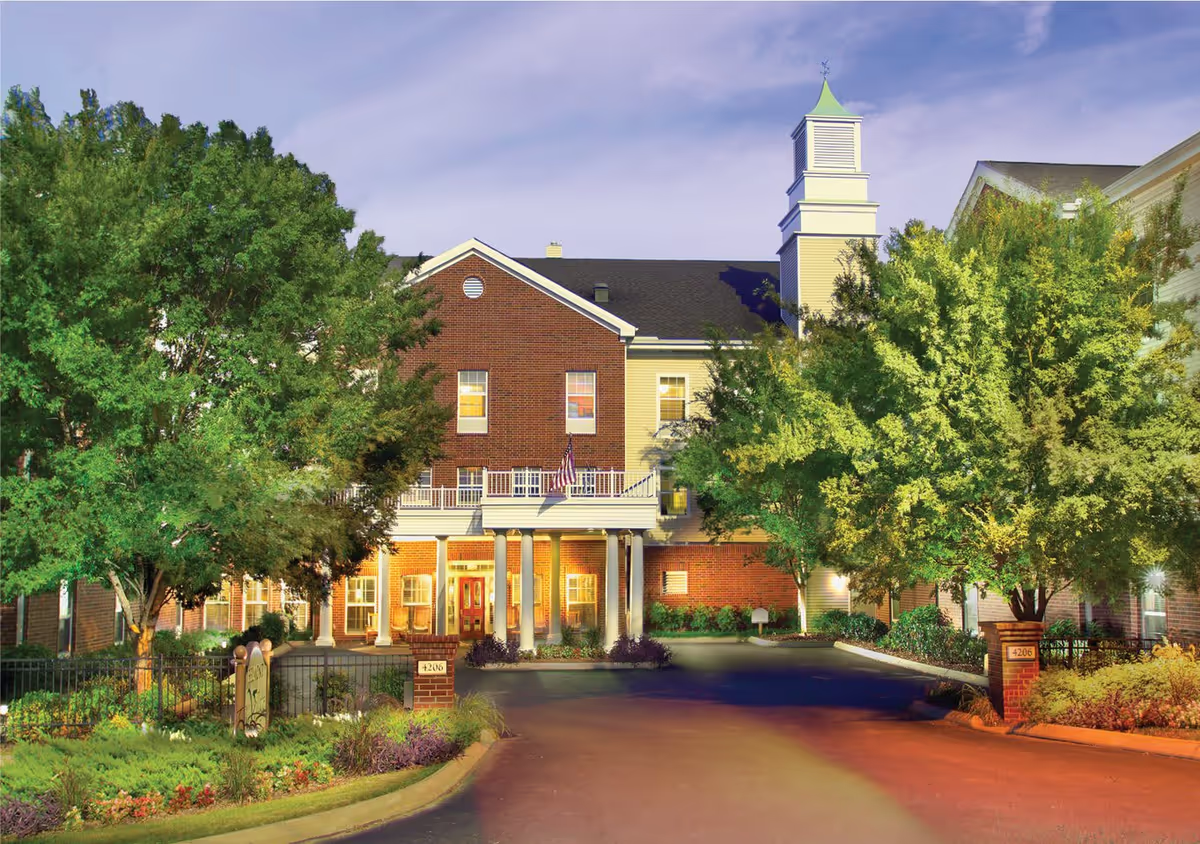
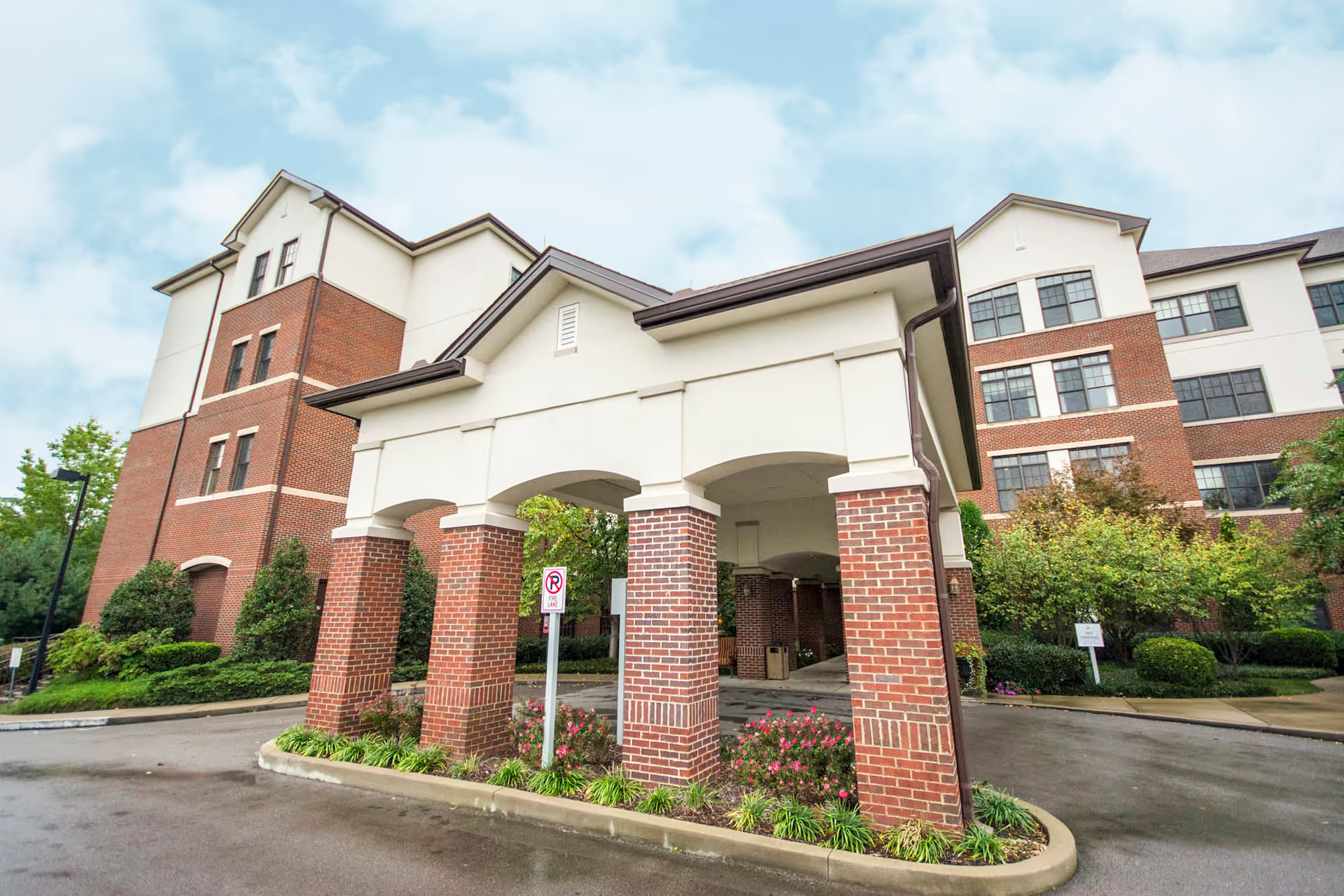
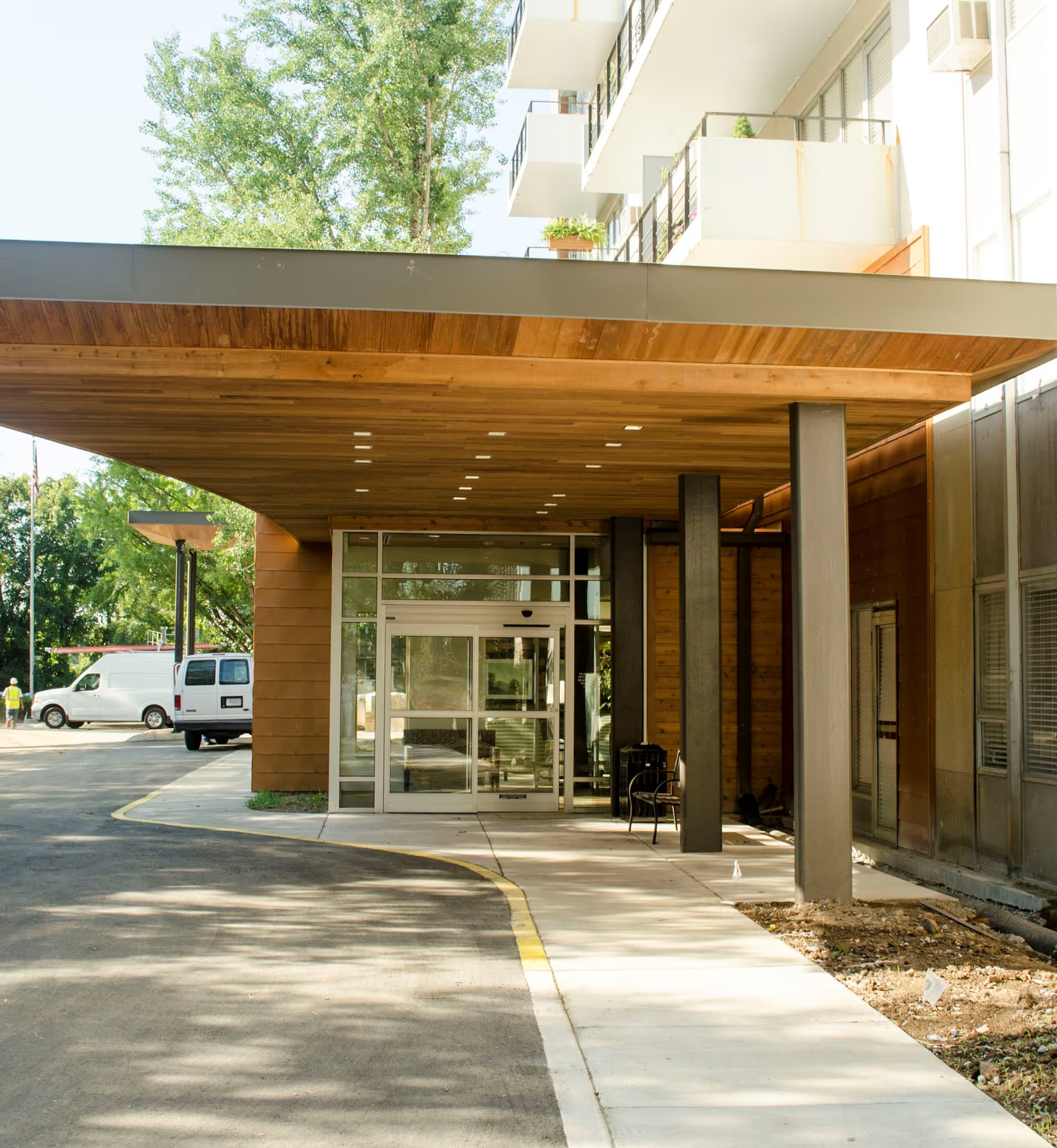
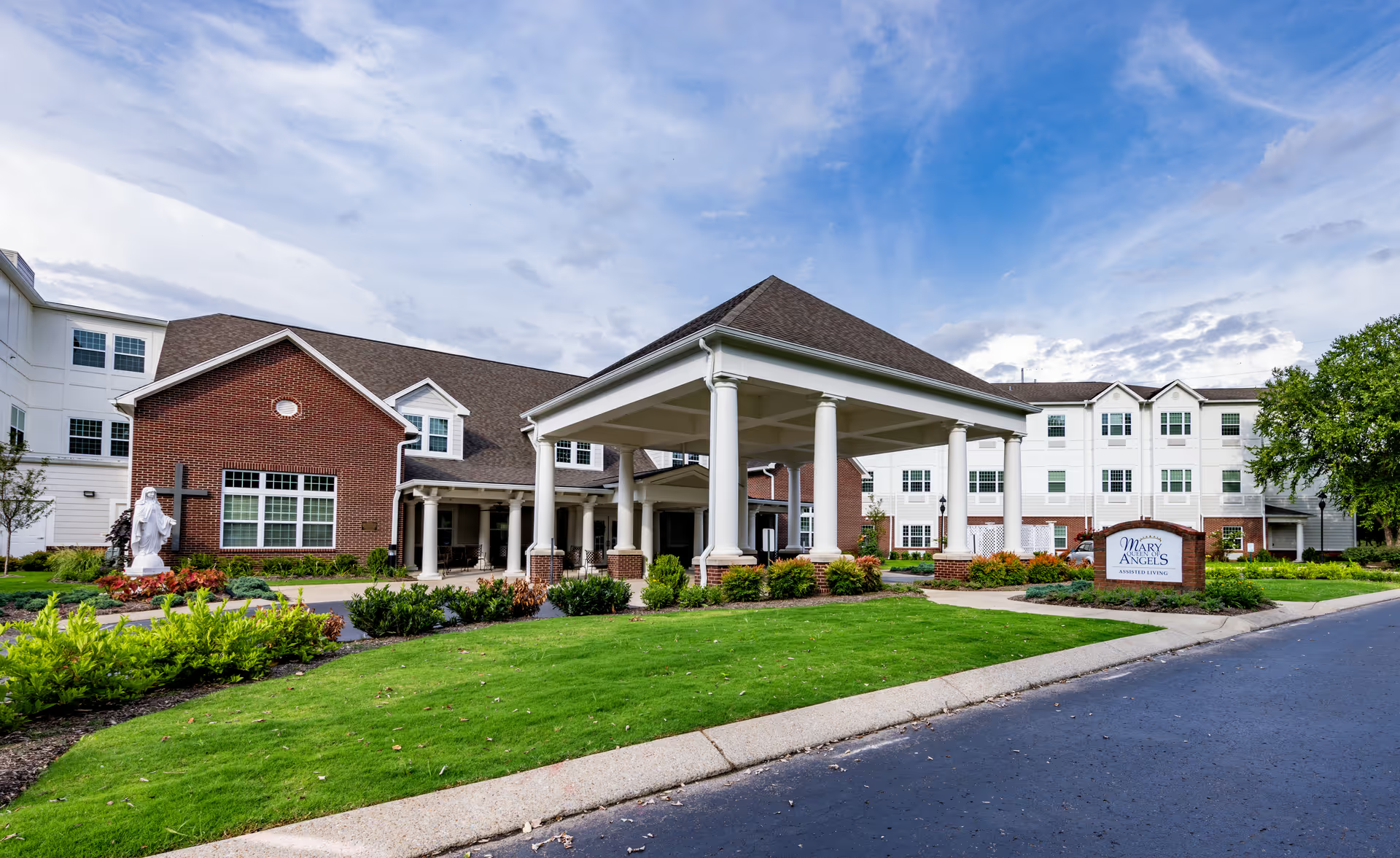
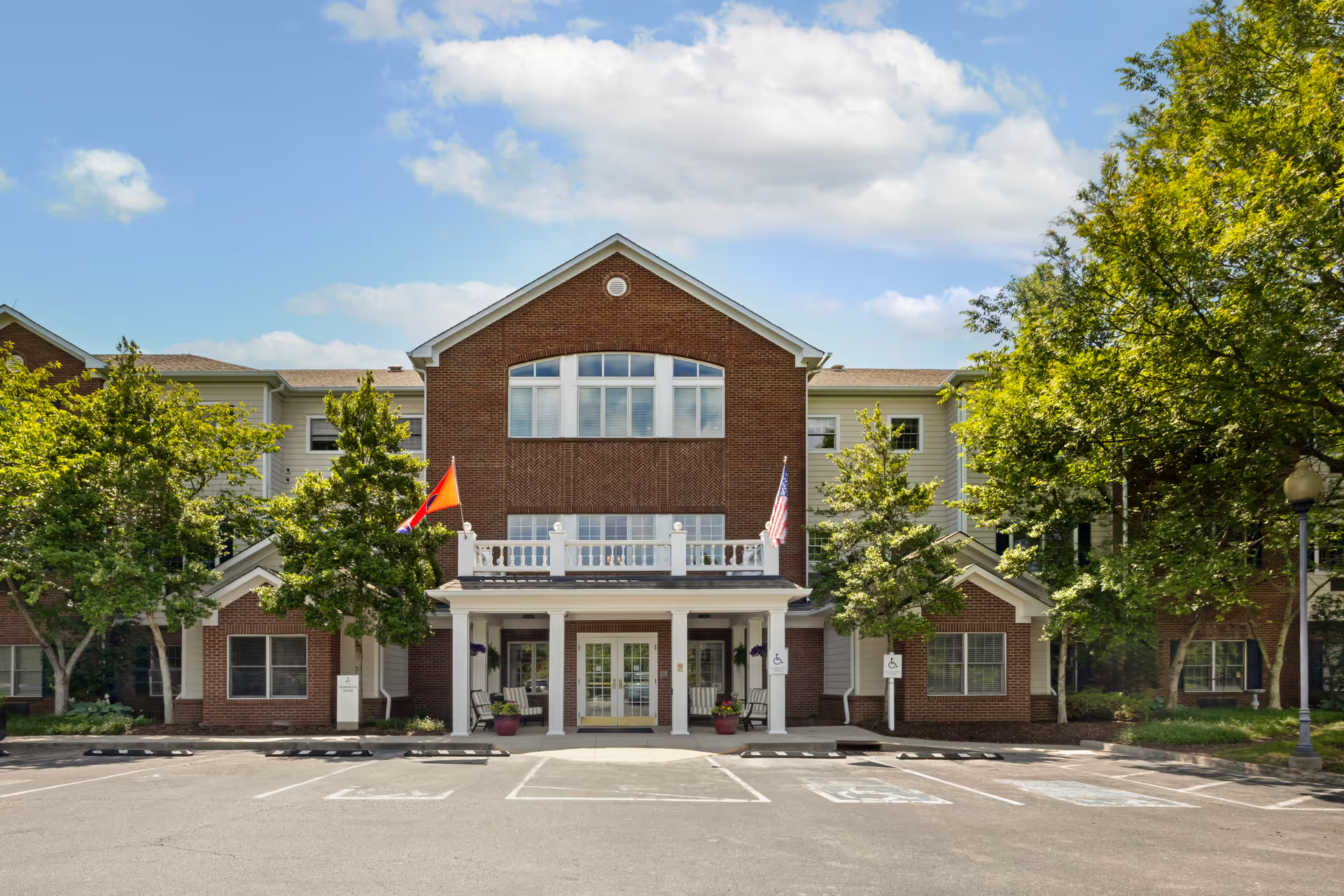
Facilities and housekeeping: The facility’s exterior, lobby, grounds, and some renovated day rooms receive positive comments for creating a welcoming atmosphere. At the same time, reliability of housekeeping and room maintenance appears uneven — with sanitation and furnishing concerns noted in certain rooms and bathrooms. These observations suggest that housekeeping standards and maintenance attention vary by unit or shift.
Management, policies, and transitions: Administrative interactions ranged from apologetic and helpful to adversarial, according to different accounts. Some families described constructive engagement by administrators and a smooth transition plan on discharge; others described rigid visitation policies, communication gaps, and problems with discharge planning or follow-through on home health and medications. A logistical note: the facility accepts certain insurance plans including Cigna Marketplace coverage, which may be relevant to planning.
Notable patterns and takeaways: The dominant themes are strong rehabilitative capacity and personable daytime caregivers contrasted with inconsistent care quality during off-peak hours, uneven housekeeping, and weaknesses in medication timing and continuity of care. Families considering Green Hills should evaluate shift-to-shift staffing patterns, ask about night supervision and medication protocols, confirm dietary accommodations, and discuss discharge plans in detail. Visiting at different times of day and speaking directly with therapy staff, nursing leadership, and the administrator can help clarify whether the facility’s strengths align with a prospective resident’s needs.