Overall impression: Reviews present a polarized picture of Oneida Nursing & Rehab Center. Many comments highlight strengths in day-to-day caregiving, therapy services, activity programming, and the physical environment (including a recent addition). Counterbalancing those positives are recurring operational concerns related to leadership, staffing, responsiveness, dining, and medication processes. Prospective residents and families are likely to encounter very different experiences depending on unit, shift, and caregiver assignment.
Care quality and staff: Direct-care staff receive frequent praise for attentiveness, compassion, and hands-on skill — CNAs, RNs, and therapists are described as engaged and effective by numerous families. At the same time, reviewers describe gaps in responsiveness (delays getting assistance), inconsistent supervision, and specific concerns about medication handling. These patterns suggest that while many frontline caregivers perform well, staffing levels, shift coverage, or clinical oversight can be inconsistent, producing variable resident experiences.
Dining and dietary services: Dining is an area of mixed feedback. Several comments indicate dissatisfaction with food quality and limited menu flexibility; one noted repeated offering of an item despite resident dislike. Overall the pattern points to inconsistent meal satisfaction and limited accommodation of individual preferences rather than a uniformly well-regarded dining program.
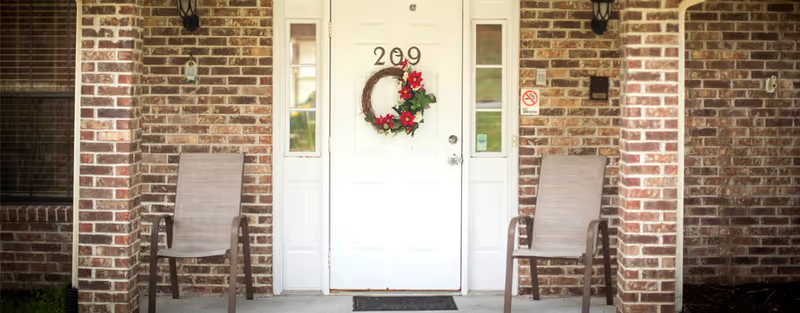
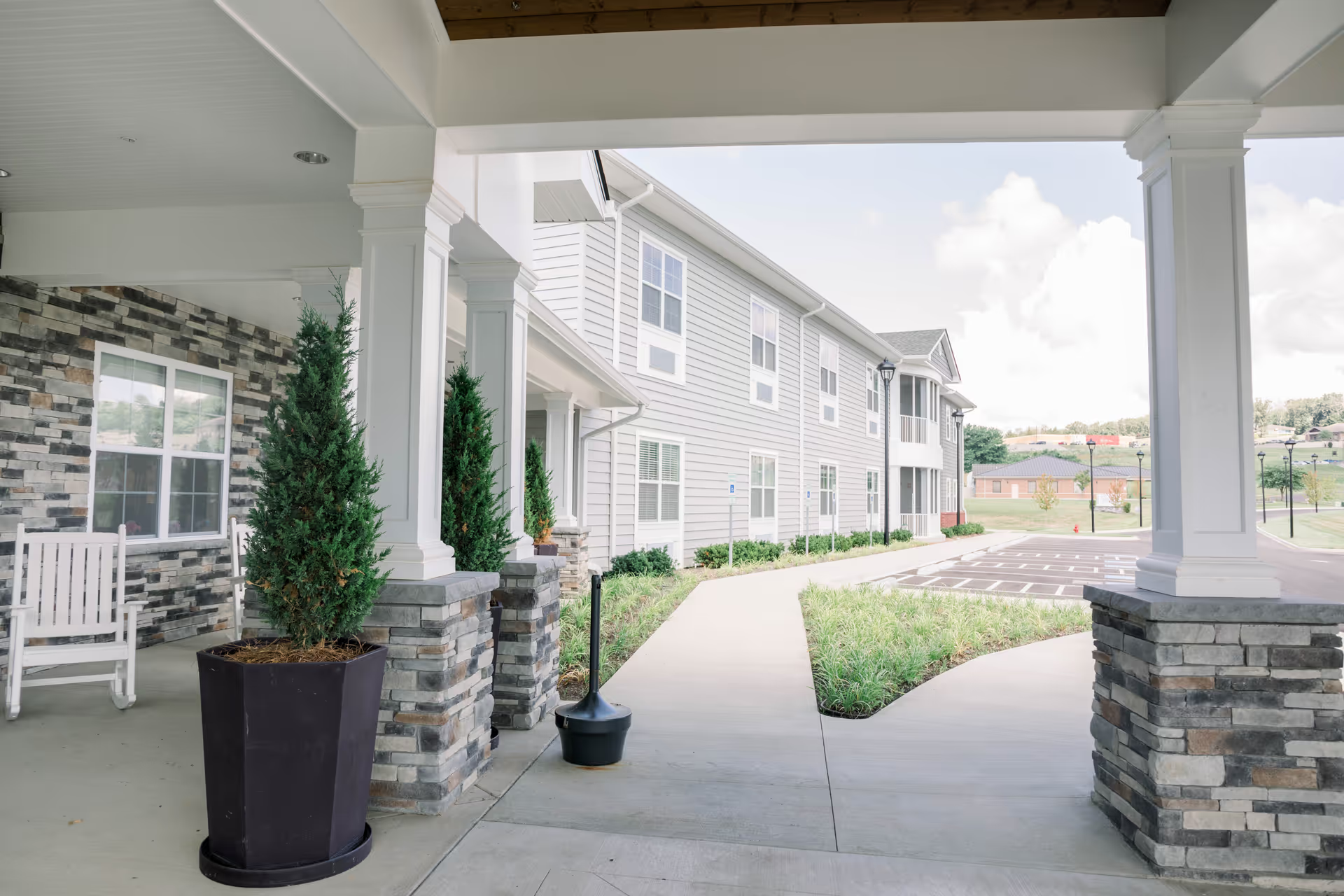
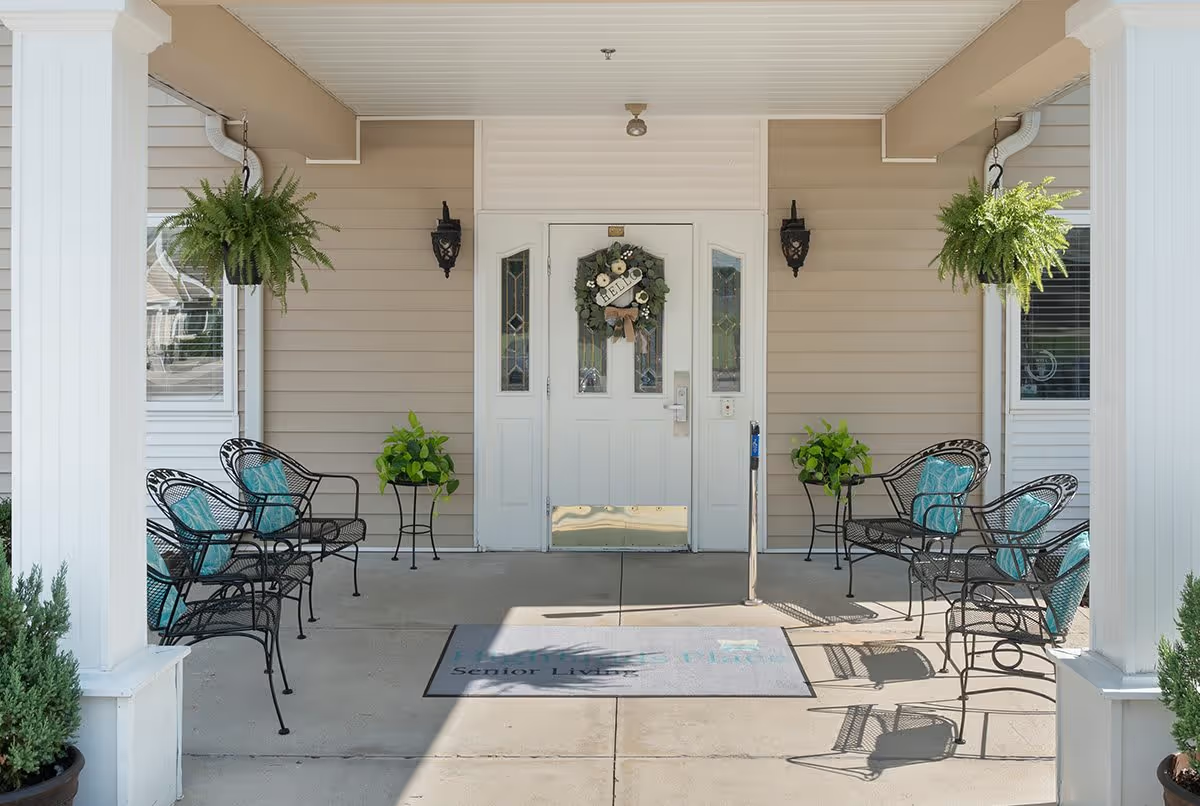
Activities and facilities: The facility's activity program and communal atmosphere receive positive mention. Daily activities, a welcoming staff demeanor, clean and homelike rooms, and a newer facility addition are cited as strengths that support residents’ quality of life. These elements appear to be consistent positives even among otherwise critical reviewers.
Management and organizational patterns: Multiple reviewers express concerns about leadership, complaint handling, and organizational culture. Themes include poor resolution of family concerns, perceived emphasis on state or regulatory metrics over individualized resident care, and reports suggesting an unsupportive leadership tone. These facility-level leadership issues likely amplify operational problems such as staffing instability and inconsistent communication with families.
Notable patterns and risk areas: The dominant negative patterns are inconsistent management oversight, staffing shortfalls that produce delayed assistance, concerns about medication-administration controls, and limited responsiveness to family complaints. There are also indications that the facility may prioritize higher-dependency admissions under certain operational models, which could affect care mix and staff workload.
Guidance for families: Given the mixed feedback, families should conduct focused, on-site evaluations: observe multiple shifts (including evenings/weekends) to gauge staffing and responsiveness; meet key nursing leadership and the therapy team; review medication-administration and incident-reporting procedures; sample or observe mealtimes for menu variety and accommodations; and ask about the facility’s complaint-resolution process and recent quality-improvement actions. These steps can help determine whether the facility’s strengths align with an individual resident’s care needs and expectations.