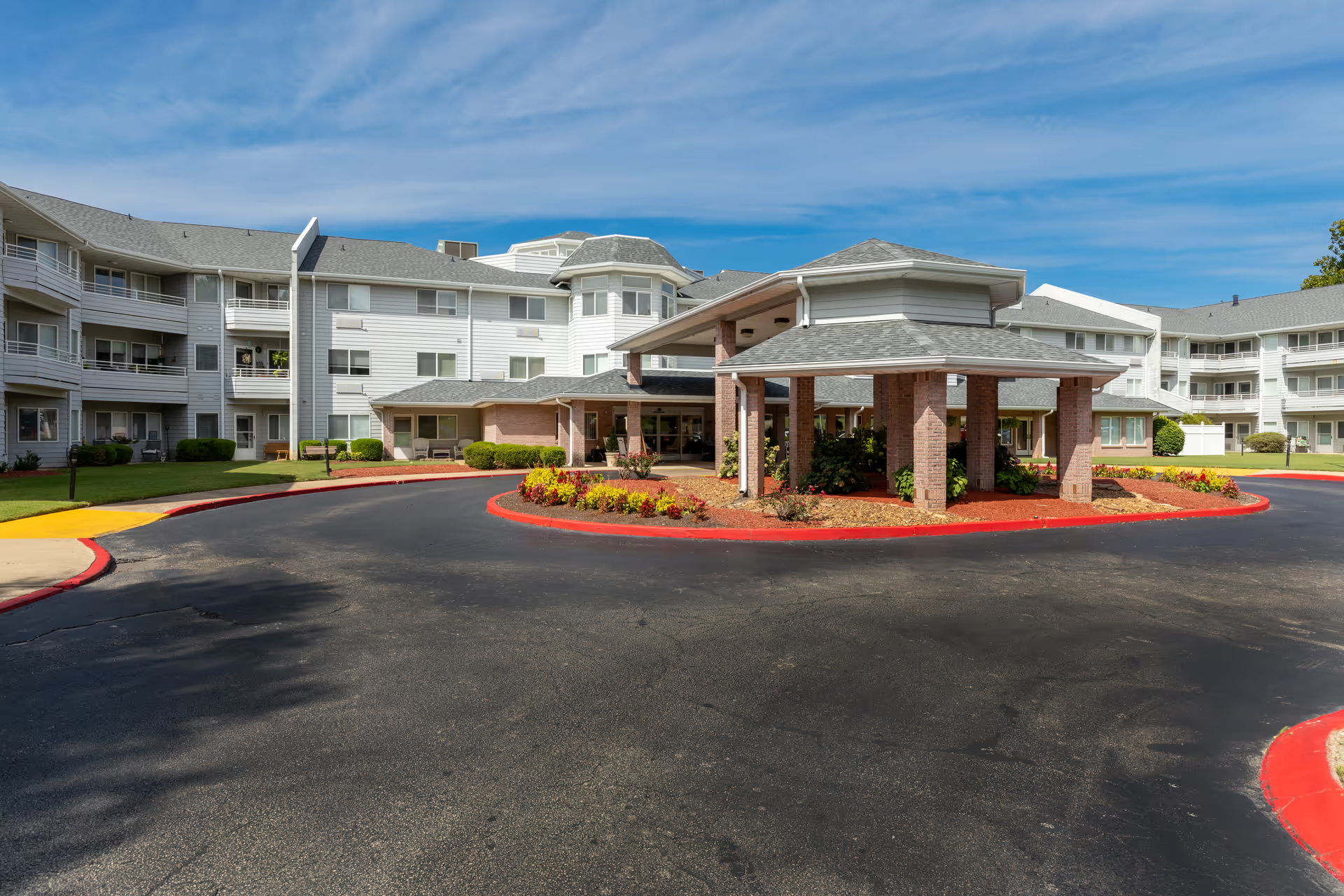
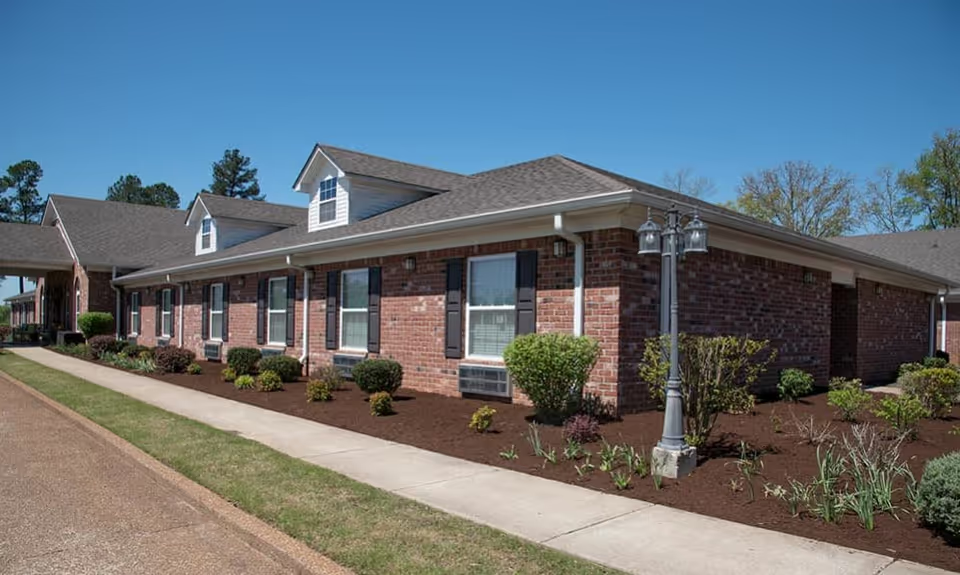
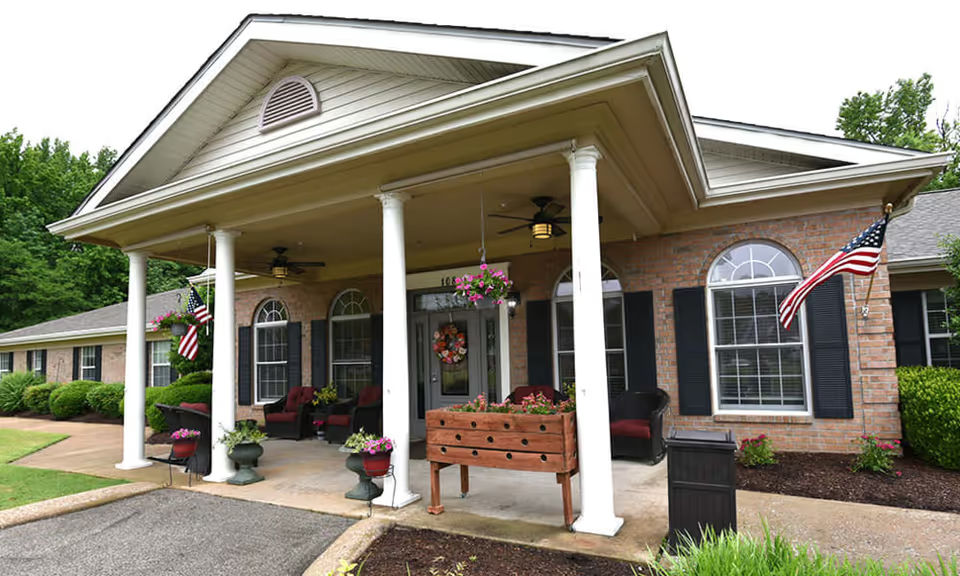
Overall impression: Reviews present a mixed but largely favorable picture of care at Selmer Post Acute. Many families emphasize compassionate, attentive caregiving from nursing and nurse-assistant staff, and reviewers repeatedly cite strong rehabilitation services (physical and occupational therapy). The facility is frequently described as clean, well maintained, and welcoming, with accessible therapy spaces, a decorated cafeteria, and seasonal activities that engage residents.
Care and clinical communication: Clinical care is often praised—staff are described as responsive, respectful, and willing to provide condition updates to families. Several reviewers called out excellent follow-through and individualized attention. At the same time, there are recurring operational concerns: staffing levels appear variable at times, producing delays for routine assistance, and some families described inconsistent communication after clinical changes or adverse events. These patterns suggest the facility delivers strong baseline clinical services but may have gaps in surge staffing and standardized post-event family outreach.
Staff and management: Staff interpersonal skills are a consistent strength; many reviews name specific caregivers and praise a positive, friendly culture among nursing, therapy, and front-desk teams. There is appreciation for infection-control practices and hygiene emphasis. Conversely, some reviewers express concern about administrative priorities and one set of reviews raises serious, individual allegations that go beyond routine quality concerns; such claims merit careful, independent review by regulators or facility leadership. New ownership and management transitions were noted, along with requests to retain key personnel who families view as central to good outcomes.
Activities and dining: The facility offers active programming, with examples such as holiday parties, themed cafeteria events, and social refreshment gatherings that residents enjoy. These activities and the decorated common areas contribute to a warm, inviting atmosphere. Dining experiences are presented positively in the context of social events, though there is less detail about everyday meal quality across reviews.
Facilities and logistics: Physical spaces are described as clean, spacious, and well-equipped. Recent investments in digital sign-in and security updates were noted positively, though visitor access practices vary between accounts—some families report easy kiosk check-in while others report entry challenges. Property-management issues also emerge as an operational weakness: at least one family reported missing personal items, suggesting the facility may benefit from clearer protocols around resident belongings and inventory controls.
Notable patterns and recommendations for families: Strengths cluster around person-centered caregiving, rehabilitation services, cleanliness, and an active events program. Recurrent operational weaknesses include inconsistent staffing that can delay assistance, variable family communication after changes in condition, visitor-access variability, and property-management gaps. There are isolated but serious allegations that should be investigated separately. Prospective residents and family members would be well served to tour the facility, ask about current staffing ratios and contingency plans for high-demand periods, review protocols for belongings and incident reporting, confirm visiting procedures, and inquire how the facility communicates clinical changes and investigates serious complaints.