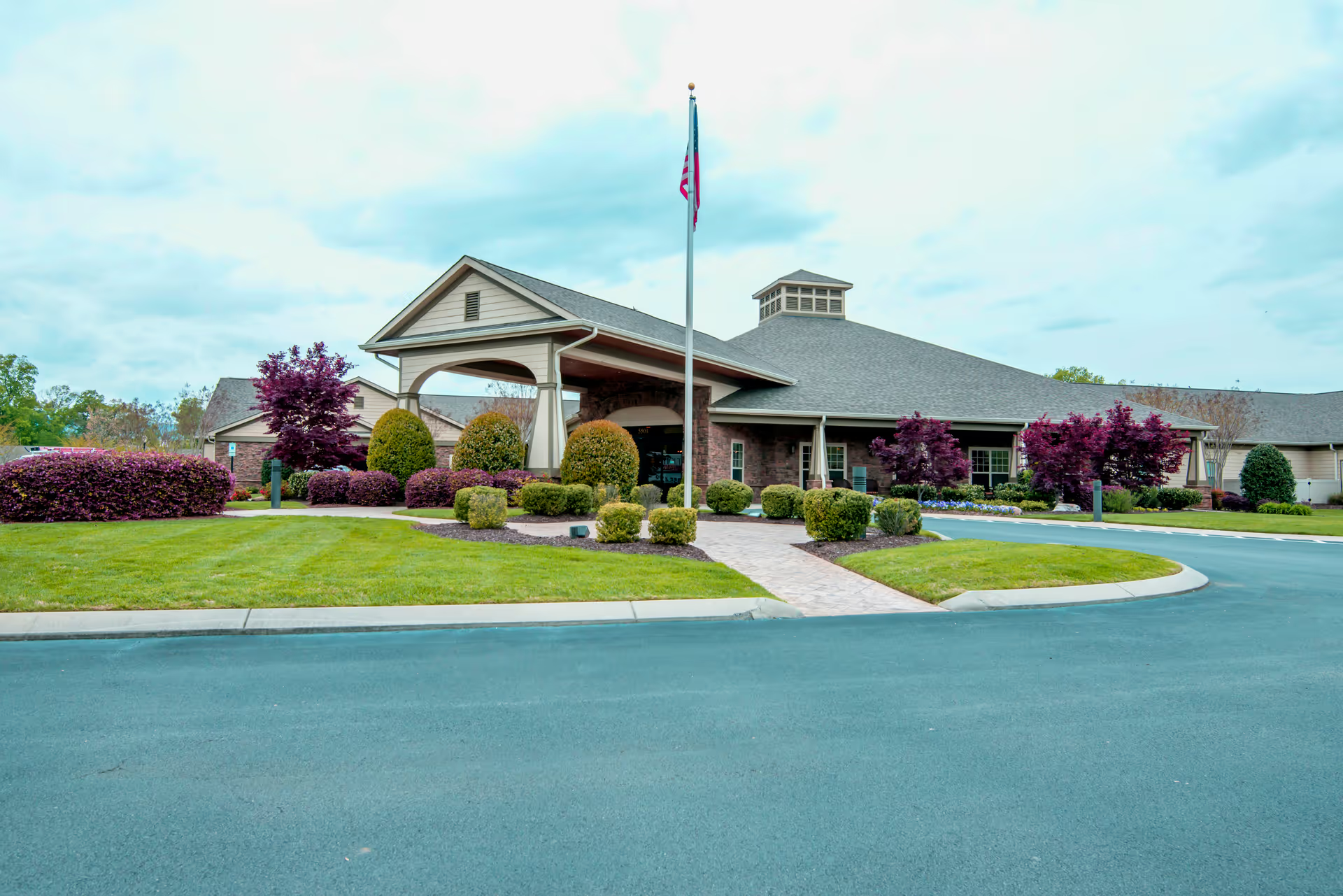
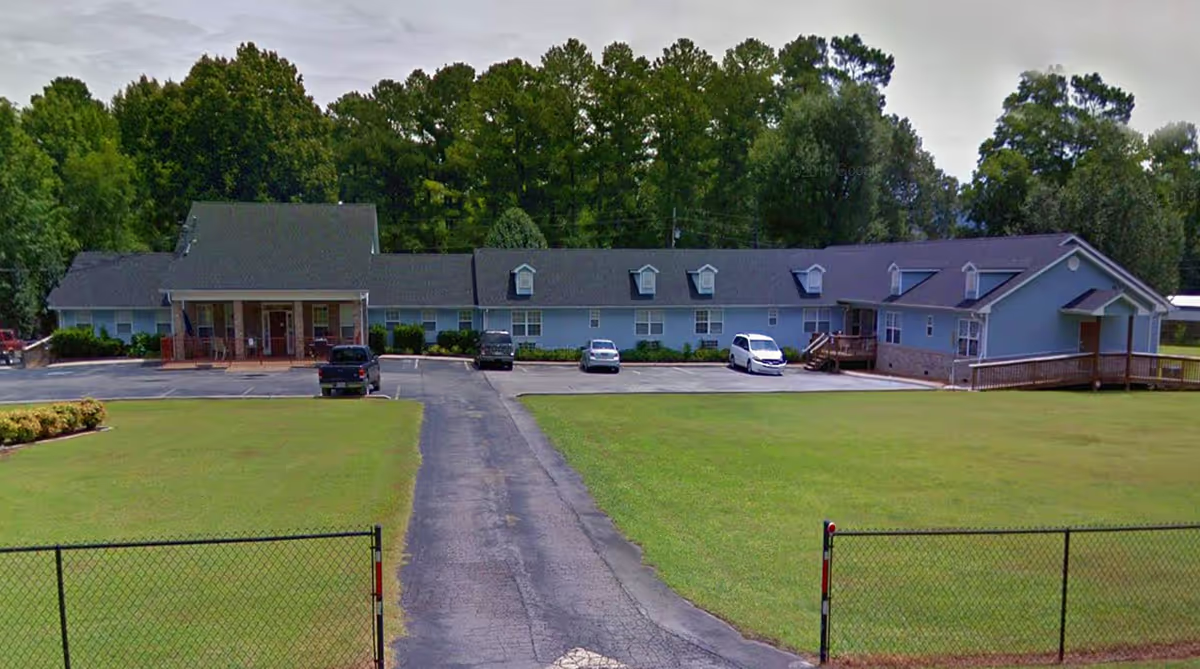
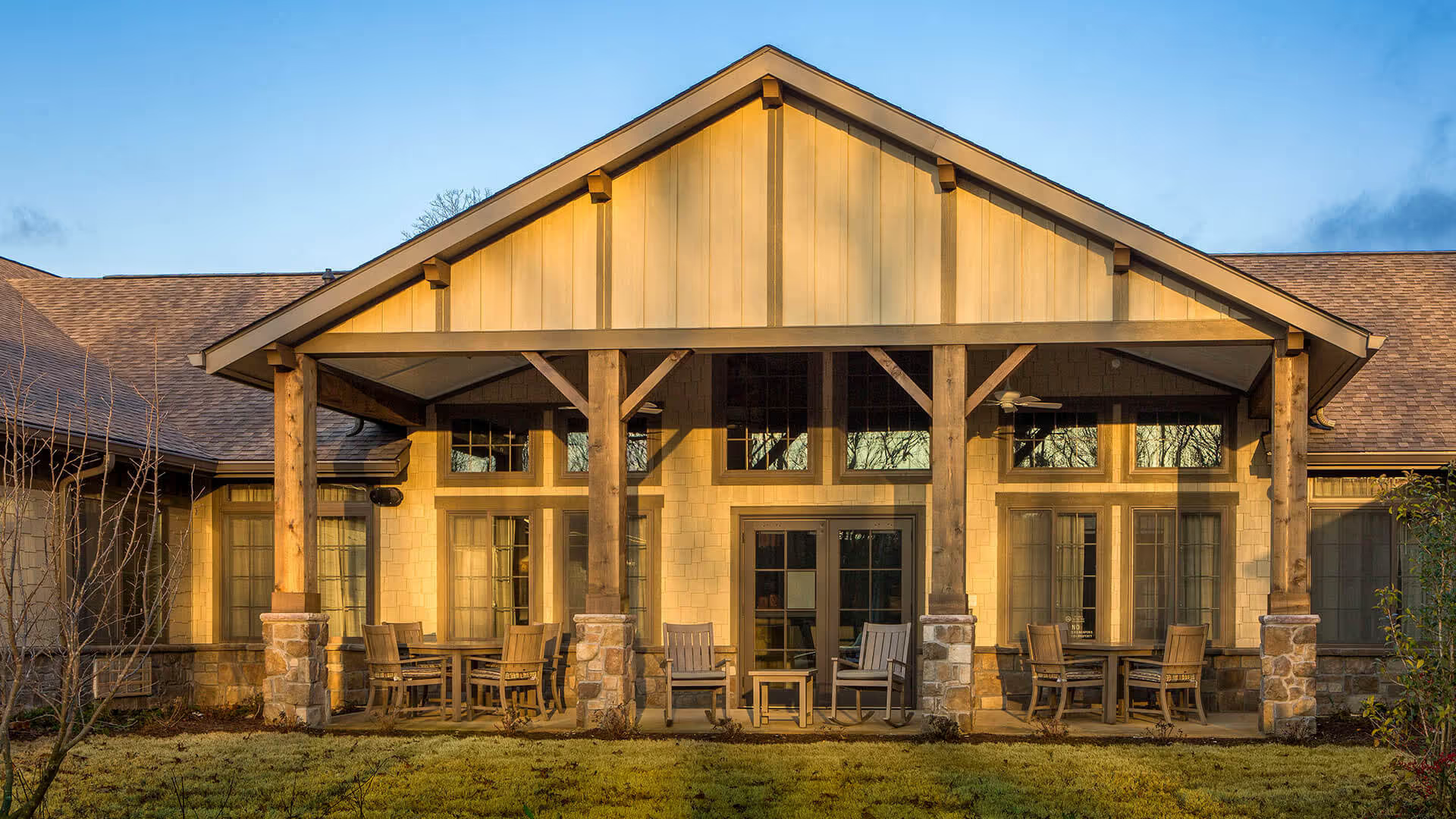
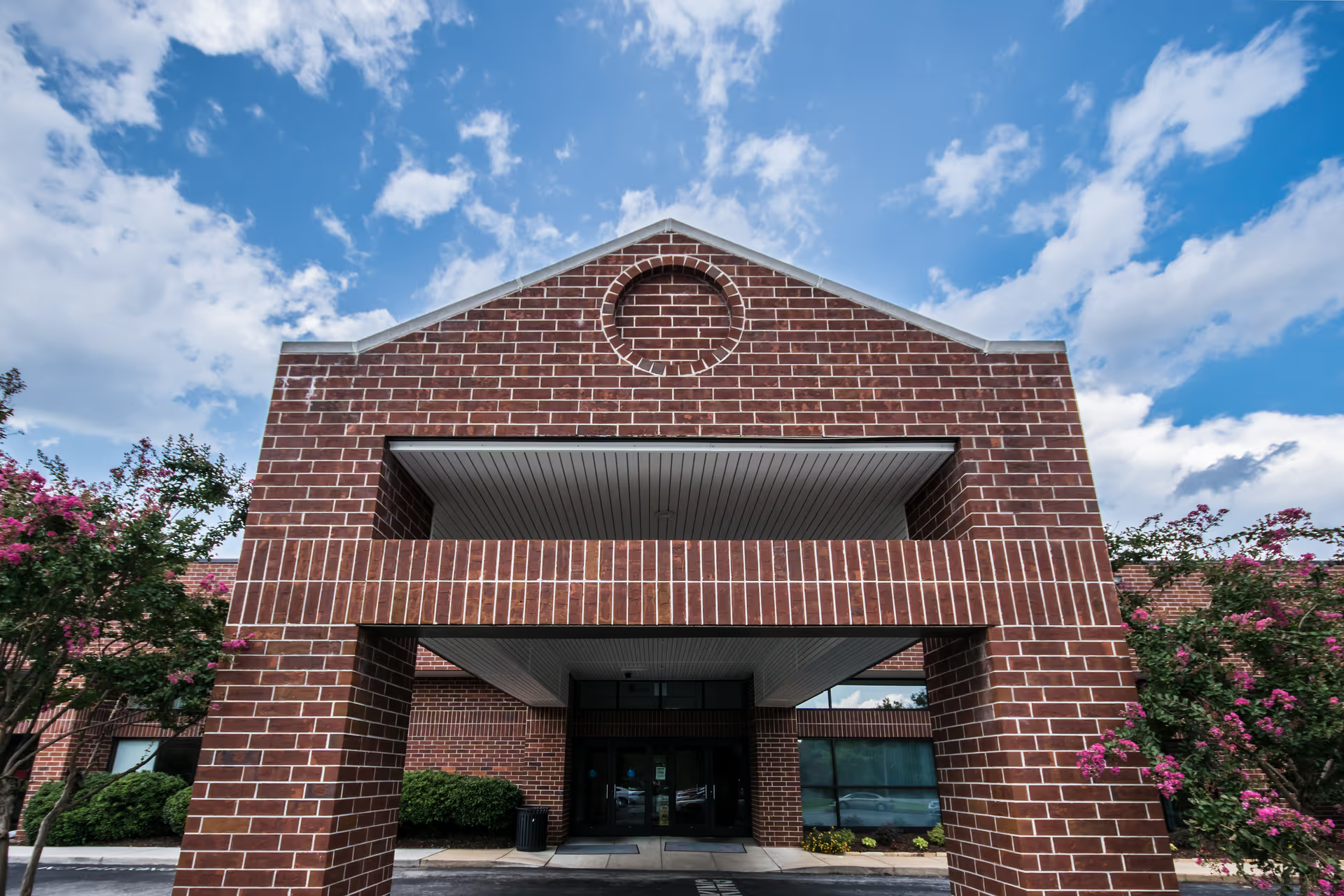
Overall impression: Feedback for Alexian Village of Tennessee is mixed, with consistent praise for the campus, amenity set, and many direct-care staff alongside recurring operational concerns. The community is described as attractive and activity-rich, offering scenic views, pools, on-site rehab, and a range of social programming. At the same time, reviewers outline persistent issues in staffing, dining service, maintenance, and communication that have produced uneven resident experiences.
Care and staff: Caregiving staff—particularly CNAs and some nursing personnel—are routinely described as compassionate and committed. Multiple accounts highlight staff who know residents well and who remained on site during extreme weather, which speaks to individual dedication. However, staffing patterns show variability: high turnover, frequent use of temporary or agency personnel, and post-COVID staffing shortages have been noted. These operational patterns are associated with gaps in nursing responsiveness, inconsistent inter-staff communication, and reported insufficiency of CNA coverage on some floors. Clinical documentation gaps were also cited, including lapses in elimination/continence tracking and other routine records, which families should consider when evaluating clinical oversight.
Dining and dietary management: The dining program is characterized as inconsistent. Many reviewers compliment the cafeteria staff and note days with very good meals, while others describe long waits, cold or lukewarm entrées, and an overreliance on buffet service rather than table service. There are also concerns about dietary accommodations—most notably gluten-free handling and broader food-quality or food-safety lapses. These points suggest variability in kitchen operations and meal-service practices across shifts.
Activities and amenities: The community’s activity calendar and amenities are frequently cited as strengths. Offerings such as exercise areas, regular outings, jazz nights, ice cream socials, shopping trips, and multiple pools contribute to an active lifestyle. Apartments are available in a range of sizes with upgrade options, and many residents enjoy comfortable, well-appointed units and communal spaces. The faith-based (Catholic) identity of the campus is noted as present but not overbearing, which some families find meaningful.
Facilities and maintenance: The campus and grounds receive high marks for aesthetics and location, including views and outdoor areas. At the same time, building-level maintenance issues were mentioned: worn carpeting, paint needing attention, dirty elevators, cigarette litter near entrances, and a perceived maintenance backlog. These indicate an aging physical plant that may require attention and ongoing capital planning.
Management and communication: Communication and leadership consistency are mixed. Some families appreciate monthly care meetings and named leaders (including a well-regarded Director of Nursing), while others describe difficulty reaching staff by phone, gaps between CNAs and nurses, and a perceived decline in service following an administrative change. Pharmacy/provider coordination issues were also referenced. Financially, the community is described as expensive with a large buy-in model that may put it out of range for some prospective residents.
Notable patterns and decision points: The pattern across feedback is polarization—many residents and families are very satisfied with staff, programming, and the campus, while others experience operational failures in staffing, dining, maintenance, and documentation. Prospective residents should consider visiting during a mealtime to assess dining service, ask about current staffing ratios (especially CNAs on the relevant care floor), review recent maintenance and infection-control plans, and request examples of dietary-accommodation protocols. Reviewing contract and buy-in terms carefully is also advisable given the higher cost structure noted by reviewers.