Overall impression is mixed, with a clear polarization of experiences. A number of families describe very positive stays—particularly for short-term rehabilitation—citing a strong therapy department, caring nurses and aides, active programming, and good outcomes for mobility and independence. At the same time, many other accounts point to persistent operational problems that affect clinical care, daily living assistance, and family confidence.
Care quality is uneven. Positive reports highlight effective rehab services and clinically engaged therapy teams that produce measurable improvement. Conversely, recurring operational concerns include missed or delayed medication and discharge coordination, inconsistent application of respiratory or specialty equipment, delayed or missed personal-care tasks (bathing, toileting, dressing), pressure-injury risks, weight loss and infection-management worries. Several reviews describe delayed clinical attention and gaps in follow-up after changes in condition; families frequently reported needing to advocate to secure timely interventions.
Staffing and staff conduct are major themes. While individual staff members and small teams receive praise for compassion and professionalism, the facility appears to struggle with chronic understaffing and high turnover. Reliance on agency or temporary staff unfamiliar with residents is frequently noted, producing variability in responsiveness, documentation, and continuity of care. Call-light response times, caregiver availability for hygiene and toileting, and uneven staff attitudes are cited as operational weaknesses that directly affect resident comfort and safety.
Dining and activities are inconsistent between reports. Several families commend the dining program and specific meals, while many others describe unsatisfactory meal quality, limited customization, and service timing problems. The activities program is similarly variable: some residents enjoy robust, engaging programming and strong staff involvement; others report limited engagement and fewer activity options.
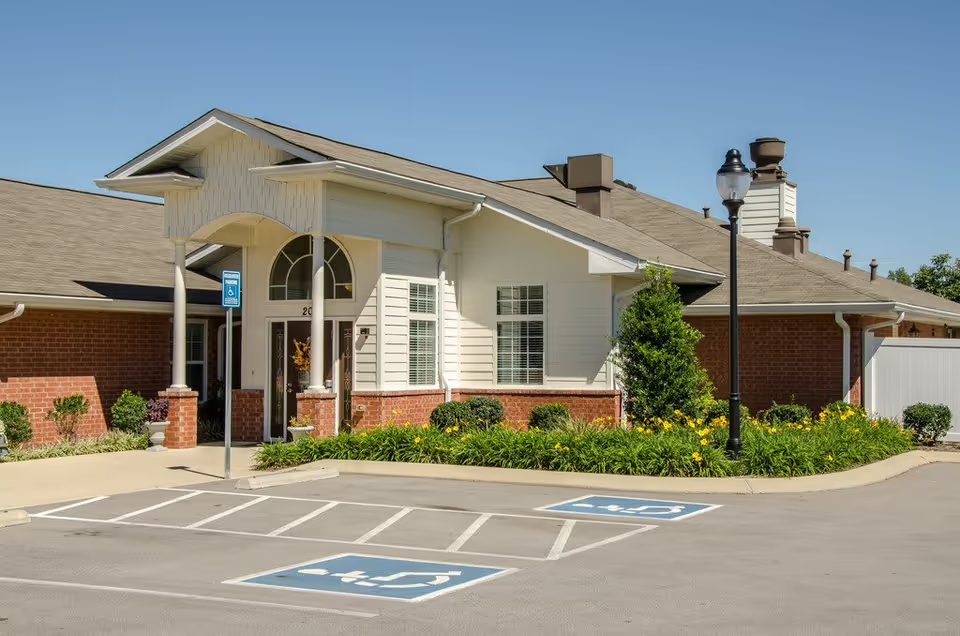
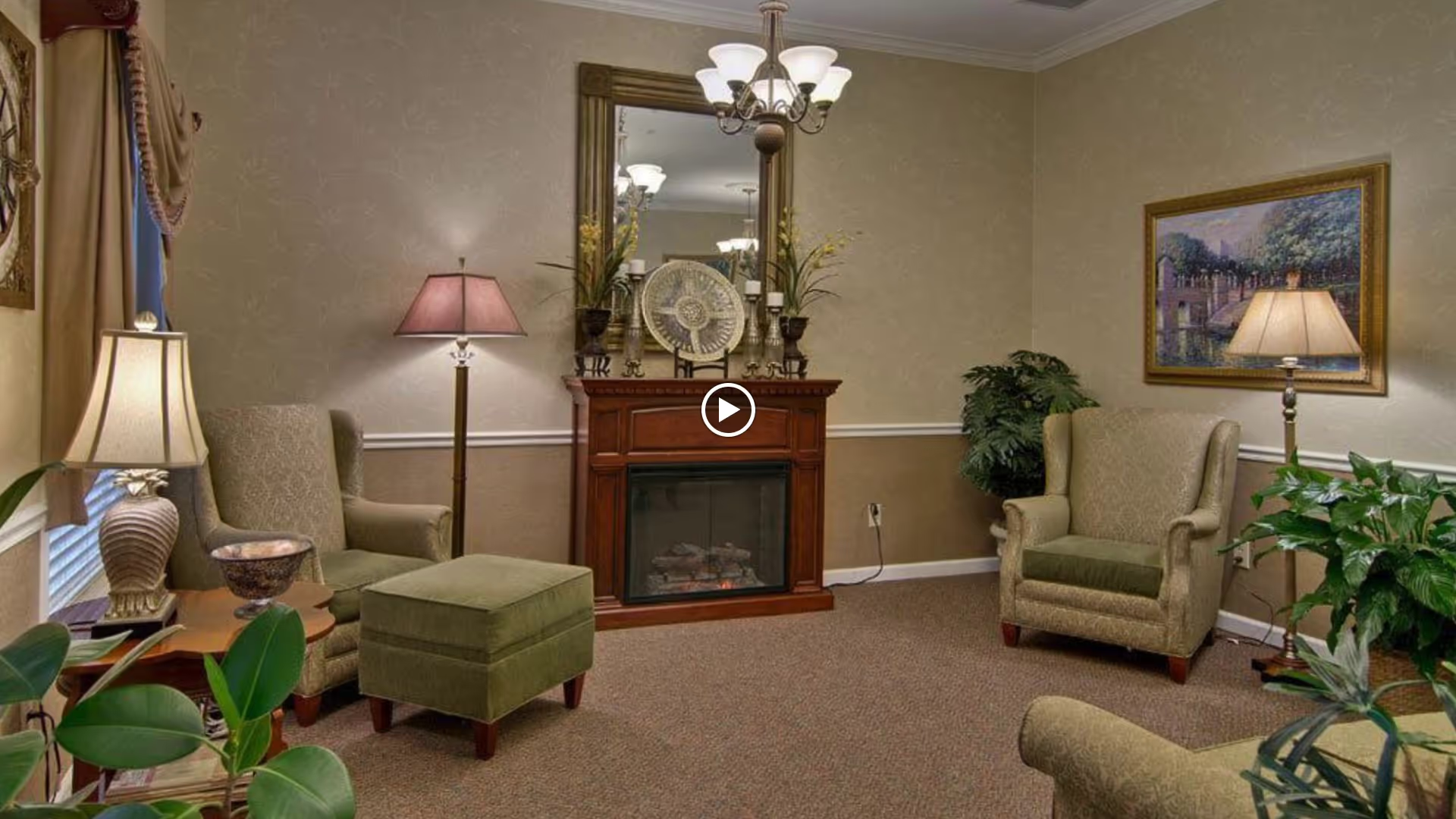
Facility condition and safety show mixed observations. Positive comments reference clean, organized laundry services and orderly areas; critical comments raise concerns about sanitation and maintenance in some resident rooms and common spaces, unfinished repairs, outlet and equipment issues, closet and bathroom accessibility limitations, and supervision/safety gaps such as wandering between rooms. Weekend and off-shift coverage is repeatedly identified as a vulnerability that can affect clinical oversight, therapy continuity, and timely assistance.
Management and communication are inconsistent. Families describe both responsive, communicative leadership and, alternatively, unresponsive or changing administrative contacts (including frequent social-worker turnover). Several reviewers mentioned regulatory attention and plans to report problems; a few raised serious allegations about missing personal items. These patterns contribute to a perception that quality and oversight fluctuate depending on leadership and staffing stability.
What prospective residents and families should consider: observe staffing levels and shift handoffs, ask specifically about weekend clinical coverage and therapy frequency, review medication- and discharge-coordination processes, inspect rooms and bathrooms for accessibility and maintenance, and request examples of activity programming. Visiting at different times of day—weekends and evenings—can help reveal variability. The facility offers strong rehabilitation services and compassionate individual caregivers, but operational weaknesses (staffing, consistency of personal care, and maintenance/cleanliness in some areas) are important to assess before making a placement decision.