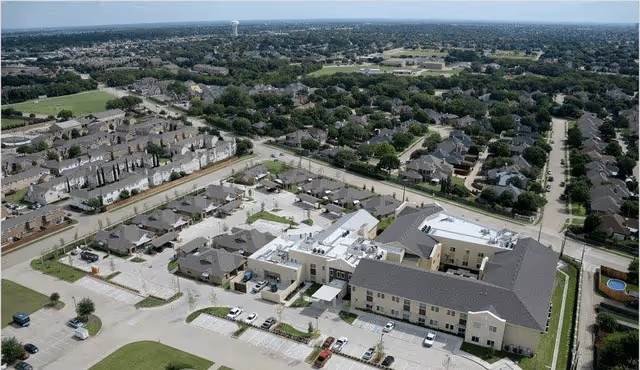
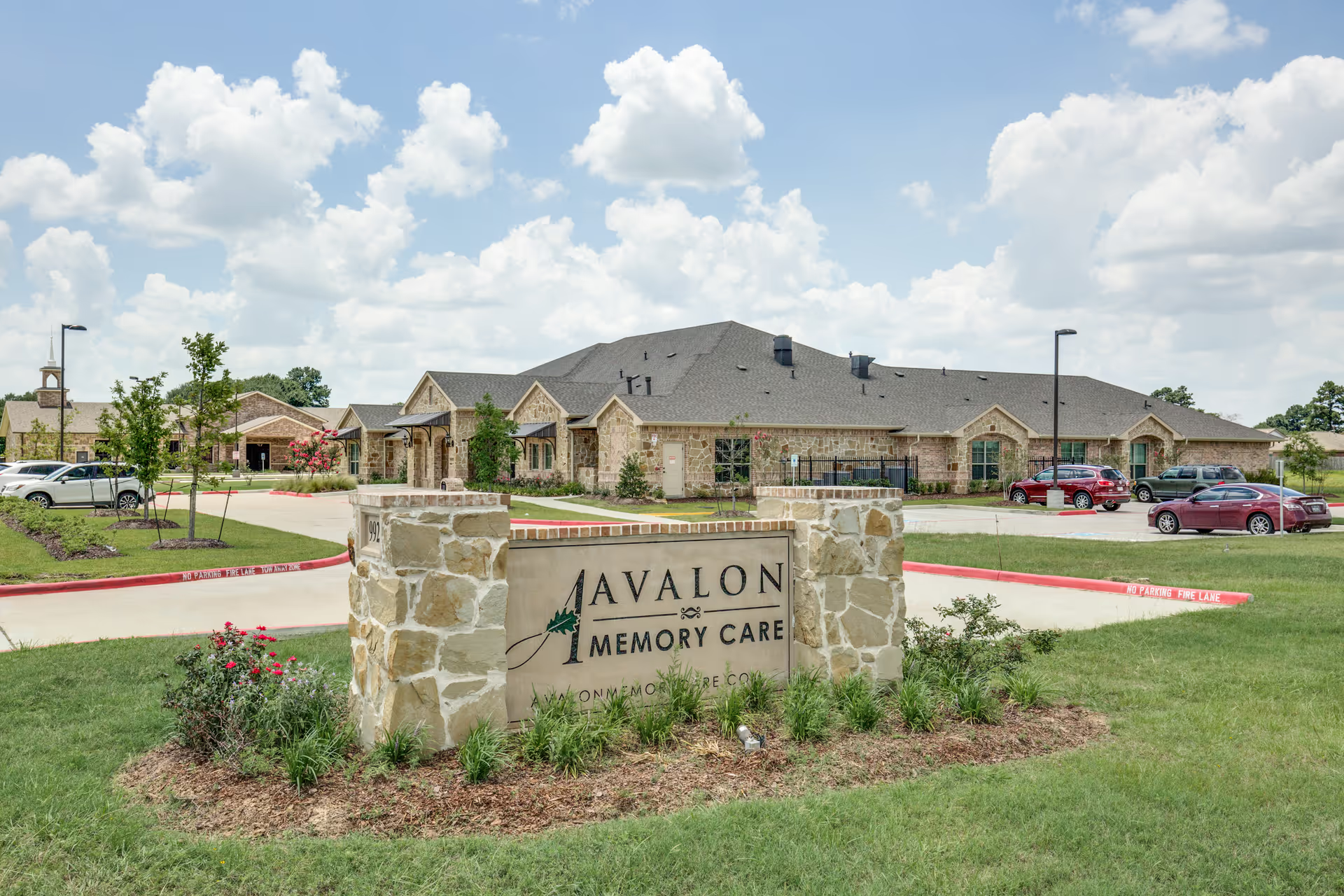
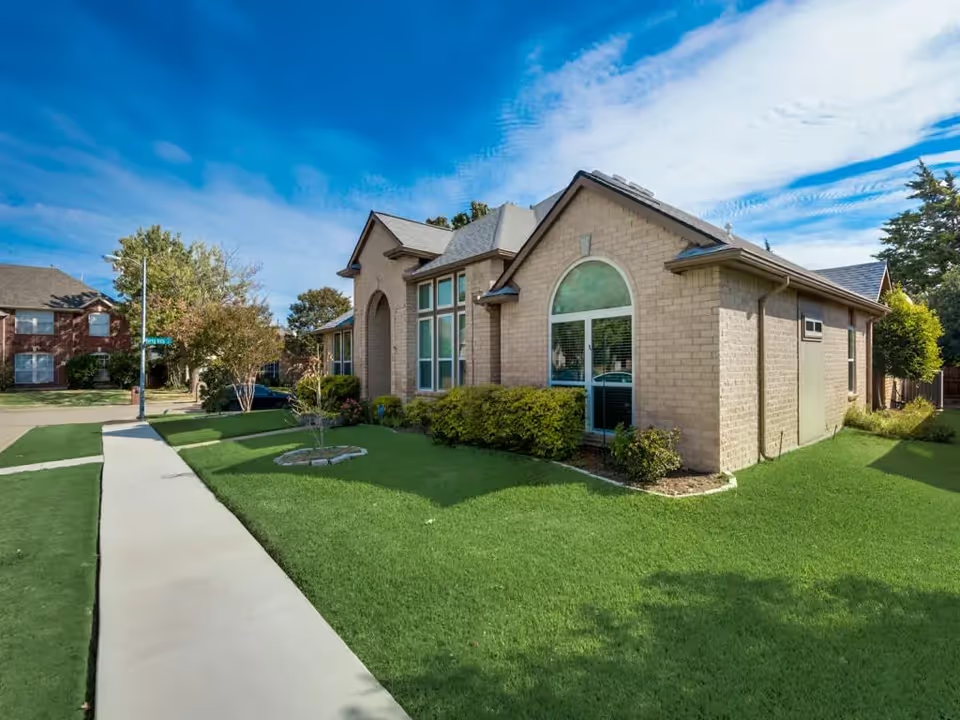
Alexis Estates presents as a well-appointed independent-living community with many features families typically seek for older adults who want an active, supported lifestyle. The facility is described repeatedly as clean, modern, and bright, with resort-like common areas and a wide array of on-site amenities (library, salon, theater, activity spaces, gardening areas). Housekeeping, maintenance, utilities, and a bundled monthly rent structure are emphasized as conveniences that reduce the day-to-day burden on residents and families.
Staff and care: Reviewers consistently highlight compassionate, resident-focused staff and the presence of 24/7 on-site management and caregiving. Managers and caregivers are described as attentive, familiar with residents by name, and responsive to concerns, which contributes to a family-like culture and a sense of safety. The community offers on-site therapy (physical therapy) and a lifeline/caregiving program, and it supports aging-in-place options; however, several accounts indicate that residents with increasing medical needs have at times required transfer to higher-acuity settings. In short, clinical and supportive services are robust for independent- and lower-acuity assisted needs but have limits for more intensive medical care.
Dining: Dining is a clear selling point for many residents — chef-prepared, restaurant-style meals served three times daily, with an on-site bistro that offers snacks, coffee, baked goods, and a 24-hour ice cream option. Many reviewers praised food presentation and variety. At the same time, there are recurring concerns about inconsistency: some families describe variability in food quality, changes in kitchen staff, and limited availability of fresh fruit or fresher produce options. These issues appear to be operational rather than systemic safety failures, but they can affect day-to-day satisfaction.
Activities and social life: The activity program is frequently cited as a strength. Residents enjoy a broad calendar of offerings — exercise classes, crafts, brain games, dances, live entertainment, outings, and monthly family events. An active activities coordinator and well-attended programs contribute to a socially engaging environment; reviewers noted that the program’s quality depends on continued staffing and leadership, so program continuity is an important practical consideration.
Management and operations: Most reviewers describe management as proactive, hands-on, and solution-oriented, with quick response to maintenance and safety concerns. The all-inclusive pricing model is attractive to many, although there are recurring comments about periodic rent increases and some lack of pricing transparency. A number of reviewers express frustration with administrative communication or unexplained billing items; these are characterized as operational and professionalism gaps that families should clarify during touring and contracting.
Patterns and cautions: Overall sentiment is strongly positive, with numerous accounts of residents thriving socially and families feeling relieved after the move. Persistent positive themes are staff attentiveness, cleanliness, and the breadth of amenities and activities. However, prospective residents and families should be aware of a few operational patterns that surfaced: variability in dining quality and fresh-produce availability, dependency on key managers and activity staff for program continuity, occasional administrative and billing communication lapses, and limits in higher-acuity clinical care that may necessitate transition elsewhere. There are also mentions of corporate-level choices affecting local investment and marketing; while not directly affecting daily resident care, these decisions can influence long-term facility development.
Recommendation: Alexis Estates appears well suited for older adults who want an active independent-living experience with included services, on-site therapy, and a strong social environment. Families should ask targeted questions during the tour and contracting phase about meal-service consistency and fresh-produce options, how the community manages kitchen staffing changes, the process and costs for increased care needs, billing transparency, and continuity plans for key activity and management personnel. Doing so will help align expectations and reduce the most commonly cited areas of dissatisfaction.