Overall impression: Families describe a facility that delivers attentive, individualized care within a small, well-kept setting. Caregivers are repeatedly characterized as compassionate and patient, and several families praised long-tenured staff members by name. The facility’s model—small size, owner involvement, and consistent weekday assignments—appears to support personalized attention and continuity for residents who remain there long-term.
Care and staff: Care quality is a strong theme. Reviewers highlight 24-hour staffing, consistent weekday caregivers, and individual caregivers who go beyond basic duties to welcome family visits and accommodate preferences. Those patterns support a sense of safety and familiarity for residents. At the same time, there are recurring concerns about variability in clinical- and manager-level responsiveness; some families described delays or uneven follow-up from nurse managers or main administrative staff, indicating gaps in higher-level clinical communication and case follow-up.
Dining and activities: Dining impressions are mixed. Several families praised the food and dining area, while others expressed dissatisfaction with meal quality, indicating variability in dining satisfaction across residents. Activity programming is described as limited—both as a consequence of resident functional limitations and as an operational constraint of the small-facility model. Prospective residents should expect a quieter, more individualized activity environment and verify program options if social engagement is a priority.
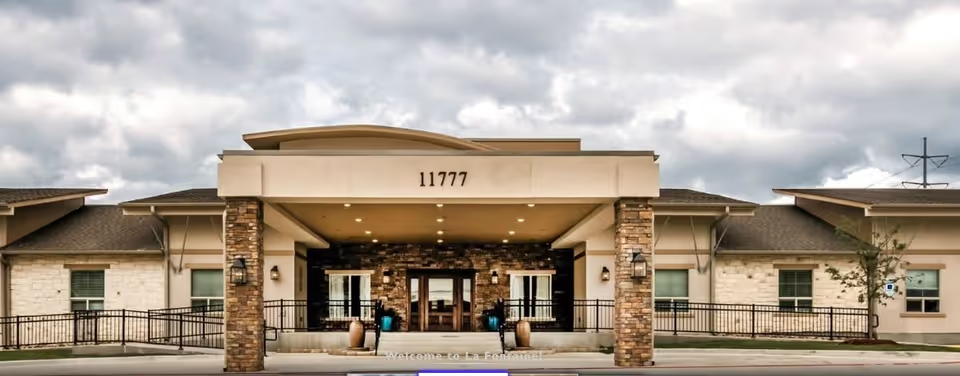
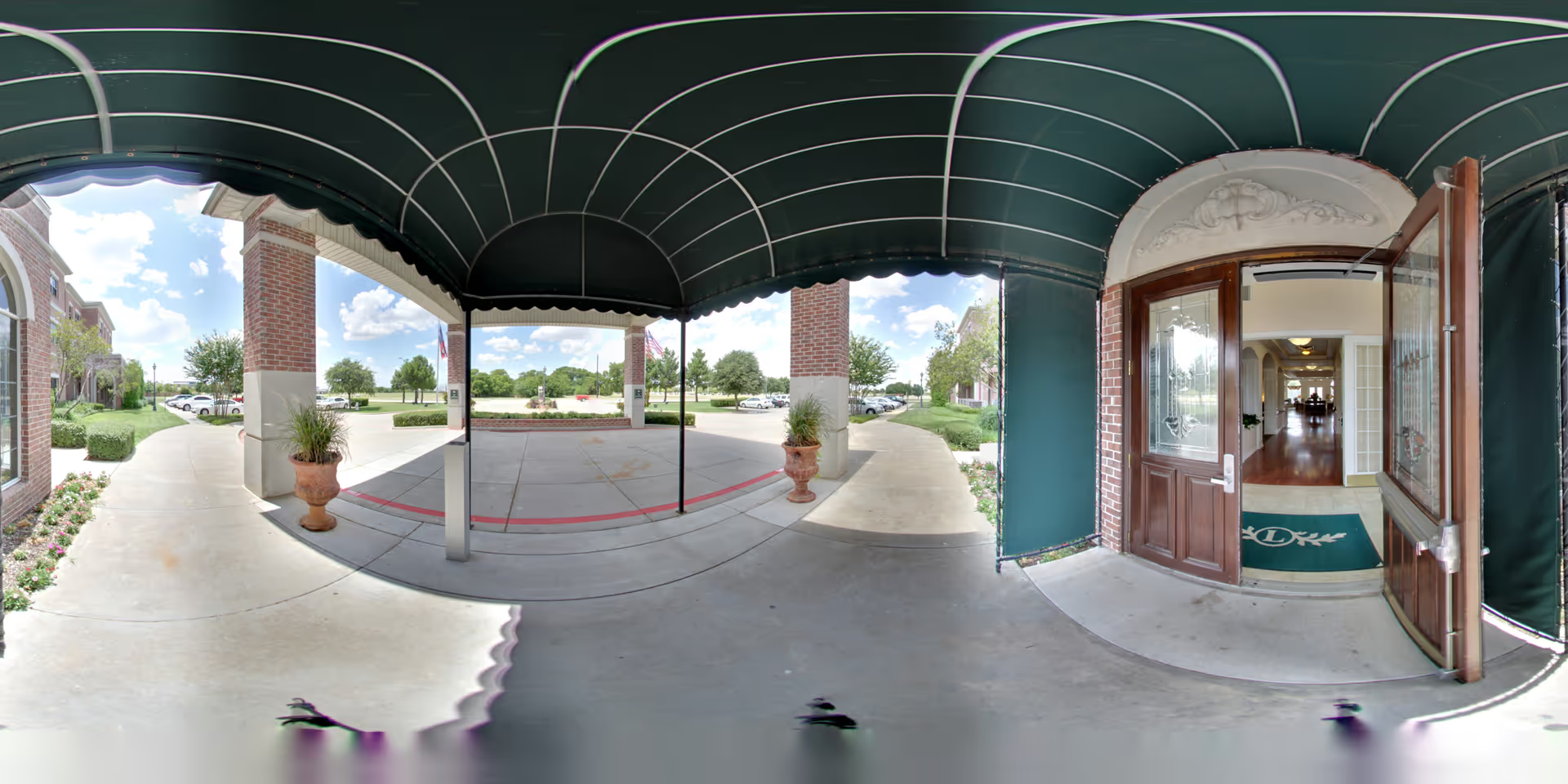
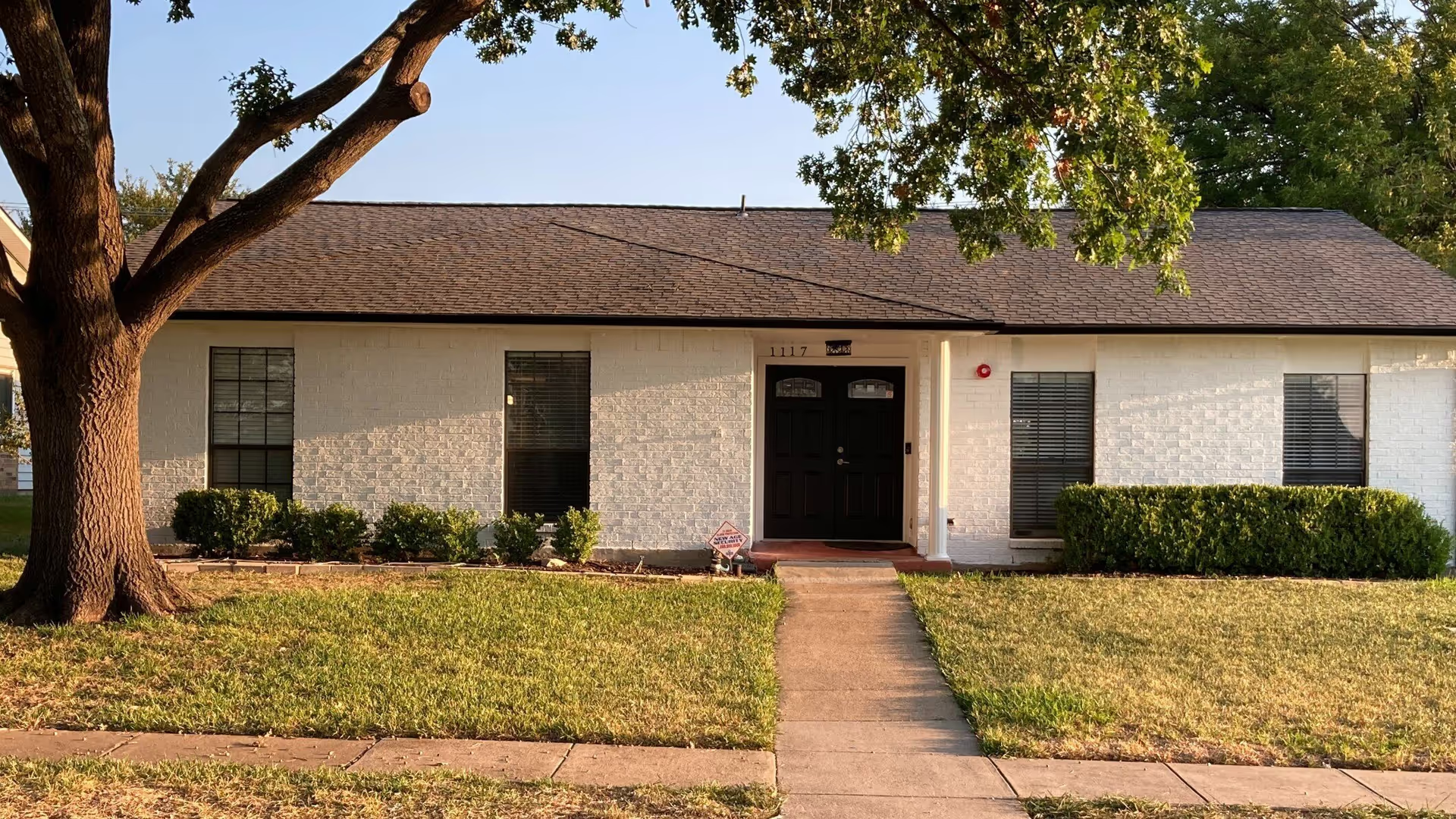
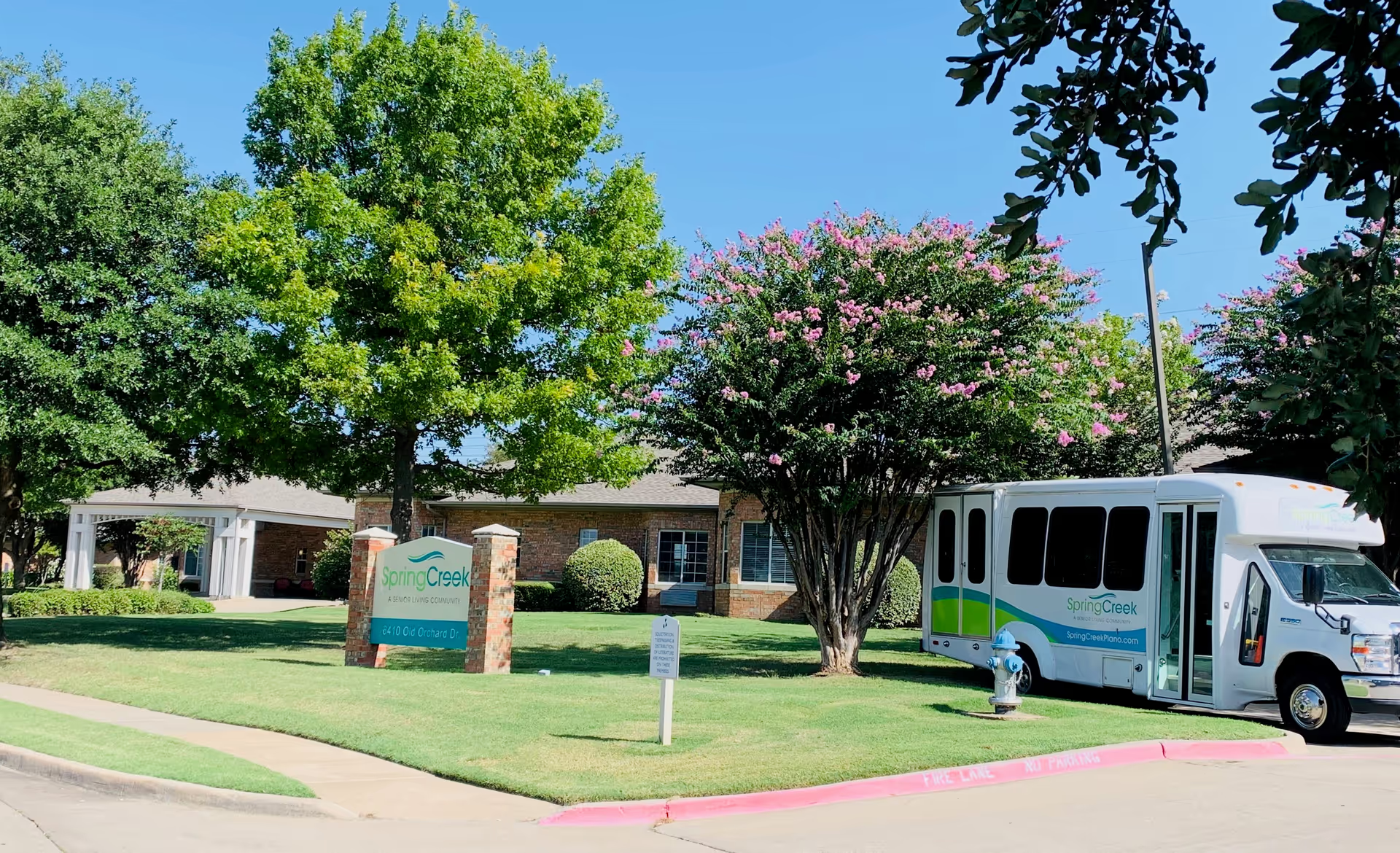
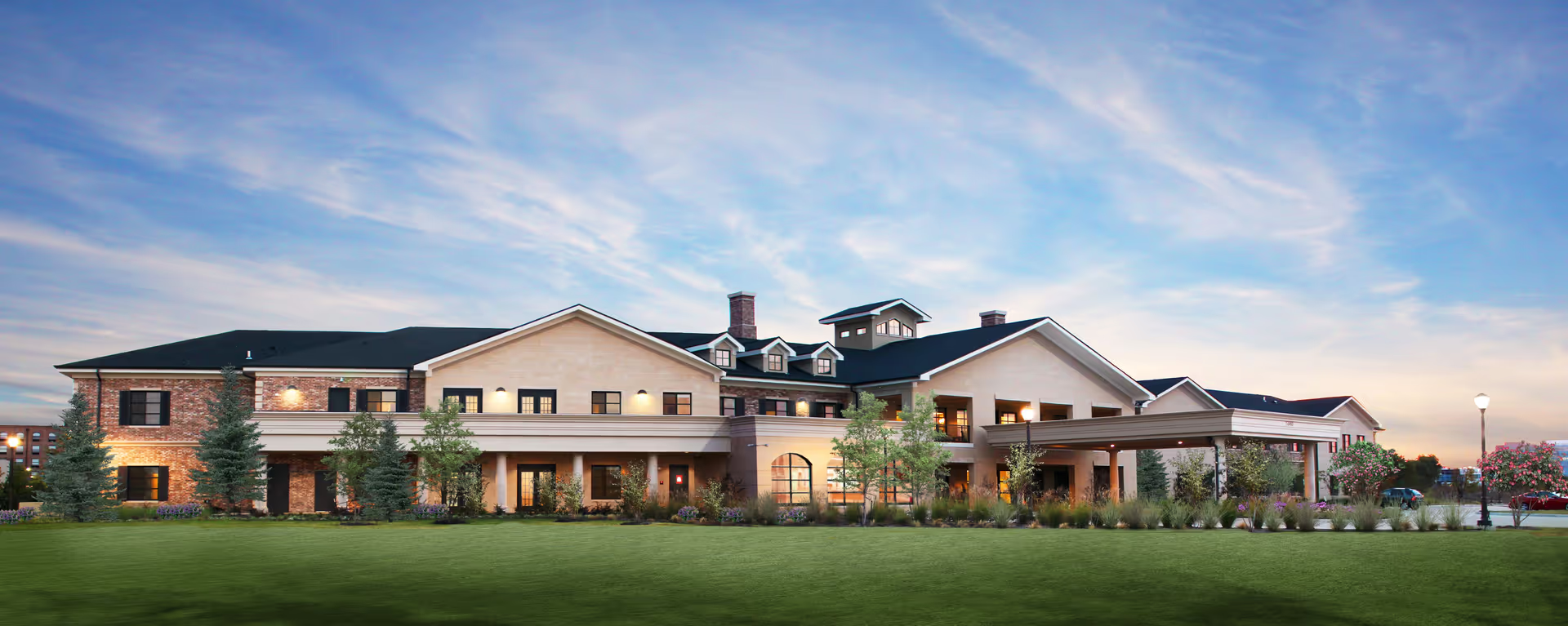
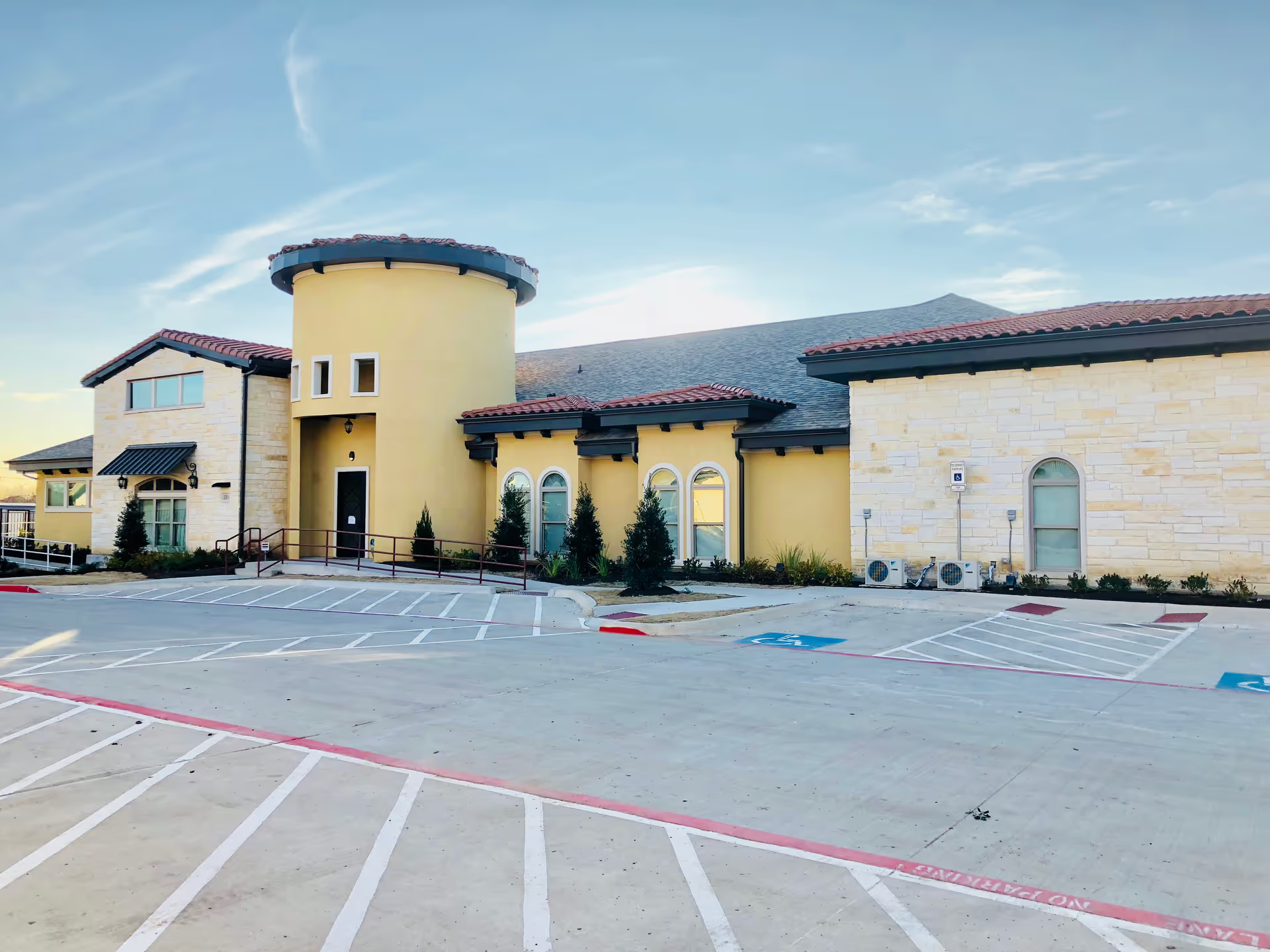
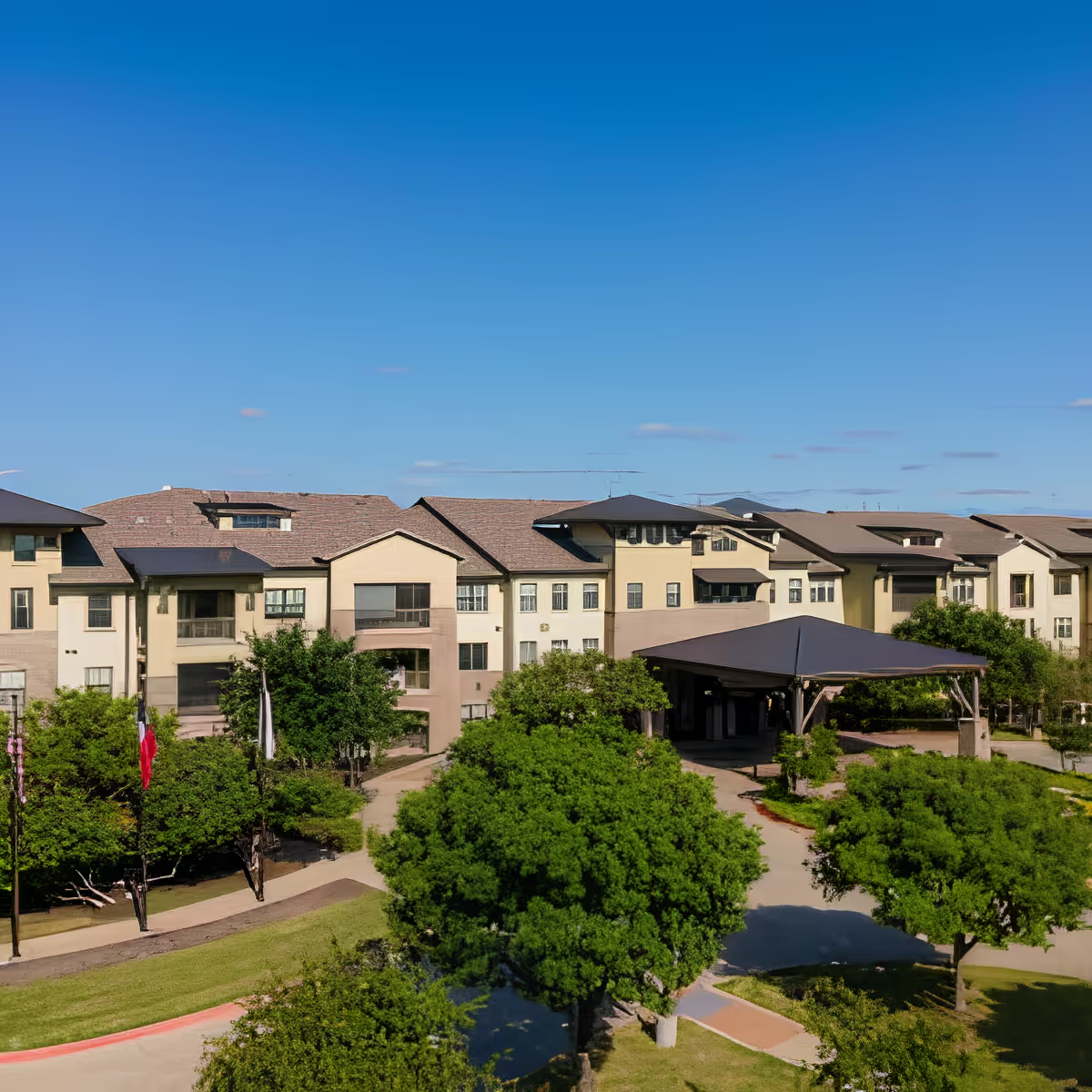
Facilities and logistics: The physical environment is repeatedly described as clean, spacious, and well maintained, with private suites and large bathrooms. The facility is pet-friendly and offers convenient parking, which many families found practical. However, transportation and distance were a barrier for some—long drives and early-morning pickup logistics were noted as challenges for family members who need frequent access.
Management and financial practices: Multiple families commended prompt, helpful onboarding and owner involvement, and some felt the initial pricing offered good value compared with private in-home care. Conversely, others experienced inconsistent administrative communication, unexpected rent increases or differences between verbal promises and written terms, and a lack of formal written notices around price changes. These items suggest process and transparency gaps in billing and administrative follow-up that prospective families should clarify before moving in.
Notable patterns and takeaway: The strongest and most consistent positives are the caregiving staff and the intimate, well-maintained environment—elements that contribute to resident comfort and long tenures. The principal operational weaknesses are administrative responsiveness, billing transparency, variability in dining, and limited activity programming driven by the facility’s small size and resident mix. Families considering this provider should prioritize direct conversations about written contract terms, activity options, meal accommodations, and the facility’s process for clinical escalation and administrative communication.