DaySpring Senior Living is consistently described as a small, faith‑based community with a strong emphasis on compassionate, family‑oriented care. Reviewers regularly cite long‑tenured staff, warm interpersonal relationships, and a community culture that prioritizes spiritual programming alongside daily social activities. Families frequently highlight timely medication administration, good communication from staff and management, and a sense of relief from knowing residents receive regular attention.
Care quality and staffing receive broadly positive commentary: caregivers are characterized as kind, patient, and responsive, and many families report strong partnerships with staff. At the same time, there are indications of variability in staff training and occasional shortfalls in coverage, particularly on weekends; a few notes raise concerns about memory‑care staffing consistency. Prospective families should ask specific questions about staffing ratios, weekend coverage, and memory‑care training during a tour.
Dining and nutrition are highlighted as strengths by many residents — with diet‑conscious menus, low‑sodium options, healthy snacks, and some very favorable accounts of food quality — although a minority of comments reference uneven meal quality or an initial period of menu adjustment. Activity programming is a clear asset: the community offers daily exercise classes, crafts, live entertainment, outings to galleries and museums, social events (bingo, card games, ice‑cream socials), and an activities point system. Spiritual and devotional activities are prominent and well integrated into the calendar.
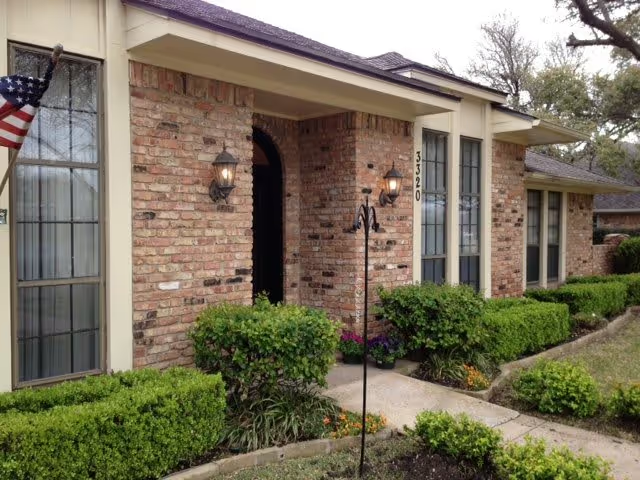
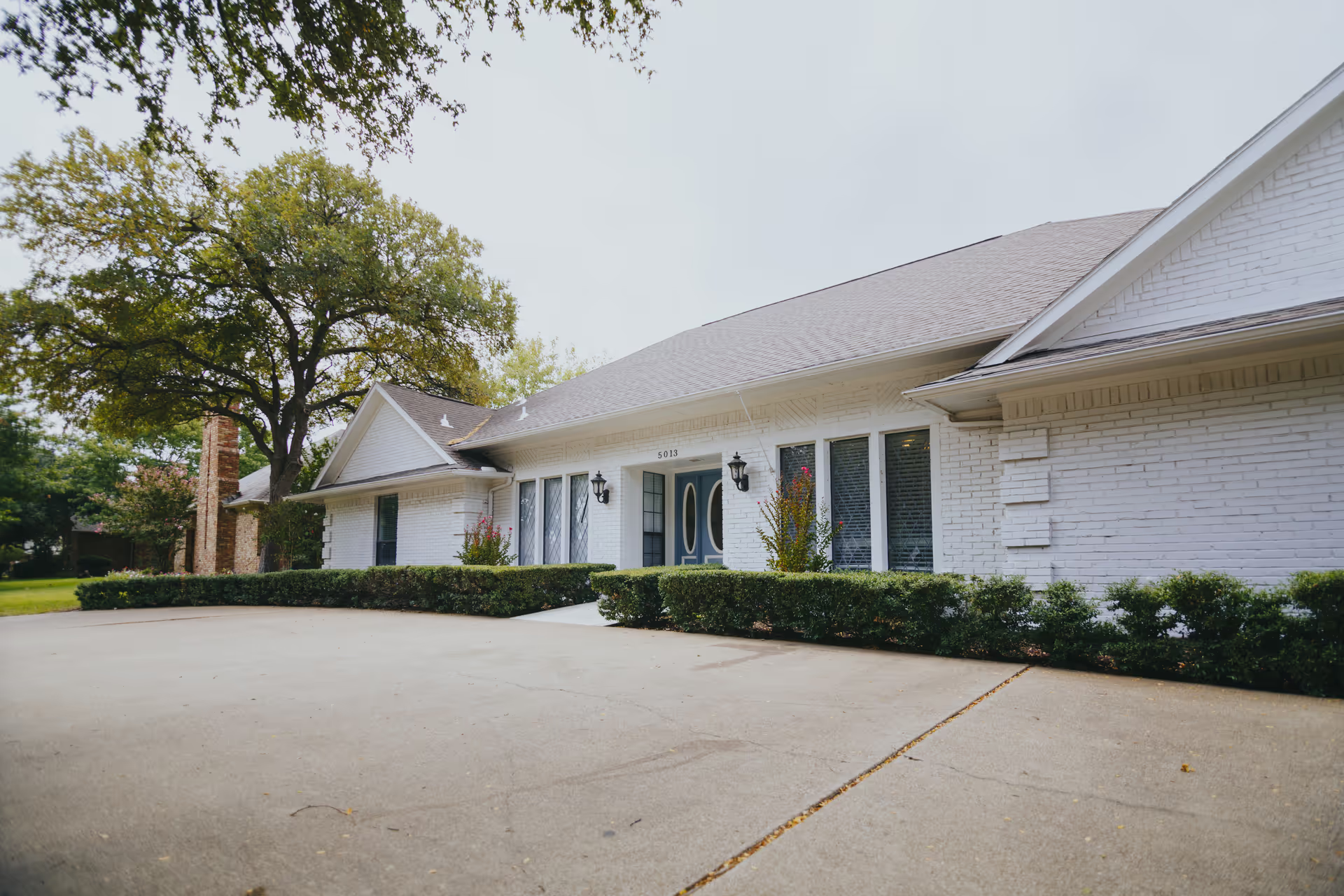
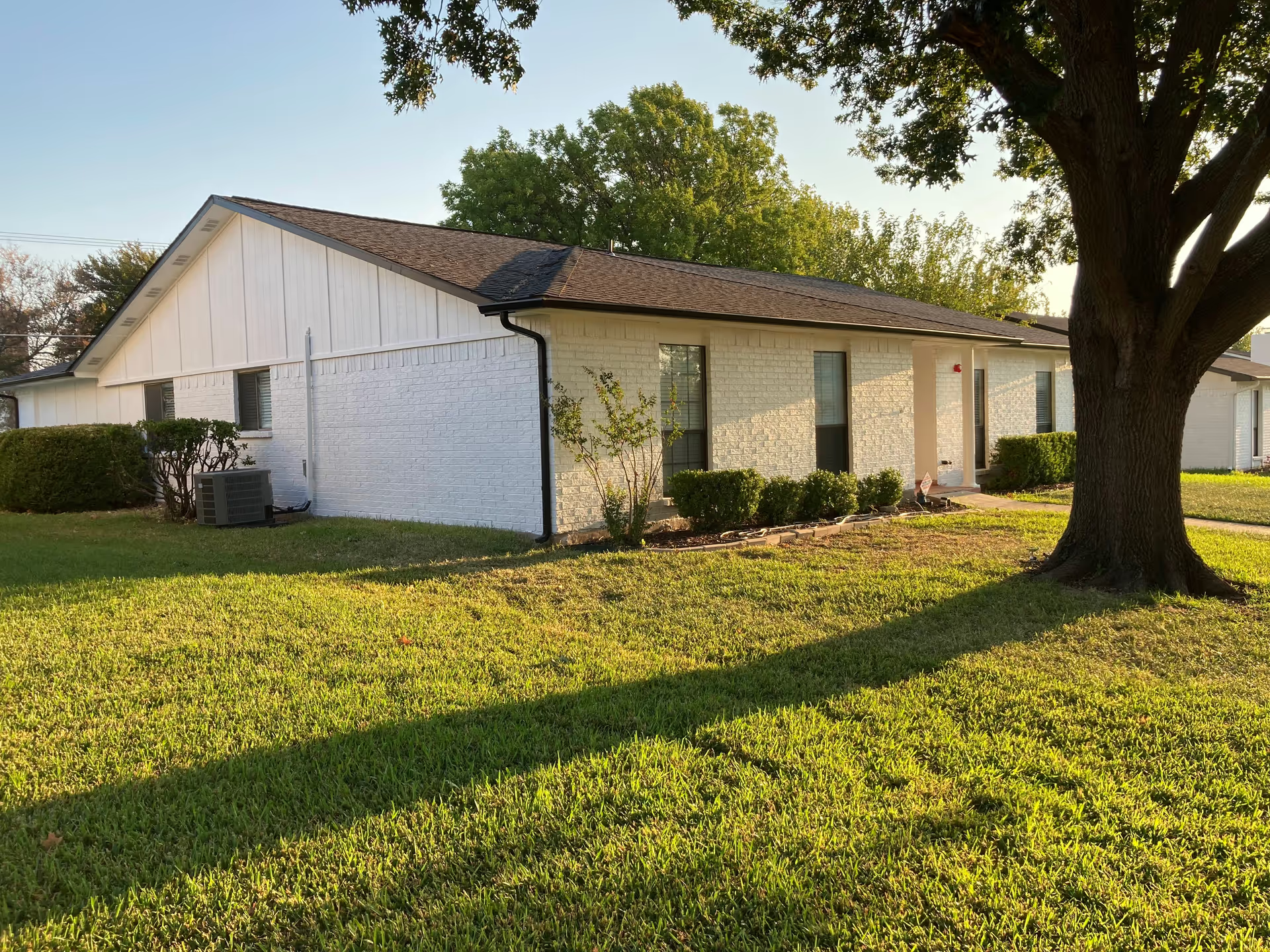
Facilities are generally described as clean, well maintained, and homey. The single‑level layout, accessible outdoor garden/patio areas, multiple communal rooms, and on‑site amenities (salon, library, gym) support daily life and social engagement. However, the building is older in places and some units are compact with limited storage; outdoor spaces are functional but not expansive. The secure memory‑care unit and dementia‑specialized services are seen as positive features, though families should verify training and staffing specifics for higher‑acuity needs.
Management and operations elicit mixed but mostly favorable impressions: many families praise responsiveness, strong communication during COVID, and nonprofit reinvestment of funds into care and staffing. A minority of reviewers express concerns about management consistency or specific training gaps; paired with occasional comments about higher pricing, this suggests prospective residents should discuss contract terms, fee structures, and oversight processes. Transportation is available but limited in schedule, which may affect appointment and outing planning.
Overall, DaySpring presents as a well‑kept, community‑oriented assisted‑living option with notable strengths in staff continuity, activities, spiritual life, and cleanliness. The main tradeoffs to evaluate during a visit are room size and storage, staffing coverage at all hours (especially weekends and memory care), the degree of religious programming desired, and comparative cost. A focused tour that reviews staffing plans, memory‑care competencies, dining samples, and room measurements will help determine fit for individual needs.