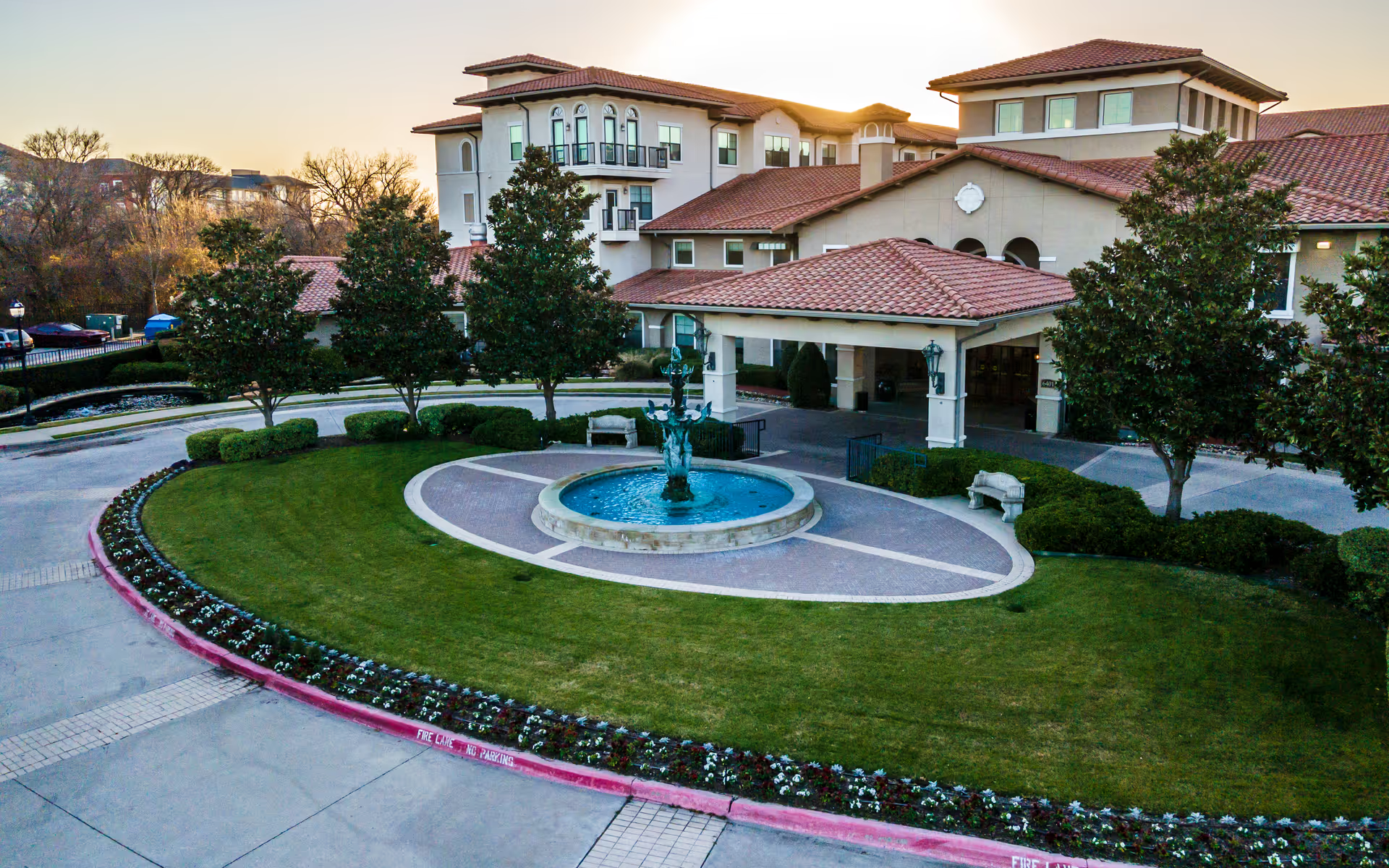
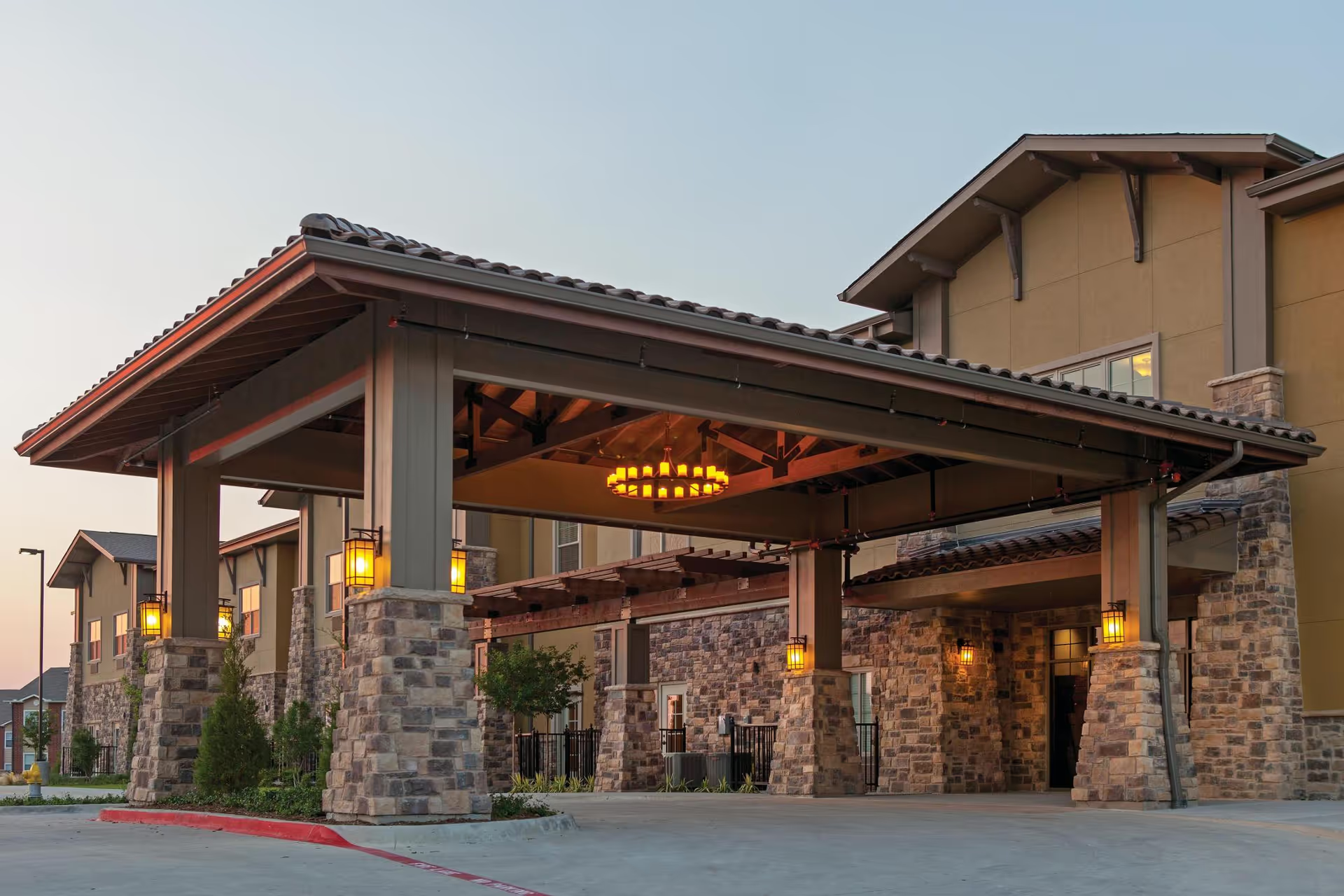
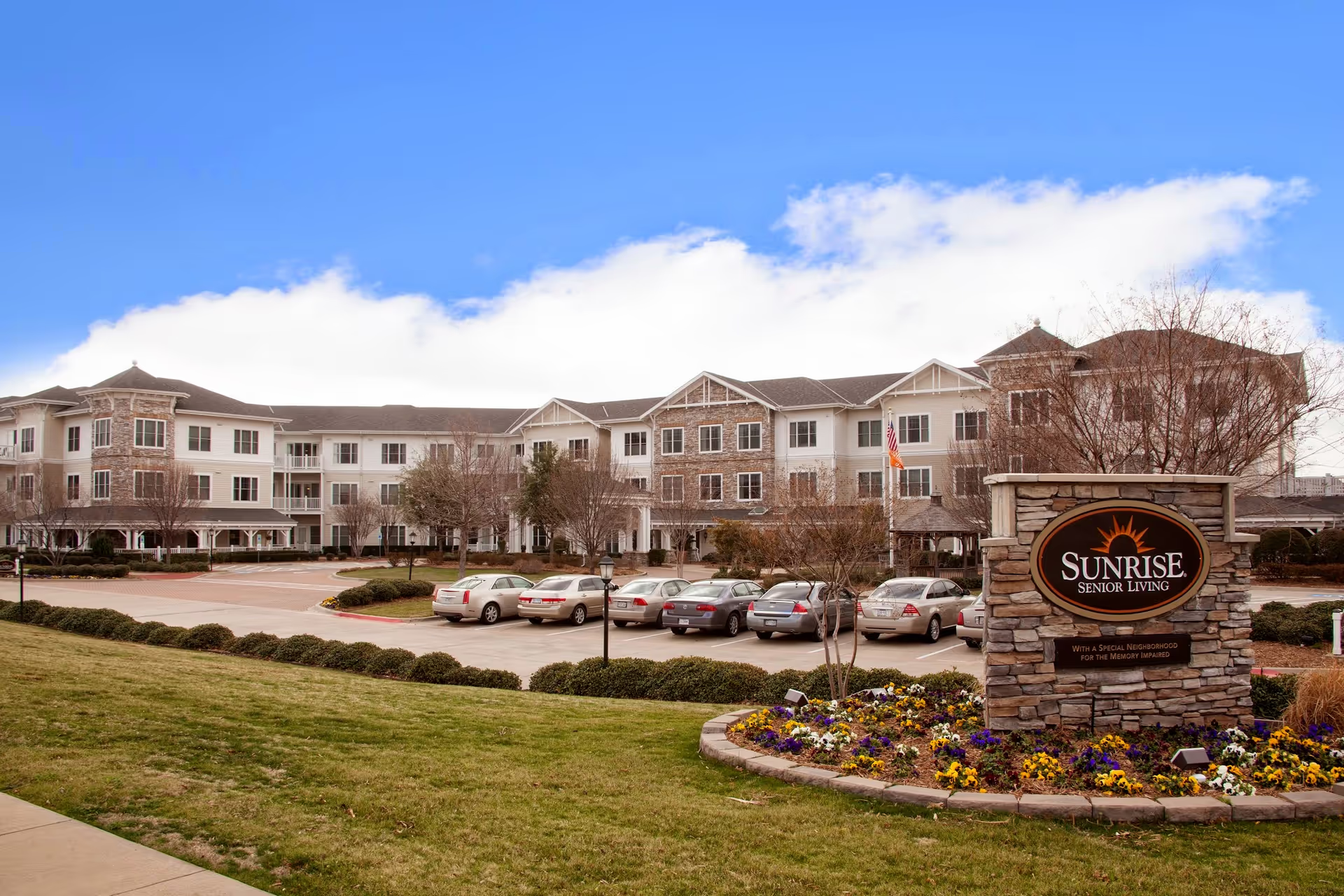
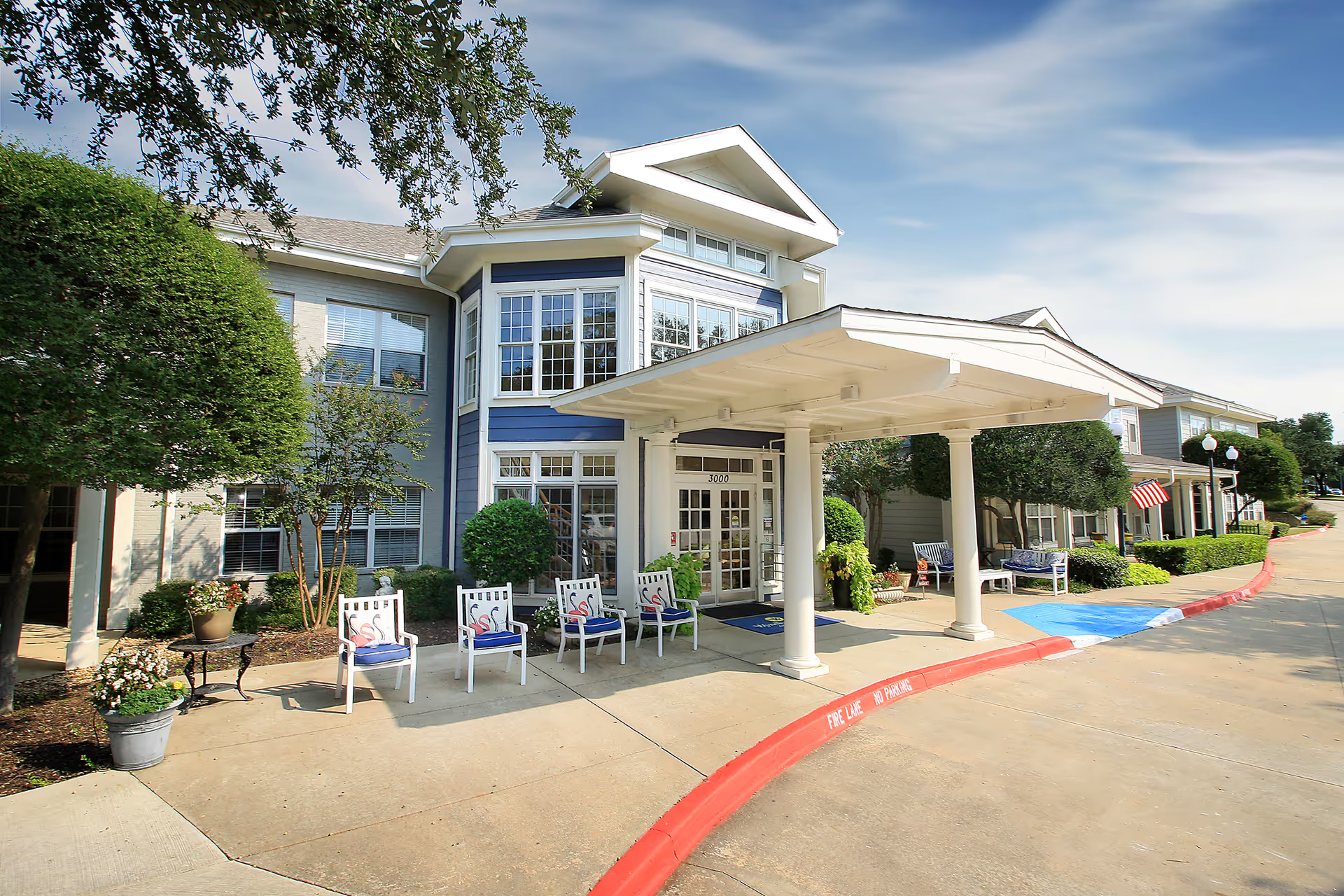
HarborChase of Plano presents as an upscale, well‑appointed assisted living and memory‑care community with strong hospitality features. Many families describe a modern, hotel‑like environment with tasteful common areas, multiple dining venues, and resort-style amenities such as a gym, salon, bar, and private dining. The facility's activity program is frequently described as varied and energetic, with an active activities director and regular off‑campus excursions. Several accounts emphasize move‑in support, personalized meal accommodations, and ongoing director updates that contribute to a family‑friendly experience.
Staffing and direct caregiving are a clear strength for many residents: numerous comments highlight compassionate, attentive caregivers, long‑tenured leadership, and 24‑hour nursing availability. These elements are tied to positive outcomes for residents who thrive socially and clinically, and reviewers frequently attribute improved mood and engagement to the caregiving team. Memory‑care programming and Parkinson's‑specific engagement are also noted positively in multiple accounts.
However, a pattern of operational concerns emerges alongside the praise. Medication administration and documentation inconsistencies are the most serious recurring theme; a subset of reviewers allege mishandling or missed doses and inconsistent recordkeeping. Staffing instability — including turnover and periodic understaffing — appears to contribute to variable responsiveness, gaps in care tasks (for example, inconsistent assistance with showers or getting residents to meals), and safety worries such as falls or inadequate supervision during transitions. Management responsiveness is uneven in some reports: while several families describe open, communicative leadership, others report delays in issue resolution and billing or communication difficulties.
Dining is generally described as a highlight due to a knowledgeable chef and an expansive menu; many reviewers praise scratch cooking and restaurant‑quality meals. At the same time, there are recurring notes about meal timing and temperature control (cold or late plates) and occasional inconsistency in delivery to residents who require assistance. Activities are plentiful and well‑received by many residents, though a number of families indicate that higher‑functioning residents in memory care receive fewer tailored options and could benefit from more specialized programming.
Facility‑level issues include occasional sanitation and pest‑control concerns, inconsistent housekeeping and laundry completion, limited storage space in smaller apartment layouts, and lack of covered parking. Some move‑in experiences cited unfinished repairs and privacy‑protocol lapses. Billing and financial‑administration errors were also singled out as an operational weakness in some accounts.
Taken together, HarborChase of Plano offers strong physical amenities, chef-driven dining, and many examples of dedicated caregiving and engaged programming. Prospective residents and families should balance those strengths against the documented operational concerns by asking targeted questions during a tour: inquire about medication‑administration protocols and audits, staff‑to‑resident ratios and turnover metrics, dementia‑specific activity plans for higher‑functioning residents, housekeeping and pest‑control procedures, meal delivery timing practices, storage and parking options, and billing reconciliation processes. Verifying recent references and observing mealtime and medication administration during a visit can help clarify whether the facility’s day‑to‑day operations align with the generally positive atmosphere described by many families.