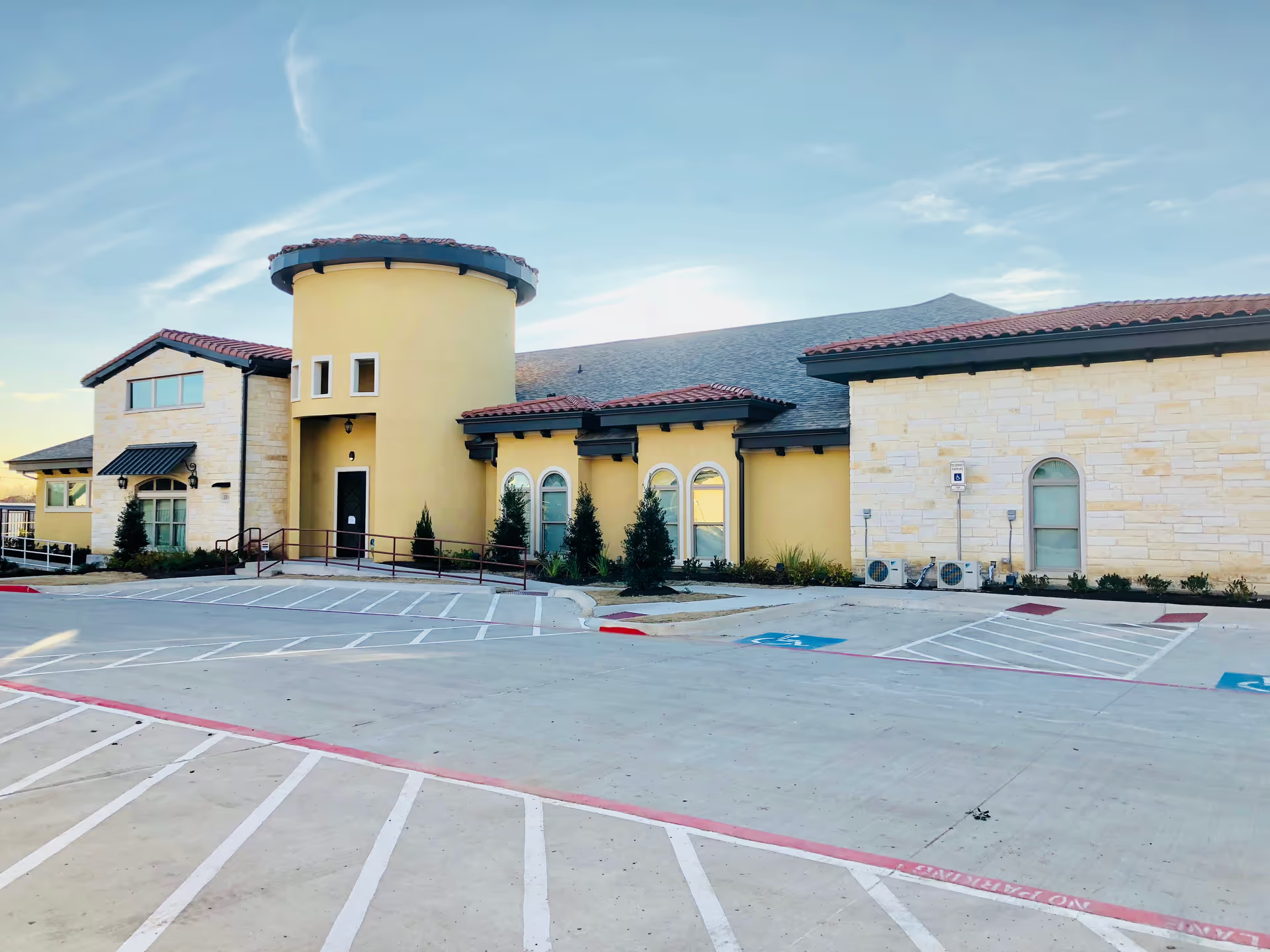
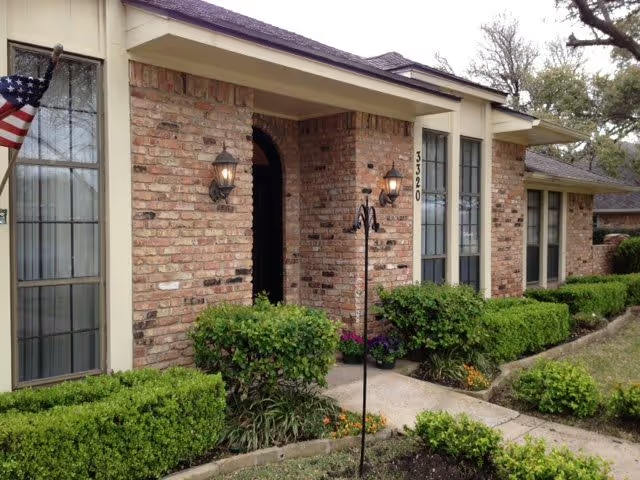
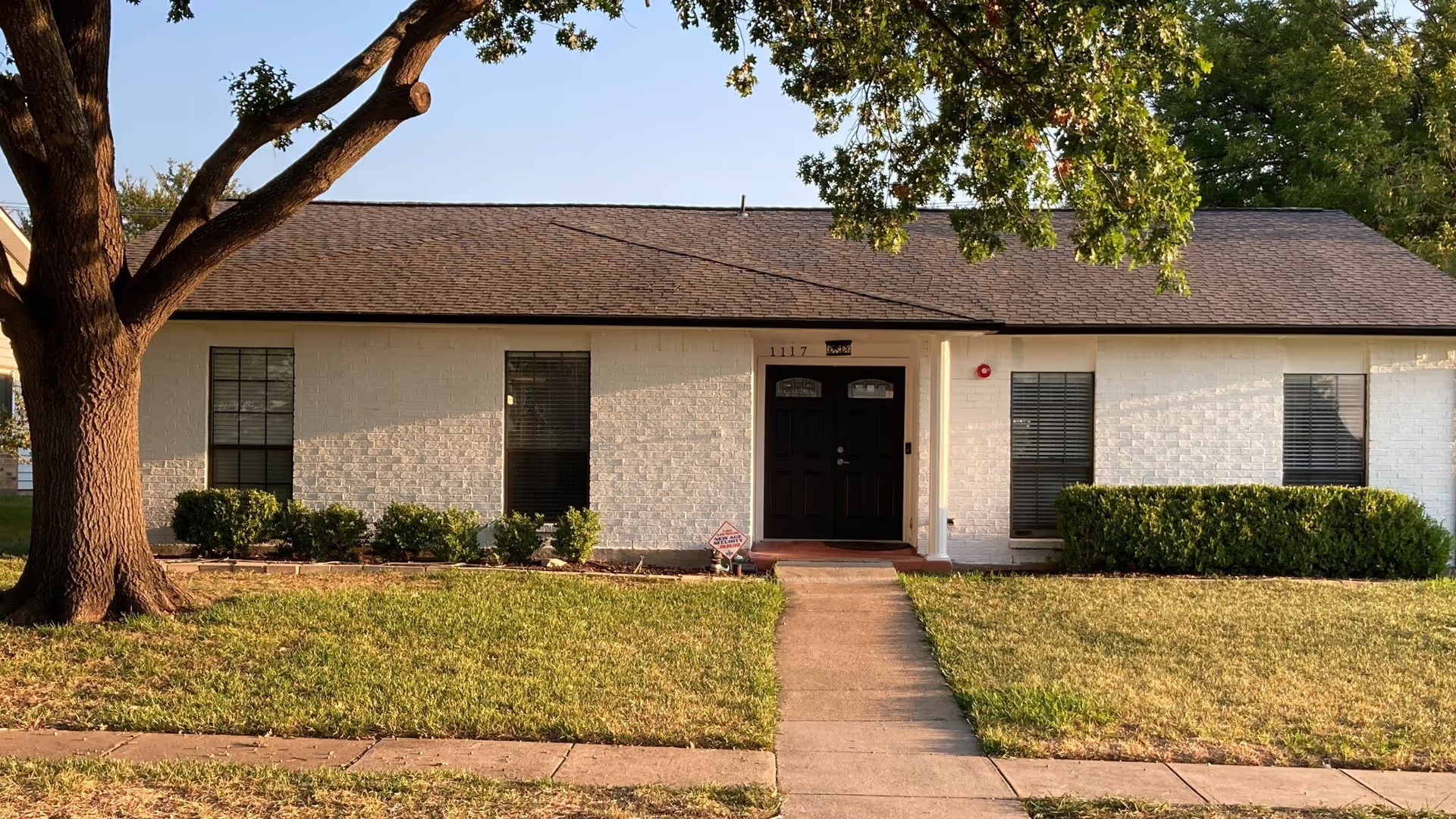
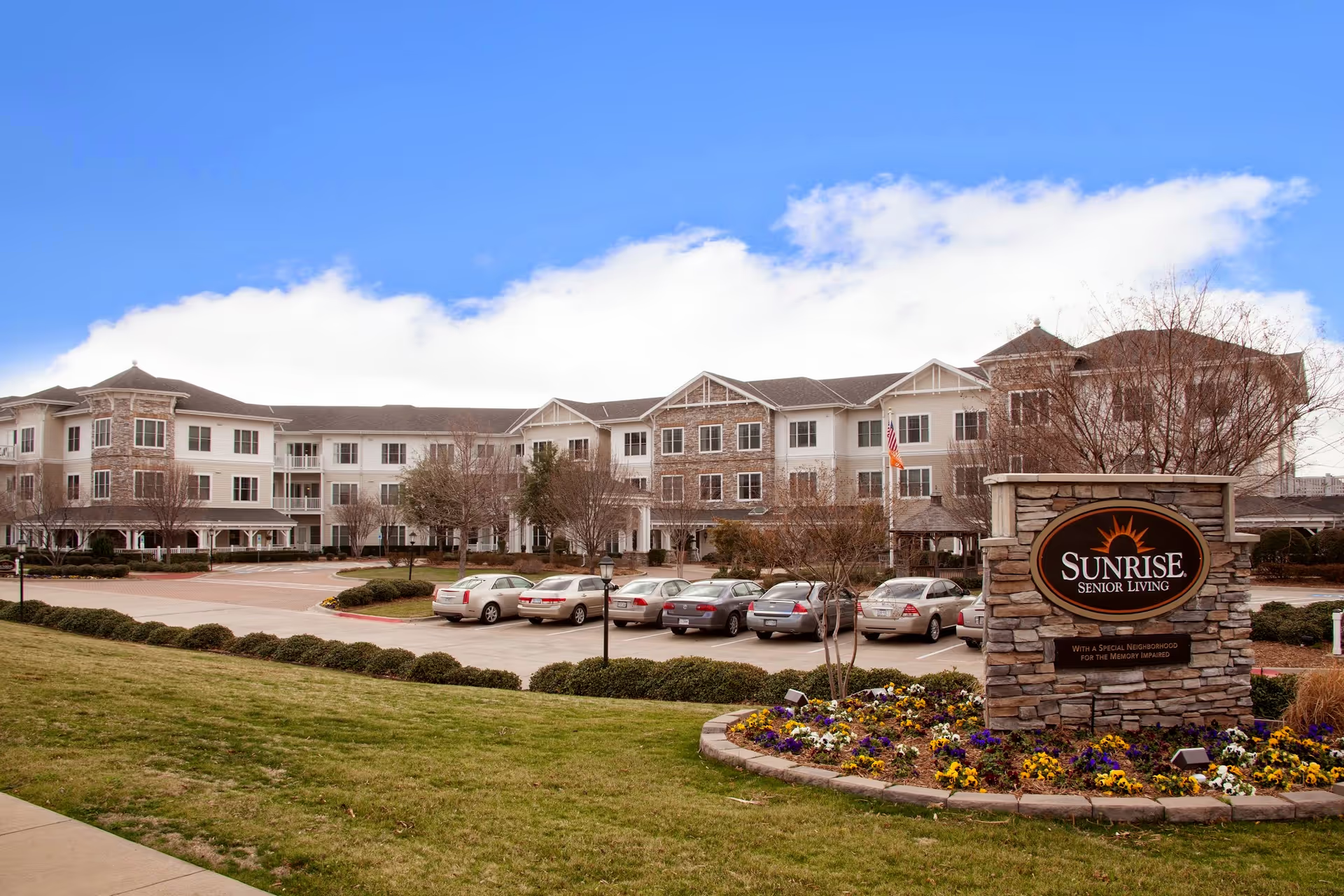
Spring Creek Assisted Living is portrayed as a warm, home‑style community with several operational strengths alongside notable areas for improvement. Many families emphasize the facility’s compassionate culture: leadership is frequently described as accessible and hands‑on, and a number of staff members — from reception to nursing and wellness personnel — receive praise for personalized, respectful interactions and active family engagement. Physical features earn positive remarks as well; the community has undergone renovations, offers attractive outdoor courtyard and garden spaces, and provides customizable resident rooms that contribute to a homelike environment.
Care quality is a mixed picture. Positive elements include individualized attention, hospice support, on‑site therapy services (PT/OT), and weekly physician rounds; these contribute to continuity for residents with complex needs. At the same time, reviewers raised operational concerns that affect care consistency: staffing levels and caregiver turnover have weakened continuity of assignments, and there are recurring comments about gaps in medication administration and in how clinical incidents are managed and communicated to families. Families considering Spring Creek should clarify current staffing patterns, medication protocols, and incident‑response procedures during tours.
Dining and programming receive varied feedback. The community offers social dining, diverse menus, and active programming including exercise, church/Bible study, Bingo, and volunteer‑led spiritual support. Several reviewers found the food appealing and the activity schedule engaging; however, others described inconsistent meal quality and seasoning, and a desire for more robust evening and weekend programming. Prospective residents and families may want to sample meals and observe activities at different times, including weekends and evenings, to assess consistency.
Facility operations and safety are another dual theme. The campus is frequently described as clean, renovated, and pleasant, with thoughtful outdoor areas. Counterbalancing that, reviewers noted instances of rooms not being ready on move‑in, inconsistent housekeeping follow‑through, and occasional lapses in front‑desk coverage that raised concerns about building access and supervision. Memory‑care areas are identified as a dedicated unit, but some comments indicate variability in staffing and activity intensity between the assisted‑living and memory‑care sides.
Management and pricing impressions are similarly mixed. Several families commend the executive director and local leadership for responsiveness and individualized attention, and many cite good value at the community’s base price. Others raise concerns about difficult sales interactions and a pricing structure that can rise materially once additional care levels are needed. Communication and post‑move follow‑up were praised by some and described as uneven by others; confirming expectations for post‑move outreach and written cost projections will help reduce surprises.
Overall, Spring Creek presents as a community with strong relational strengths, appealing grounds, and clinical resources that suit families seeking a home‑like setting with therapy and medical oversight. The most consistent operational cautions relate to staffing continuity, medication/incident management, housekeeping consistency, front‑desk coverage, and variable meal/program consistency. Prospective residents and families should prioritize in‑person checks of staffing continuity, medication protocols, front‑desk coverage, weekend programming, and final pricing at the level of care likely to be required.