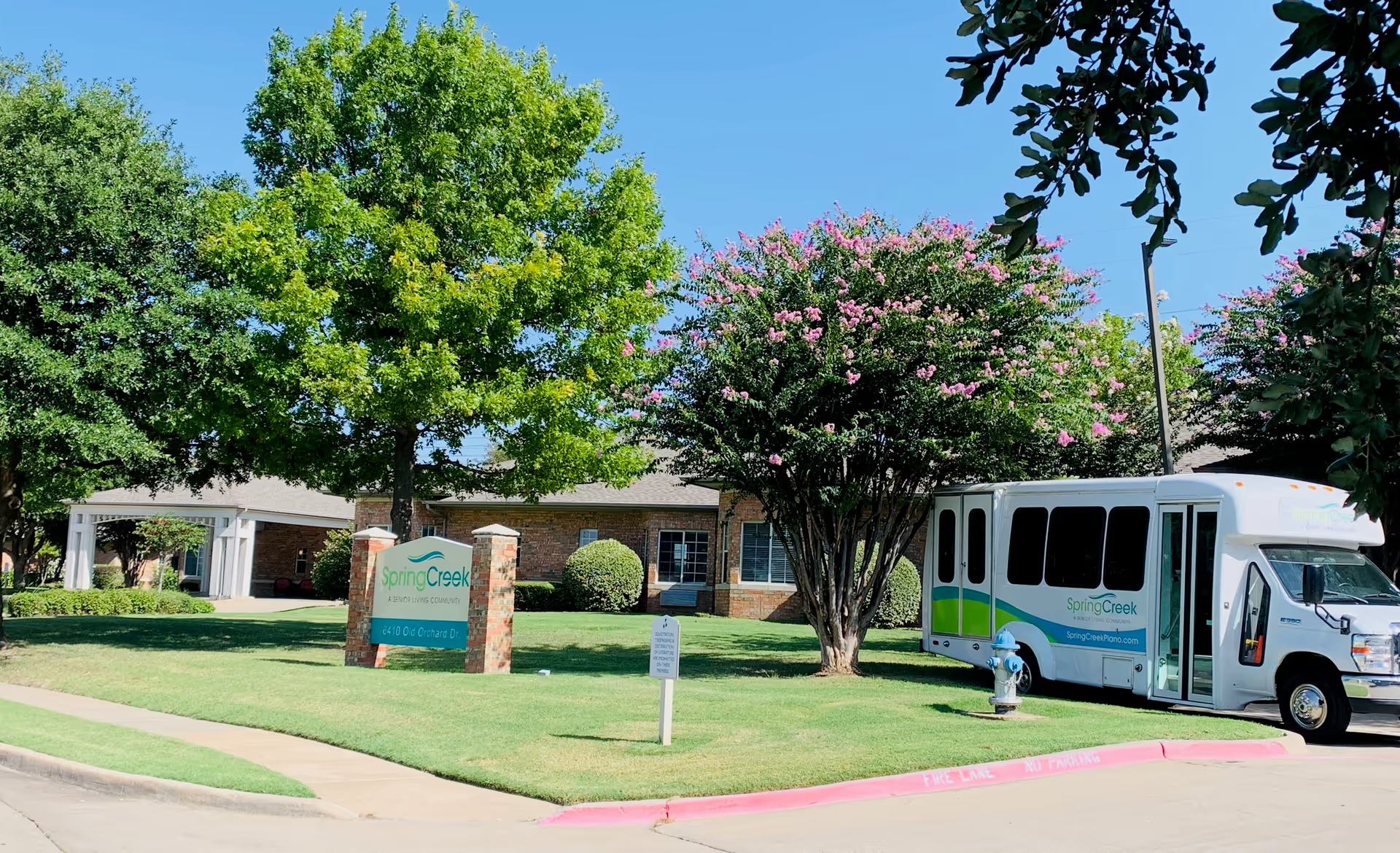
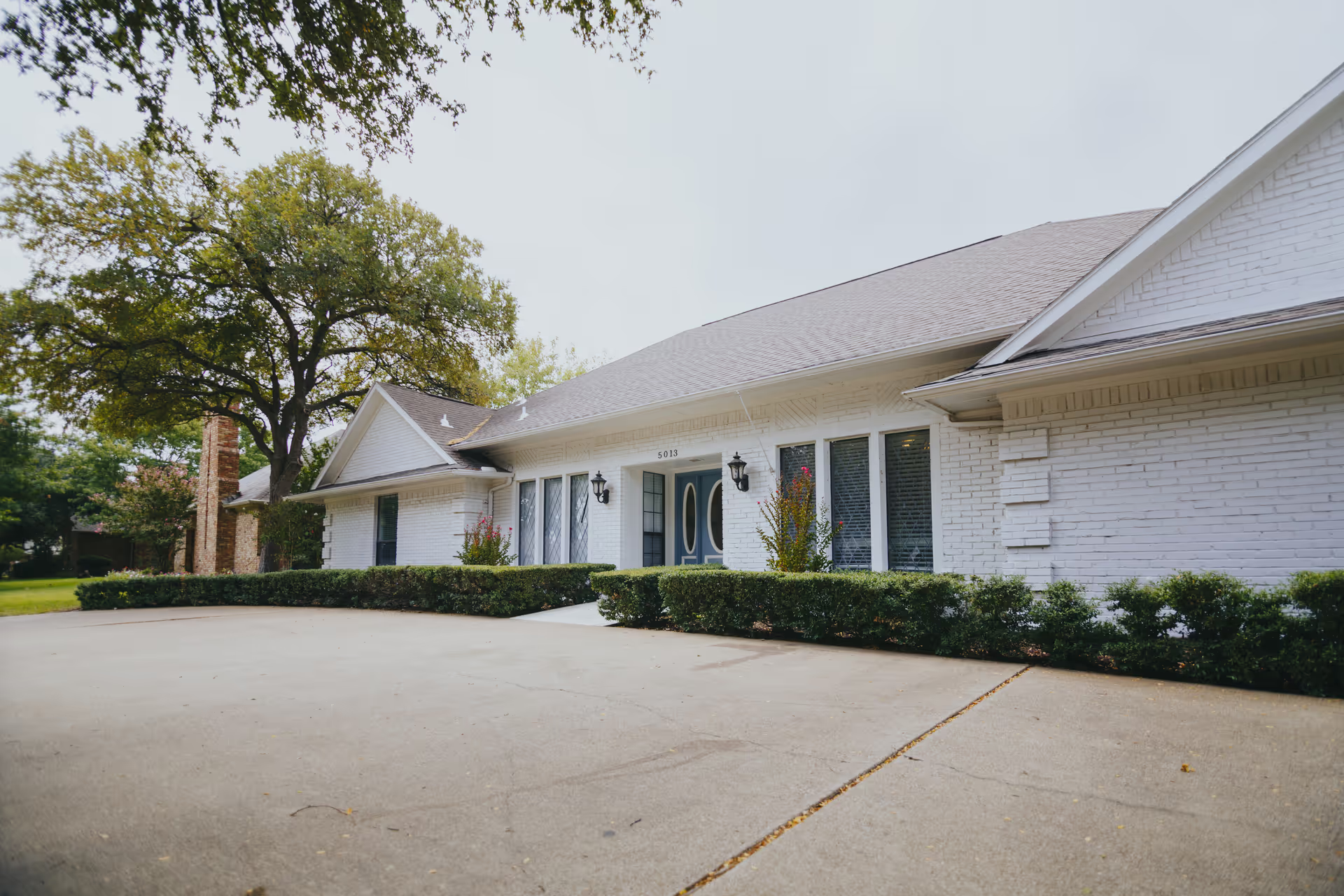
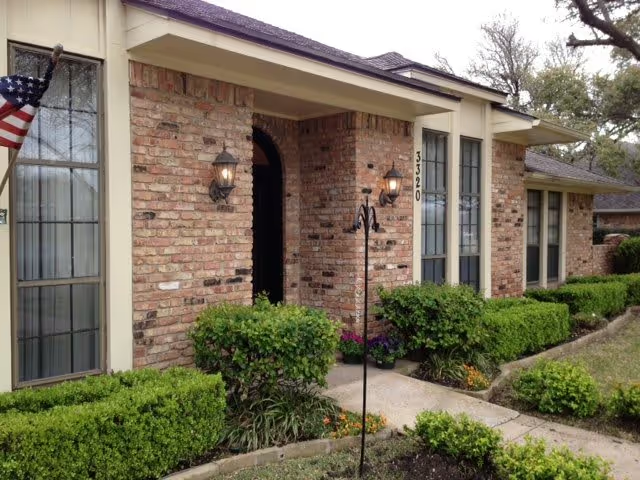
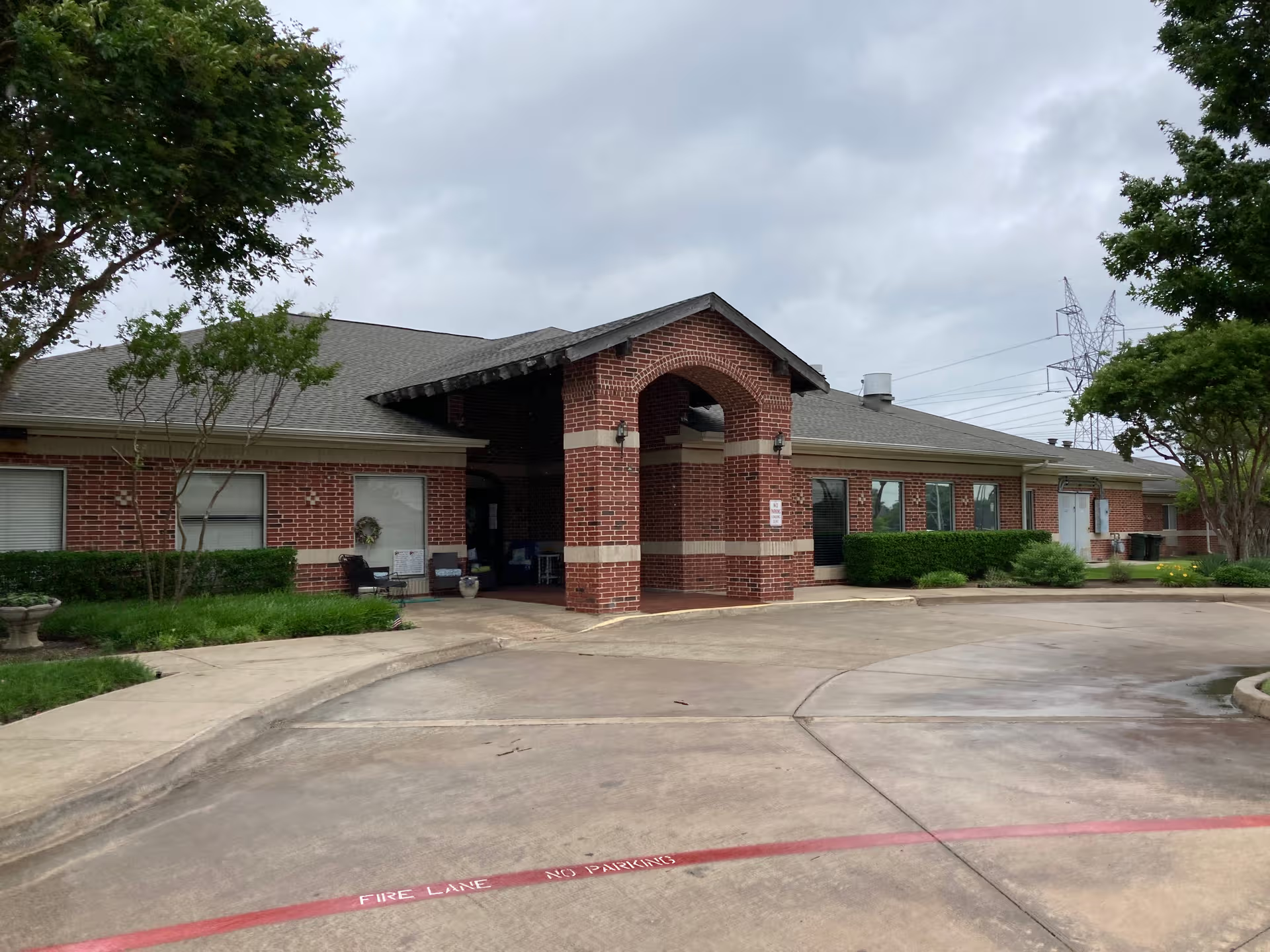
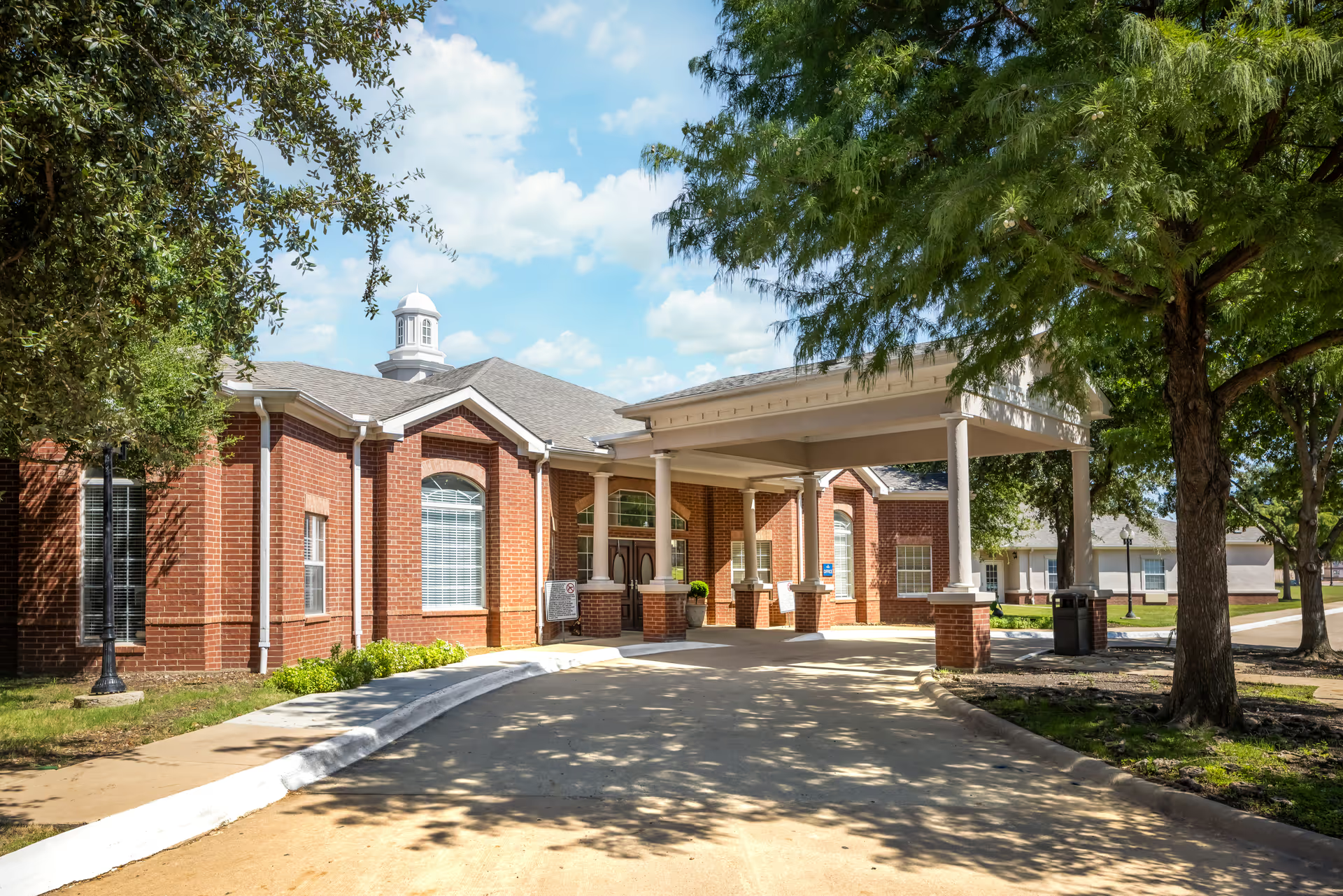
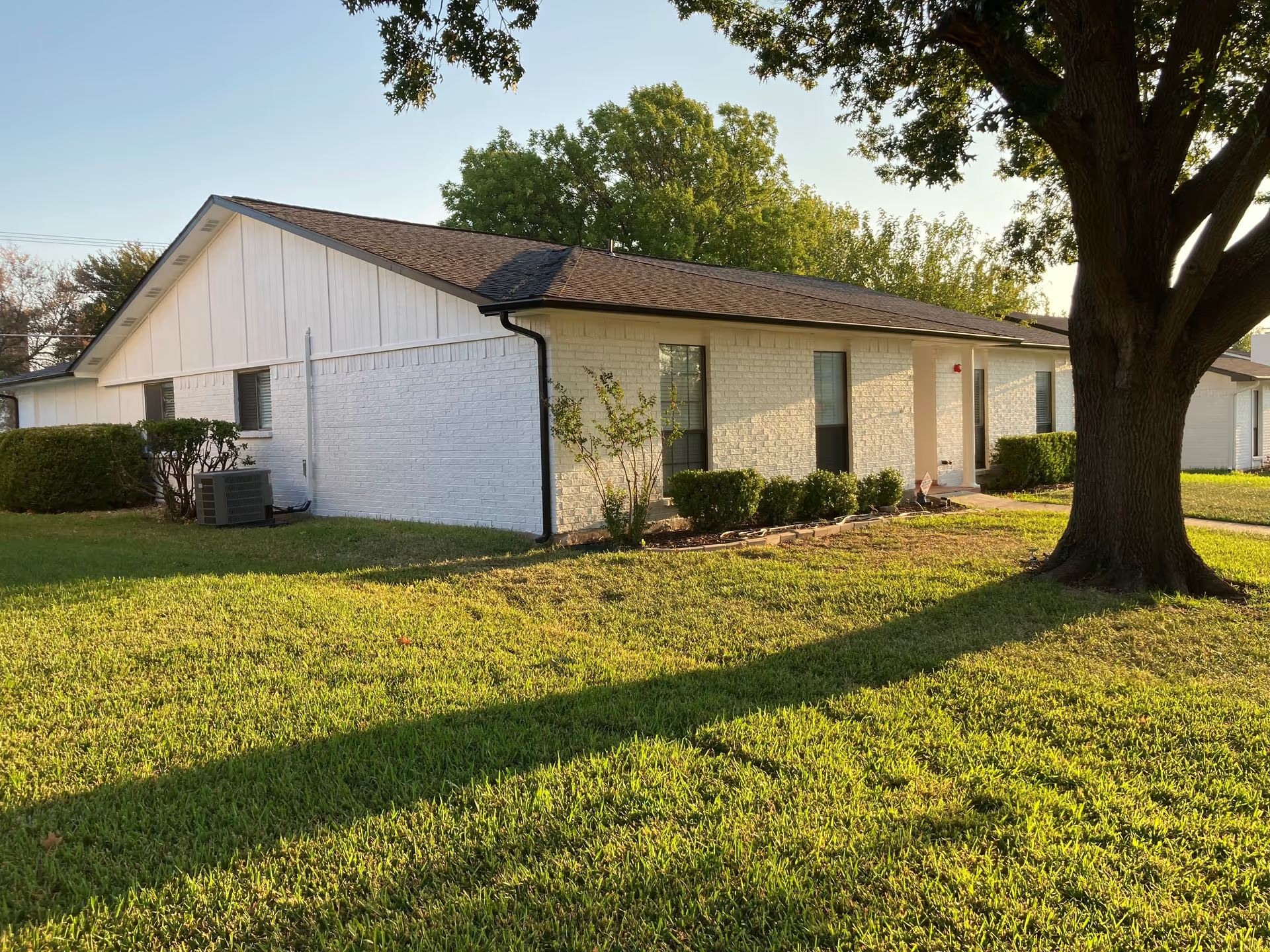
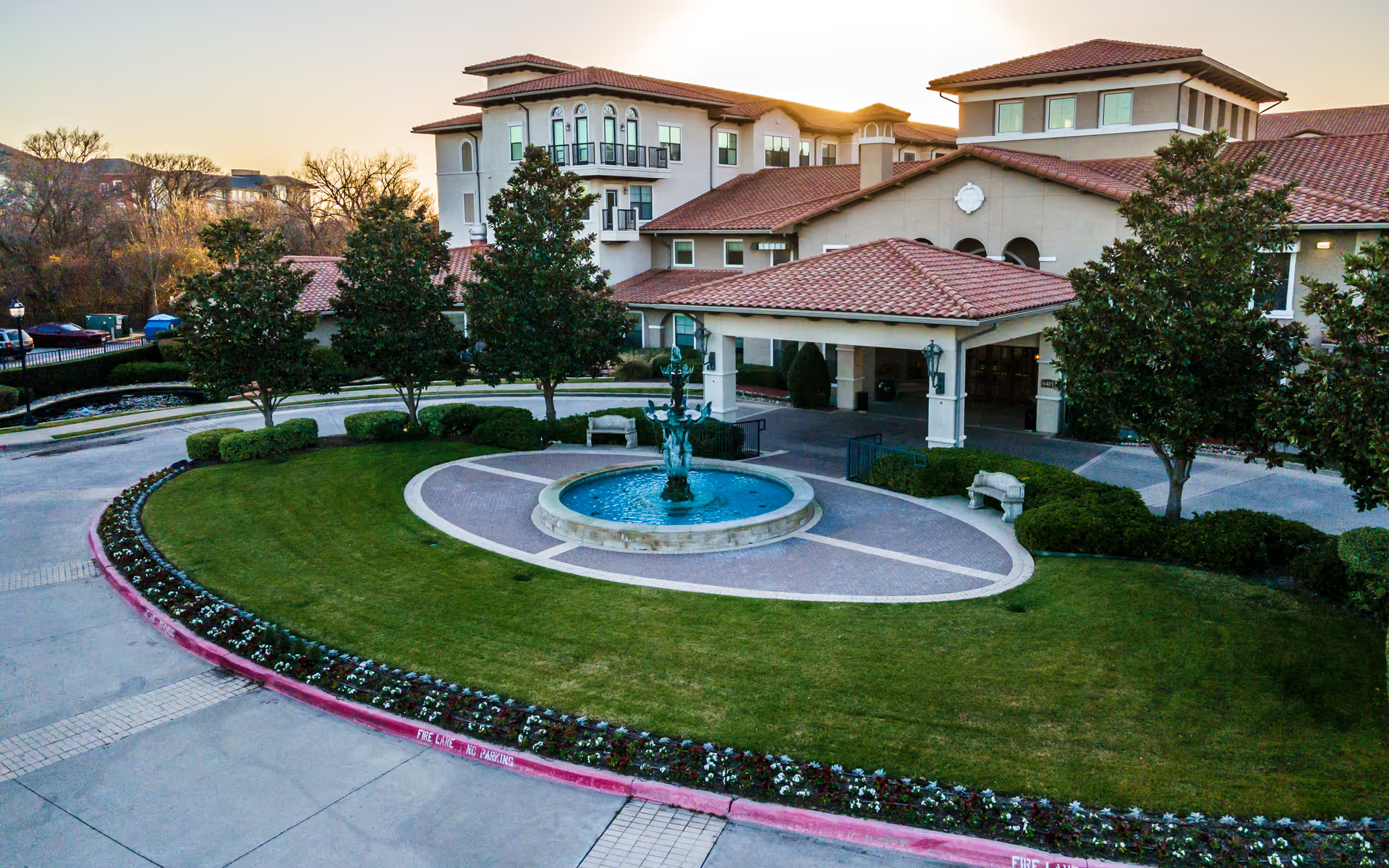
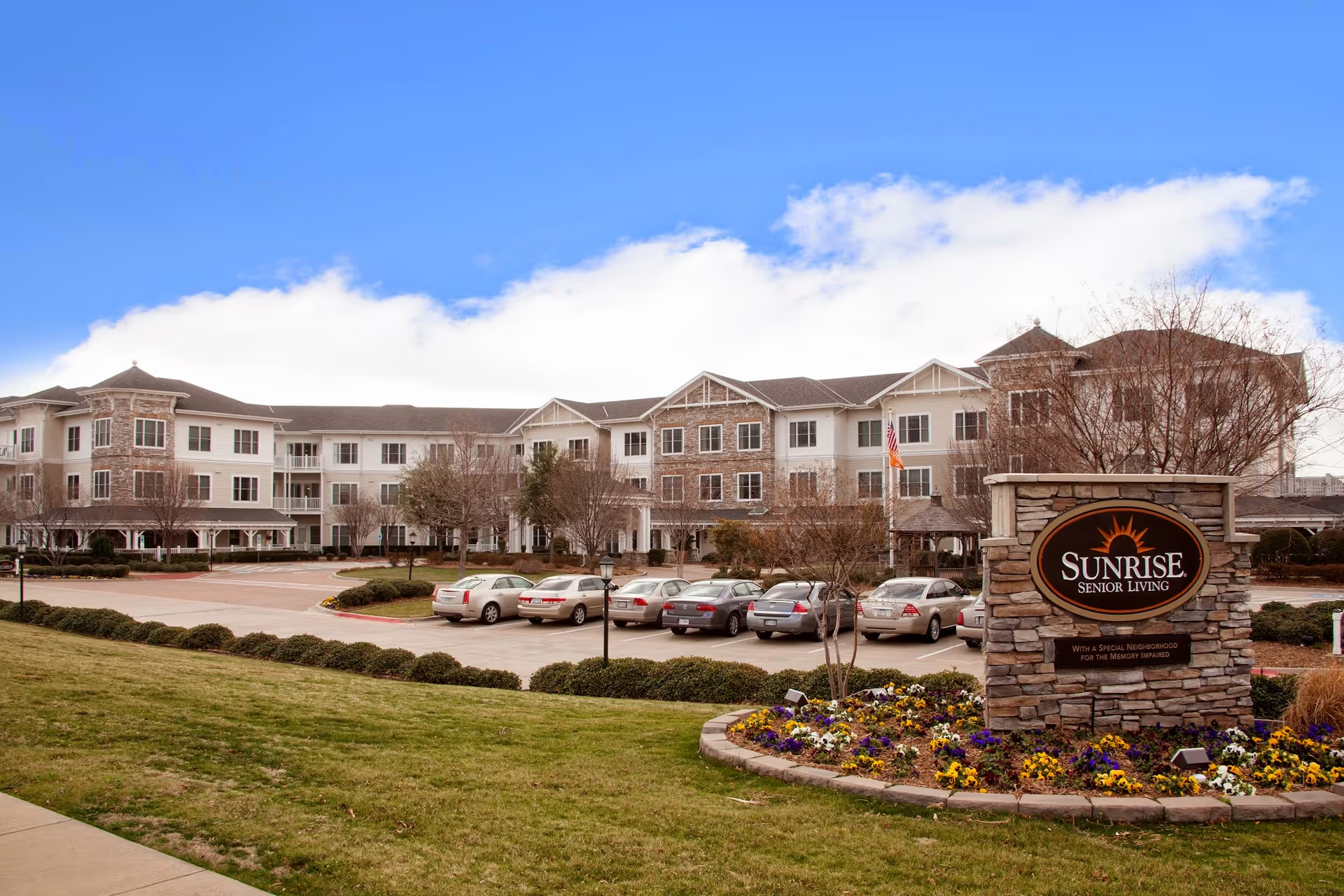
The reviews portray a facility with clear strengths in resident-centered culture and amenities alongside recurring operational weaknesses. Many families describe a warm, home-like environment supported by caregivers who are attentive, compassionate, and willing to provide individualized attention. Memory-care programming, engagement activities (live music, crafts, outings, Spark and cooking classes), and an active schedule of social events are frequently highlighted. The facility’s physical environment is often praised as clean, bright, and modern, with spacious rooms, secure outdoor areas, and a boutique or resort-like feel that contributes to resident comfort and social engagement.
Dining and hospitality are a notable positive for many families: an on-site chef, visible kitchen activity, fresh meals, and accommodations (protein shakes, fruit, yogurt, alternate items) for residents with limited appetites or preferences. At the same time, reviewers identify operational trade-offs related to food service—specifically a centralized kitchen model that can produce timing and meal-temperature inconsistencies and a somewhat limited regular menu for some residents.
Staffing and clinical care present a mixed picture. Numerous reviews single out individual staff members and leadership (including director-level staff) for strong, responsive, and family-oriented care, and families note that staffing ratios at times allow for immediate attention and peace of mind. Conversely, the facility also shows patterns of high staff turnover, variable caregiver training and supervision, and periods of understaffing—particularly during certain shifts or nights. These staffing patterns have been linked by reviewers to lapses in clinical oversight, medication-administration concerns, and delays or gaps in timely clinical responses.
Communication and management practices appear inconsistent. Several families praise responsive leadership and transparent communication when available; others describe lapses in incident notification, unclear policy application (visitation and event expectations), and insufficient follow-up after critical events. Maintenance and operations also show variability: while many note a well-kept campus, some reviewers cite infrastructure reliability issues (leaks, temporary hot-water interruptions) and inconsistent housekeeping or linen handling. Finally, pricing and perceived value are a recurring concern for families who feel care or responsiveness does not consistently match cost.
Overall, the facility demonstrates strong person-centered strengths—particularly in memory care programming, social engagement, dining quality, and individual staff dedication—but prospective residents and families should ask targeted operational questions during tours. Recommended inquiries include current nurse/licensed-staff coverage, staff turnover and training protocols, how medication and clinical incidents are managed and communicated to families, meal service logistics (kitchen-to-plate timing and menu flexibility), visitation policies, and recent maintenance remediation efforts. These checks will help clarify whether the facility’s respected strengths are consistently delivered in a given household or unit.