Overall impression: Reviews portray Grand Brook Memory Care of Allen at Twin Creeks as a small, recently opened memory-care community with consistently positive family feedback about daily life, staff interactions, and resident well‑being. The dominant theme is a caregiving culture that emphasizes compassion, personalization, and family inclusion; families describe improved mood and engagement for residents after admission and cite peace of mind as a key outcome.
Care and staff: Families repeatedly praise the caregiving team for attentiveness, training, and a respectful approach to residents. Reviewers highlight individualized attention—staff who know residents’ preferences, celebrate birthdays, and create personalized spaces and portraits. Memory-care expertise is noted, with staff engaging all residents in activities rather than segregating by disease severity, and with several mentions of dignified, family‑supported end‑of‑life care. Long‑tenured employees and accessible leadership are described as contributing to a steady, family‑oriented culture.
Dining, activities, and programming: The programmatic offering is well regarded. Reviewers mention regular, varied activities (including music and garden/yard access), an events coordinator role, and family functions that promote social connection. Meals are characterized as good and well presented, and the community supports virtual and in‑person family contact (FaceTime and text updates were specifically noted). These elements are commonly cited as drivers of resident engagement and improved quality of life.
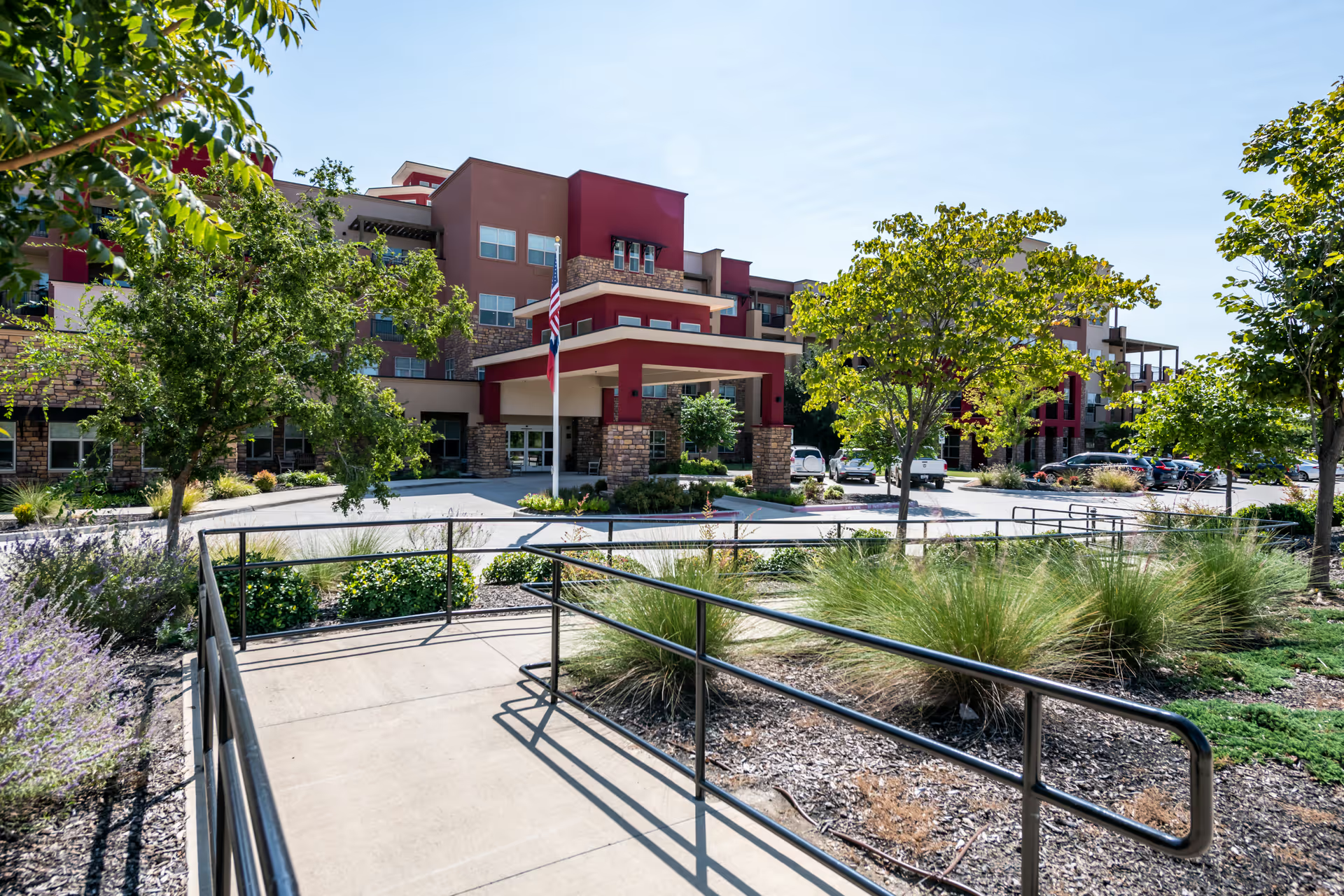
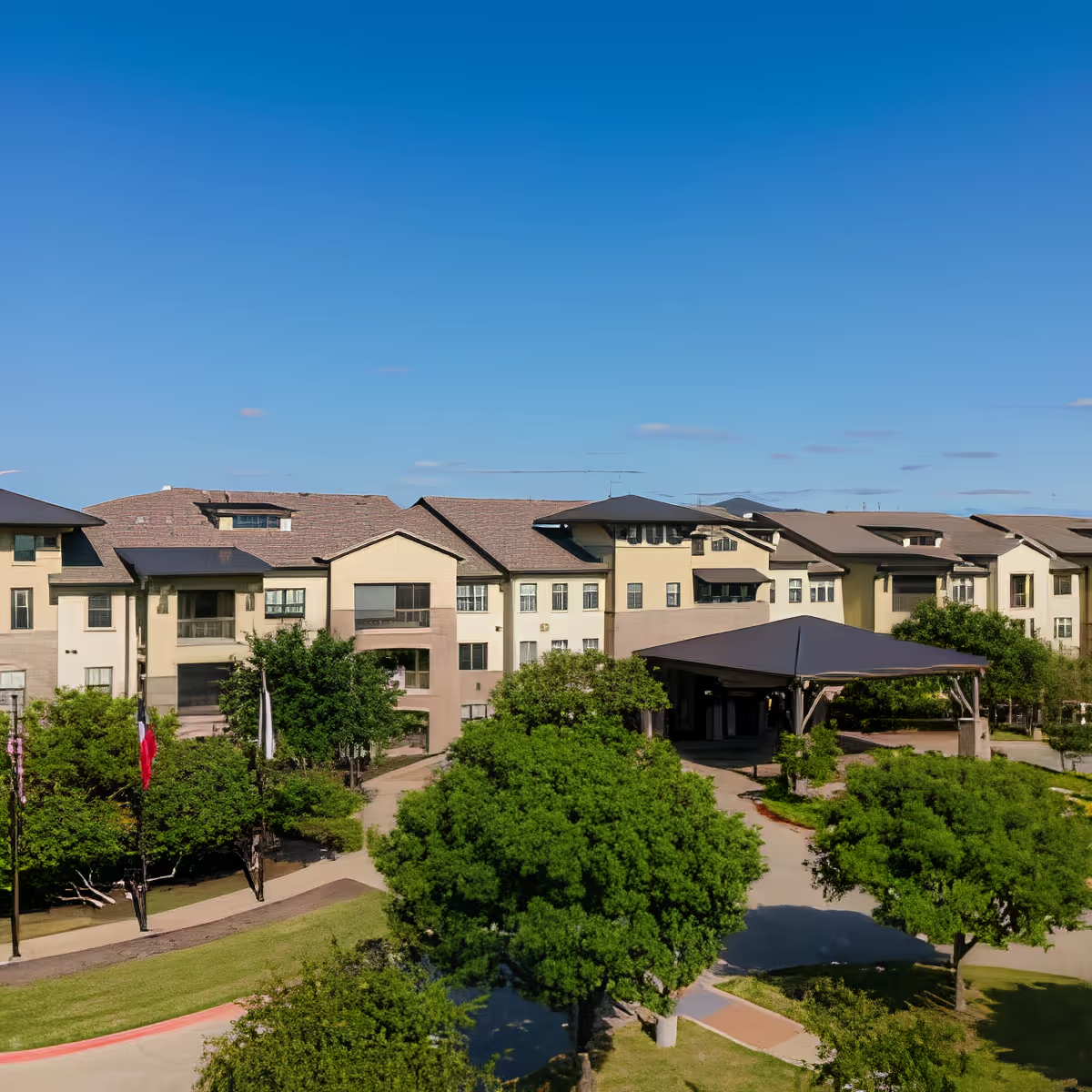
Facilities and operations: The building and grounds receive favorable comments: clean, modern design, open floor plans, a large outdoor courtyard, and comfortable furnishings that contribute to a home‑like atmosphere. Several comments indicate the facility is new and well maintained; a few note minor start‑up issues or “things to work out,” consistent with an early operational phase. Medication and clinical communication are generally described as timely and effective.
Management and notable patterns: Leadership and management presence are frequent positives—directors and administrators are described as approachable and involved. The community is characterized as smaller and more intimate than larger memory-care campuses, which reviewers link to personalized attention and a family feel. Tradeoffs cited by families include premium pricing and the potential for limited availability given community size; some families also noted travel distance as a consideration. Overall, the pattern in the reviews is of a facility that delivers strong, person‑centered memory care with an emphasis on emotional and social needs, while operating as a higher‑cost, boutique‑style option that may still be refining certain operational details associated with a new facility.