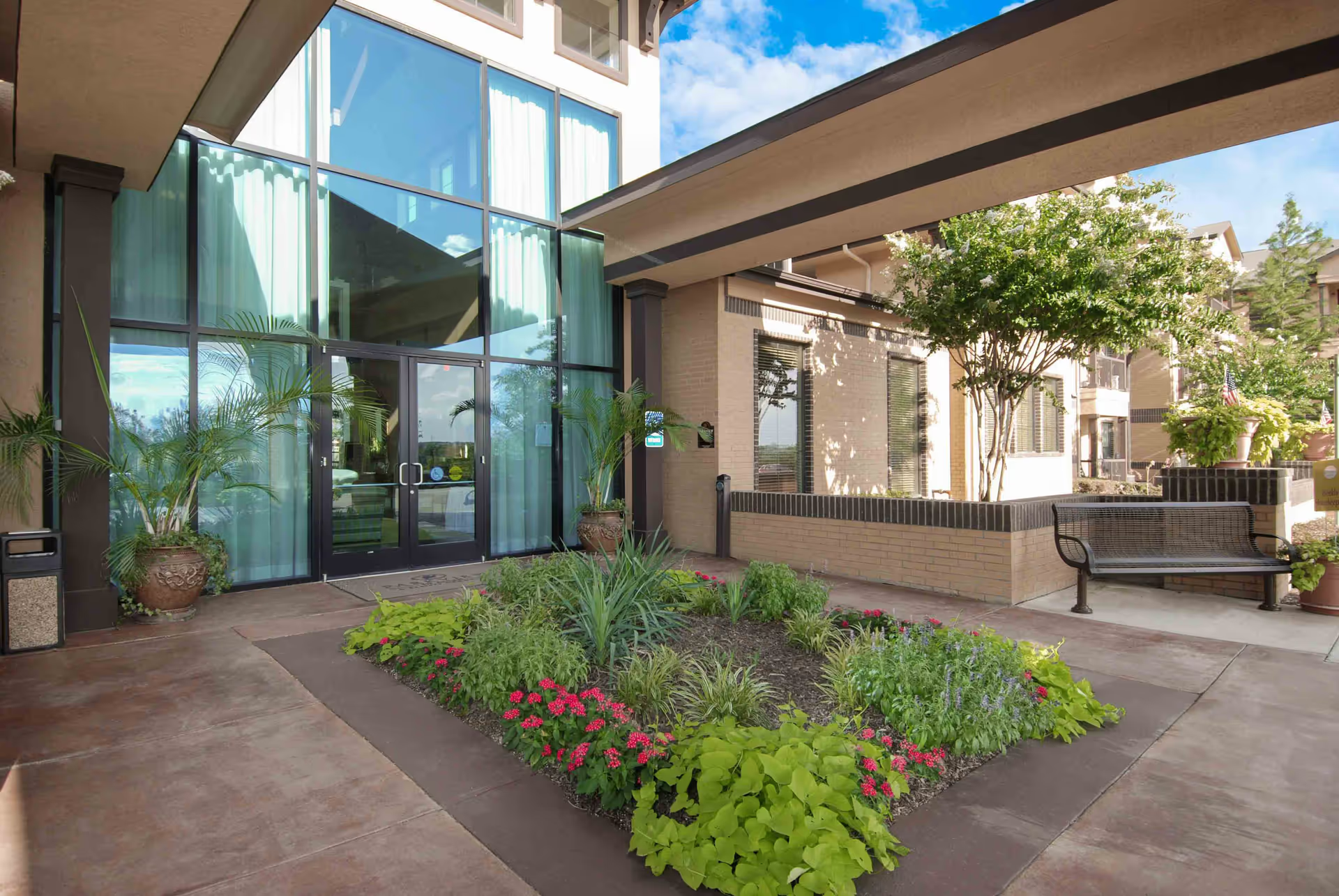
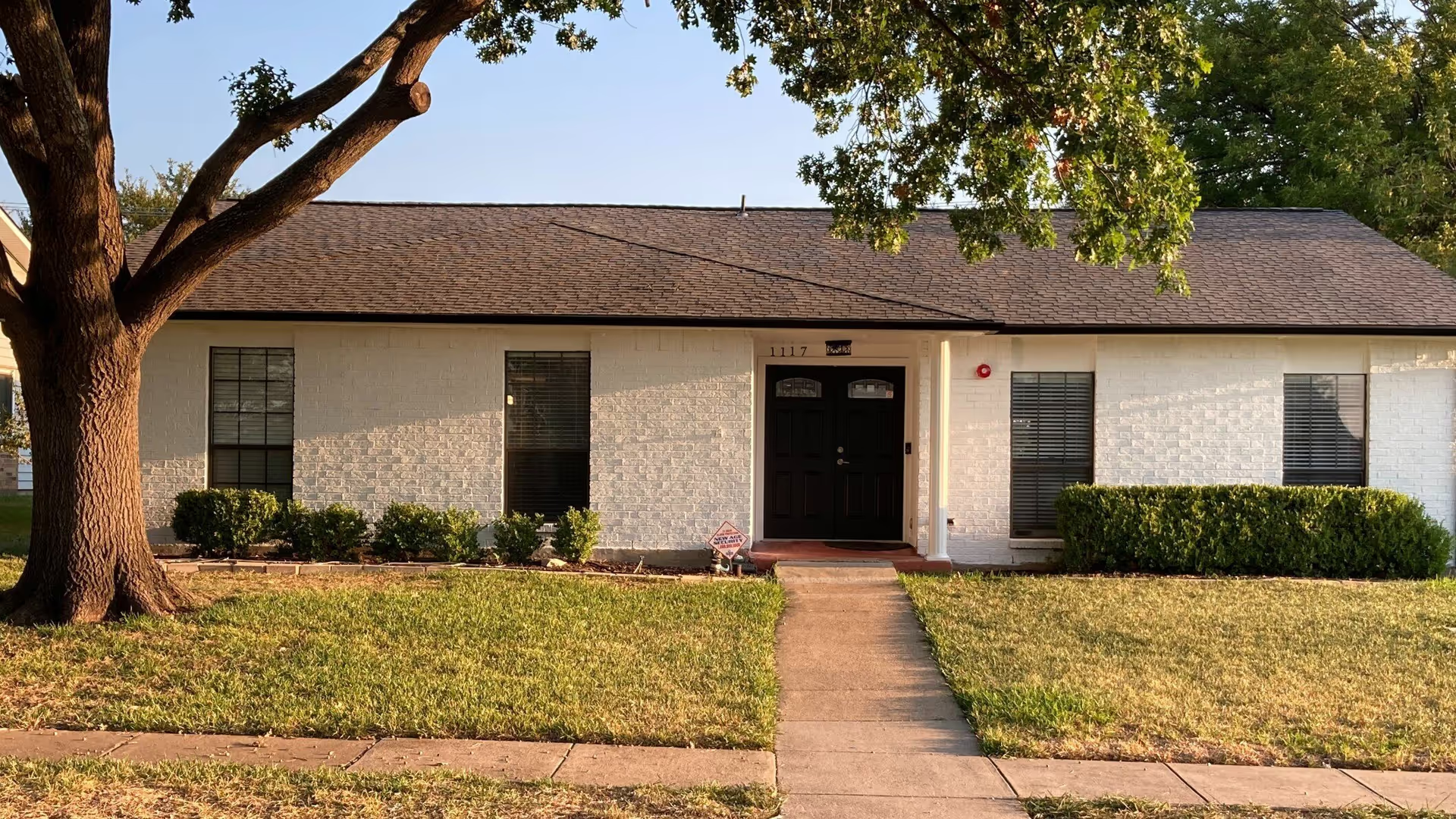
Overall care quality is described positively, with a consistent emphasis on individualized attention and a small, residential atmosphere. Families commonly noted one-on-one care, a low resident-to-staff ratio, and staff who are attentive, patient, and willing to assist beyond basic duties. Several accounts describe improved resident mood and appetite after admission, including concrete changes such as weight gain and better eating, which suggests that the dining and daily-support routines support resident well-being.
Staff and management receive frequent praise for responsiveness and follow-through. Examples include proactive communication with physicians, accompaniment to hospitals, post-hospital follow-up, move-in assistance, and hands-on personal care (grooming and styling). The owner and core staff are described as supportive and accessible, and the facility’s small size allows staff to develop close relationships with residents and families. Cleanliness and general maintenance are consistently noted as strengths, and the home-cooked menu and attentive meal service are cited as drivers of improved nutrition.
Areas of concern center on operational and environmental safety, privacy, and consistency. Review summaries point to bathroom accessibility gaps (absence of grab bars, presence of standard tubs rather than walk-in/shower options) and limited common-area seating and bedroom space — both of which can affect comfort, mobility, and socialization. There are indications of unclear staff-rest or supervision practices (instances where staff used resident bedrooms for breaks) and occasional lapses in staff consistency or attentiveness. For residents with cognitive impairment, reviewers found it difficult to track dementia progression, indicating a potential need for more formalized cognitive assessment and documentation processes.
For prospective families: verify bathroom accessibility and fall-prevention features during a tour, ask about formal staffing schedules and overnight supervision/rest-break policies, and review the facility’s dementia-assessment protocols and care-plan documentation. Observe mealtime and common areas to confirm seating capacity and dining quality, and request examples of medical-communication procedures (how the facility notifies families and coordinates with hospitals or physicians). Given the strong positive comments on individualized care and affordability, families seeking a small, home-like residential option may find this setting suitable provided the facility can demonstrate clear policies addressing accessibility, privacy protections, and consistent clinical monitoring for cognitive changes.