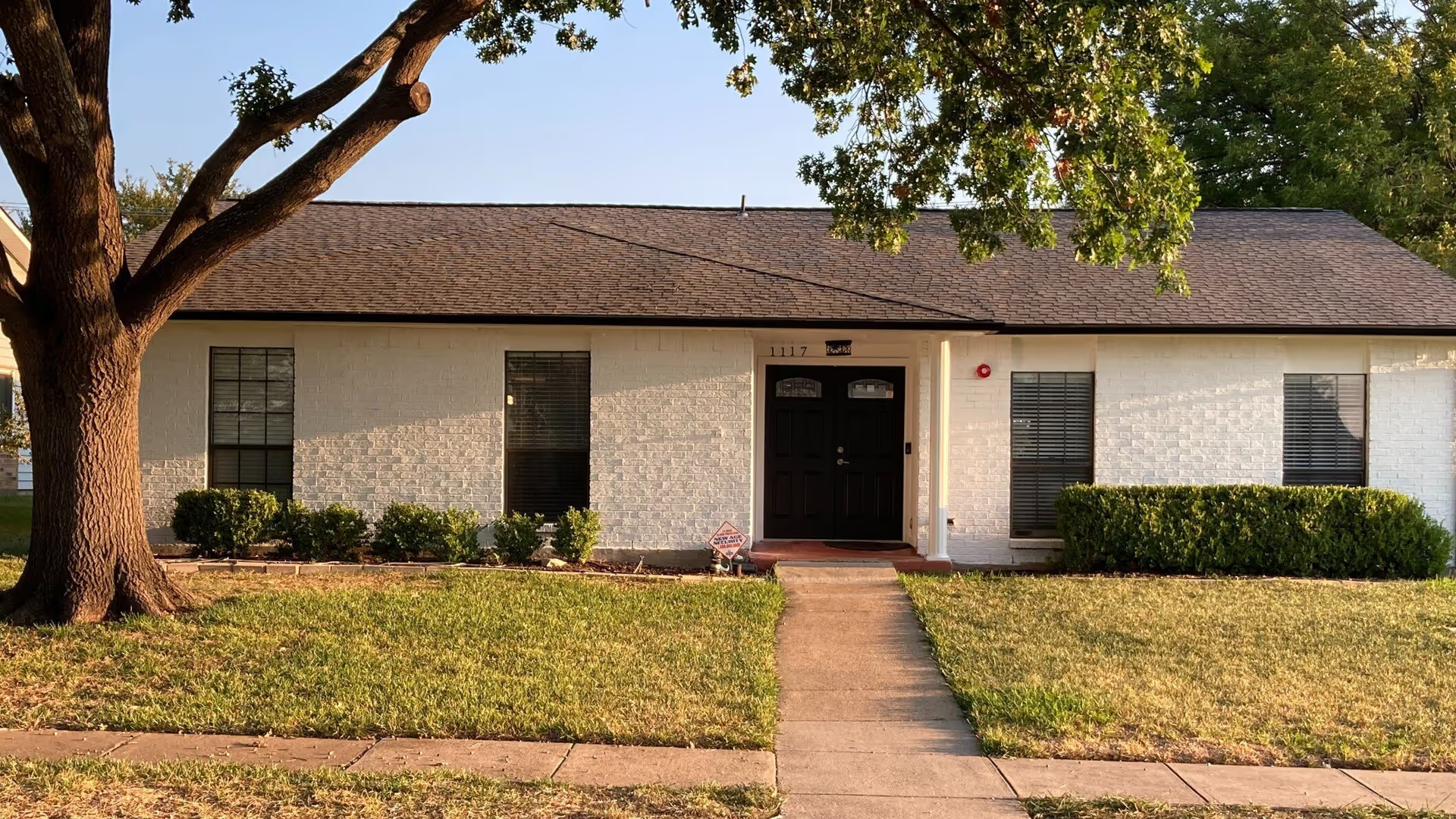
Overall impression: Mustang Creek Estates presents a small-house, residential approach with many families praising the warm, home-like atmosphere, hands-on caregivers, and an active social program. The campus model (multiple interconnected houses) produces a more intimate environment than larger institutions: reviewers frequently describe family-style dining, homemade meals, frequent activities (bingo, crafts, bus trips), and regular clinical presence such as weekly nursing visits and periodic physician rounds. Several houses have been renovated and show clean, attractive interiors; staff continuity and long tenure were also noted as strengths in portions of the community.
Care and staff: Front-line caregivers are widely characterized as compassionate and relationship-oriented, and many families praised specific staff members and an energetic activities director. At the same time, a consistent pattern emerges around staffing instability: coverage fluctuates by house and by shift (weekends and nights are recurrent problem areas). That variability has operational consequences — missed or inconsistent personal-care tasks, delayed assistance, and, in some reports, missed or poorly coordinated medication administration. Reviewers describe good clinical touchpoints in houses with stable staffing, but the overall picture is mixed because performance appears house- and shift-dependent.
Dining and activities: Dining is commonly cited as a strength where meals are prepared on-site, served family-style, and described as home-cooked. However, other accounts describe cold or repetitive meals and intermittent supply issues. Activities are a clear positive in many homes — from outings and themed events to daily games and social time — but delivery is inconsistent across houses and limited at times by staffing shortages, particularly on weekends.
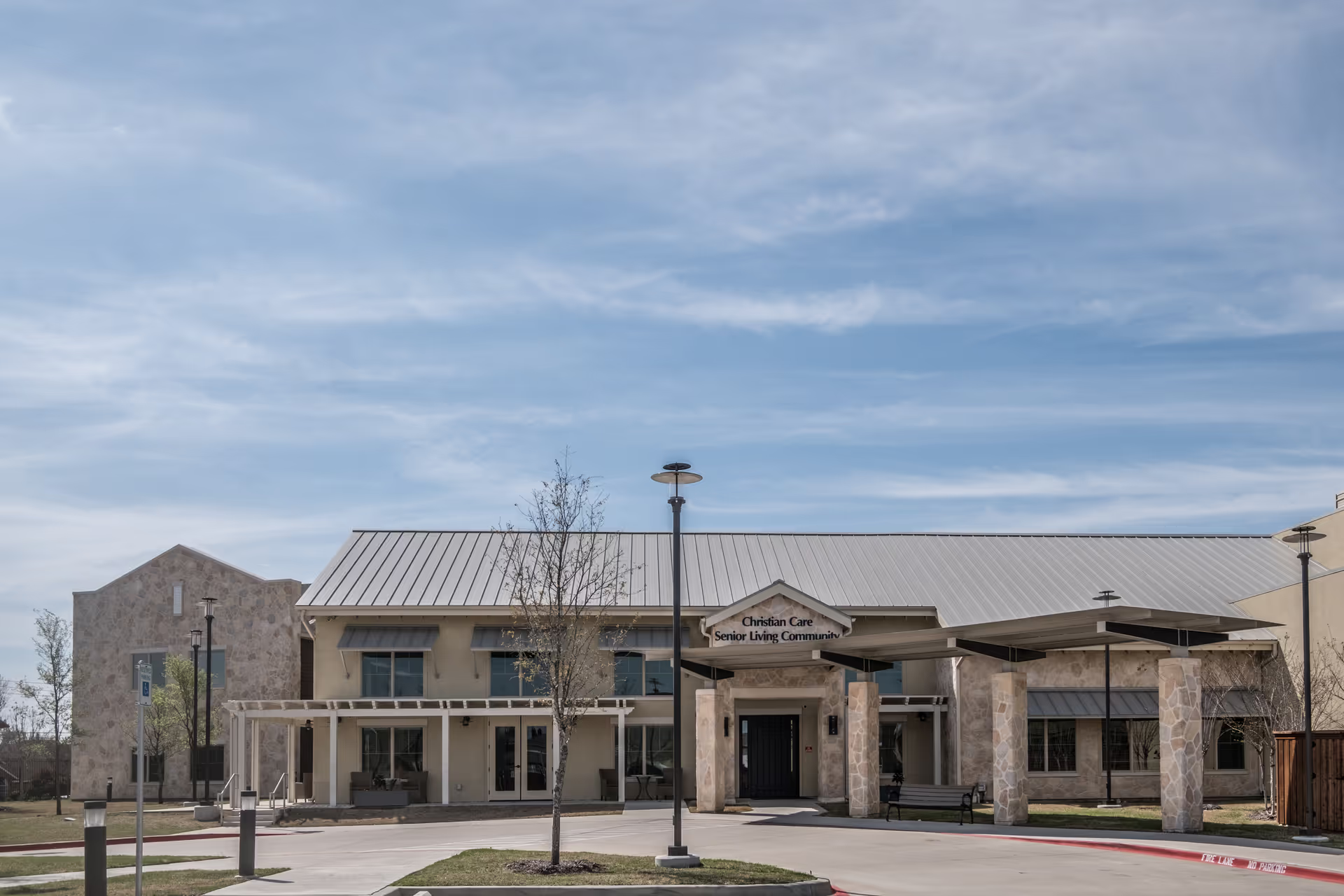
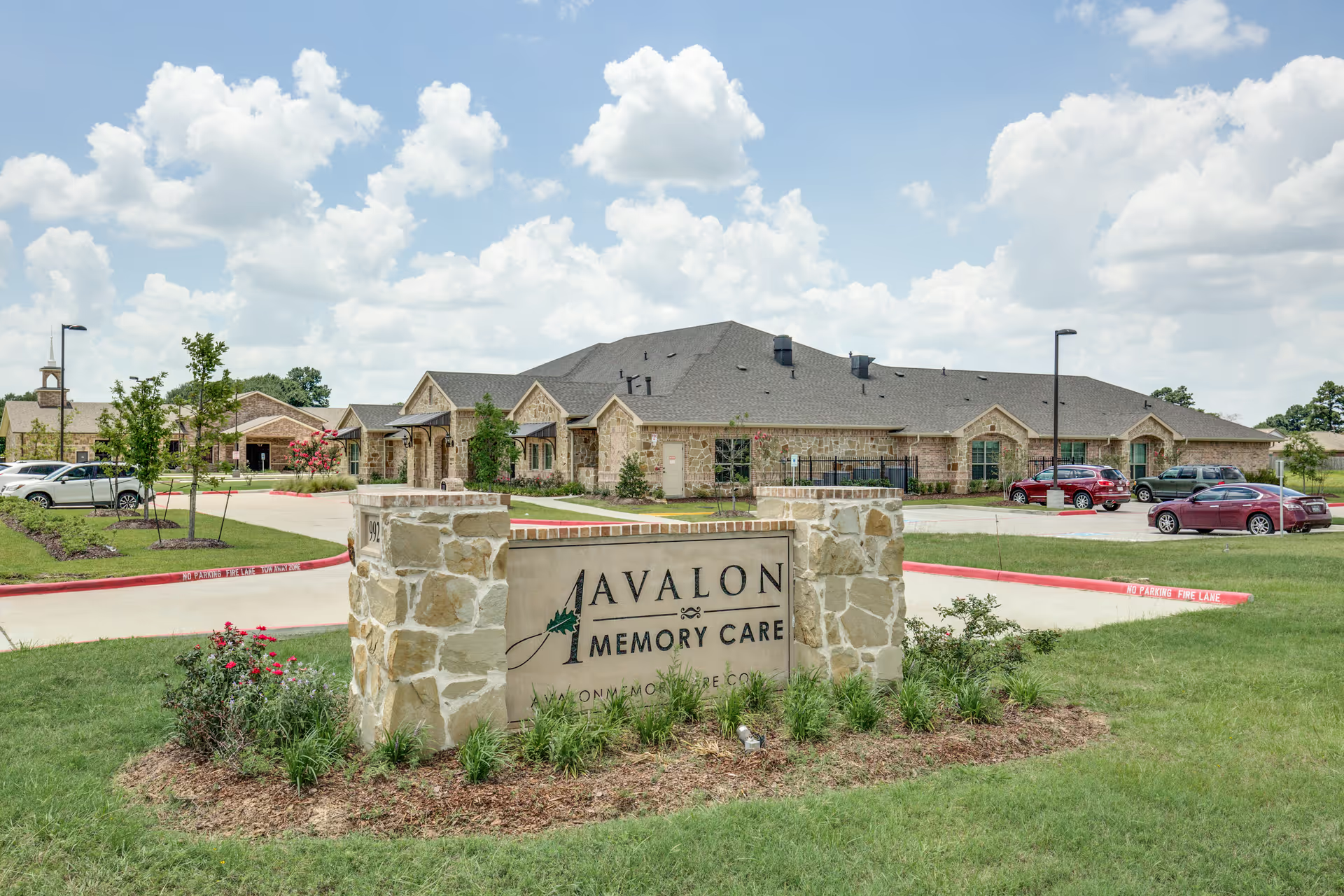
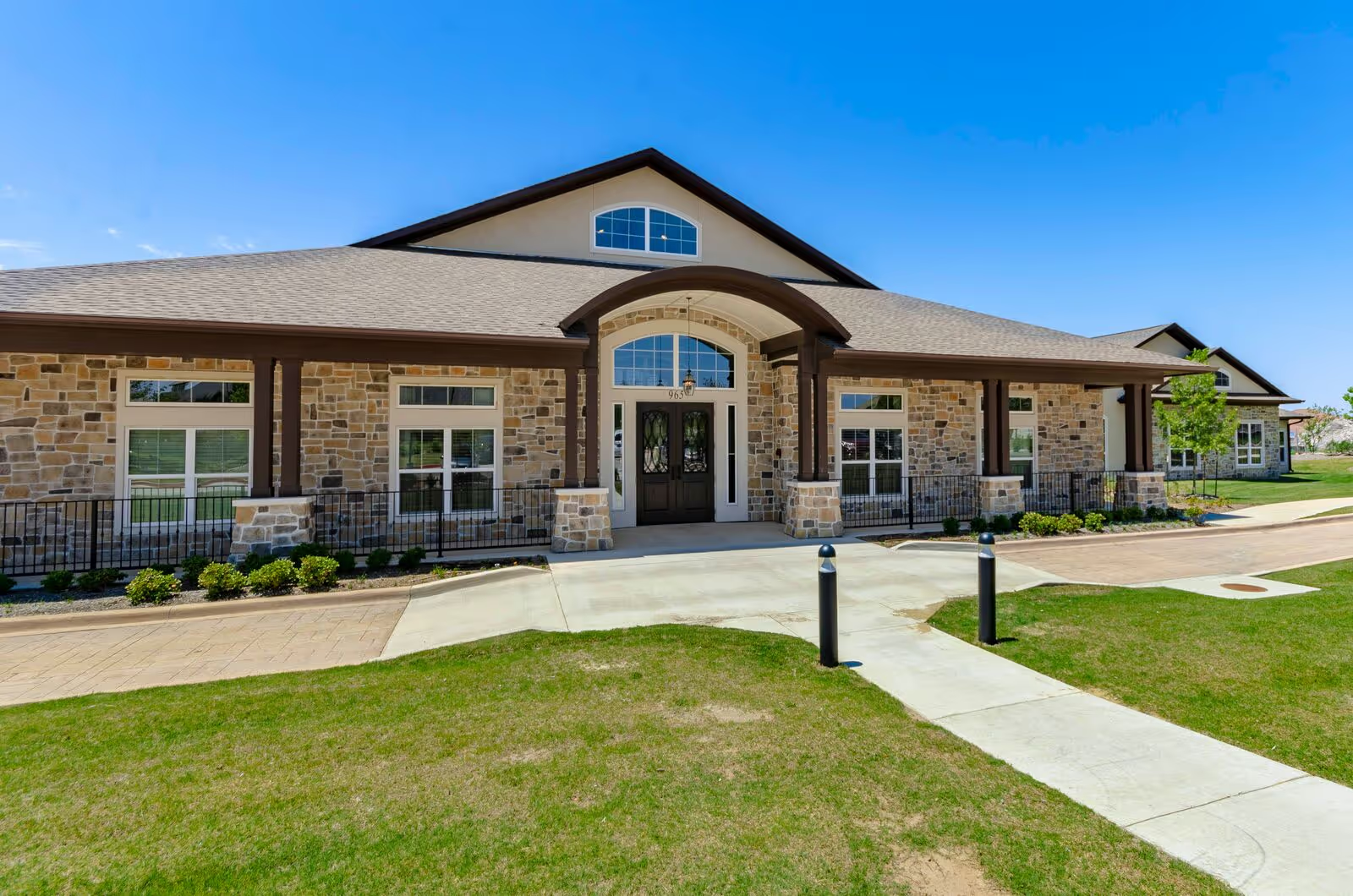
Facilities and sanitation: The neighborhood-style campus and residential architecture receive favorable comments for atmosphere, private or semi-private rooms, and small common areas that encourage socialization. That said, reviewers also point to variability in maintenance and sanitation standards between houses. Some units are newly refreshed and well-kept; others exhibit gaps in routine cleaning, laundry processing, and grounds upkeep. Room sizes tend toward small footprints in many houses, which may be an important consideration for families seeking larger personal space or in-room amenities.
Management and operations: Management performance is an area of divided experience. Some families praised proactive, communicative leadership; others encountered limited managerial availability, leadership turnover, and unresolved billing or policy disputes. Recurring operational themes include unclear charges or move-out policies, lost personal items or laundry, and inconsistent coordination with external providers and hospice. These are institutional-level issues rather than isolated personality complaints, and they tend to cluster with houses that also report staffing and sanitation shortcomings.
Notable patterns and considerations: A strong pattern is the variability across individual houses and shifts — several houses offer near-excellent care while others fall short of the same standard. Weekend and night coverage, housekeeping/laundry reliability, medication and pharmacy coordination, and clarity around billing/move-out policies are common areas of concern. For prospective residents and families, it may be useful to tour the specific house being considered, ask targeted questions about weekend staffing, laundry and cleaning schedules, medication-policy workflows, and billing terms, and to verify recent maintenance or inspection actions. Overall, Mustang Creek Estates can provide a warm, family-style setting with engaged staff and active programming in many houses, but consistency of operations and managerial oversight are important factors to confirm during the decision process.