The review set shows a facility with notable clinical strengths alongside recurring operational challenges. The therapy and rehabilitation programs are a clear asset: physical, occupational, and speech therapy teams receive consistent praise for engagement, measurable functional gains, and strong short-term rehab outcomes. Multiple families and clinicians singled out individual therapists and therapy staff by name for restoring mobility and facilitating safe discharges. Social-work and administrative staff who assist with insurance and Medicaid navigation are also frequently commended.
Clinical care beyond therapy is reported with mixed results. While many families describe attentive, compassionate nursing and caregiving, a substantial portion of reviews identify variability in bedside nursing care. Common themes include slow response to call lights, delays in medication and pain management, and concerns about wound-care processes and infection-control practices. There are also repeated references to delays in toileting assistance and related incontinence-care issues. A limited number of serious individual allegations prompted family notifications to regulators; these appear alongside more routine operational complaints rather than as consistent system-wide endorsements.
Staff culture and teamwork appear bifurcated in the feedback. Numerous reviews describe a warm, family-like atmosphere, strong teamwork, and staff who go above and beyond — often naming specific CNAs, therapists, and administrative personnel. At the same time, other accounts describe rudeness, condescending communication, and variable professionalism. High turnover and uneven training among frontline aides are cited as contributors to inconsistent resident experience, and several reviewers note better care during daytime therapy hours versus some night and weekend shifts.
Dining and activities are generally positive but inconsistent. The activity program and engagement offerings (Bible study, game nights, social gatherings) are repeatedly praised and seen as meaningful for residents’ quality of life. The kitchen and dietary staff receive compliments for accommodating special requests and for homemade-flavored options; however, recurring complaints involve late meal trays, cold food, oversweetened beverage choices, limited snack distribution, and inconsistent portioning.
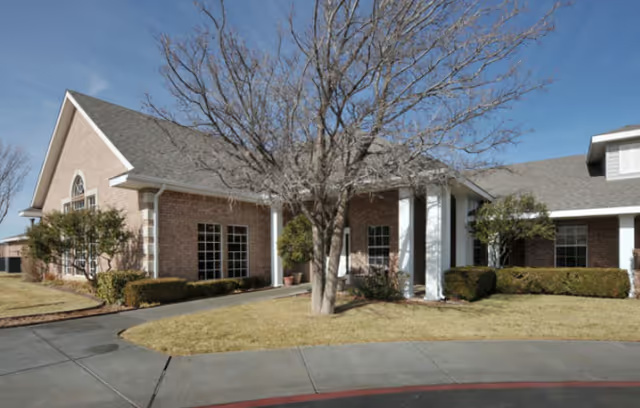
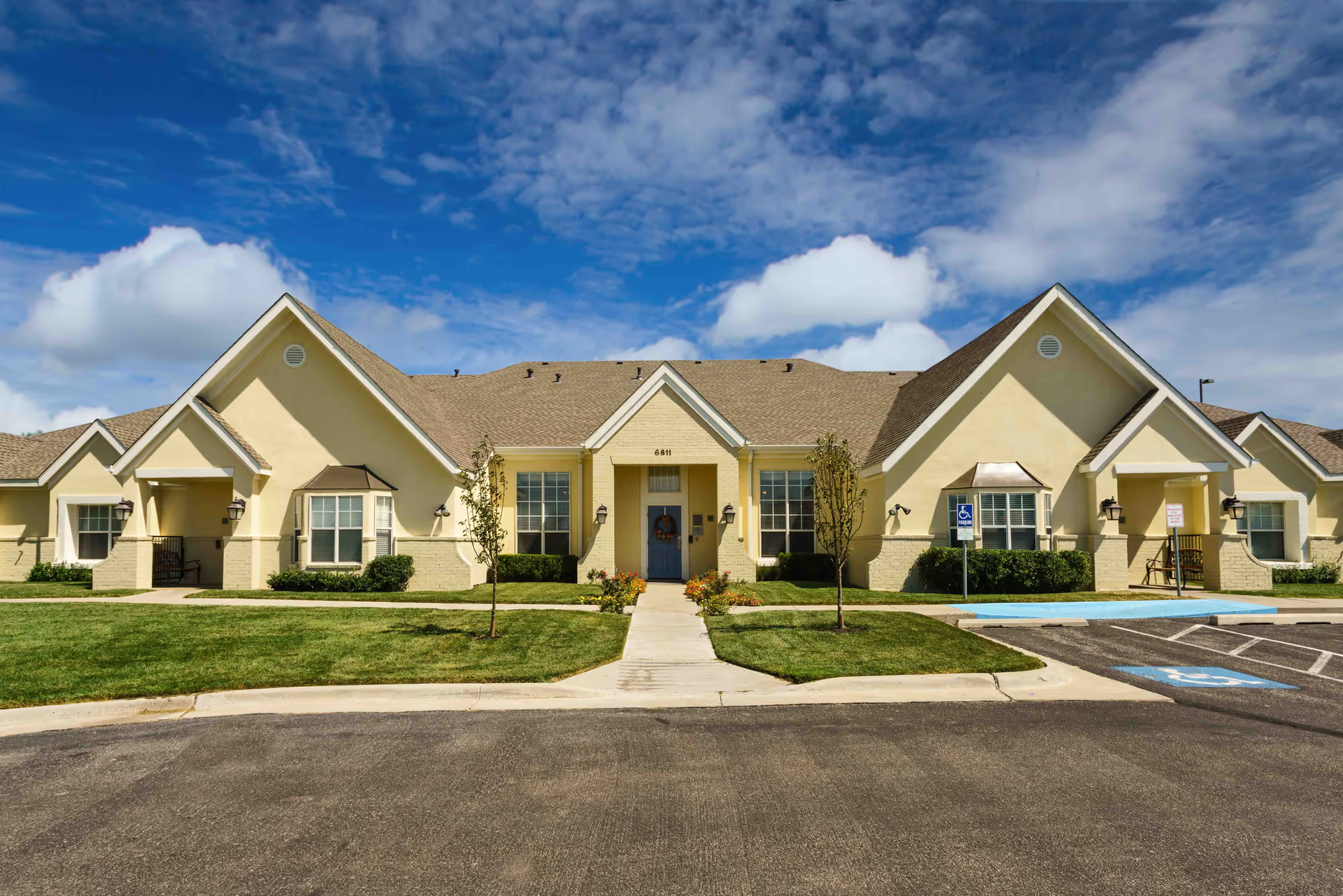
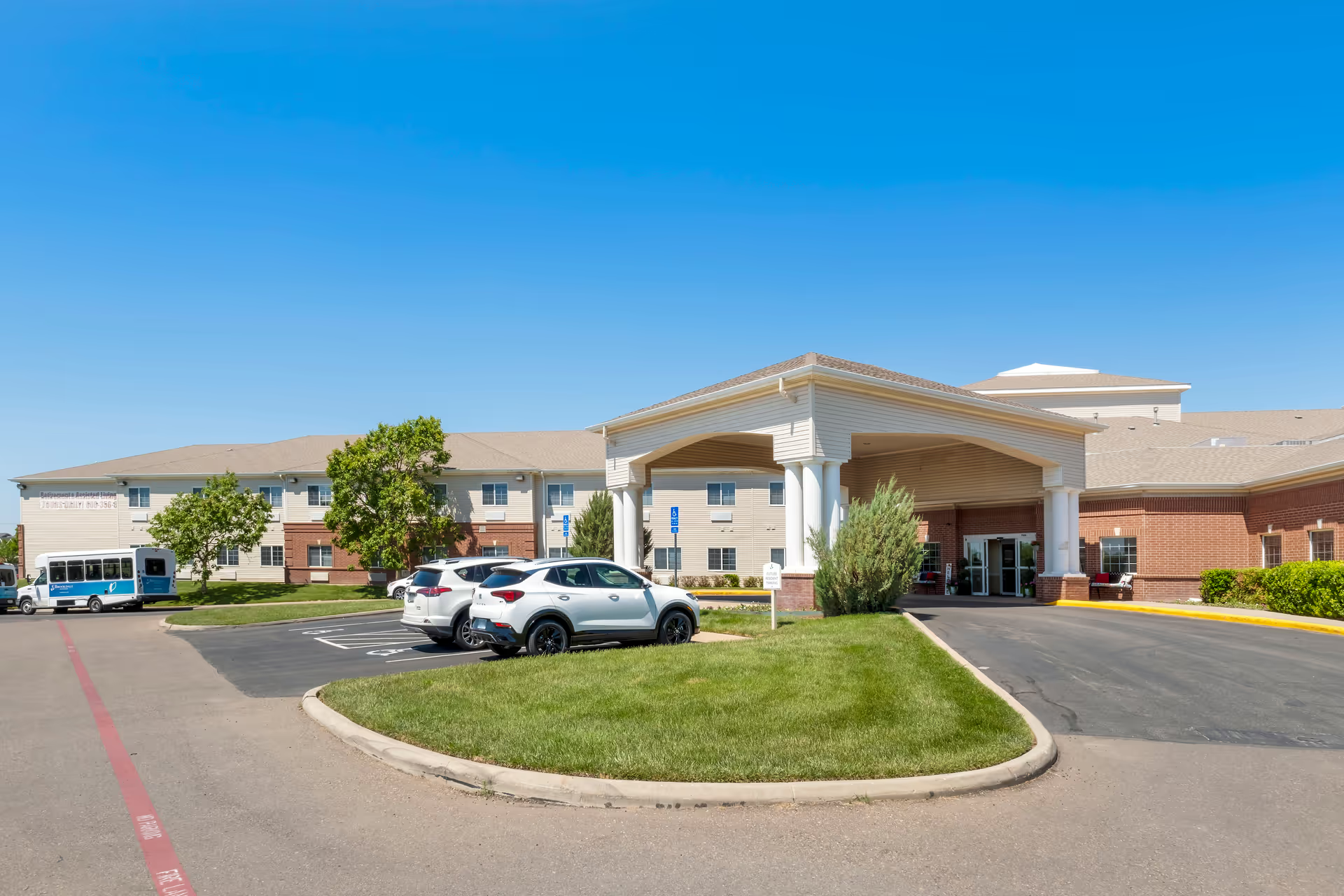
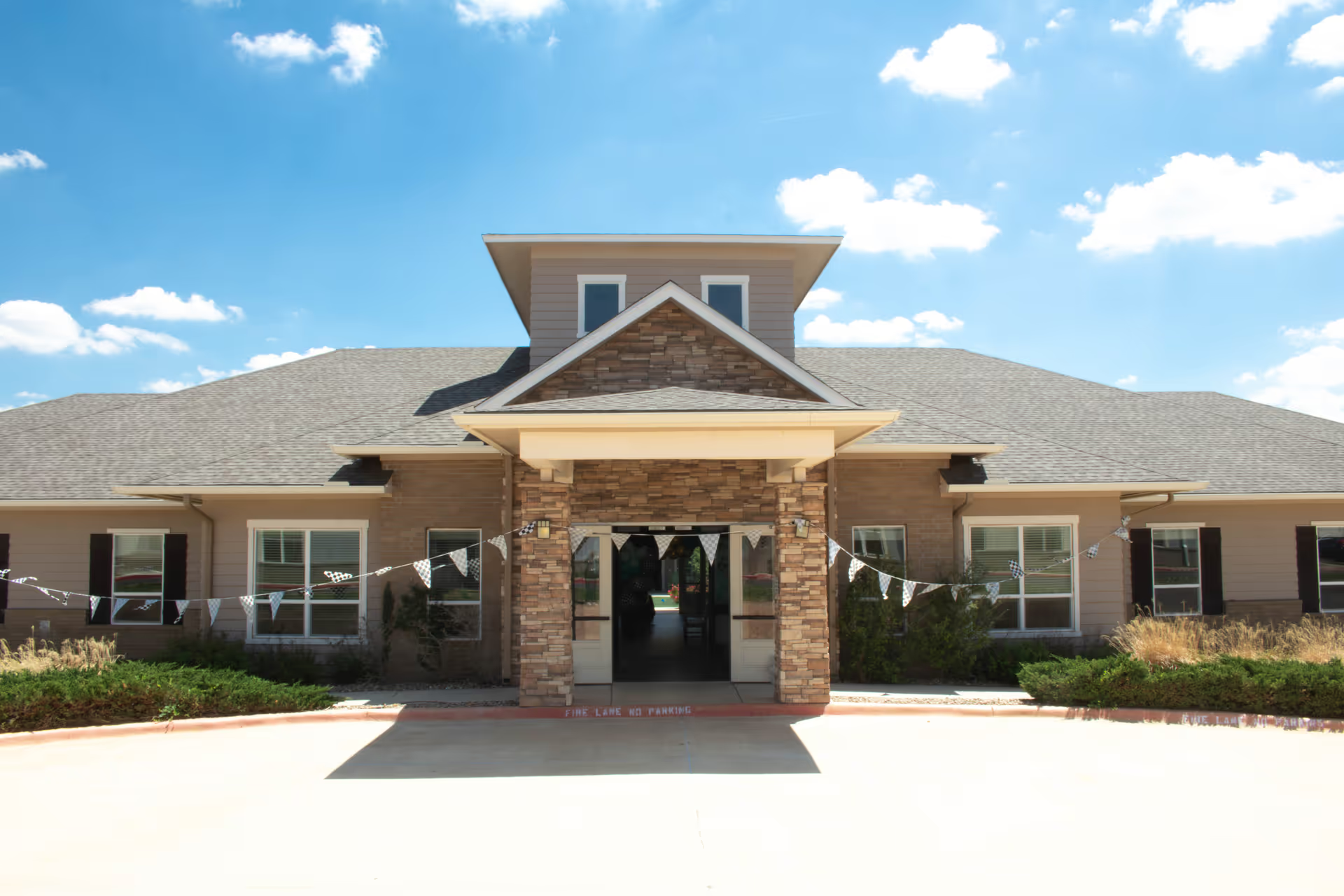
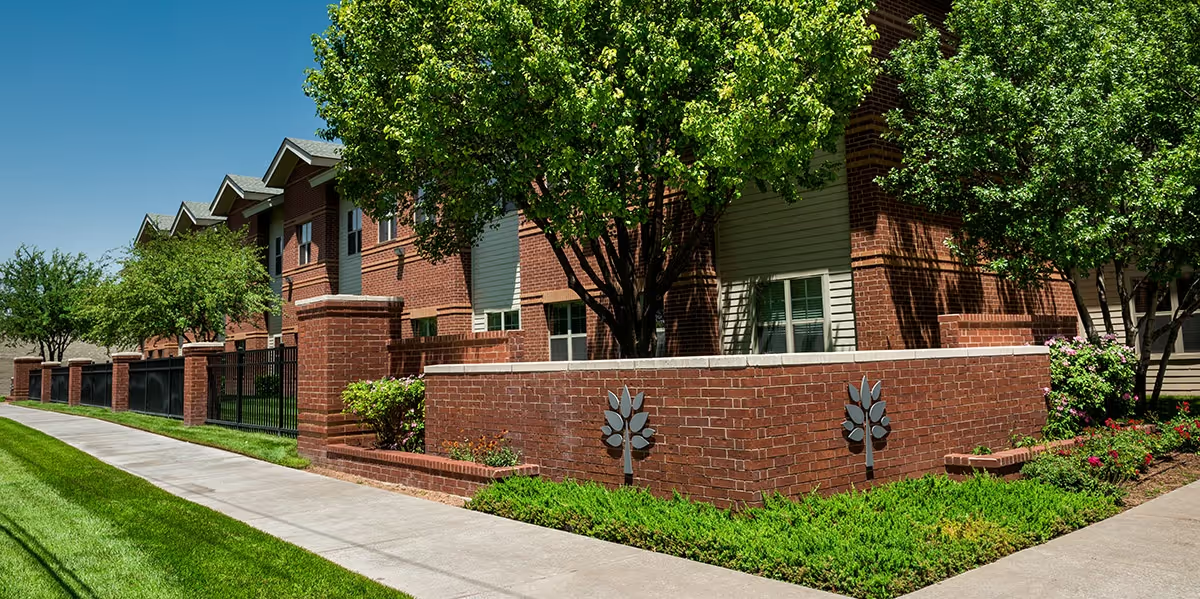
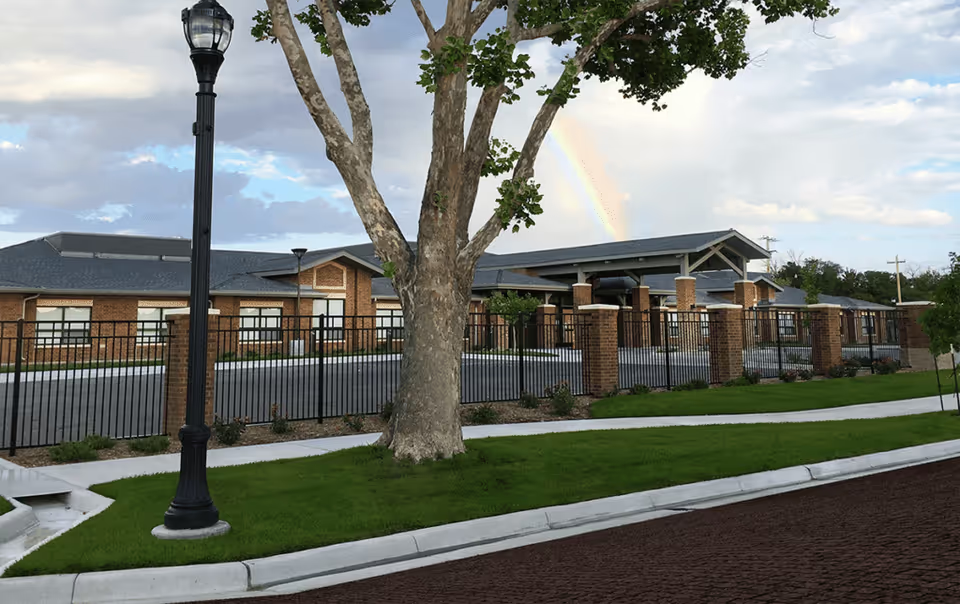
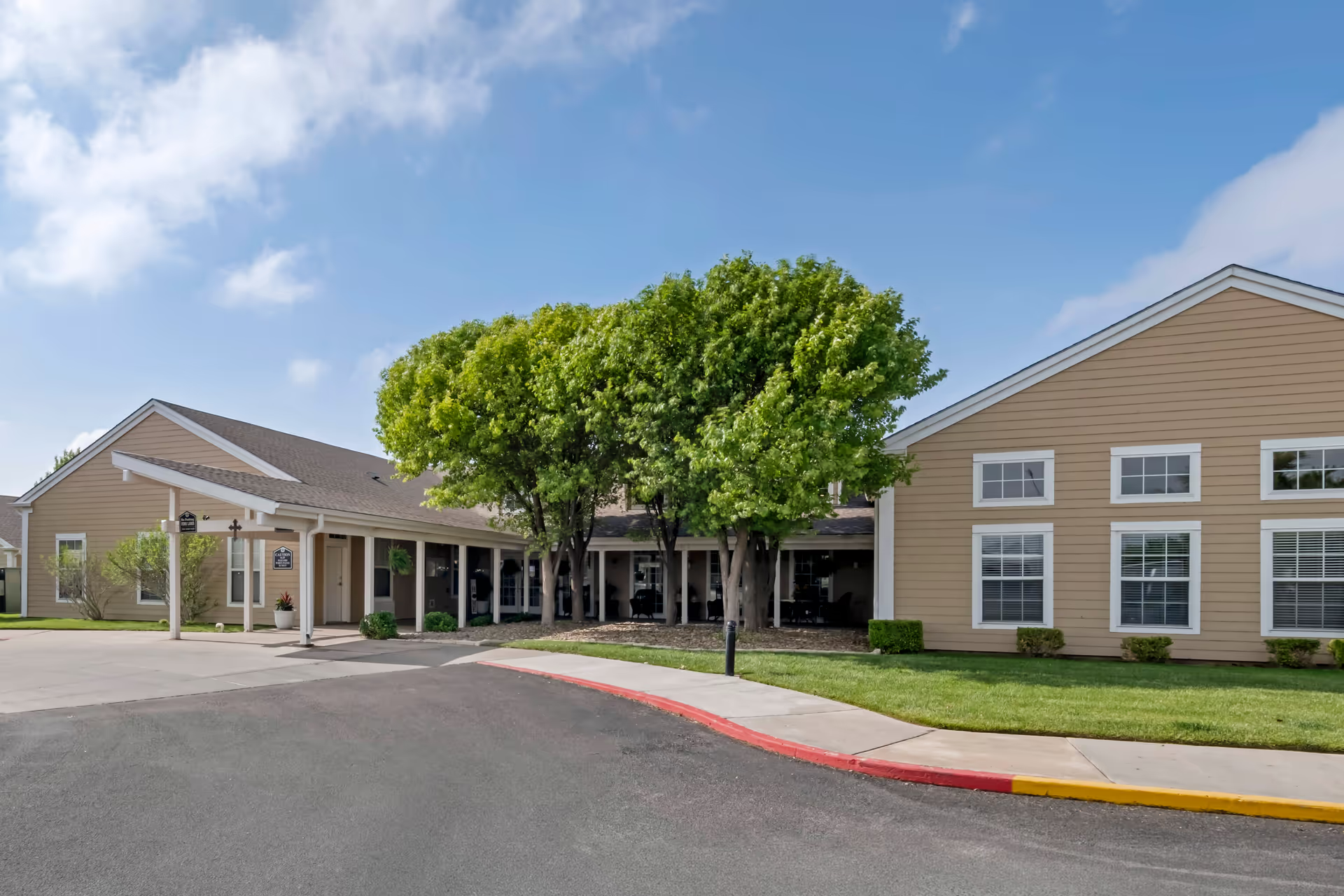
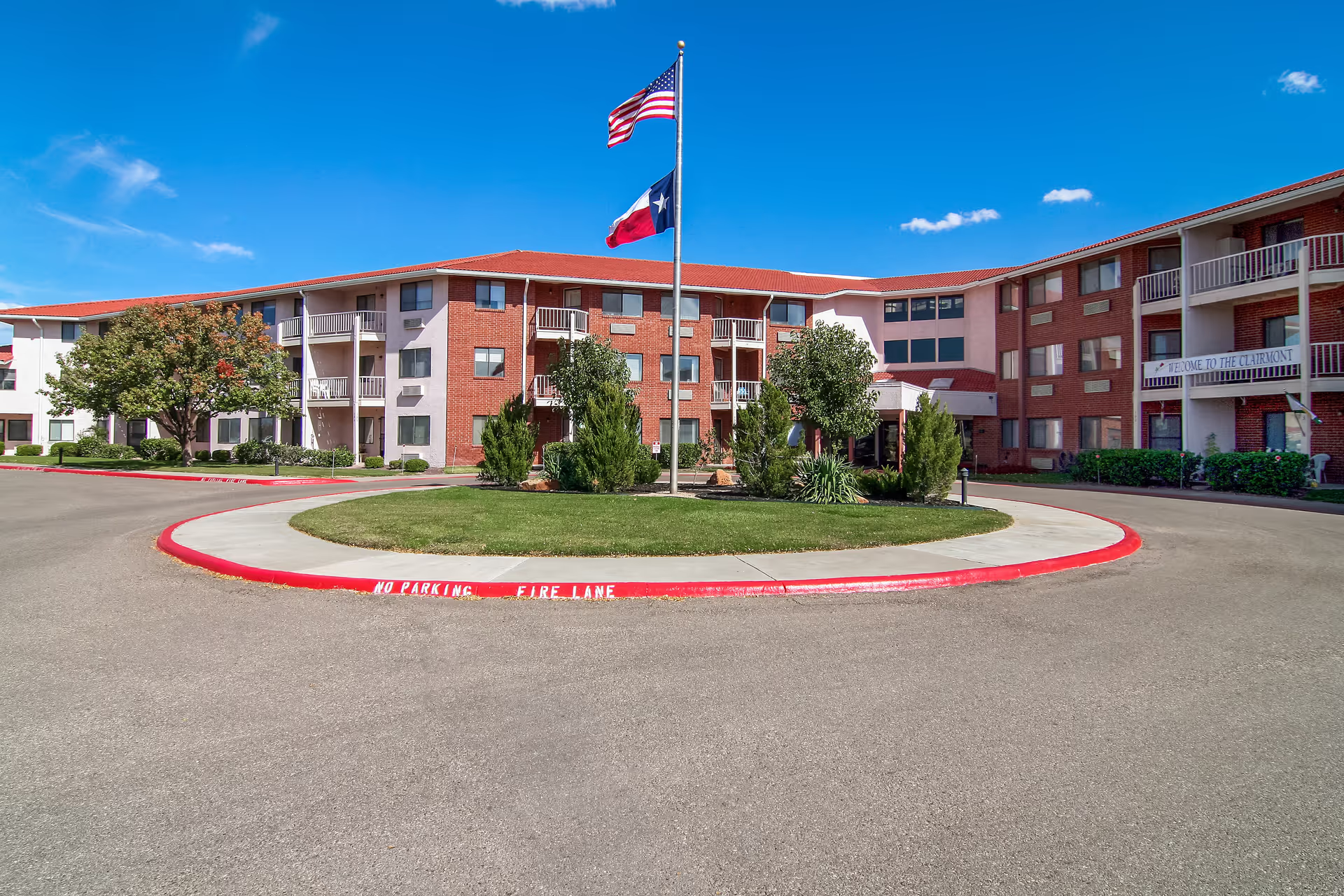
Facility condition and management impressions are likewise mixed. The physical plant, including recent remodels, cleanliness, and housekeeping, receives many positive comments; yet a portion of reviewers raise sanitation or odor concerns in specific areas and note privacy or layout limitations (small showers, lack of in-room phones). Management and leadership receive divergent assessments: some families describe responsive, competent administrators and a strong director of nursing, while others experience perceived inattentiveness, distracted leadership, or slow responsiveness to reported problems.
Overall pattern and guidance: prospective residents and families can reasonably expect strong rehabilitative services and many compassionate, capable staff members who support functional recovery. At the same time, the facility demonstrates operational variability in nursing responsiveness, medication and wound care processes, and meal-service consistency. When evaluating the facility, consider an in-person tour that includes observation of call-response practices, a discussion with nursing leadership about staffing ratios and wound-care/infection protocols, review of recent state survey findings, and clear expectations around medication and pain-management procedures. Meeting therapists and specific frontline caregivers during the tour and confirming administrative supports for insurance/Medicaid can help align expectations with likely outcomes.