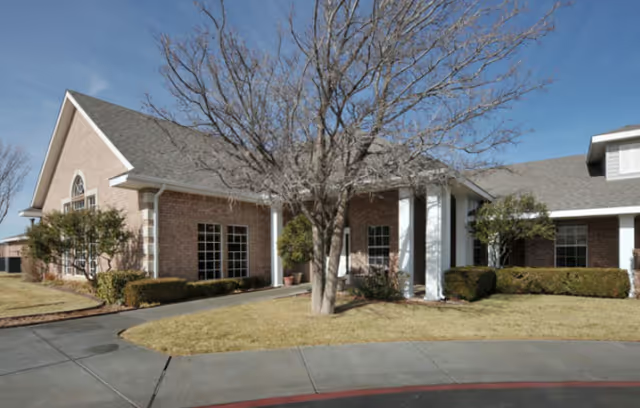
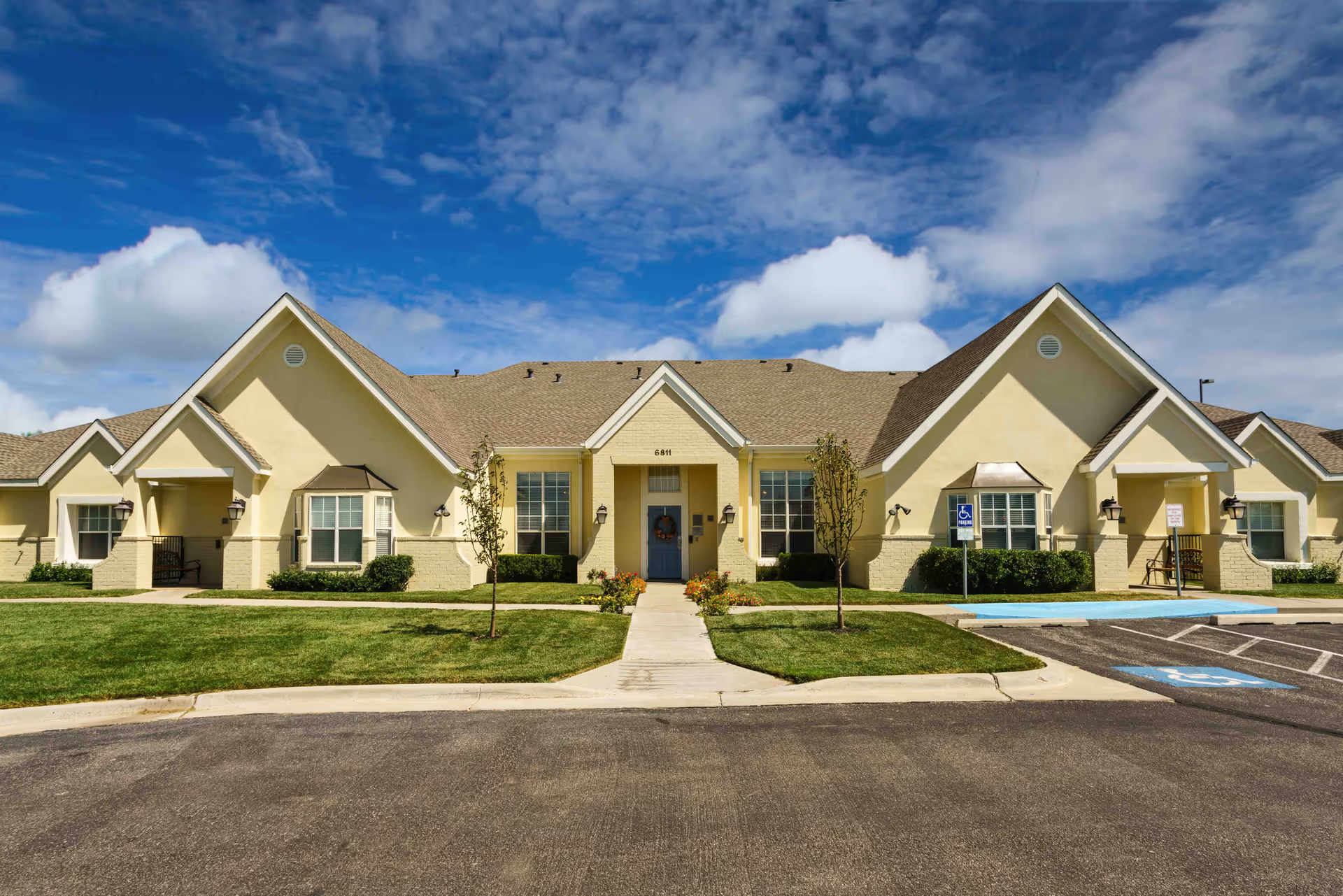
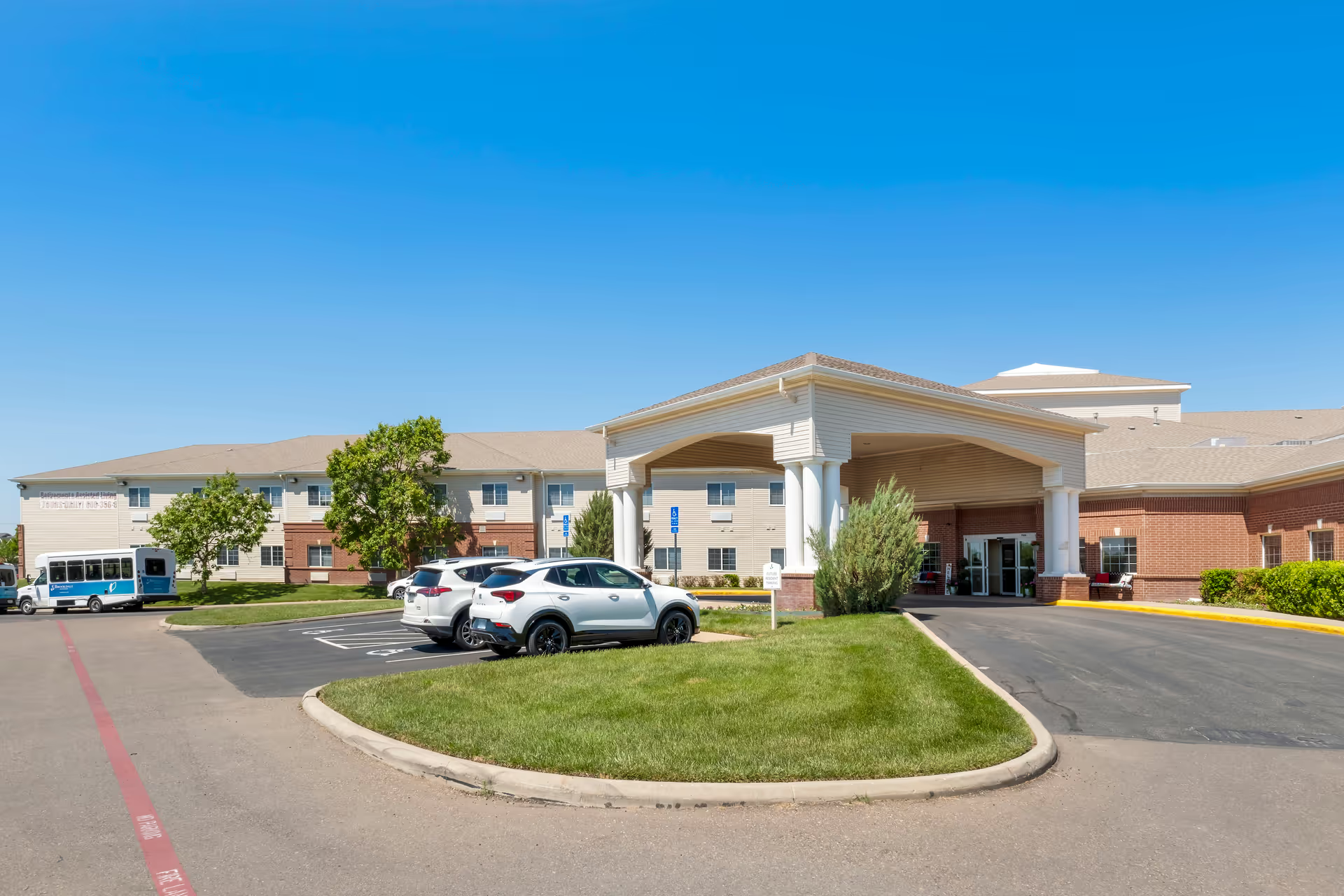
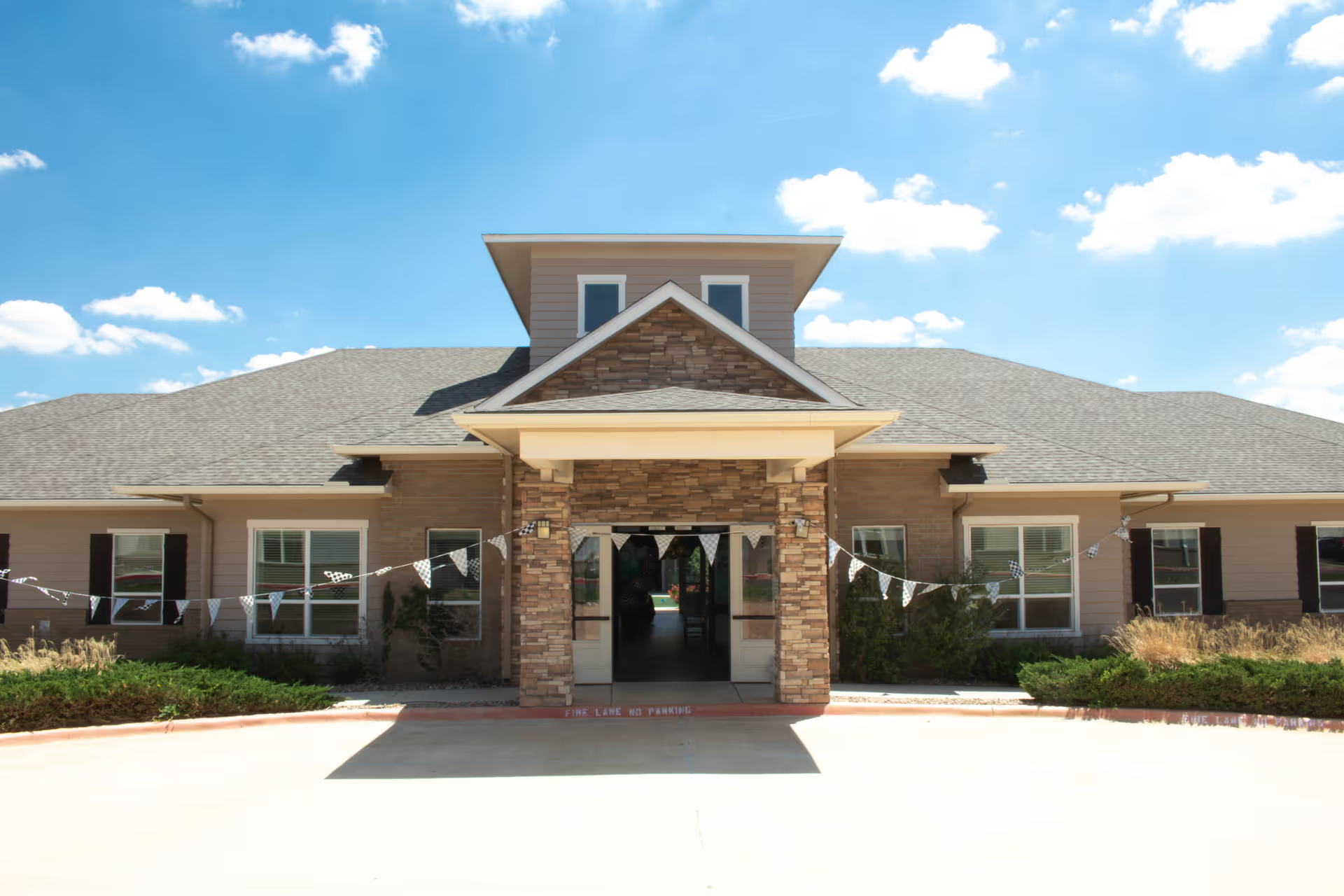
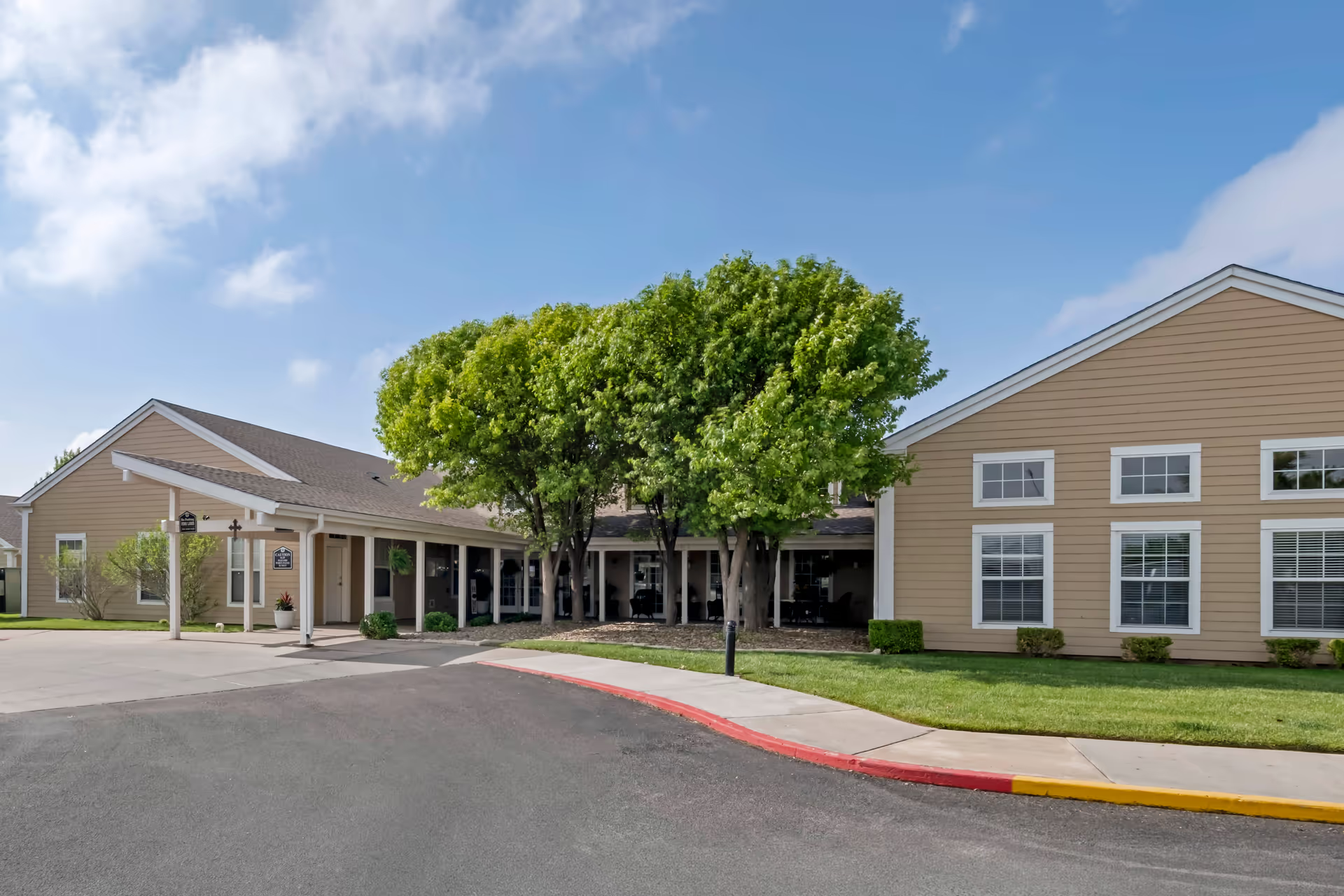
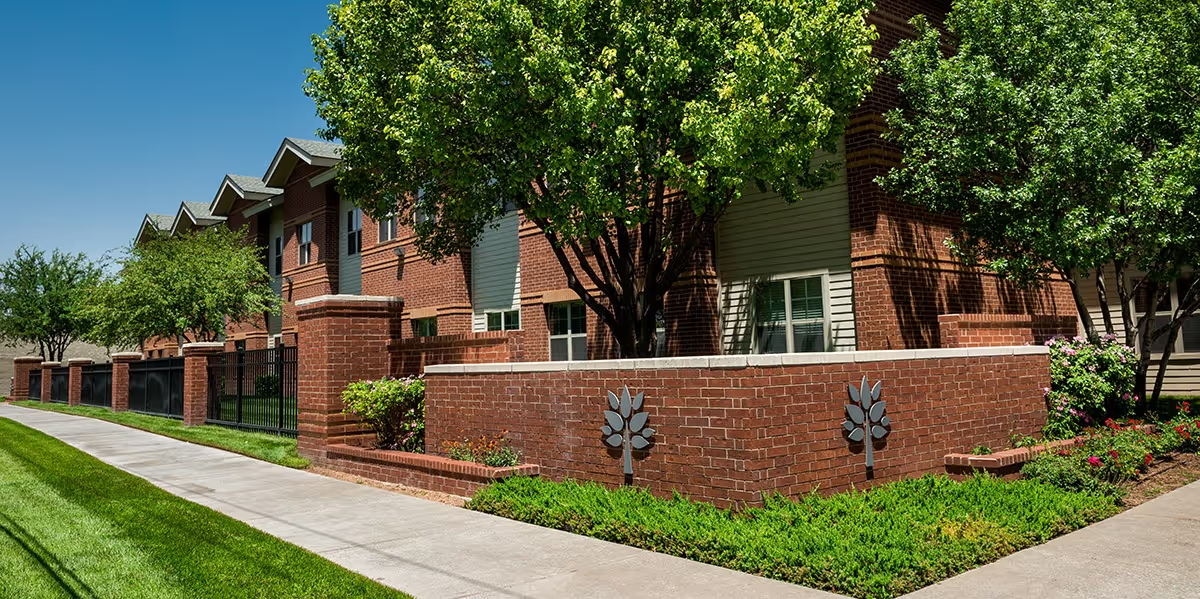
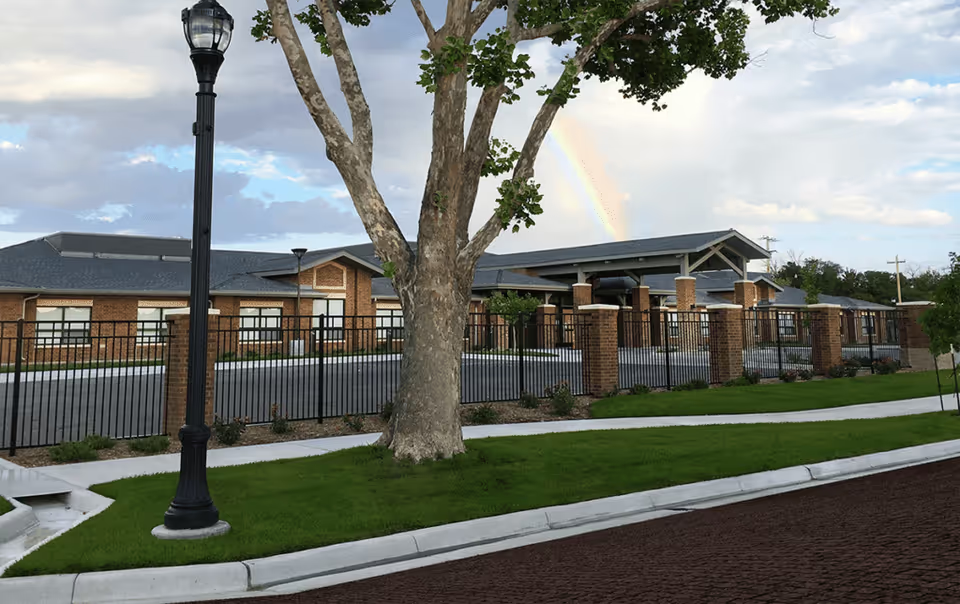
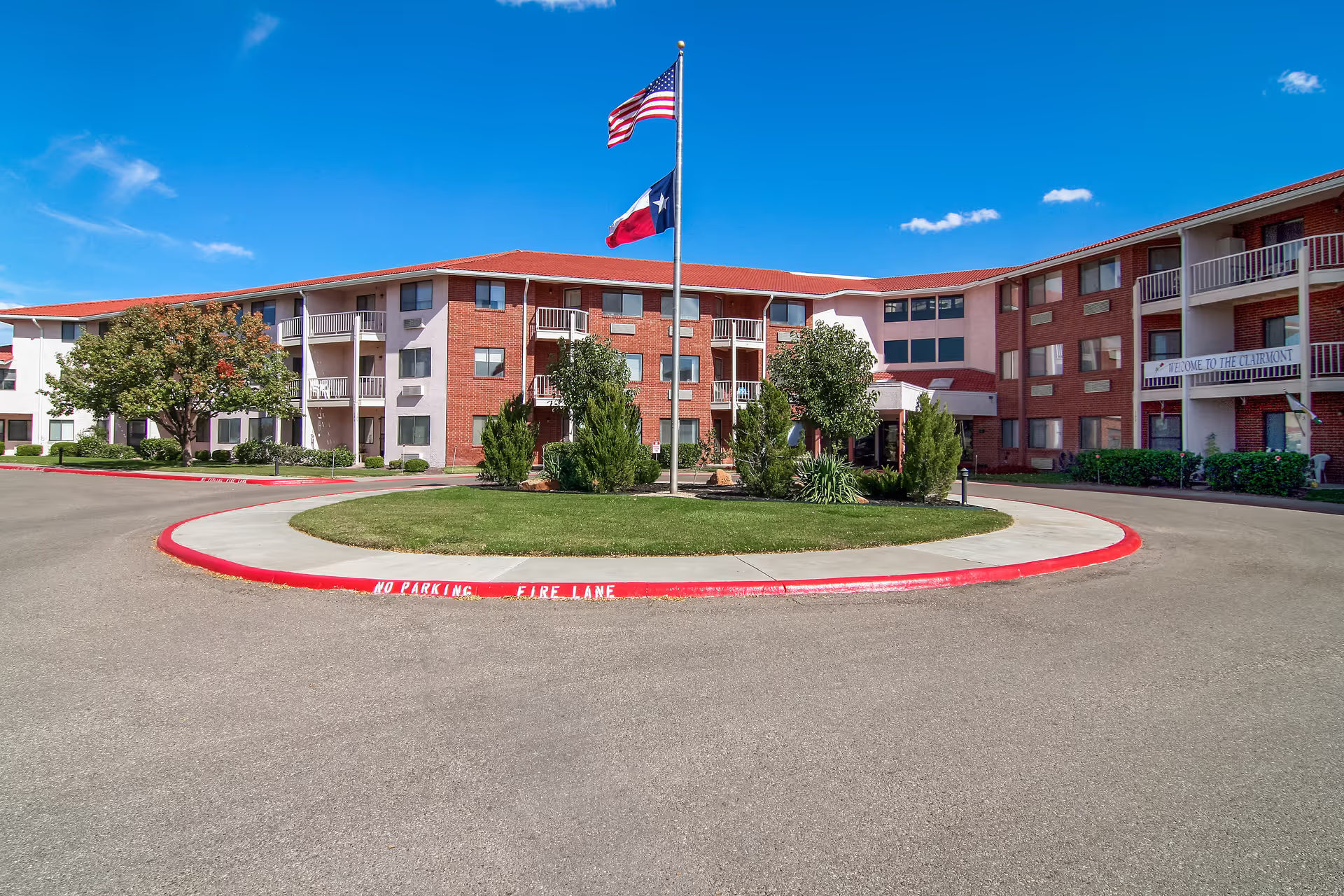
Reviews for this facility are notably mixed, with a strong split between families who describe highly attentive, small-home care and those who experienced operational shortfalls. Positive accounts emphasize a warm, family-like culture in the smaller households, where staff are described as compassionate and willing to go beyond scheduled hours to comfort residents and families. Several families praised the facility's end-of-life and hospice support, medication management, housekeeping/laundry services, and the availability of private, spacious rooms. Regular social events (parades, ice cream socials, birthday celebrations), on-site exercise classes, and an on-site hairdresser contribute to a residential, community-style atmosphere.
Care quality appears to vary with staffing and leadership continuity. When the staff team and leadership are stable, reviewers describe individualized attention, strong clinical oversight, and rapid resolution of issues. Conversely, other accounts describe inconsistent care delivery, delays in routine assistance, and concerns following a resident's death that point to weaknesses in continuity of care and follow-up. A few reviewers described alleged mishandling of behavioral incidents that even involved police response; these accounts underscore the need for clearer incident-management protocols and family communication when clinical events occur.
Staff strengths are repeatedly noted: compassionate caregivers, dedicated administrators, and instances of staff staying late or coming in on days off. At the same time, multiple reviews identify high staff turnover, variable professionalism (including concerns about tone and attentiveness), and staff being distracted during shifts. Inter-shift handoffs and family communication are recurring operational gaps; families report difficulties building consistent relationships with caregivers and obtaining clear explanations after incidents.
Dining receives both praise and criticism. Many families appreciate home-cooked meals using fresh vegetables and meat, and some call the food a standout feature. Others report inconsistent meal quality, small or cold portions, and dissatisfaction with cafeteria-style service at times. Housekeeping and laundry services are commonly listed as positive, though a few reviewers note specific maintenance issues (for example, a nonfunctional dishwasher) and occasional sanitation concerns in particular areas.
Activity programming is described as family-friendly and social in some households, with regular gatherings and opportunities for residents to mingle. However, others find the activity calendar limited, with long periods of sedentary time and a reliance on television. Families seeking a luxury amenity set or intensive, structured memory-care programming may find the offerings inconsistent with those expectations.
Facility and management issues recur as a pattern: leadership turnover, perceived administrative emphasis on finances, and isolated billing disputes. When management is proactive, reviewers describe quick problem resolution and attentive oversight; when management is perceived as unstable or money-focused, that corresponds with poorer family experiences. For prospective residents and families, the notable pattern is variability — the small-house model enables highly personalized care when staffing and leadership align, but the same size makes the program sensitive to staff changes and administrative gaps.
Recommendations for families considering this facility include touring multiple times (including at different times of day), asking specific questions about memory-care specialization and behavioral-management protocols, reviewing staffing ratios and turnover history, requesting a sample activity schedule, clarifying billing and short-stay policies in writing, and asking for references from current families. These steps can help determine whether the facility's current operational state matches a resident's clinical and social needs.