Landmark of Amarillo elicits a mixed but actionable picture. Many narratives emphasize strong hands‑on care: family members repeatedly describe compassionate nursing, attentive aides, and an environment where staff know residents by name. Rehabilitative services receive particular praise in multiple accounts, with measurable progress cited (for example, regaining ambulation and strength). Housekeeping and overall cleanliness are commonly noted as strengths, and private rooms with en‑suite showers are highlighted as a value point.
Clinical and staffing strengths coexist with operational inconsistencies. Several families praised prompt call‑light responses and communicative administration; others described lapses in responsiveness or difficulty contacting clinicians. There are indications of variable staff continuity—while some units appear to foster deep familiarity between caregivers and residents, other accounts point to staff turnover or shift gaps that reduce continuity of care. A small number of reviews raise serious clinical concerns, including an allegation about infection management; these individual claims suggest the need for careful review of clinical oversight and infection‑prevention practices when evaluating the facility.
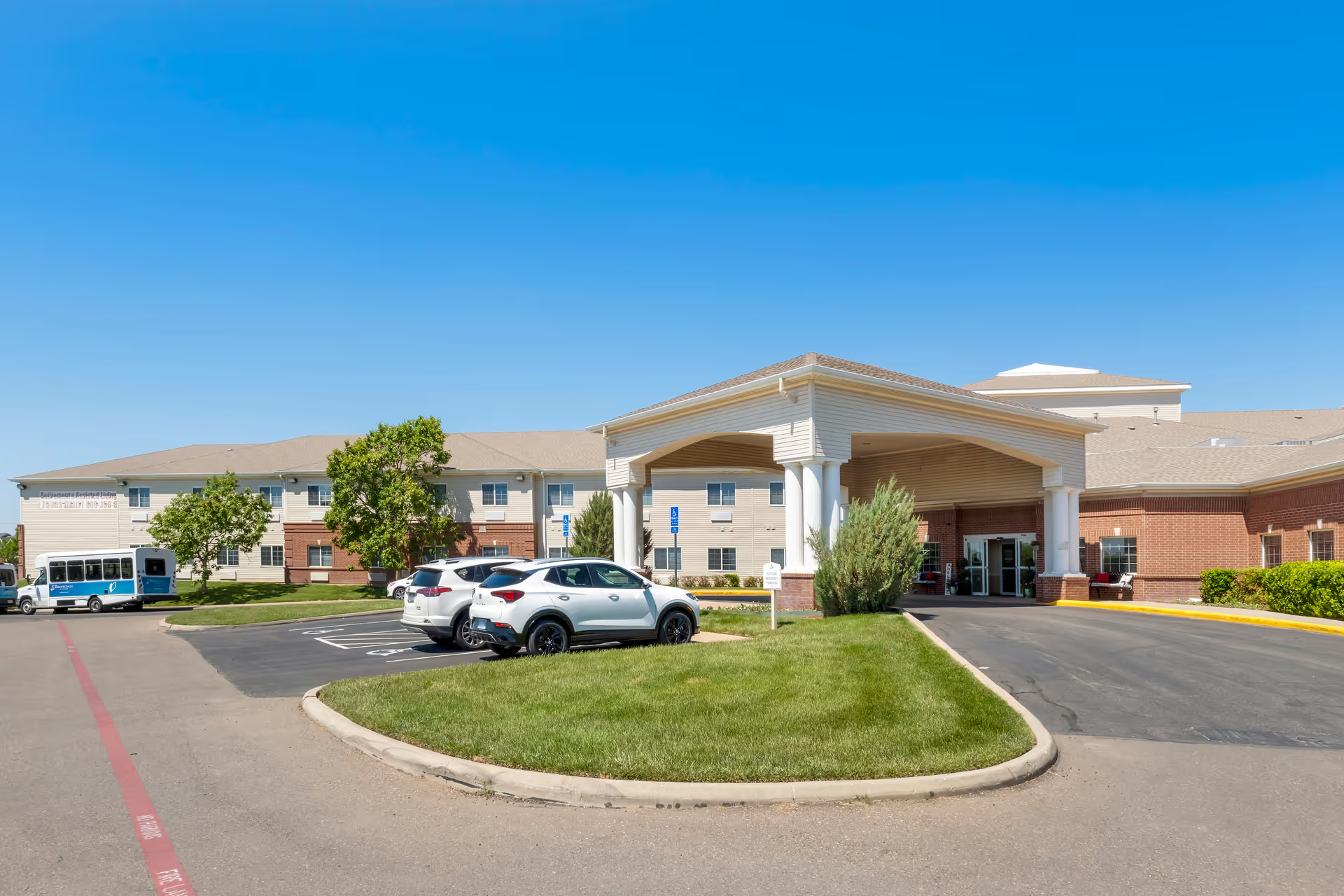
Therapy and activities are a clear strength for many residents. Physical and occupational therapy are described as knowledgeable and effective, and the facility's activity programming (live bands, outings, bucket‑list events, BBQs) contributes to a family‑like, engaging atmosphere. Transportation services, including a wheelchair‑accessible van and punctual drivers, are cited as reliable and helpful for community outings and appointments.
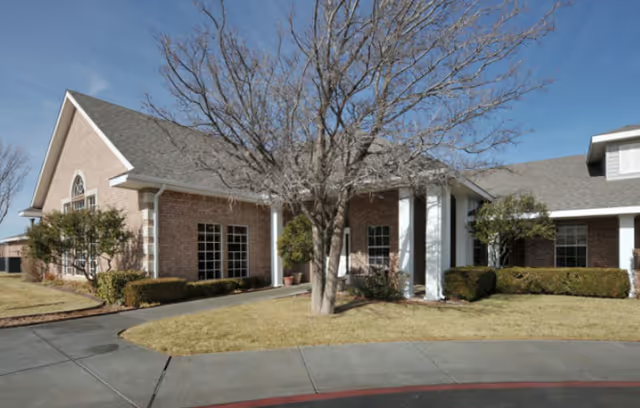
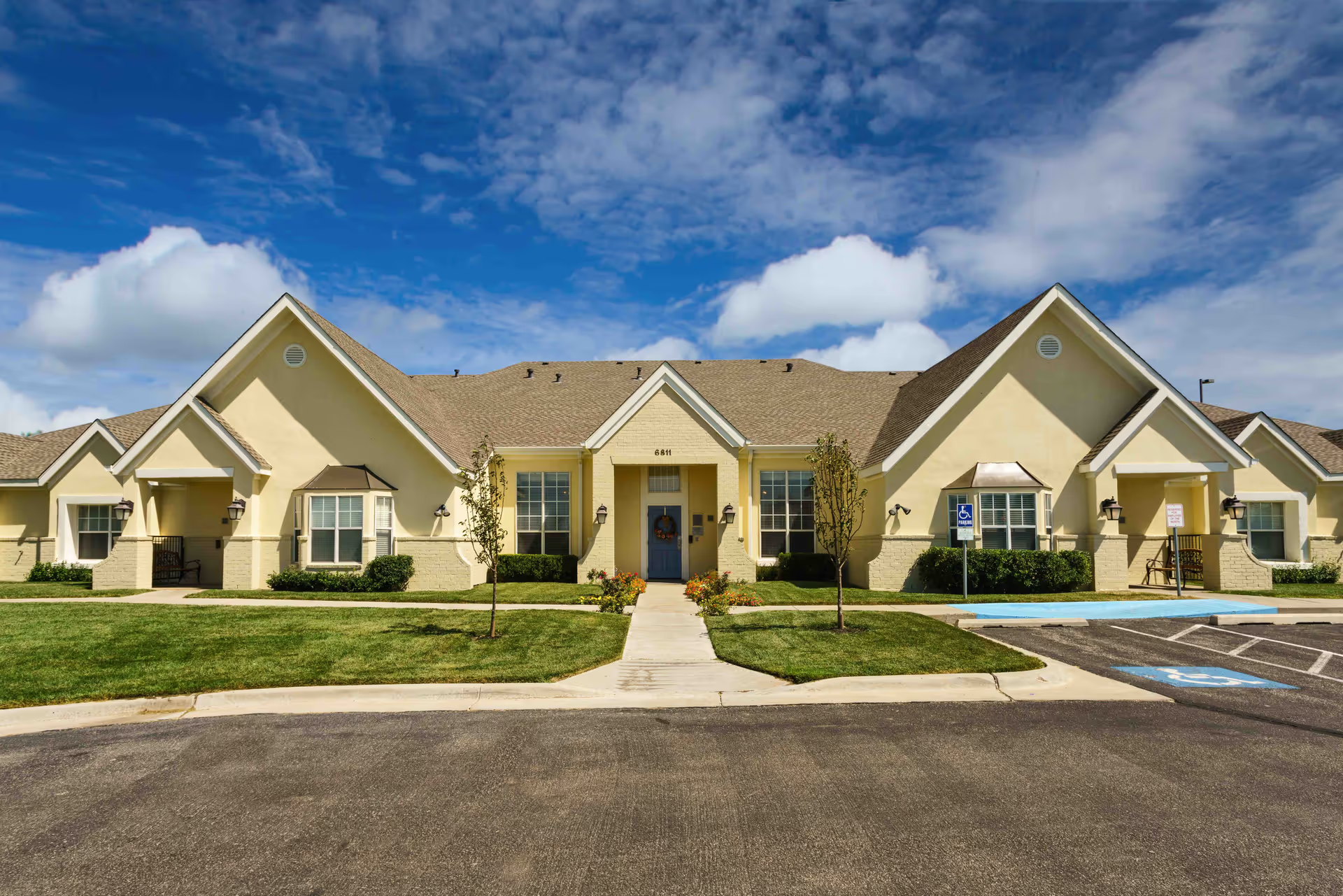
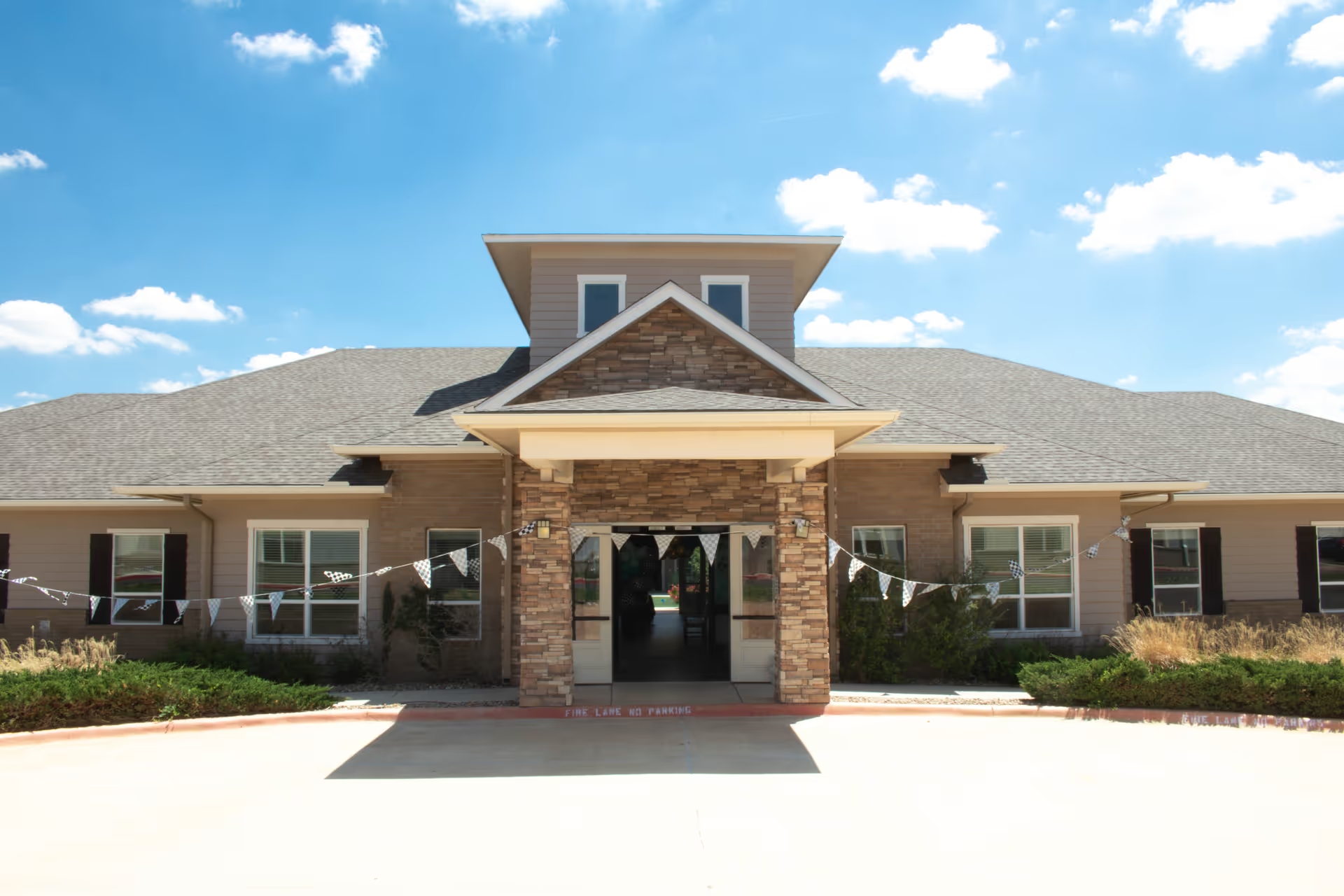
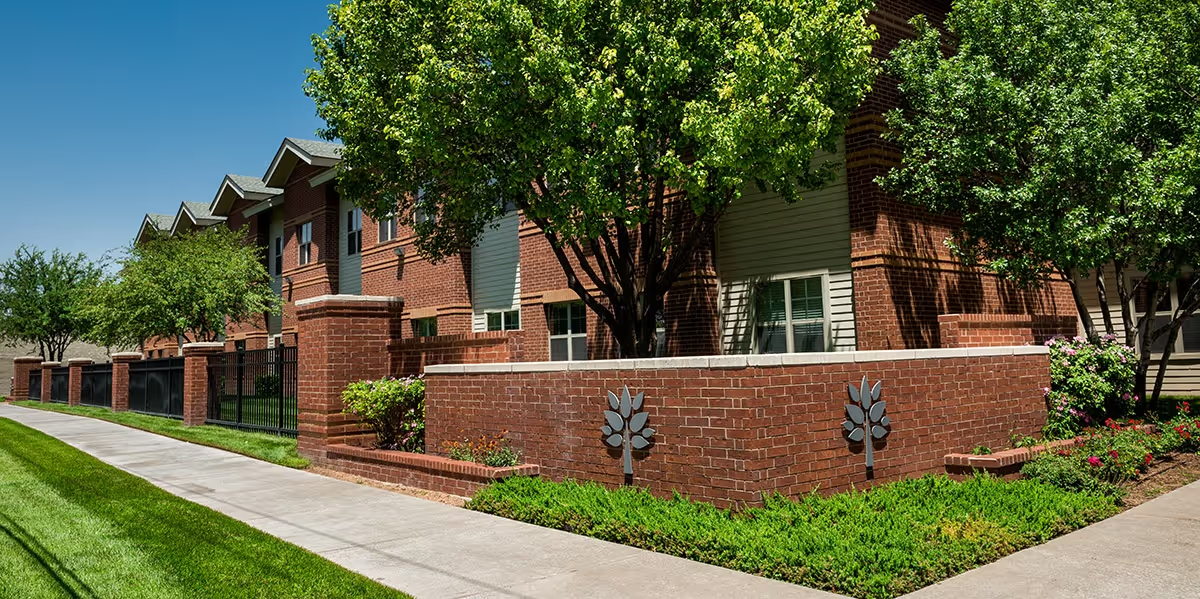
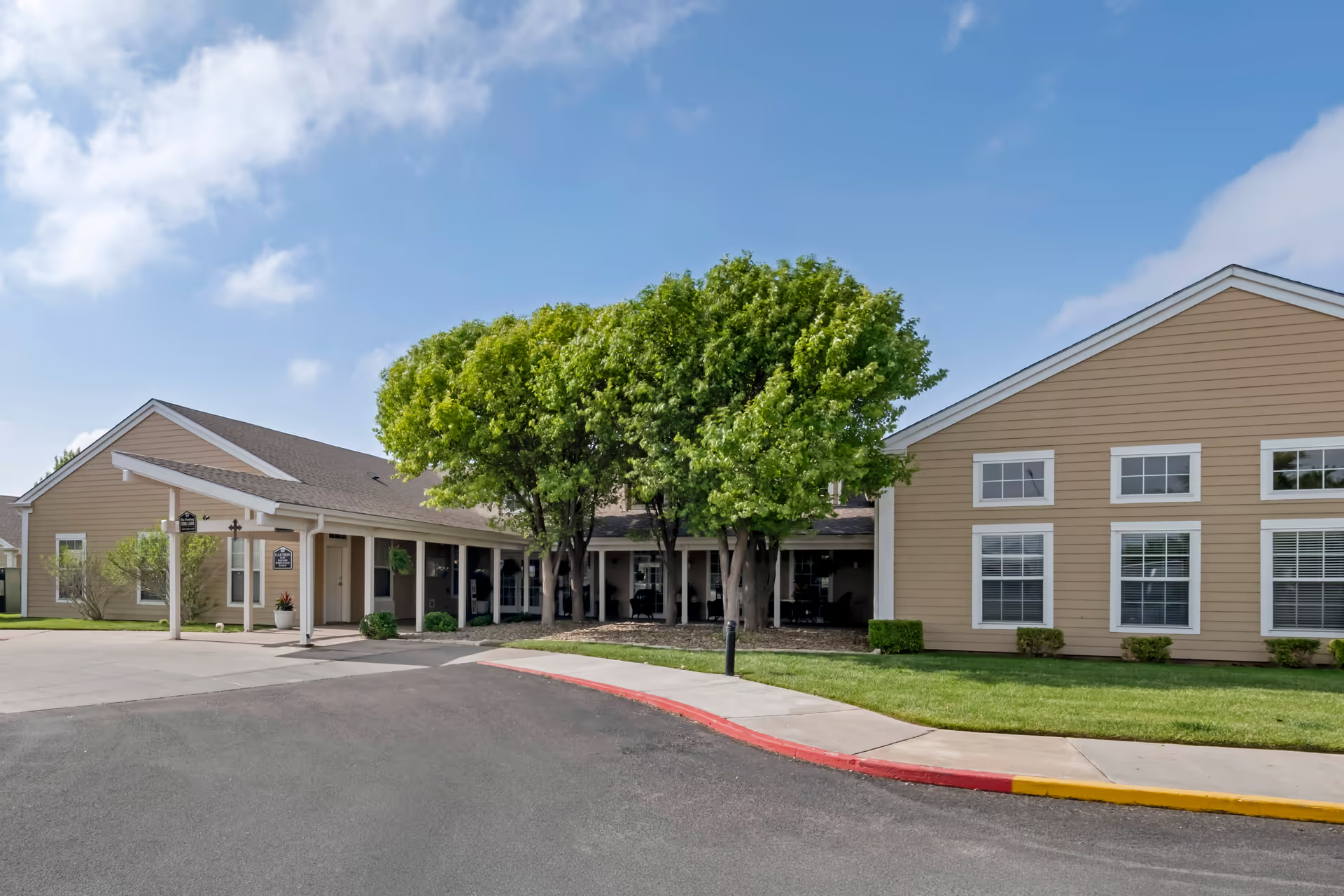
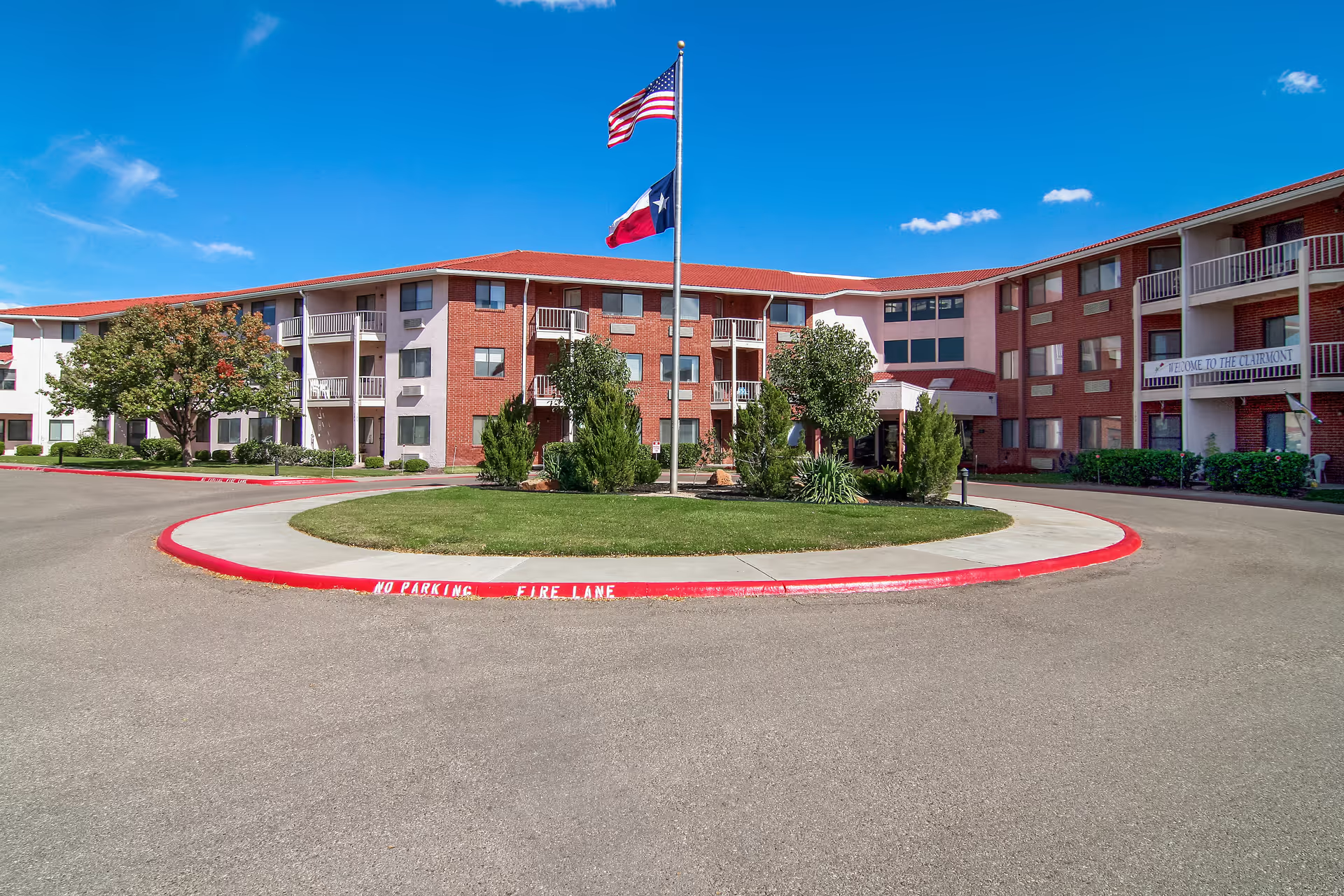
Facilities and dining show mixed feedback. The building is described as older and in need of cosmetic updates and better lighting in some areas; reviewers contrast the dated decor with high standards of cleanliness. Food quality is variable: while some guests call meals hot and appetizing, others find offerings bland, indicating inconsistent culinary execution. In‑room communication infrastructure drew specific negative mention (limited phone access), which has practical implications for family contact and routine coordination.
Management and reputation present diverging impressions. Many reviewers praise an engaged administrator and responsive leadership who address concerns; several single‑point leaders were named positively. Conversely, other accounts note poor communication and perceived prioritization of financial concerns, and there are allegations concerning review/rating manipulation that warrant cautious interpretation. Prospective families should balance the consistently positive statements about staff compassion and therapy outcomes against the operational concerns noted above.
Practical takeaways: Landmark may be a strong choice for families prioritizing rehabilitative capability, hands‑on nursing, and a lively activity program in a facility with private rooms. Prospective residents and their families should specifically inquire about therapy start times and continuity, infection‑prevention protocols and clinical oversight, in‑room communication options, and recent or planned capital improvements to address cosmetic and lighting issues. Visiting in person, speaking with unit staff across shifts, and reviewing the facility's quality and inspection records will help clarify whether the strengths align with your priorities and whether the operational concerns have been addressed.