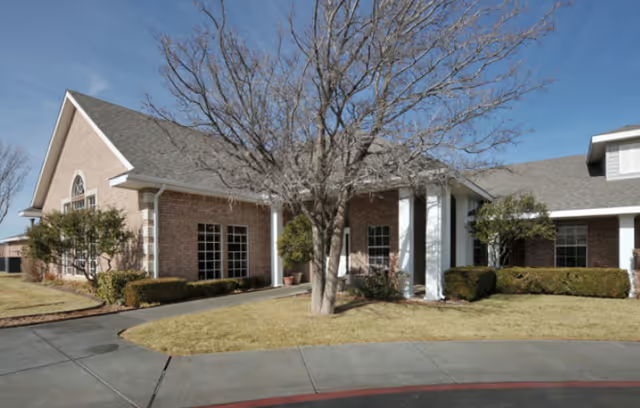
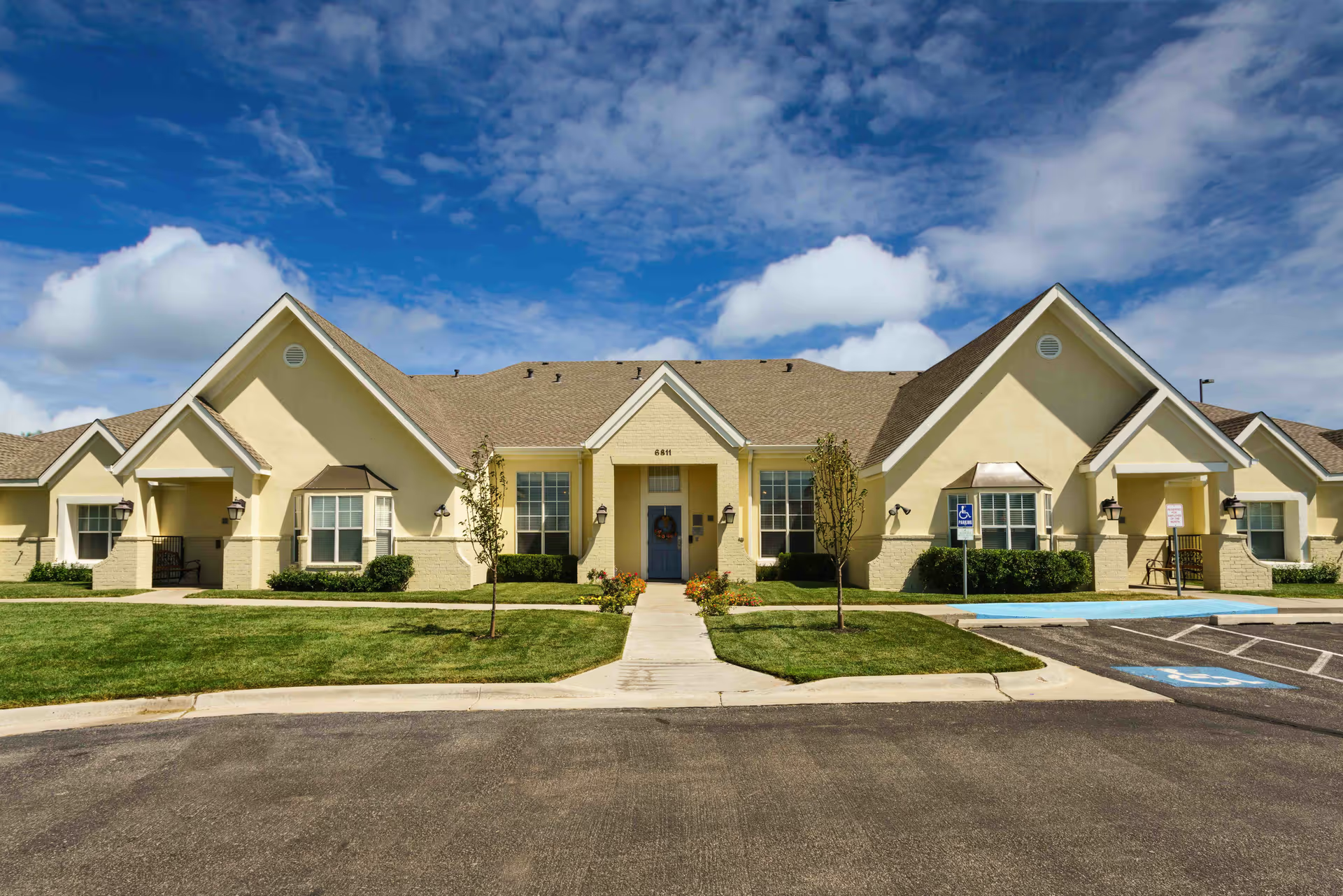
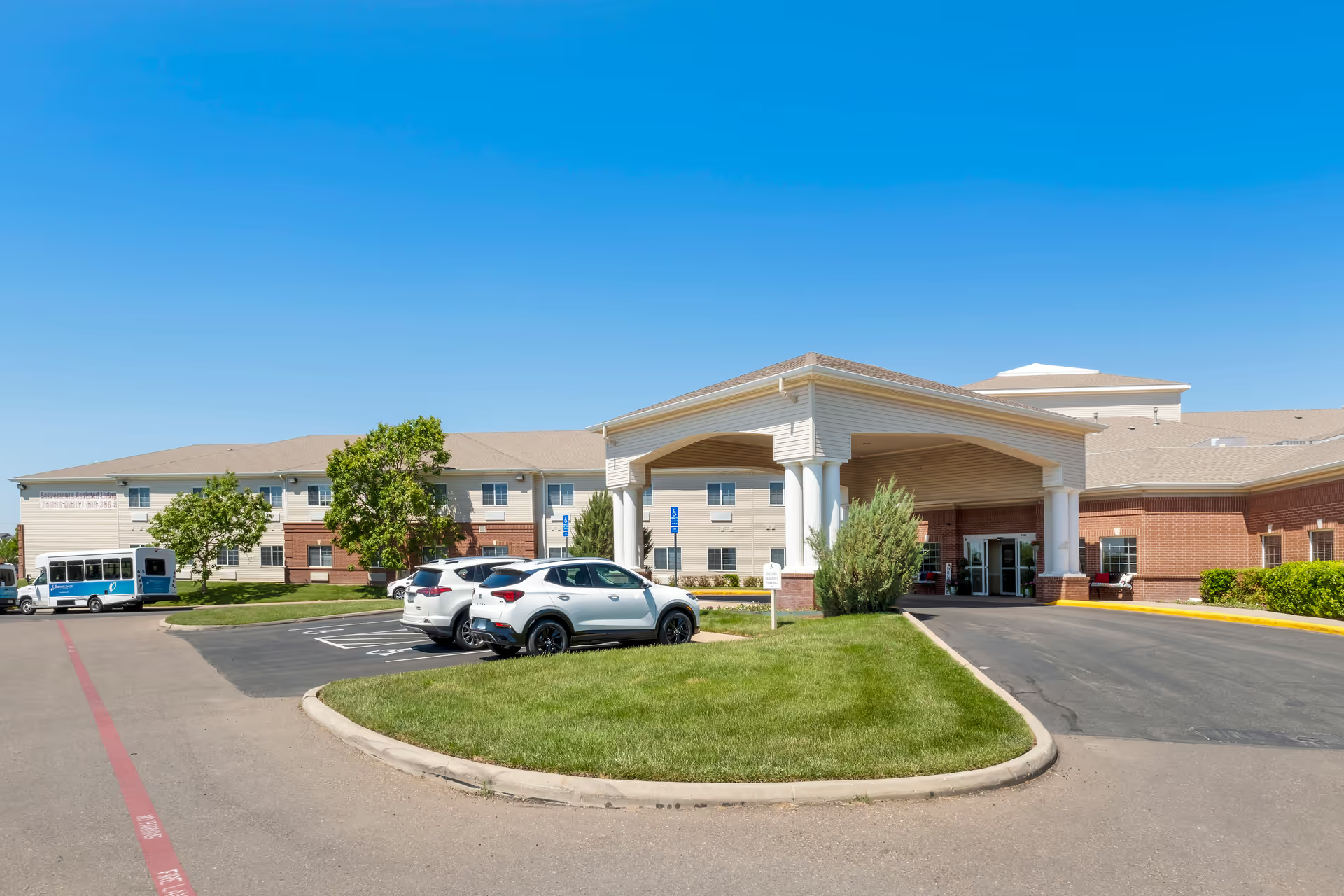
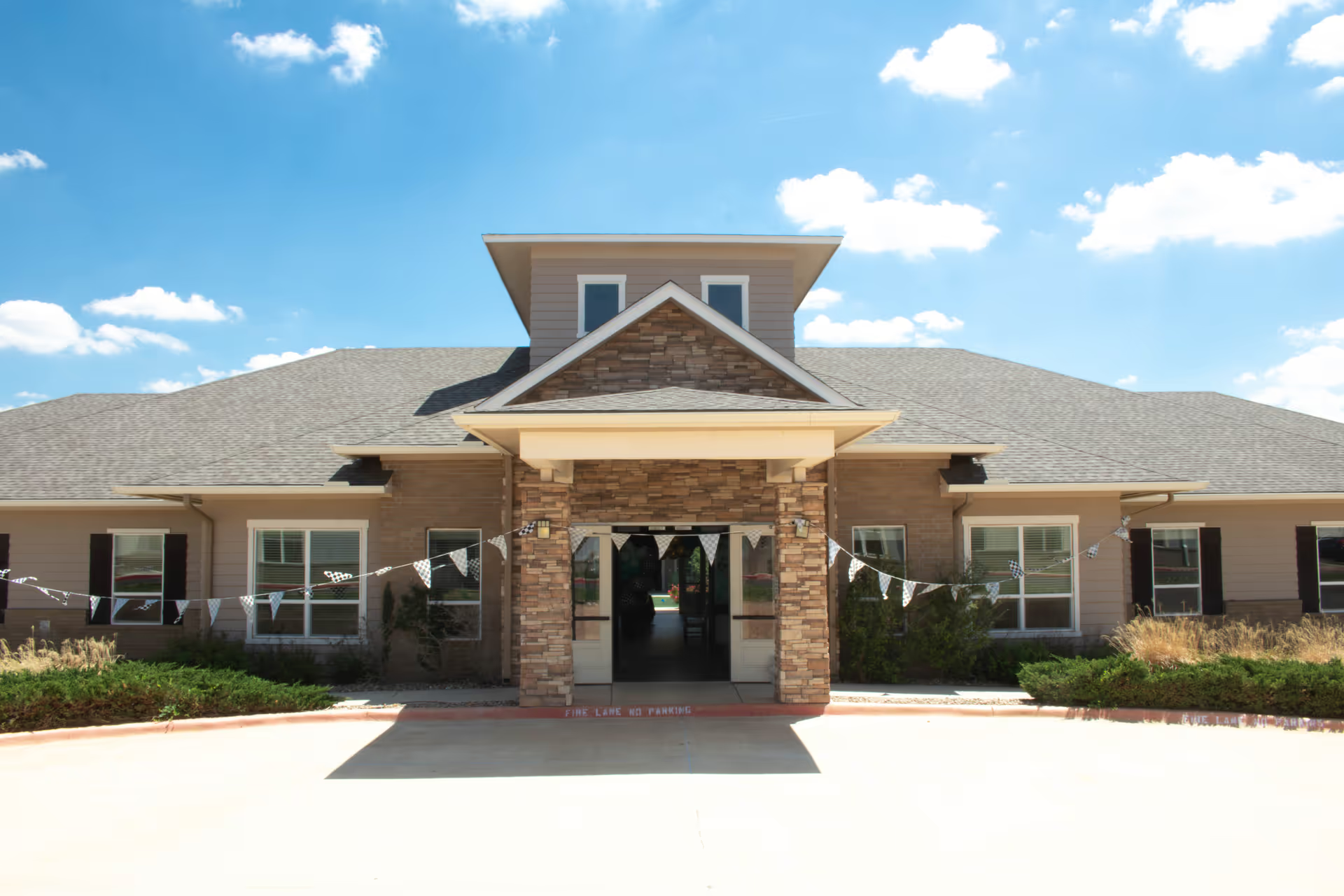
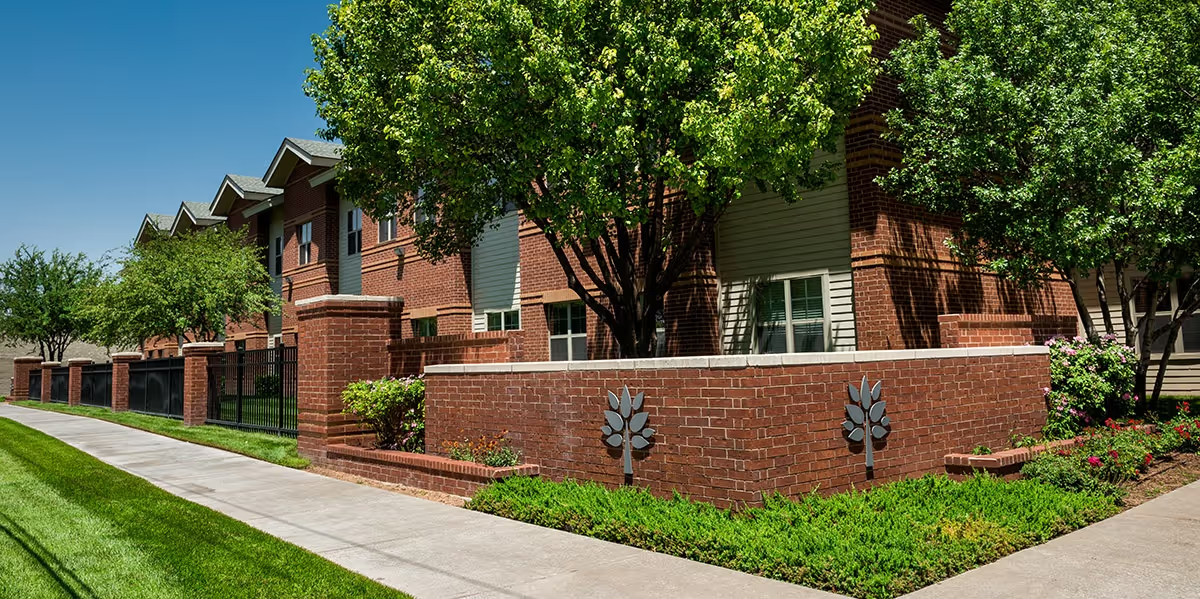
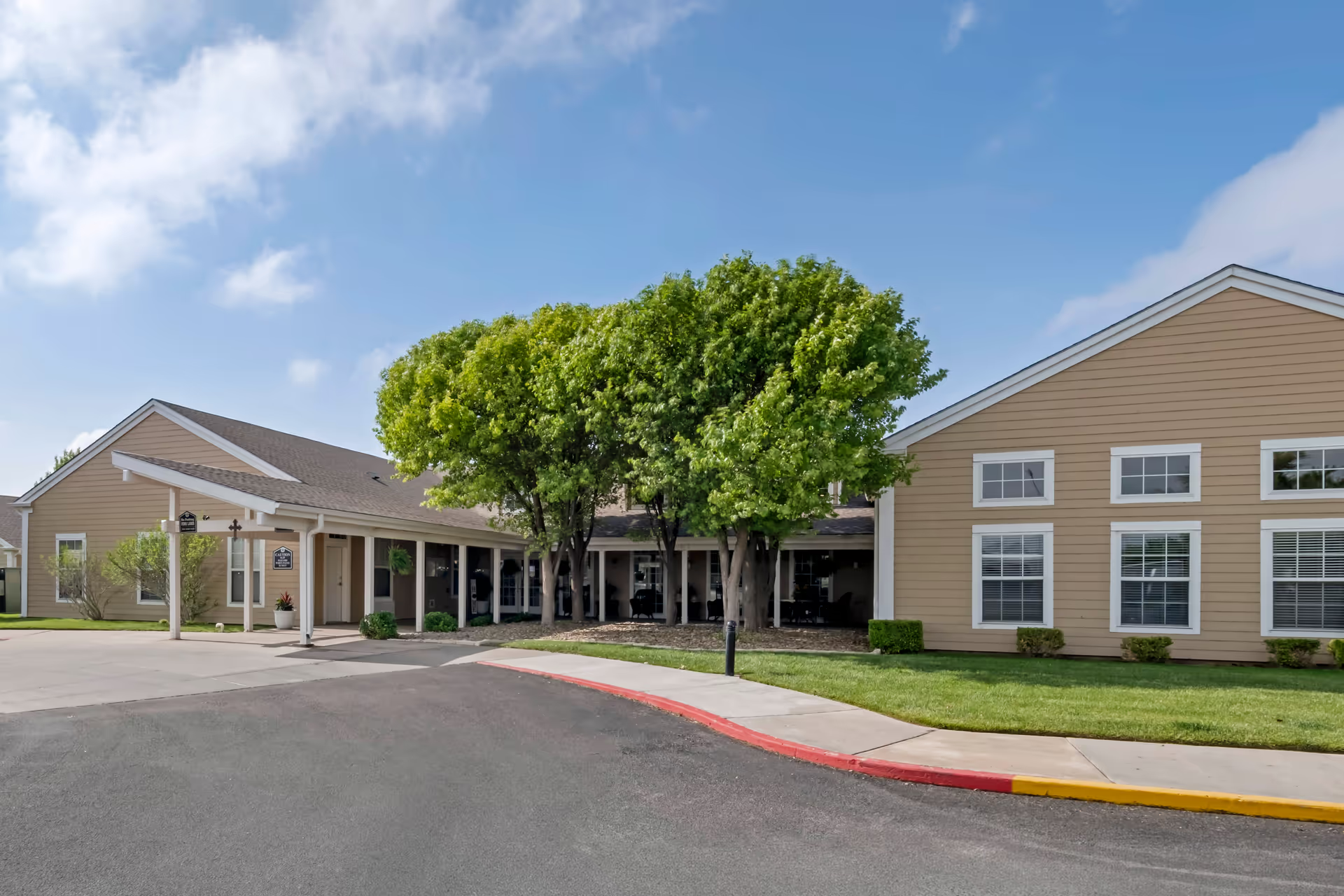
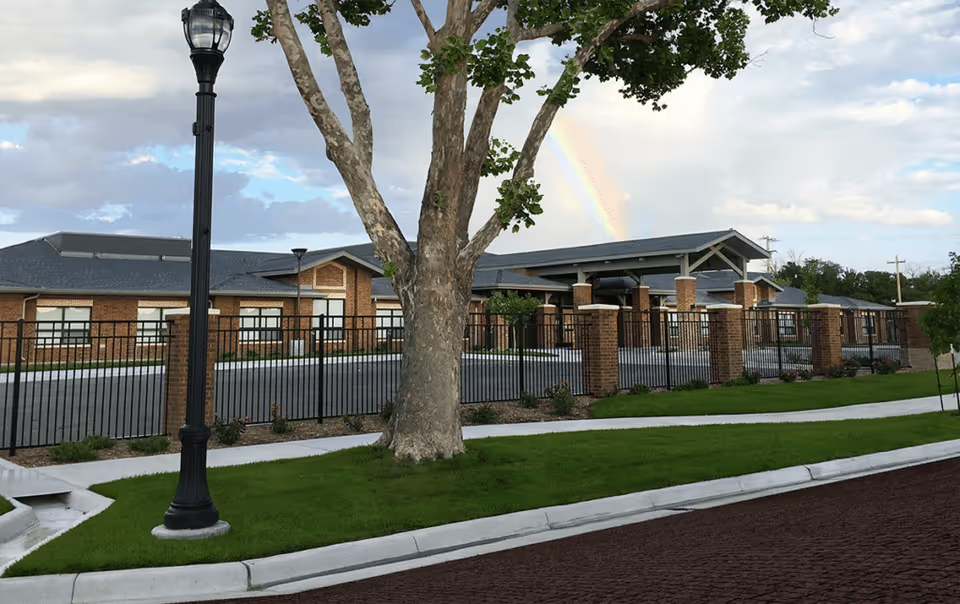
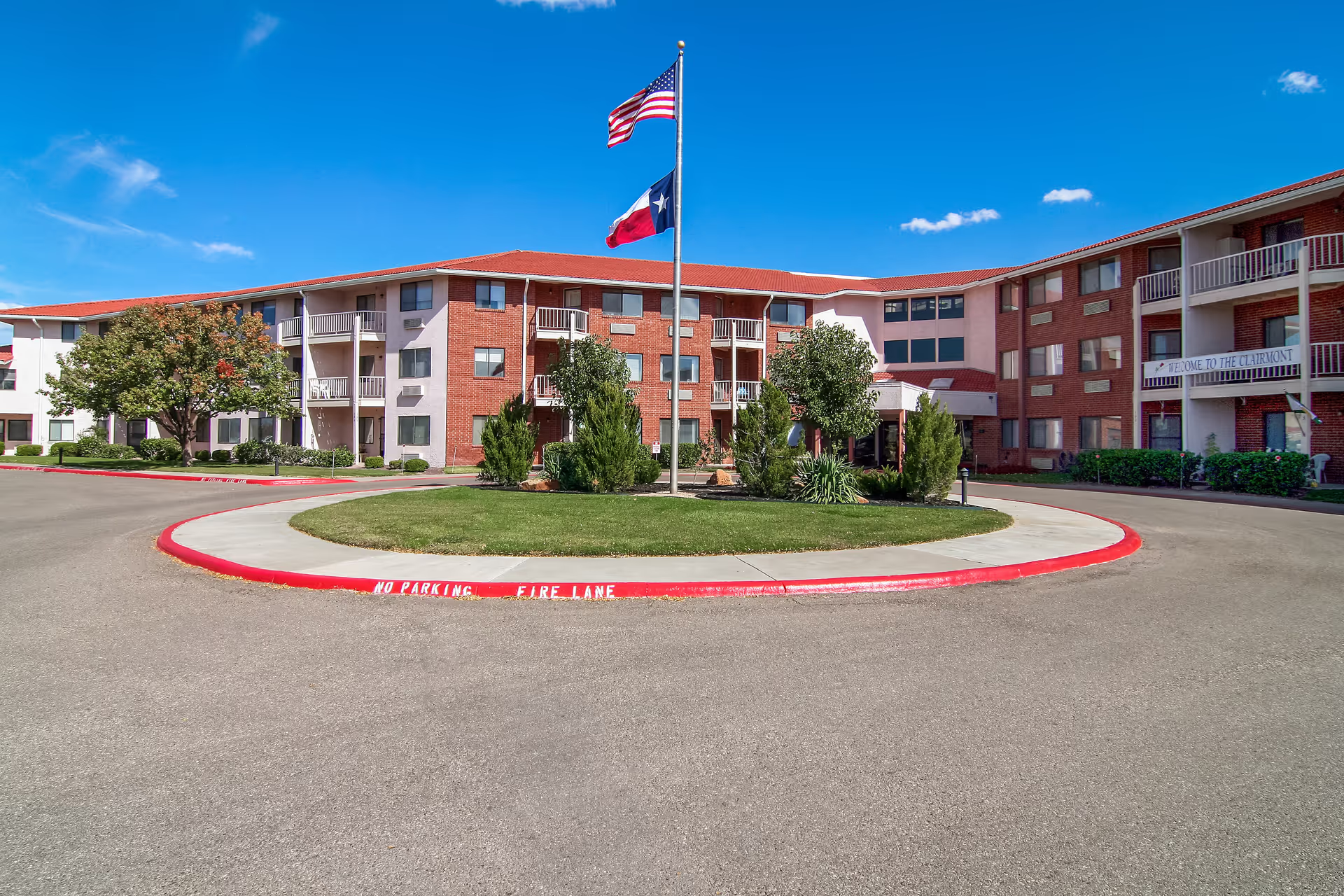
The Craig presents as a large, well-appointed senior living campus with many attributes families value for independent living: spacious cottages and apartments (including two-bedroom units with kitchens), extensive landscaping and pond-side views, covered walkways, and a broad set of on-site amenities (salon, library, fitness center, pharmacy, grocery and on-site physician access). Many reviewers praised a lively activities calendar, rehabilitation services, regular social events and transportation options, and maintenance/housekeeping responsiveness. Independent living residents and families commonly describe a homey atmosphere, active resident life, and appreciation for the facility’s grounds and communal spaces.
Care quality and clinical oversight show a divided pattern. Positive accounts highlight caring, personable frontline staff, strong day-to-day supervision in some units, and reassuring short-term rehab outcomes. However, there are consistent operational concerns related to clinical processes at higher-acuity levels: delays in medication administration, untimely delivery of prescribed therapies, gaps in diagnostic follow-through, and documentation inconsistencies during discharge or transfers. Families described outcomes such as nutritional decline and infection-related issues in individual cases; these indicate a need to verify clinical staffing ratios, medication-administration controls, and post-discharge communication before placement in assisted or skilled nursing levels.
Staffing and staff conduct present mixed signals. Many reviewers singled out dedicated caregivers, compassionate aides, and named leaders who improved operations and resident experience. At the same time, there are recurring comments about understaffing, heavy workloads, staff turnover after ownership changes, and instances of unprofessional or culturally insensitive behavior. These issues manifest operationally as slow response times to calls, uneven attention in higher-dependency units, and variability in the admissions and tour experience.
Dining and food service are another area with split feedback. The facility’s dining venues and cafeteria are often described as attractive, with many reviewers praising menu variety and high-quality cuisine. Conversely, delivery-service situations (for example when dining room service is suspended) and peak cafeteria times have produced inconsistent meal temperatures, service delays, and occasional menu or order-matching issues. Families should assess current meal-delivery protocols and dining staffing if reliable in-room service is a priority.
Facilities and programming are marked strengths for independent living and the social aspects of campus life: multiple dining areas, activity and craft programs, on-site salon and shopping, and well-kept outdoor spaces. Memory-care and some assisted-living accommodations were described by some families as compact or institutional in layout; these areas may feel less inviting and have limited private space, which is an important consideration for residents needing memory or higher-dependency care.
Management and administrative matters vary across accounts. Several reviewers credit recent leadership for improvements in maintenance and housekeeping, while others describe delayed contract fulfillment, billing issues, or inconsistent communications during transitions of care. There are also serious individual allegations—including concerns about cultural insensitivity and, in a few cases, serious clinical outcomes—that warrant direct inquiry with the facility and review of any relevant regulatory findings.
Overall pattern and guidance: The Craig appears to be a strong fit for independent-living residents seeking a maintenance-free, socially active environment with attractive grounds and onsite amenities. For families considering assisted living, skilled nursing, or memory care, the reviews point to variability in clinical reliability, staffing consistency, and the physical environment of higher-acuity units. Prospective residents and families should conduct focused assessments of medication-management procedures, staffing ratios for the unit under consideration, dining-service continuity (including in-room meal delivery), and the facility’s current leadership and quality-improvement initiatives before making placement decisions.