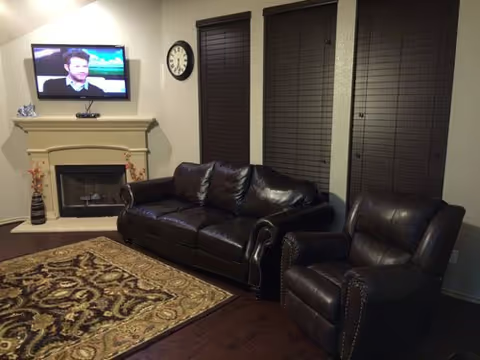
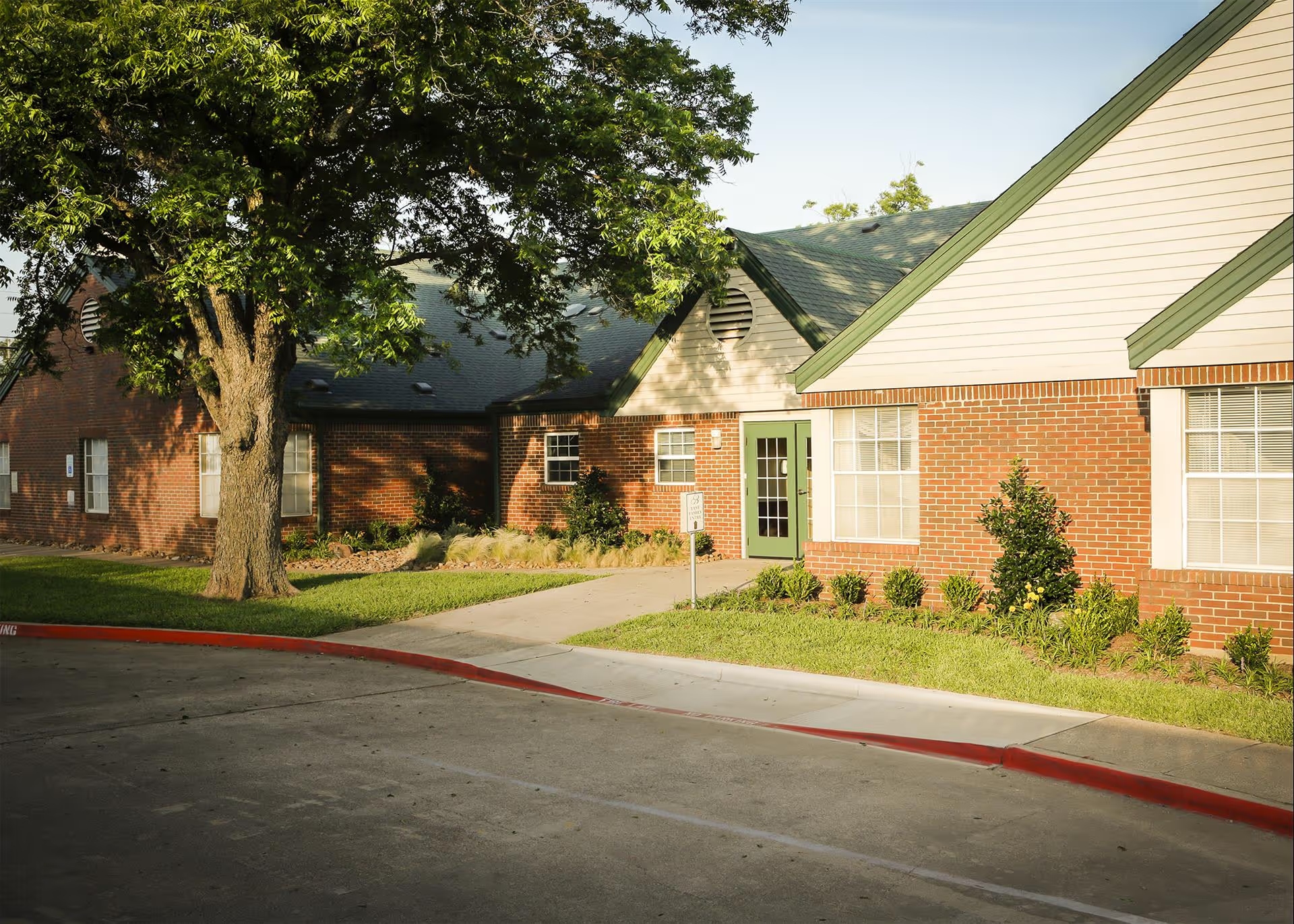
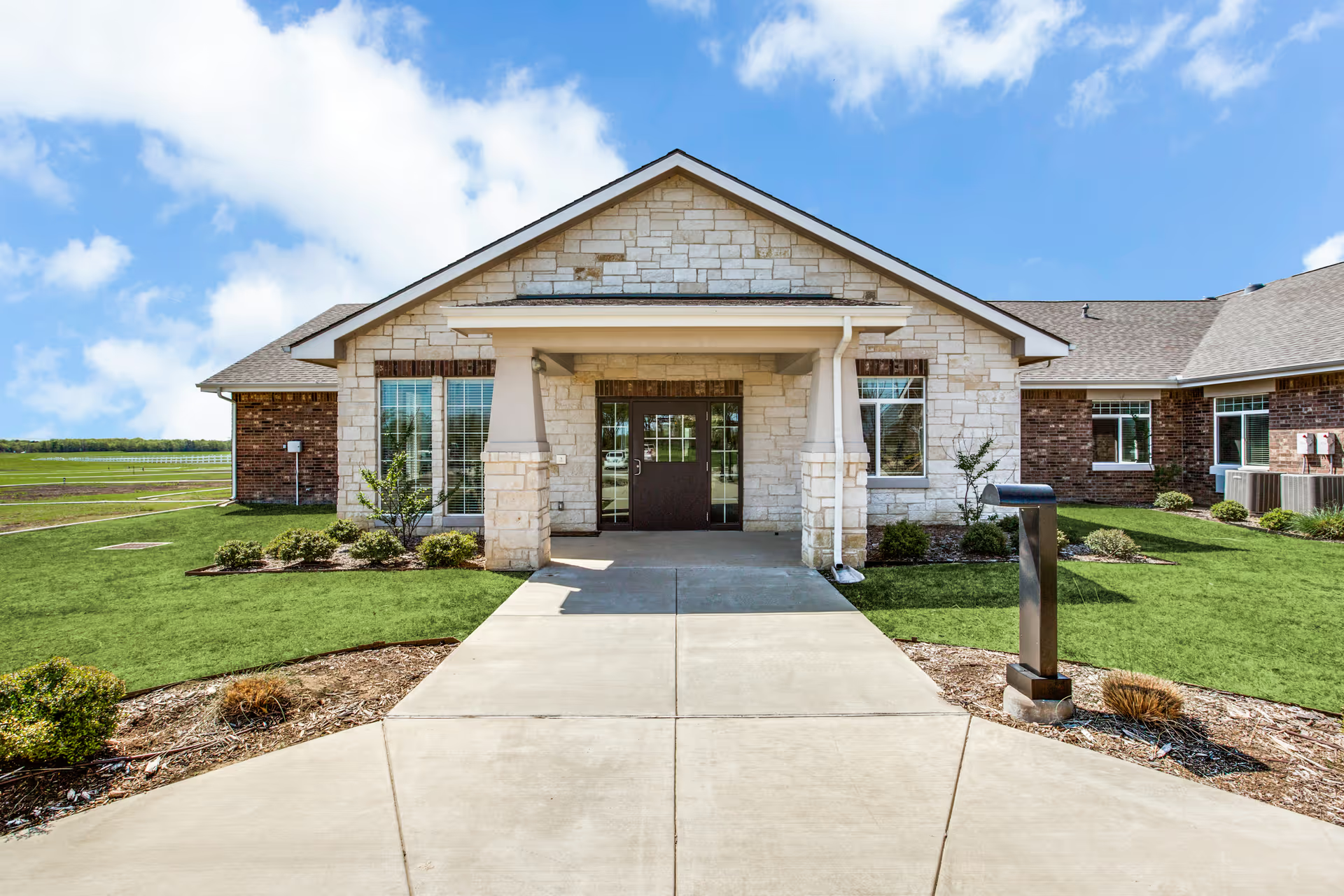
Castle Rock Assisted Living elicits strongly mixed impressions. Many families praise the staff and daily life: reviewers describe a friendly, welcoming culture with long-tenured managers, nurses, and dining staff who provide personalized, resident-centered attention. On the positive side the community offers spacious apartment options (studios and one- to two-bedroom suites), accessible on-site management, active transition support, varied dining choices, and regular activities. Several mentions of timely medication administration, attentive nursing aides, and a homelike dining and communal environment indicate consistent strengths in day-to-day resident engagement.
At the same time a set of recurring operational concerns appears in the feedback. Staffing levels are commonly flagged as inadequate, particularly overnight and on weekends, and this ties to inconsistent delivery of personal care tasks such as bathing and continence assistance. Relatedly, reviewers raise issues around nutrition monitoring and dental care coordination; items such as unexplained weight loss and dental deterioration suggest gaps in preventive clinical oversight for some residents. Dining quality is uneven across accounts — while many praise the menu and food quality, others describe poorly prepared meals or missing meal components.
Several more serious patterns emerge that families should investigate directly. There are allegations of theft and concerns about safeguards for resident belongings, and at least one review raises licensing and compliance issues involving clinical staff. Additionally, some families describe unexpected or escalating charges (including changes in rent or fees when residents are under hospice care), which points to a need for clarity about contract terms and fee schedules.
Facility amenities and programming present a mixed picture: the community is described as warm and home-like with meaningful activities, but others note limited offsite outings, variability in activity leadership, and occasional environmental/amenity inconsistencies (for example, temperature control in common areas and missing basic services). Communication with management is frequently noted as a strength — many families find leadership accessible and accommodating — yet several reviewers advised speaking with someone beyond the activity director to get a full sense of operations.
For prospective residents and families: Castle Rock shows clear strengths in culture, staff continuity, and apartment-style living that many families find comforting and high-quality. However, the pattern of concerns around staffing levels, consistency of personal-care practices, clinical oversight (including dental and nutrition), financial transparency, and serious allegations about belongings security and licensing mean families should perform targeted due diligence. Recommended next steps include asking for staffing ratios by shift, written policies on personal-care schedules and property safeguards, clarification of all fees and how they change with care levels or hospice, verification of staff licenses and compliance records, and speaking with current residents and family members about recent care experiences.