The reviews present a strongly mixed picture of Coral Rehabilitation and Nursing of Austin. A consistent strength cited across many accounts is the caregiving staff: nurses, aides, rehab therapists and dietary employees are frequently described as compassionate, attentive, and capable of producing positive clinical outcomes (including successful ambulation gains and continuity of dialysis care). Rehabilitation (PT/OT) is repeatedly praised, and several families highlighted individual staff members and coordinators who were responsive and effective in arranging care and communication.
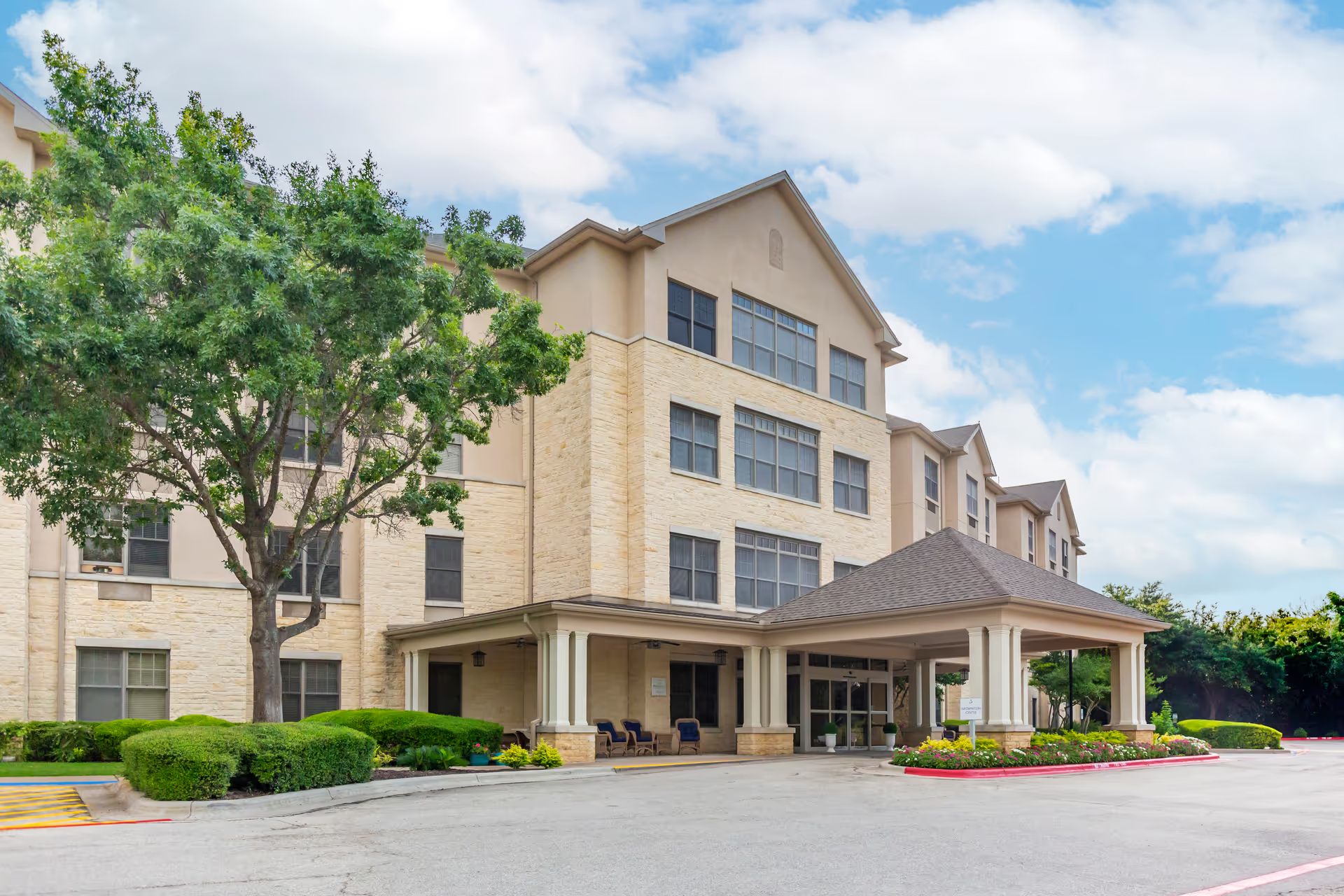
At the same time, operational and facility-level issues recur. The building is described as dated: low ceilings, dark hallways, peeling wallpaper, and other maintenance deficits that contribute to a less inviting physical environment. Cleanliness and sanitation practices appear inconsistent across units and shifts; reviewers alternately described the facility as very clean and as having odor or sanitation concerns. Staffing patterns also appear uneven — reviewers report both dedicated, high-performing employees and periods of short staffing or high patient-to-nurse ratios that correlate with delayed assistance, irregular bathing schedules, and limited supervision in some areas.
Clinical oversight and administrative processes are areas of notable variability. While some families praised prompt nursing coordination, others described medication-management problems, frequent medication changes that coincided with clinical decline, delays in physician or ambulance response, and shortcomings in transition planning and discharge communication. These accounts suggest gaps in clinical handoffs and incident-response procedures that families found significant. Language-access issues and communication tone from some staff members contributed to frustration and perceptions of inconsistent professionalism.
Dining and activities are similarly mixed. Several reviewers complimented homemade meals and an engaged dietary team, along with recreational offerings such as arts and crafts, library access, men's groups, and off-site outings. Conversely, other families noted limited activities in certain units, occasional unpalatable meals, and lapses in meal-service continuity (including weekend coverage) in specific instances.
Management and business practices are another polarized area. Some families praised knowledgeable, compassionate administrators and staff who resolved problems; others raised concerns about administrative indifference, billing and contractor-payment disputes, and promises that were not honored. A few reviews raised serious allegations about financial and contractual reliability; those claims suggest potential risk areas for families and contractors and merit direct follow-up with the facility and any relevant oversight bodies.
Overall recommendation for prospective residents and families: Coral Rehabilitation and Nursing of Austin appears to offer strong, person-centered caregiving and effective rehabilitation services, particularly when staffing is stable and individual coordinators are engaged. However, the facility’s aging physical plant, inconsistent operational practices (cleanliness, staffing coverage, medication oversight), communication challenges, and reported administrative/financial reliability issues indicate that families should conduct thorough, specific due diligence. Priorities for visits should include a walkthrough of the building and common areas, direct conversations about staffing ratios and shift coverage, review of medication-management and incident-response protocols, verification of billing and contractual terms, and discussions about language access and individual care plans. These steps can help families assess whether the facility’s caregiving strengths align with their expectations and risk tolerance given the operational limitations described.