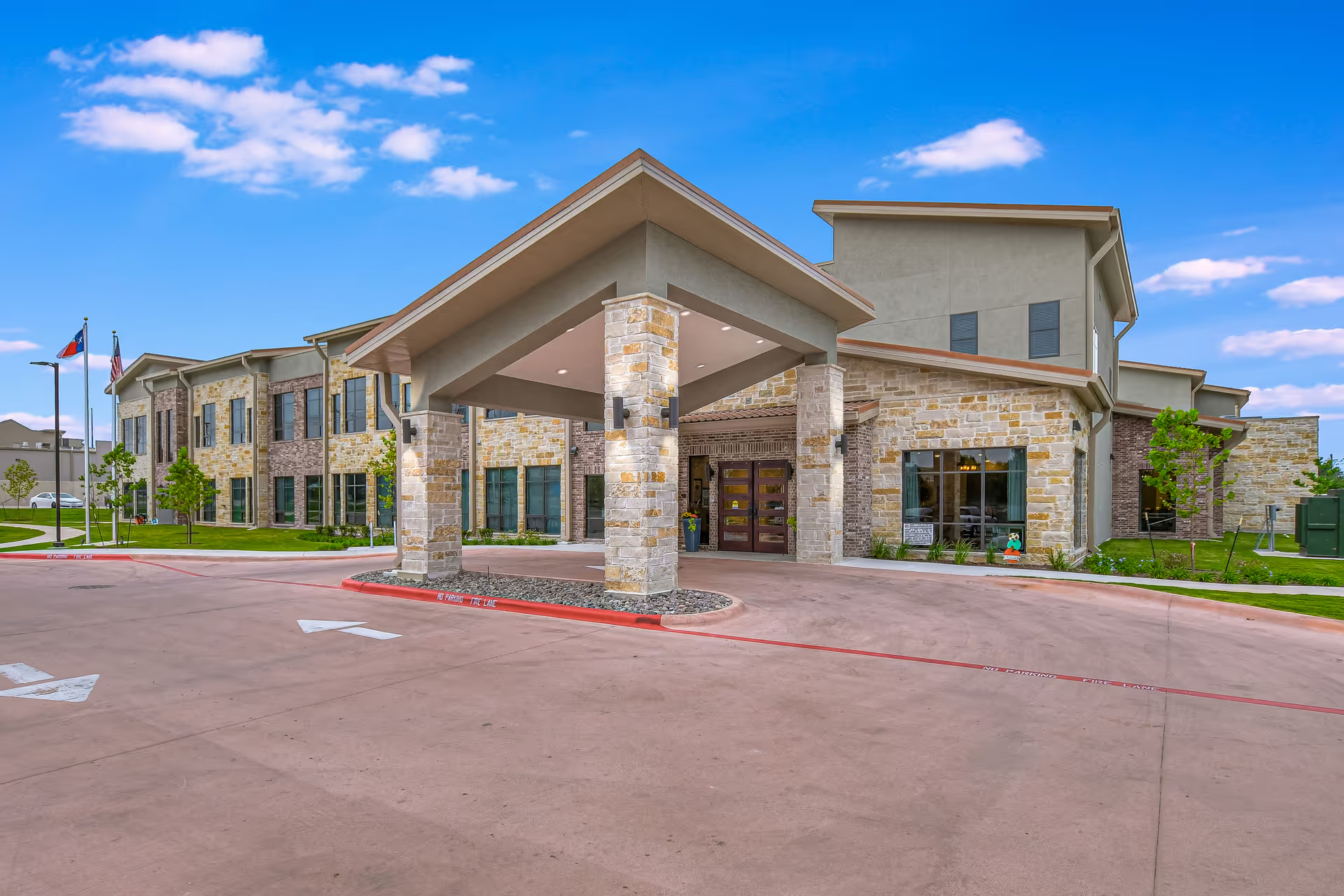
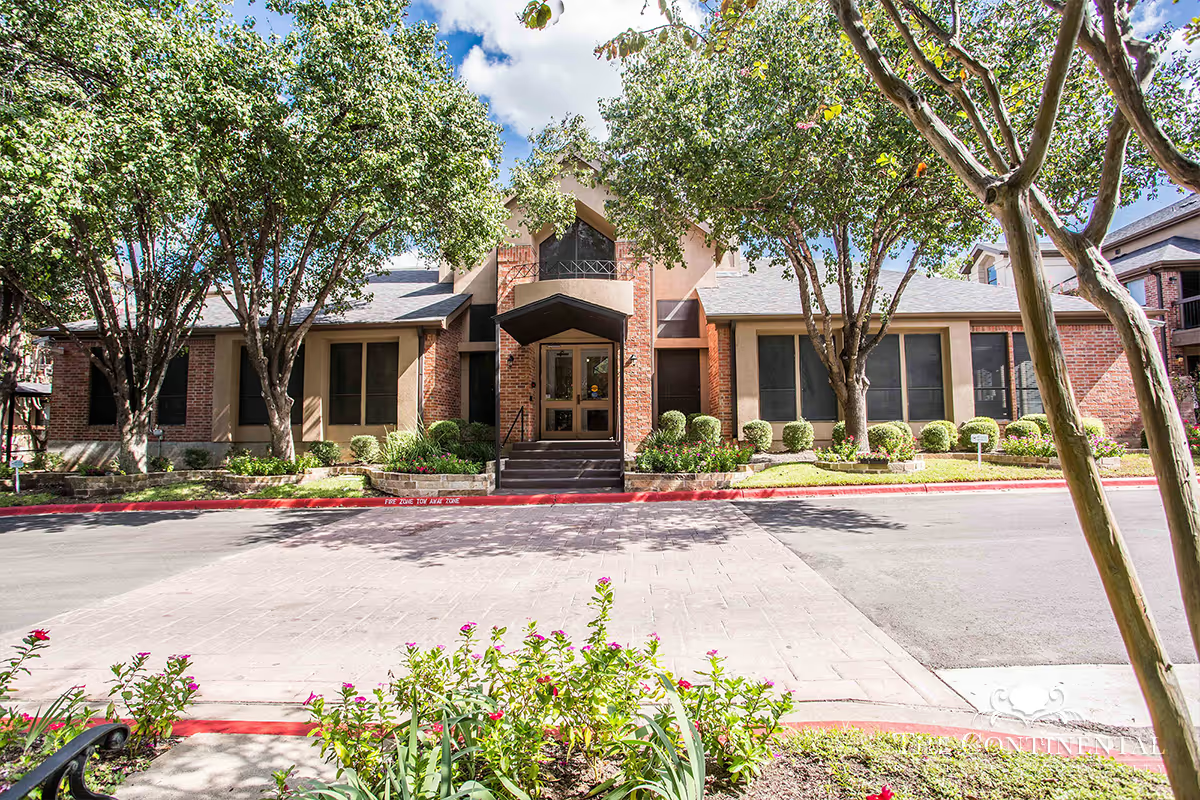
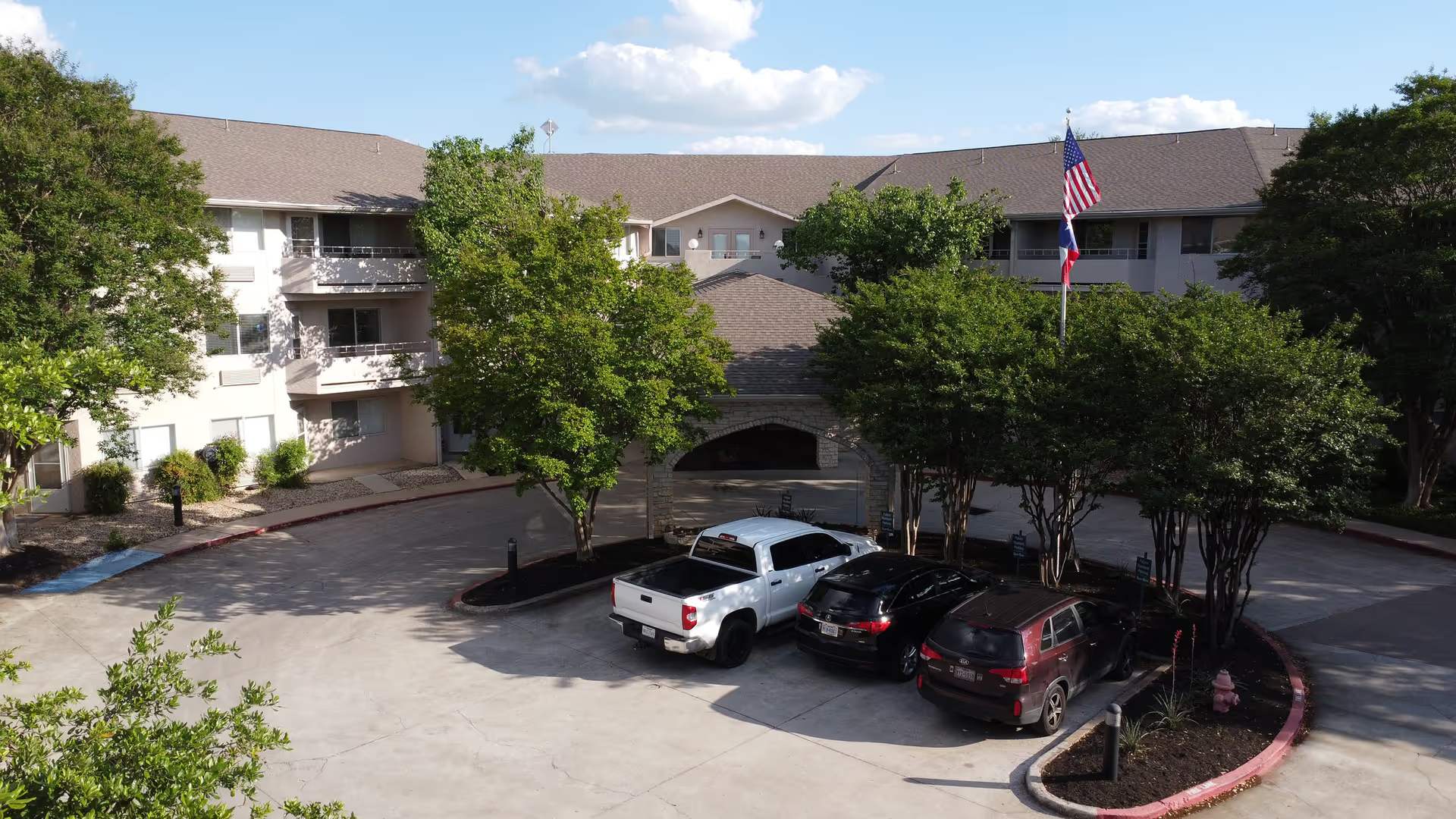
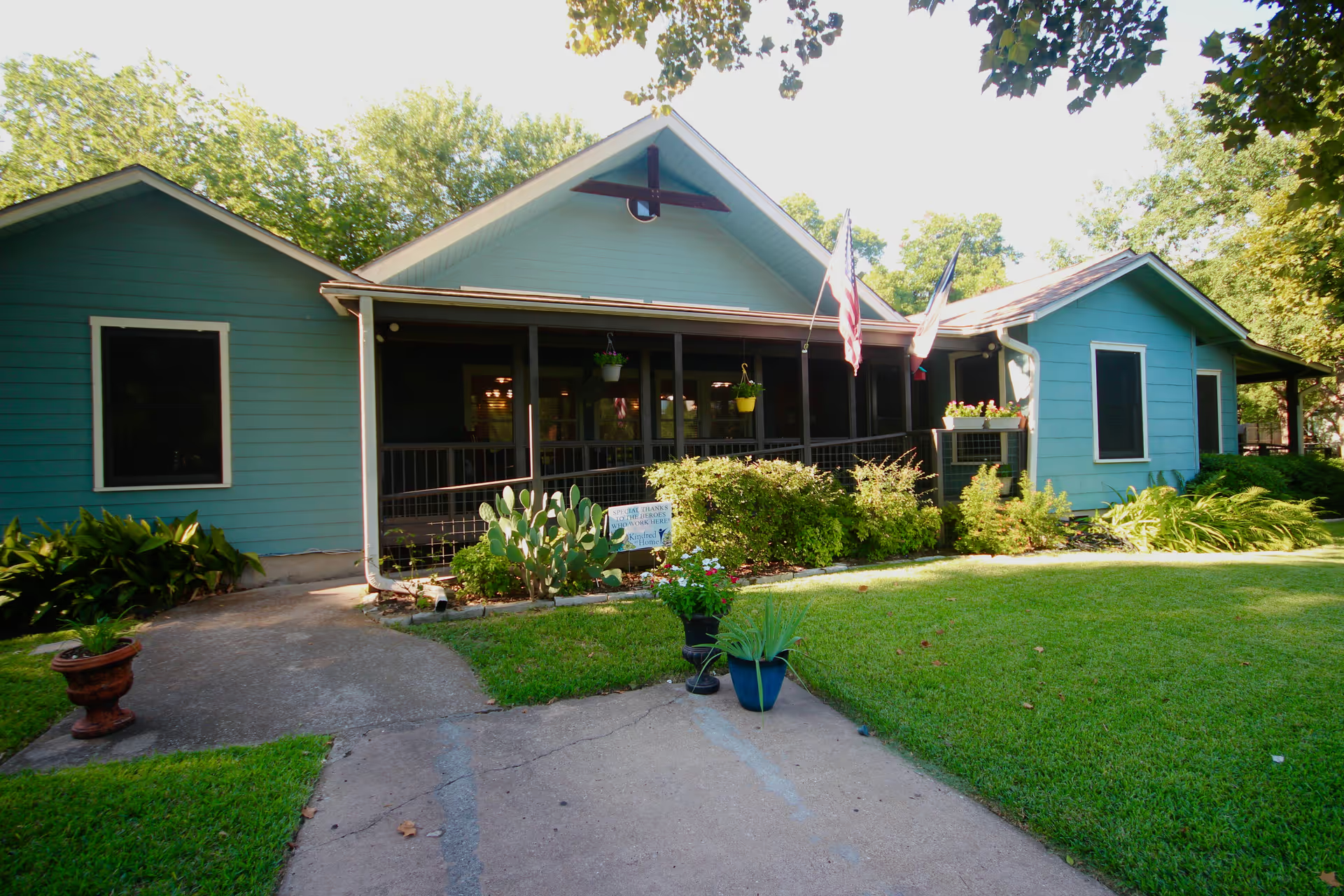
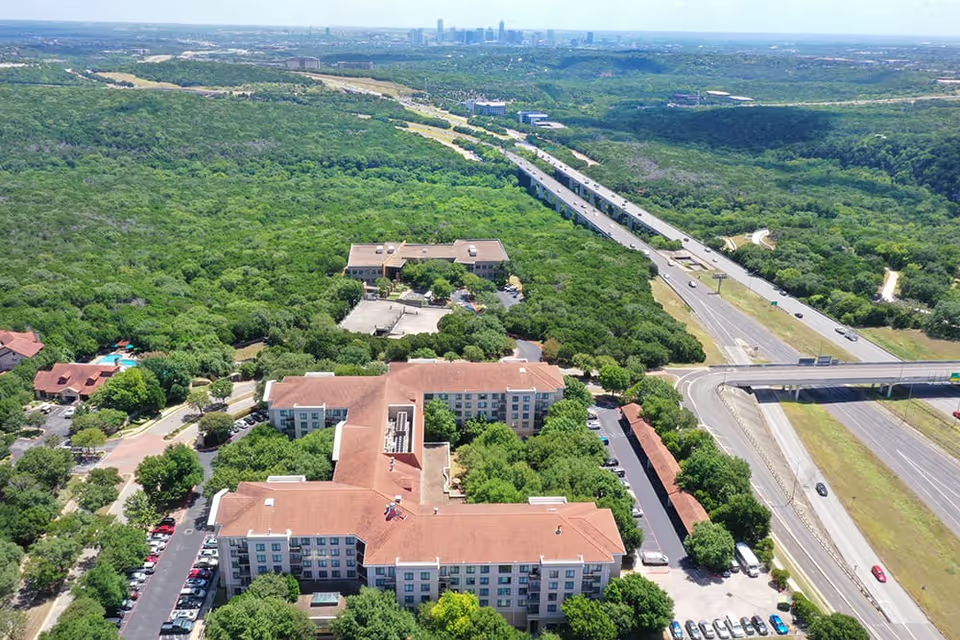
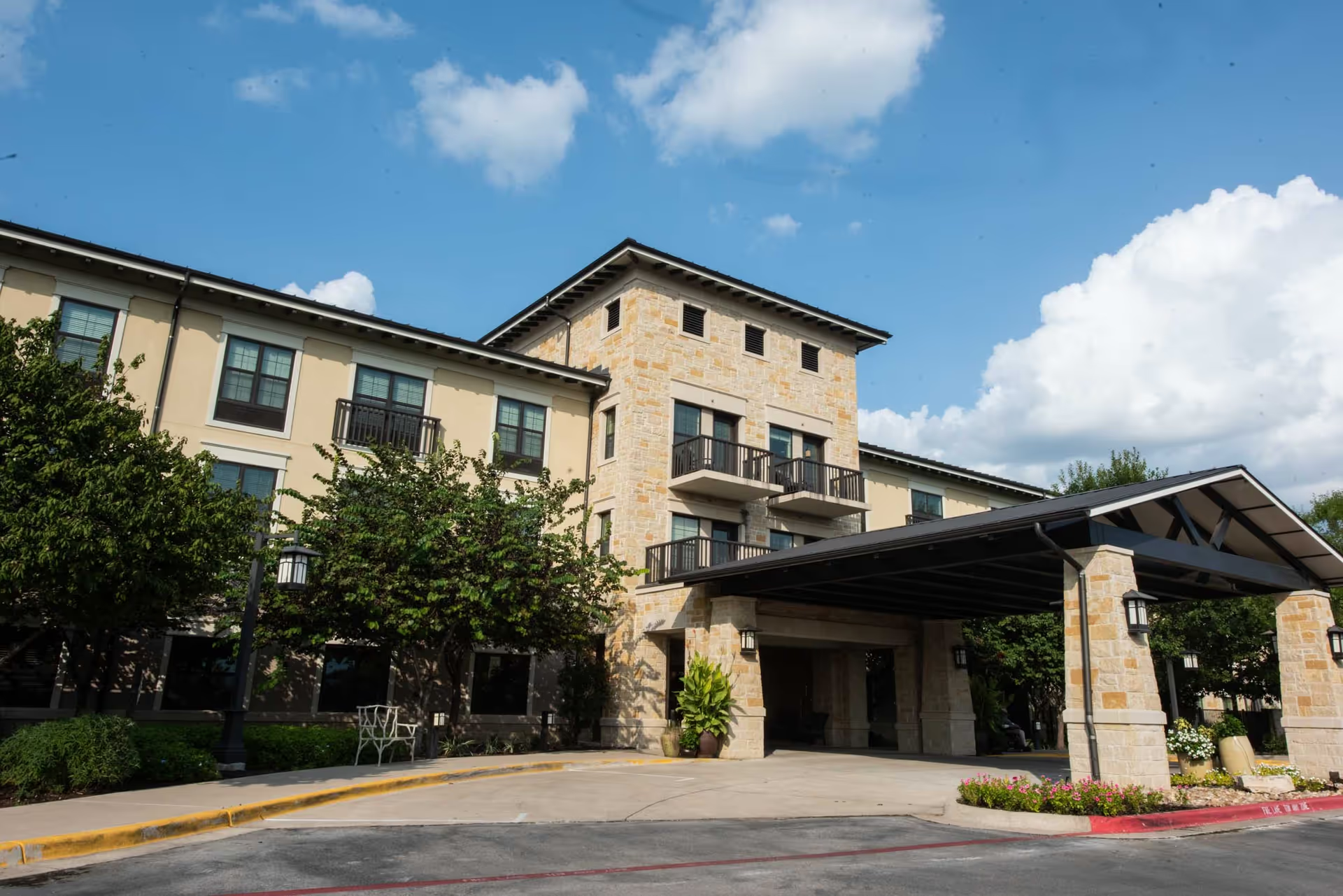
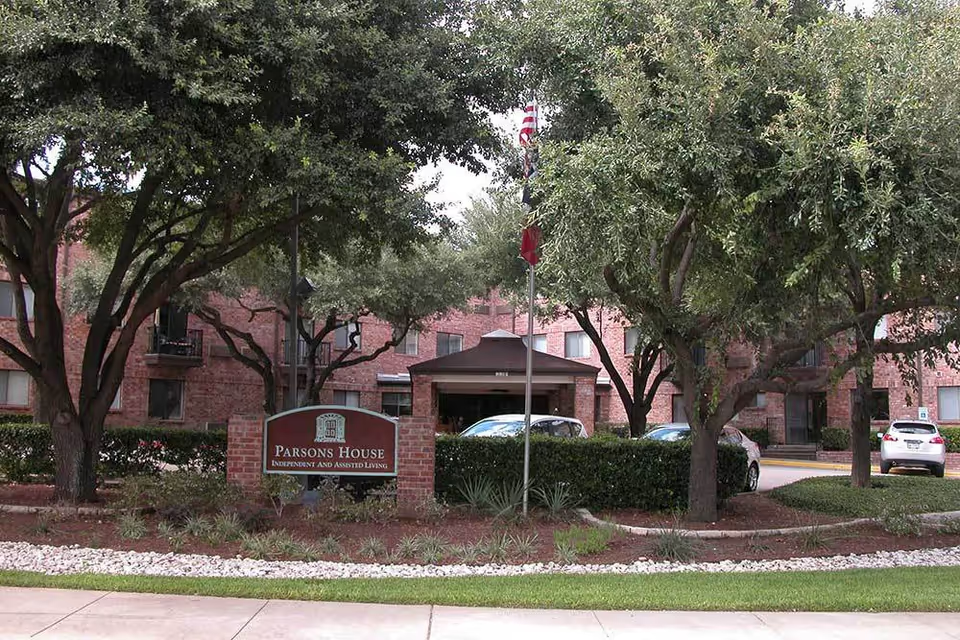
The Rebekah Baines Johnson Center presents as a well-appointed, centrally located senior living community with a range of amenities and active programming. Reviewers consistently describe clean, well-maintained grounds, attractive indoor and outdoor common areas, and rooms that offer natural light and city views. The facility design and finishes are often compared to hotel-like accommodations, and on-site services such as laundry, mail, a small grocery, and multiple gathering spaces support independent living and convenience.
Staff and care receive generally positive comments around professionalism and friendliness. Many reviewers note helpful tours, responsive maintenance, and the presence of social workers to assist with nonmedical concerns. The community supports an active lifestyle with varied programming, exercise options, and organized outings to local restaurants, libraries, and day trips. Residents appear to have access to multiple activity rooms, communal musical amenities, and opportunities for social engagement.
Dining and daily living are described favorably overall: attractive dining rooms, varied meal options, and meal availability throughout the day. Some descriptions emphasize nutritious and appealing offerings and a pantry-style selection with salads and snacks. Living units are described as spacious with private areas for residents, and security measures in halls and elevators contribute to a sense of safety.
Notable patterns of concern relate to operational and management practices. Reviewers have raised pest-control concerns and described delays in management responsiveness to incidents and complaints; these indicate a need to clarify protocols for environmental control and incident follow-up. There are also comments indicating inconsistent handling and documentation of resident belongings and unclear ancillary-fee or disposal policies; prospective residents and families should request written policies on property handling and any associated charges. A separate theme concerns staff communication and conflict-resolution practices—families may wish to ask about staff training and complaint-resolution procedures. Finally, while the community supports active, independent residents well, there are indications that it may be less suitable for individuals with higher dependency or significant mobility and care needs; verify the facility’s clinical capabilities and transfer protocols if higher levels of assistance are anticipated.
For families considering this community, recommended next steps include an in-person inspection of living units and common areas, specific questions about pest-control procedures and recent remediation history, review of written policies on fees and disposal of property, and discussion of the facility’s ability to meet higher acuity needs. These actions will help align expectations with the facility’s strengths in amenities and programming and clarify the operational issues noted by reviewers.