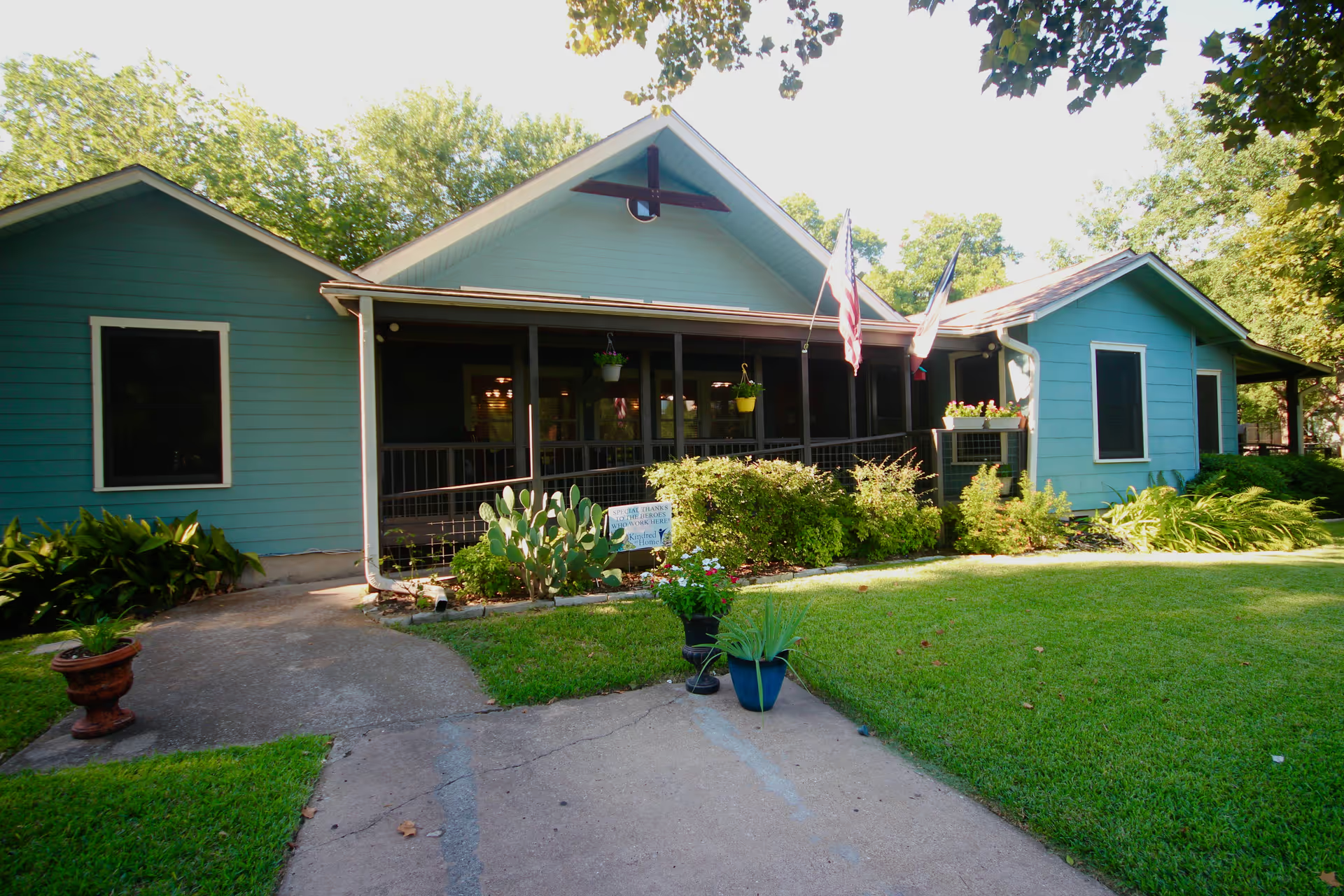
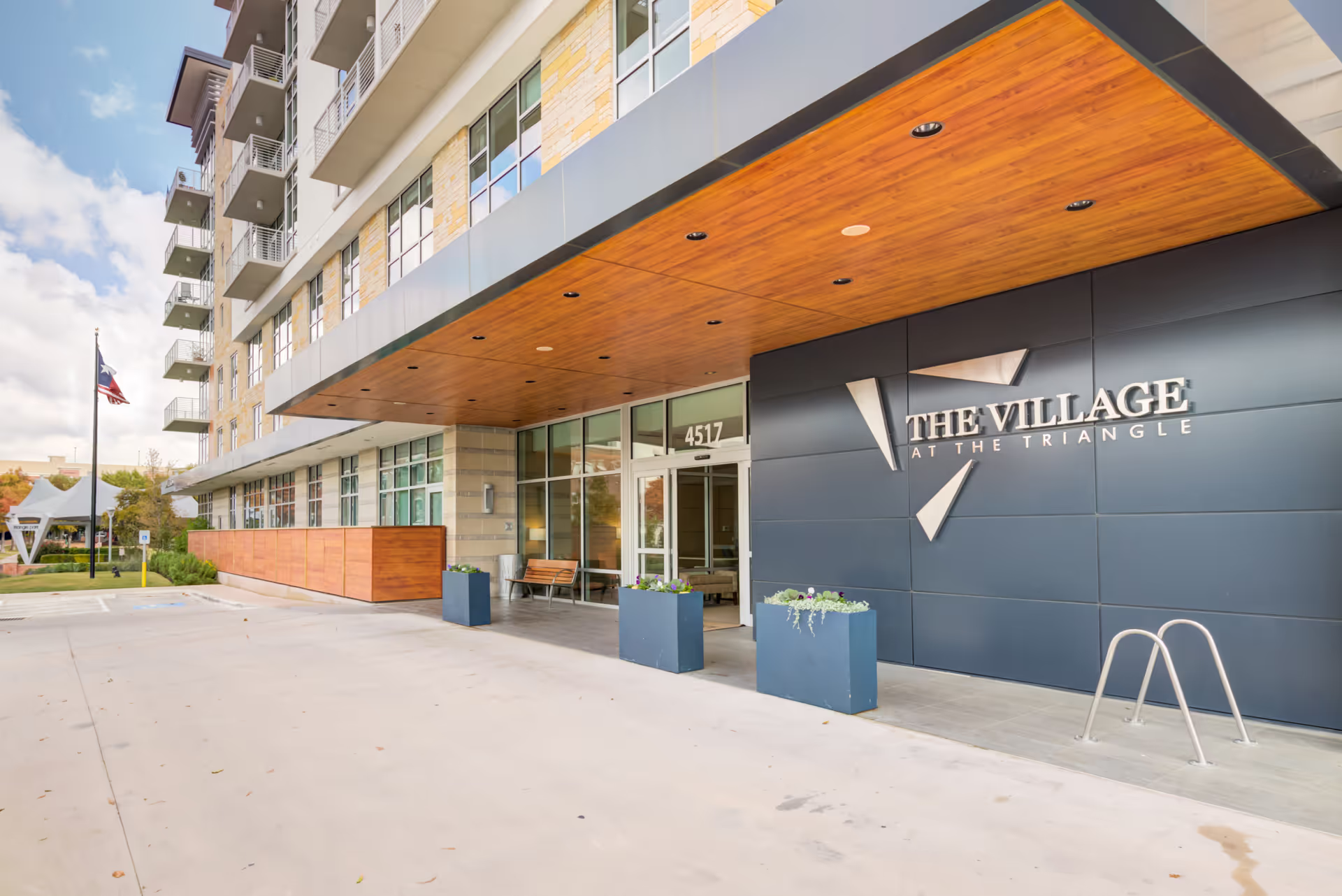
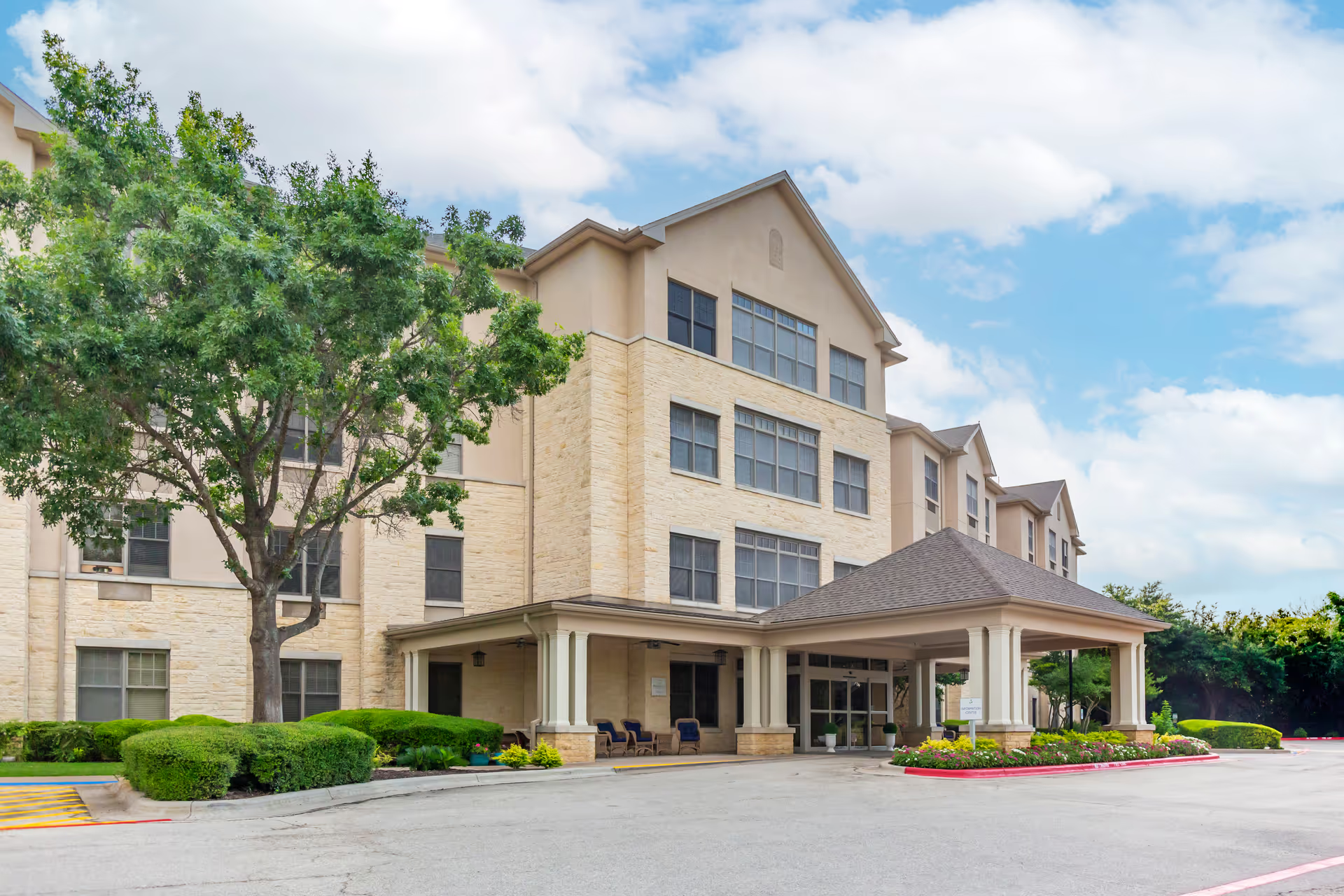
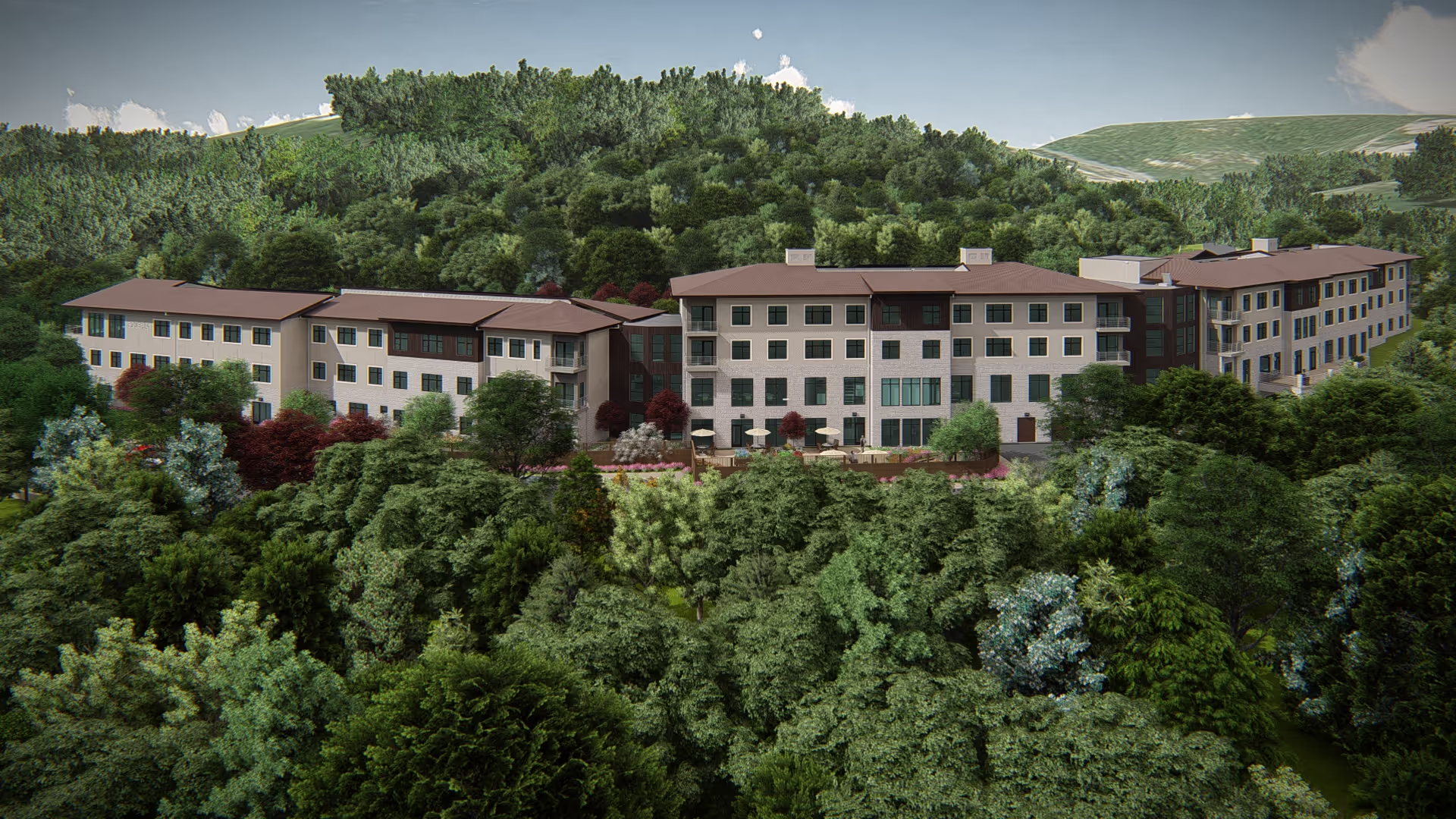
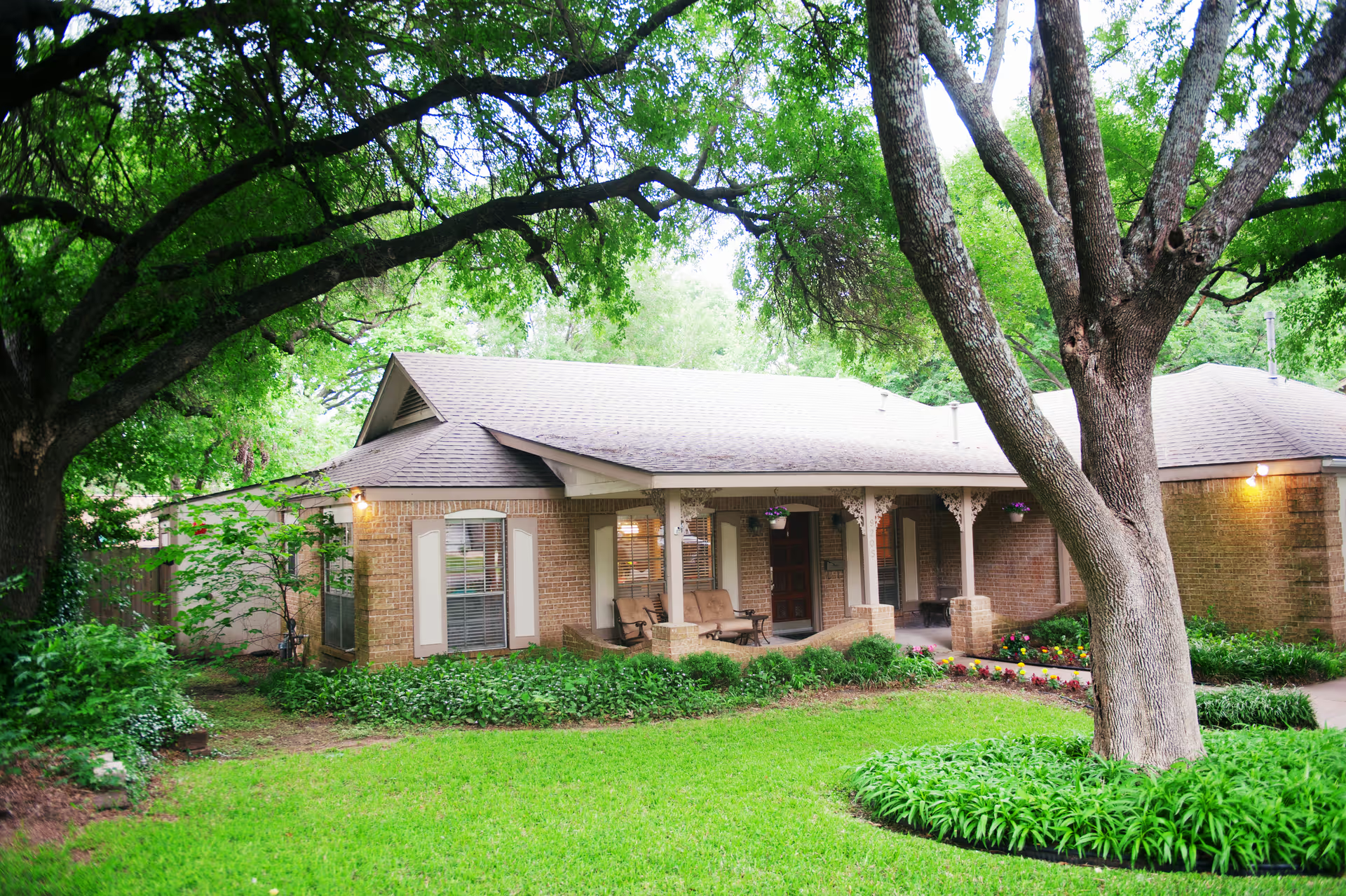
Westminster presents as an upscale, full-continuum senior living community with many of the amenities and services expected in a premium campus. The property features new construction and ongoing renovations, multiple dining venues including chef-led restaurant-style service, a broad range of apartment sizes, and a well-maintained campus with fitness rooms, pool, art studio, auditorium and library. Housekeeping, scheduled transportation, secure covered parking, an onsite medical clinic, and nursing services support residents’ daily needs. The community is described as socially active with a strong resident network and extensive cultural programming—music, lectures, art, and regular outings are recurring strengths.
Care quality and clinical services elicit mixed impressions. Many families and residents praise the responsiveness and compassion of frontline staff and the facility’s organized clinical services for routine needs and rehabilitation. At the same time, there are substantive concerns about variability in long-term and skilled-nursing care quality, including medication-management practices and personal-care consistency. These concerns imply gaps in clinical oversight and point to an uneven experience as residents transition from independent living to higher levels of care. Prospective residents should seek specific, up-to-date information on the health center’s staffing ratios, clinical oversight, and medication-administration protocols.
Staffing and operations are frequently highlighted as strengths. Reviewers consistently note courteous, personable caregivers, effective move-in coordination, and visible leadership that organizes events and resident services. Multiple comments single out individual employees and managers for exemplary performance, and the culture appears to emphasize staff development and resident-centered service. Organizational strengths extend to event execution, timely communications in many cases, and proactive programming that supports an active lifestyle.
Dining, activities, and lifestyle are core attractions. Independent-living dining is frequently described as restaurant-quality with varied menus and strong chefs; table service and special-event meals are noted as high-end. There are also abundant activity offerings—exercise classes, lectures, arts programming, guest speakers, music concerts, and monthly trips—which support social engagement and cultural enrichment. However, dining quality appears to be less consistent in assisted-living and memory-care settings where specialized diets and food preparation for clinical needs can reduce perceived quality.
Operational and policy-level weaknesses are important to weigh. The community requires a buy-in with a premium price point and has a waiting list, which may limit accessibility for some households. Reviewers noted inconsistent pet-policy enforcement and at least one instance of management backtracking on policy, suggesting that policy application can be uneven. Renovations and new construction enhance the facility long-term but have caused disruption during transition phases. Additional practical concerns include limited visitor parking and occasional privacy or financial-information handling gaps; these are logistical items to verify during a tour.
Overall, Westminster offers a rich, activity-focused, and well-appointed campus with notable strengths in hospitality, dining (particularly at the independent-living level), and cultural programming. The most significant caveats are cost and operational consistency around higher-acuity care, medication administration, and certain management practices. Prospective residents and families should conduct targeted follow-up: review current clinical staffing and oversight plans for skilled nursing and memory care, inspect assisted-living meal plans for dietary needs, clarify pet and renovation policies in writing, and request documentation on medication and privacy protocols prior to commitment.