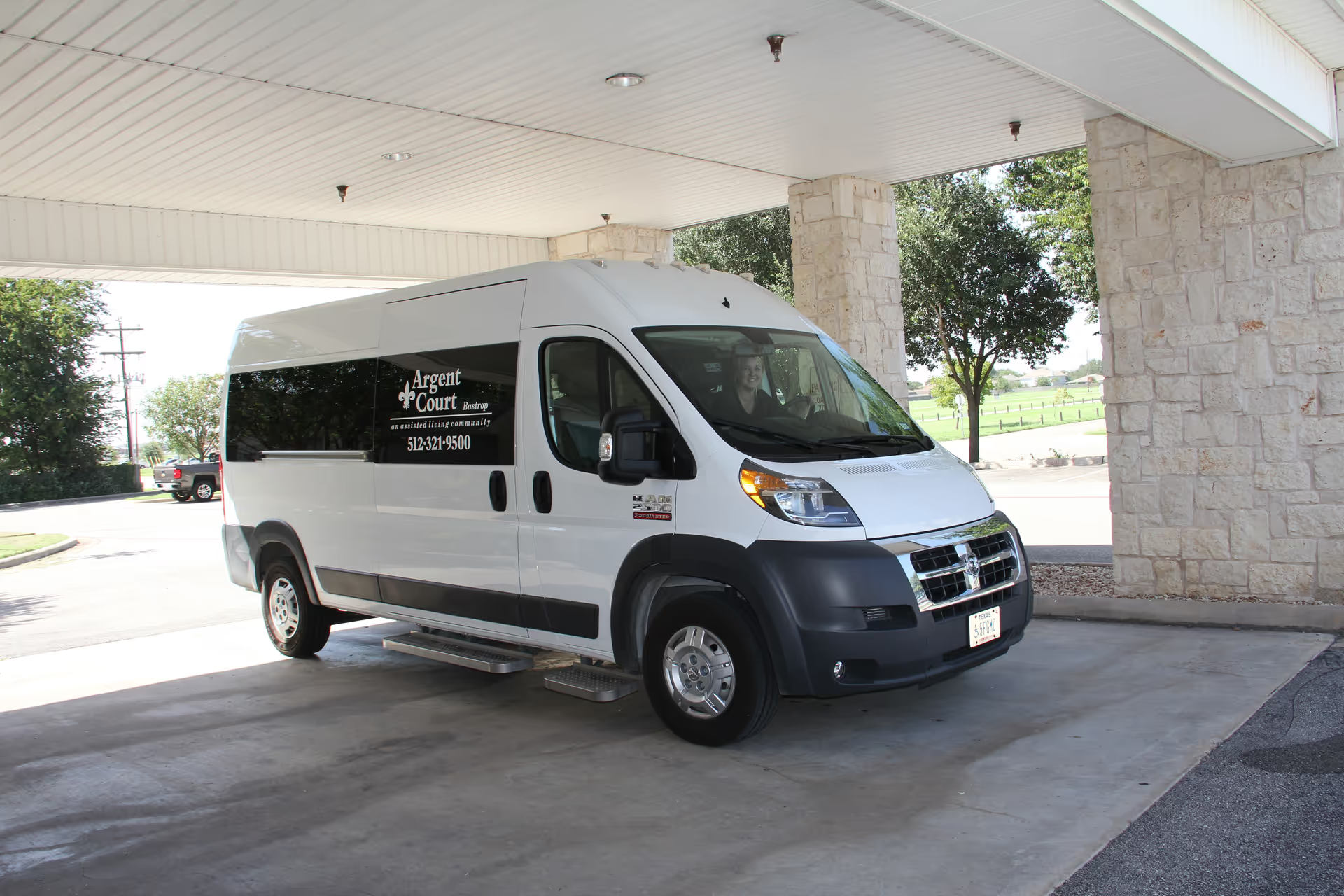
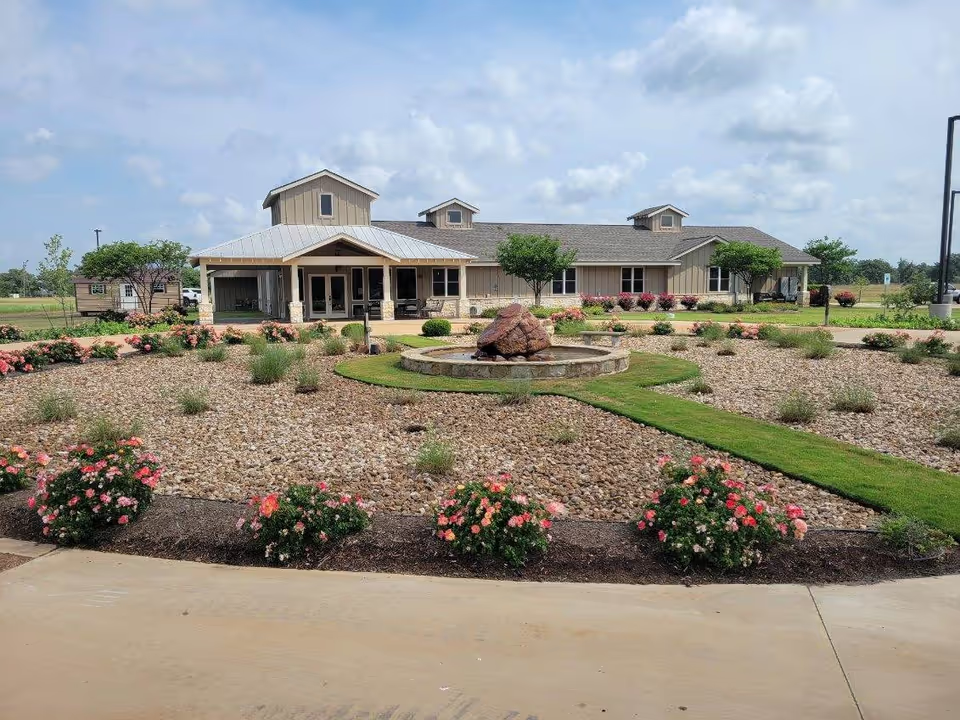
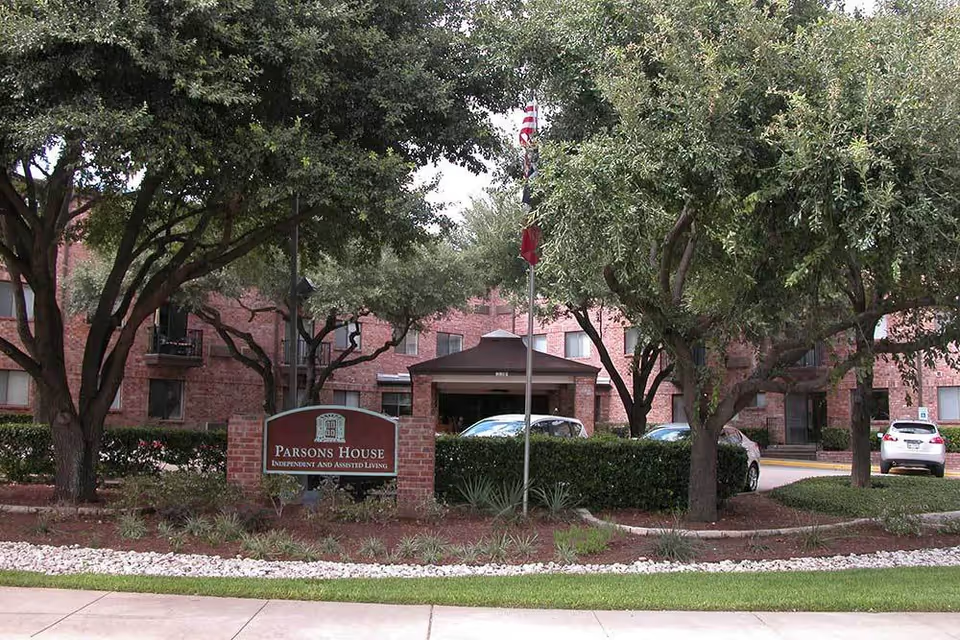
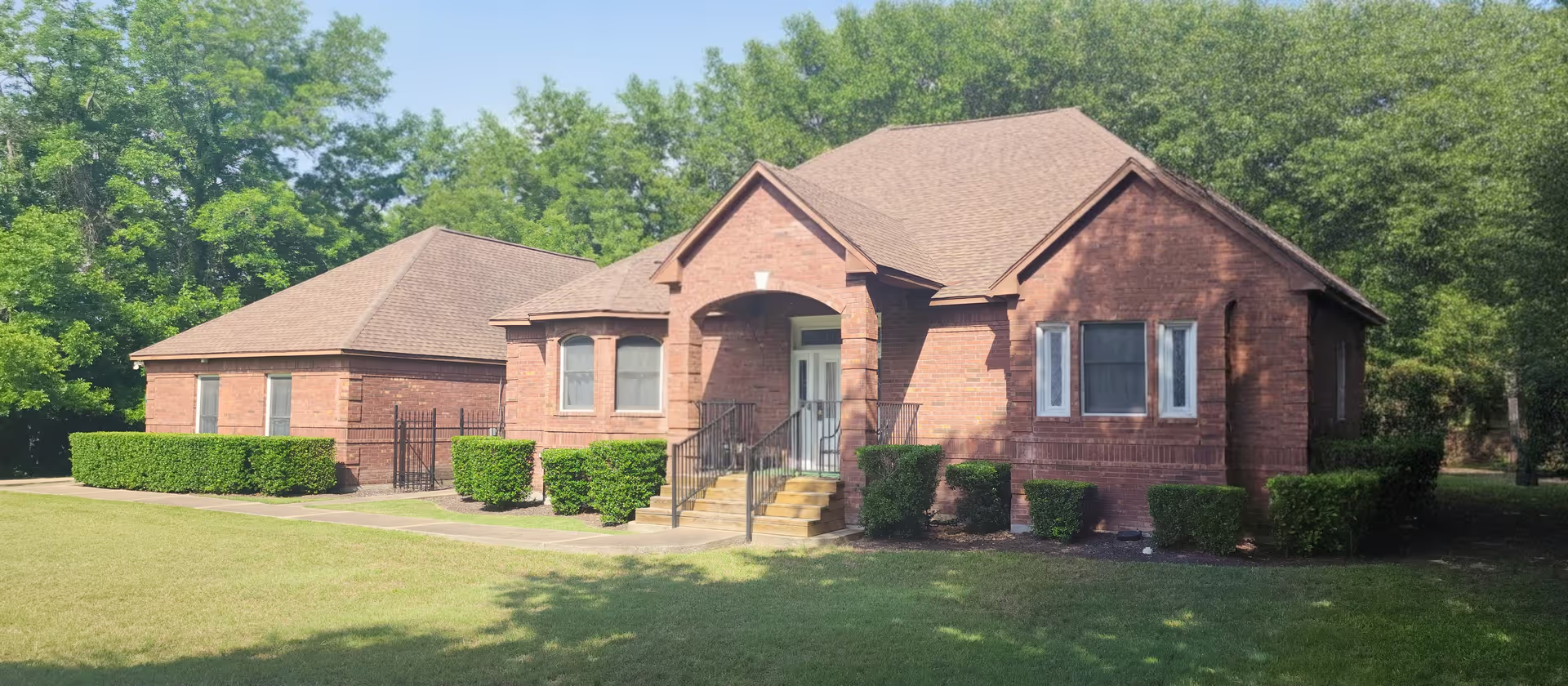
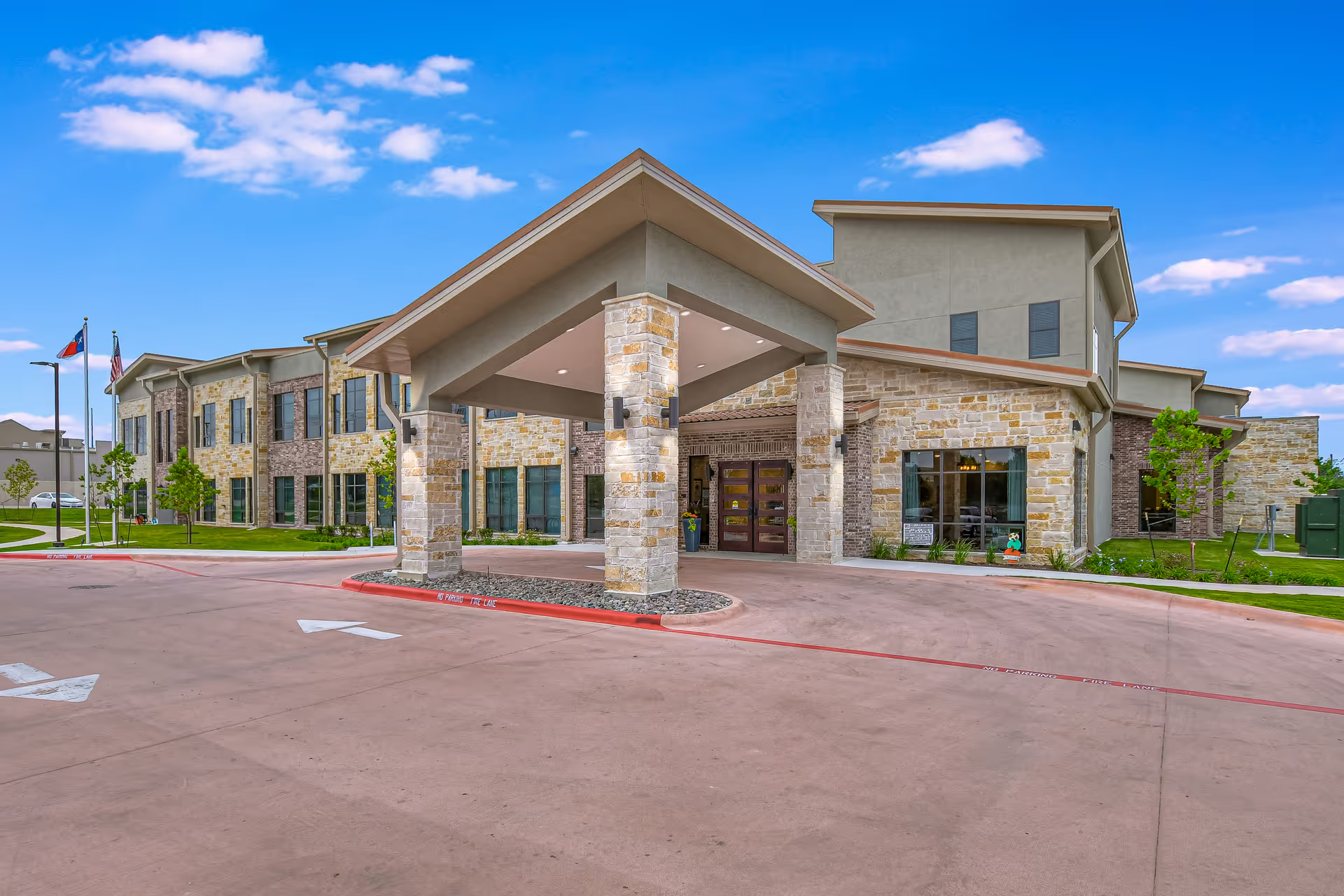
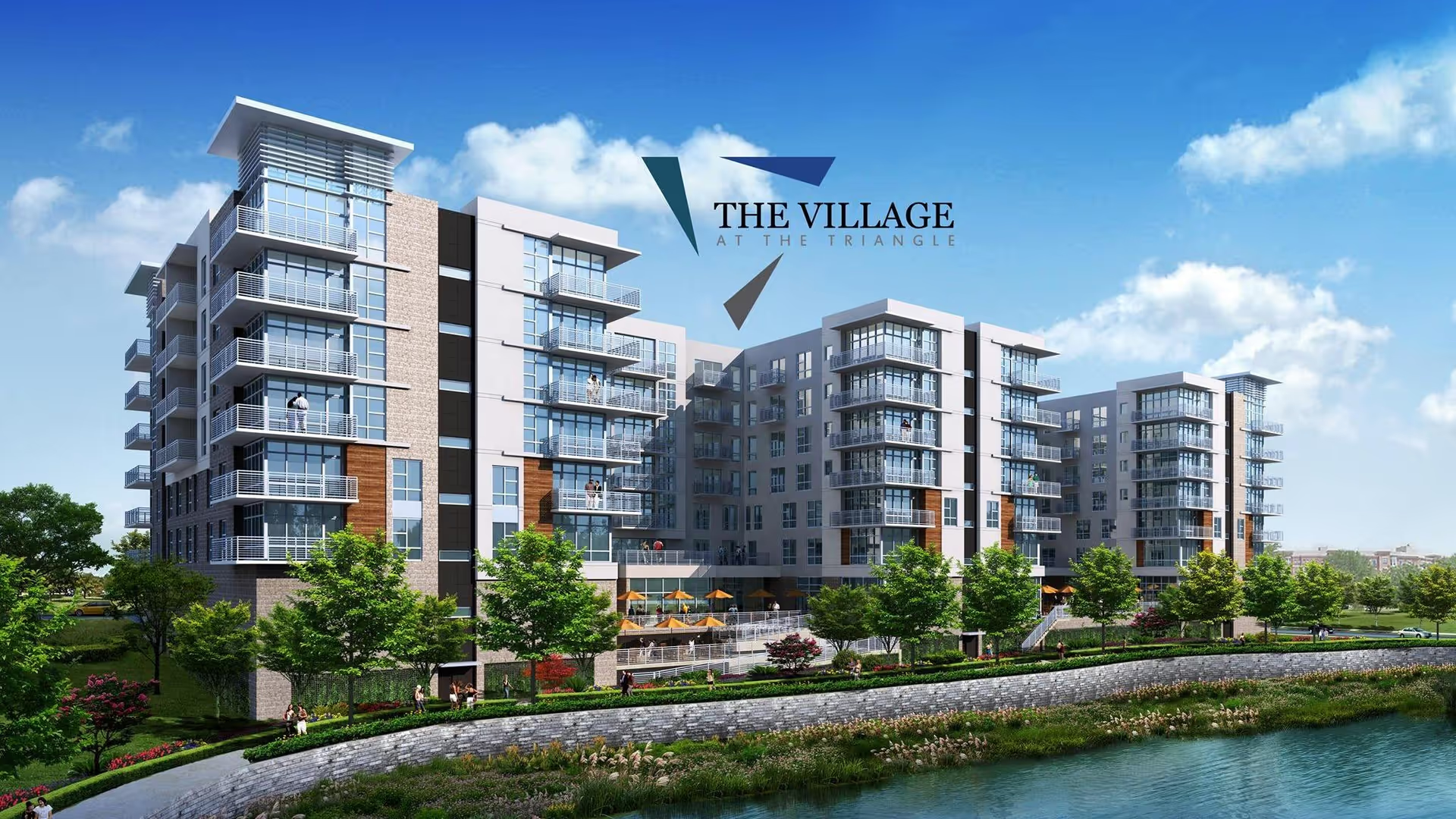
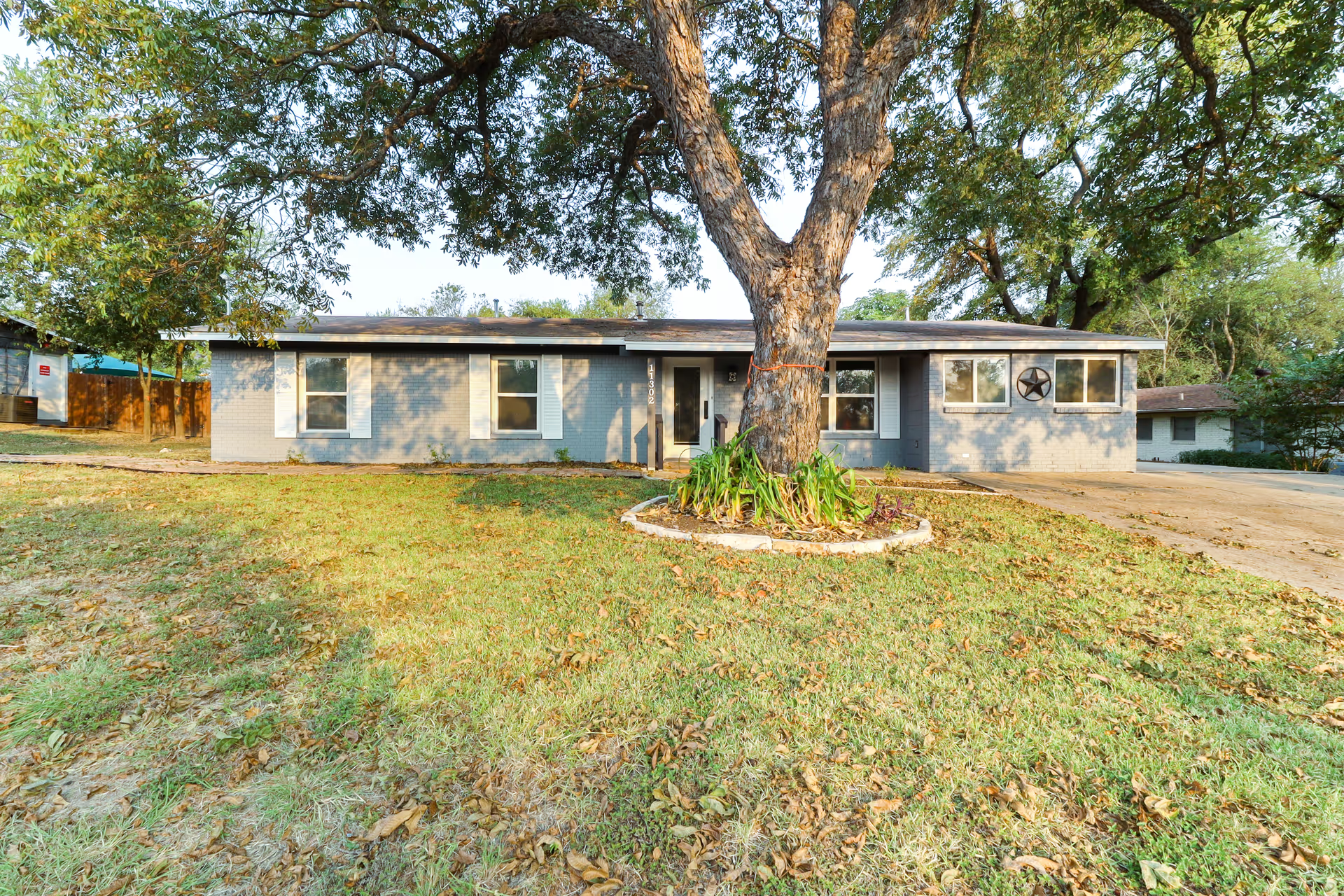
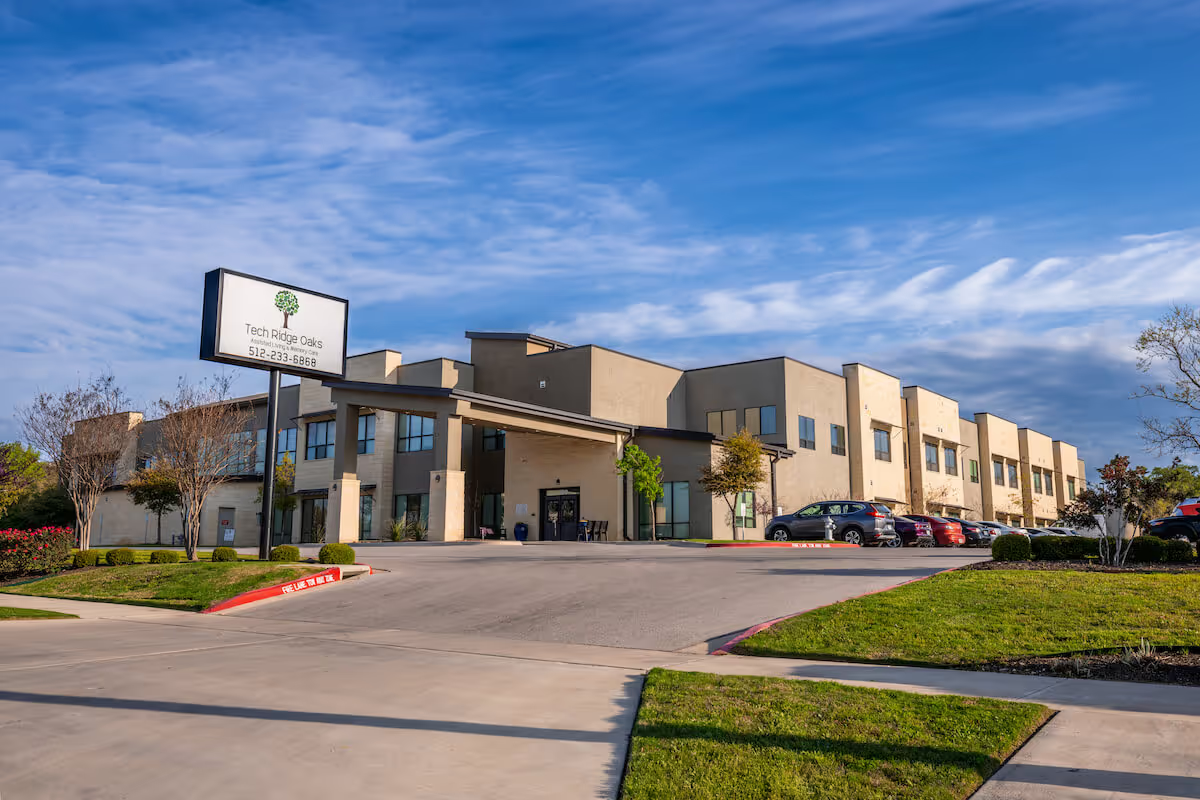
Overall impression: Reviewers present a mixed but actionable portrait. Many families describe the facility as modern, well decorated and small, creating a home-like environment with private rooms, spacious bathrooms, accessible hallways and attractive outdoor spaces. The physical plant and communal areas are frequently praised for cleanliness and comfortable furnishings, and the small capacity (roughly mid‑teens) is often cited as promoting familiarity and a sense of belonging.
Care quality and frontline staff: Frontline caregivers, particularly CNAs, are commonly described as compassionate, personable, and invested in residents' day-to-day comfort. Several accounts describe prompt correction of minor issues and personalized attention that contributes to resident wellbeing and social engagement. At the same time, a recurrent operational pattern is staffing instability: high turnover, reports of short staffing (sometimes only two caregivers on shift), and undercompensation. These staffing pressures are associated with delayed responses to call lights, concerns about timely assistance with mobility and activities of daily living, and lower confidence in sustained care continuity.
Clinical practices and safety: There are specific recurring concerns around medication management and clinical communication. Reviewers raised issues such as missed or inconsistent medication administration, lack of timely notification to families about medication changes, and transfers to emergency care in some cases. These observations point to gaps in medication administration controls, documentation, and family communication rather than a single uniform failure. Families considering placement should ask for the facility's medication-administration protocols, staffing ratios for clinical shifts, and examples of how clinical incidents are communicated and reviewed.
Management, leadership, and operations: Accounts of leadership are mixed. Many reviewers commend an accessible, responsive administrator who resolves issues quickly and builds relationships with families. Conversely, other reviewers describe leadership turnover, unresponsiveness, or a corporate orientation that prioritizes margins over staffing investment. This split suggests variability over time or between units; prospective families should inquire about current leadership tenure, staff‑retention initiatives, and any recent regulatory or complaint history.
Dining, activities, and social life: Dining is generally a strength — multiple reviewers praise freshly prepared meals, strong food quality, and improved menus. A few noted inconsistency over time, with food quality improving after management attention. The activities program is frequently highlighted as robust: regular outings, sing-alongs, holiday programming, and an active activities director contribute to social engagement and a sense of community.
Facilities, maintenance, and environmental concerns: The facility's design — private rooms, accessible bathrooms, patios, and screened porches — is consistently appreciated. However, occasional sanitation and pest-control concerns were reported, along with some maintenance issues (broken items, small equipment failures). These concerns appear sporadic rather than pervasive, but they underscore the importance of asking about routine pest-control contracts, housekeeping schedules, and preventive maintenance processes during a tour.
Policies and family access: Visitation policies have been restrictive at times (notably during infection-control periods), and at least one policy-related concern involves separation of couples when care needs differ between building units. Cost and affordability are also recurring themes; several families noted high fees relative to local options.
Notable patterns and recommended questions: The dominant pattern is a contrast between generally strong, caring frontline staff and operational weaknesses tied to staffing levels and management consistency. To evaluate fit, prospective families should tour during a care shift, ask about current staff-to-resident ratios and turnover rates, request the facility's medication and call‑response protocols, review recent inspection or complaint history, inquire about pest‑control and maintenance plans, clarify visitation and couple‑separation policies, and confirm pricing and contract terms. Doing so will provide a clearer sense of whether the facility's strengths align with a particular resident's clinical and social needs.