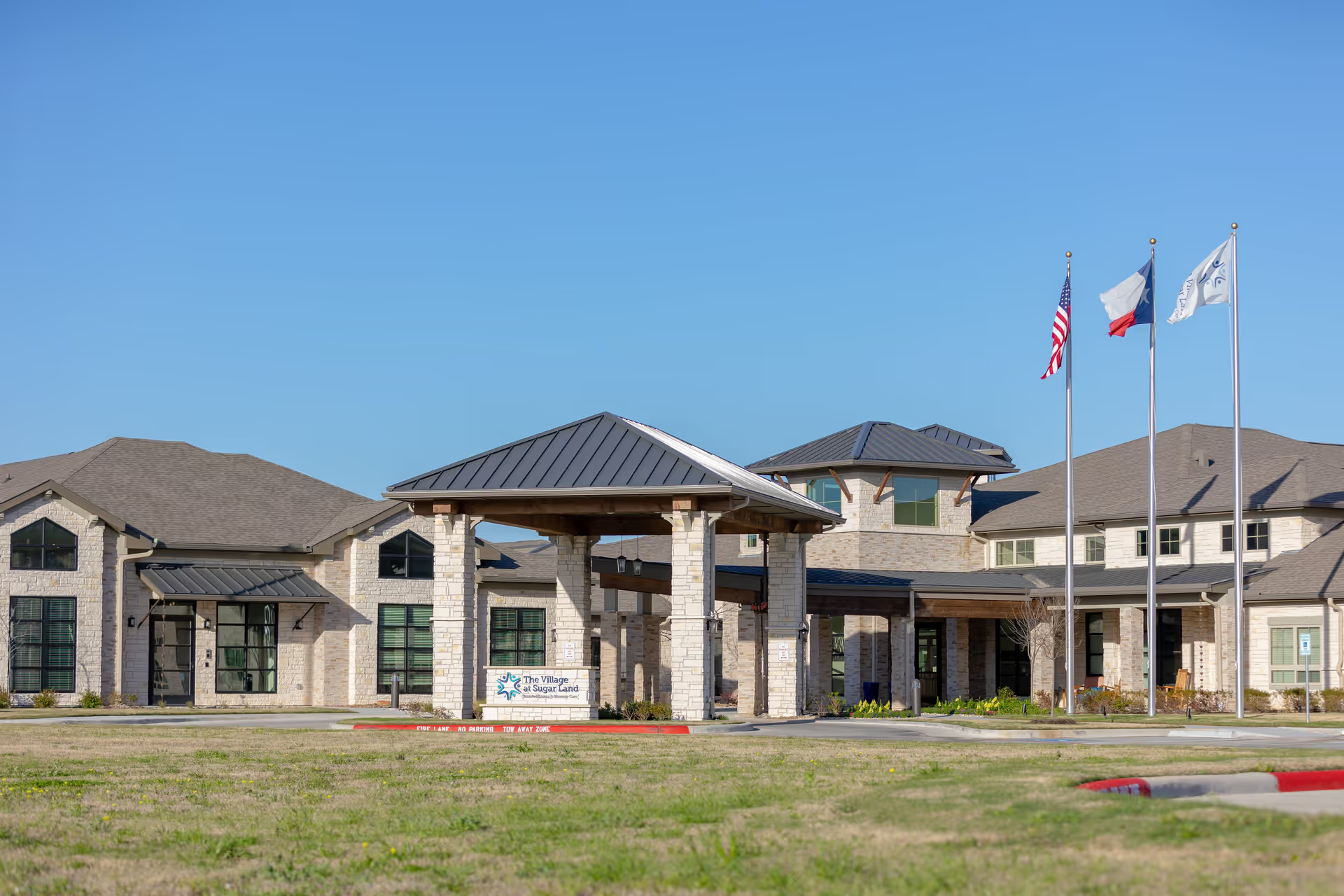
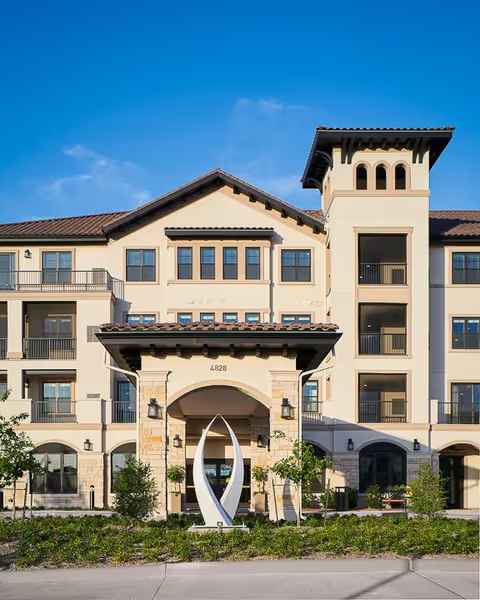
Reviews describe a facility with a mix of clearly positive interpersonal strengths and notable clinical and communication vulnerabilities. On the positive side, multiple reviewers emphasize attentive, compassionate nursing and therapy teams who supported successful rehabilitation outcomes and helped residents feel at home. Staff are frequently characterized as friendly and welcoming; social programming and activities are viewed as engaging, and the dining program is noted for accommodating special diets and providing well-liked meals. Several comments also highlight a clean, tidy environment and visible administrative presence, with recent leadership changes framed as bringing fresh attention to operations.
At the same time, a number of reviews raise serious operational concerns centered on clinical responsiveness and escalation. These include delays in responding to call lights and difficulties reaching nursing staff at critical times. Reviewers also describe instances where physician engagement and on-site clinical oversight appeared inconsistent, with consequences such as worsening pressure injuries and concerns about possible infection progression. These issues point to gaps in routine wound-care follow-up and infection-risk management that would warrant careful review by prospective residents and families.
Communication with families emerges as a separate, recurrent theme. Several accounts describe limited or delayed updates to family members about changes in condition and care decisions. This lack of timely communication amplifies anxiety when clinical issues arise and contributes to perception of uneven care coordination. Linked to communication and clinical oversight are reports of inconsistent decision-making around hospital transfers; some families experienced transfers being delayed or declined in situations they felt required higher-level care.
Overall, the facility appears to offer strong interpersonal care, rehabilitation services, social programming, and a well-kept environment, supported by engaged front-line staff and visible administrators. However, the pattern of concerns about responsiveness, clinical escalation, wound and infection follow-up, and family communication suggests areas of operational risk. Prospective residents and family members should weigh the positive elements against these clinical and communication considerations, and seek direct answers from facility leadership about staffing levels, call-response protocols, physician coverage, wound-care procedures, and how family notifications are handled during clinical changes.