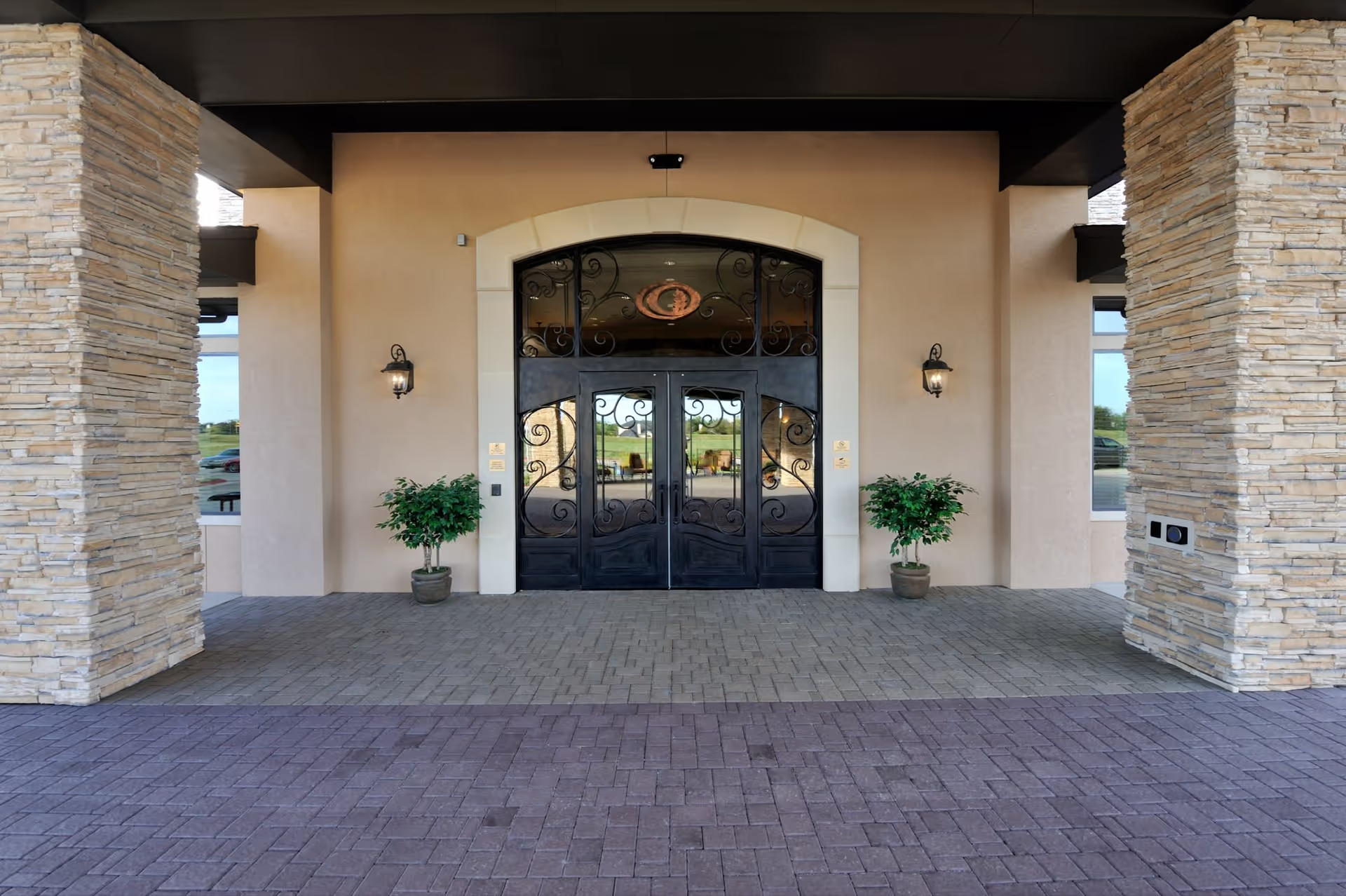
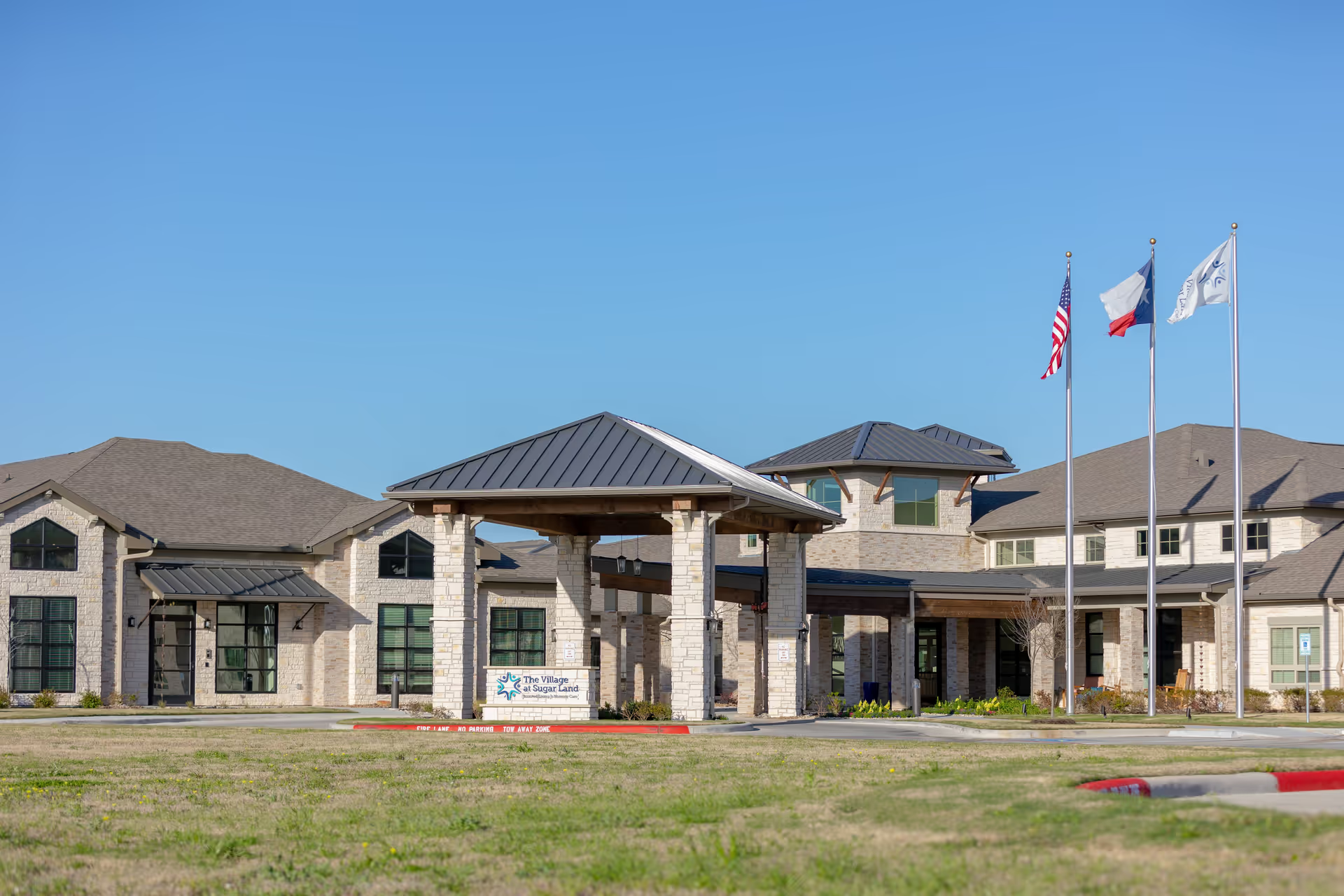
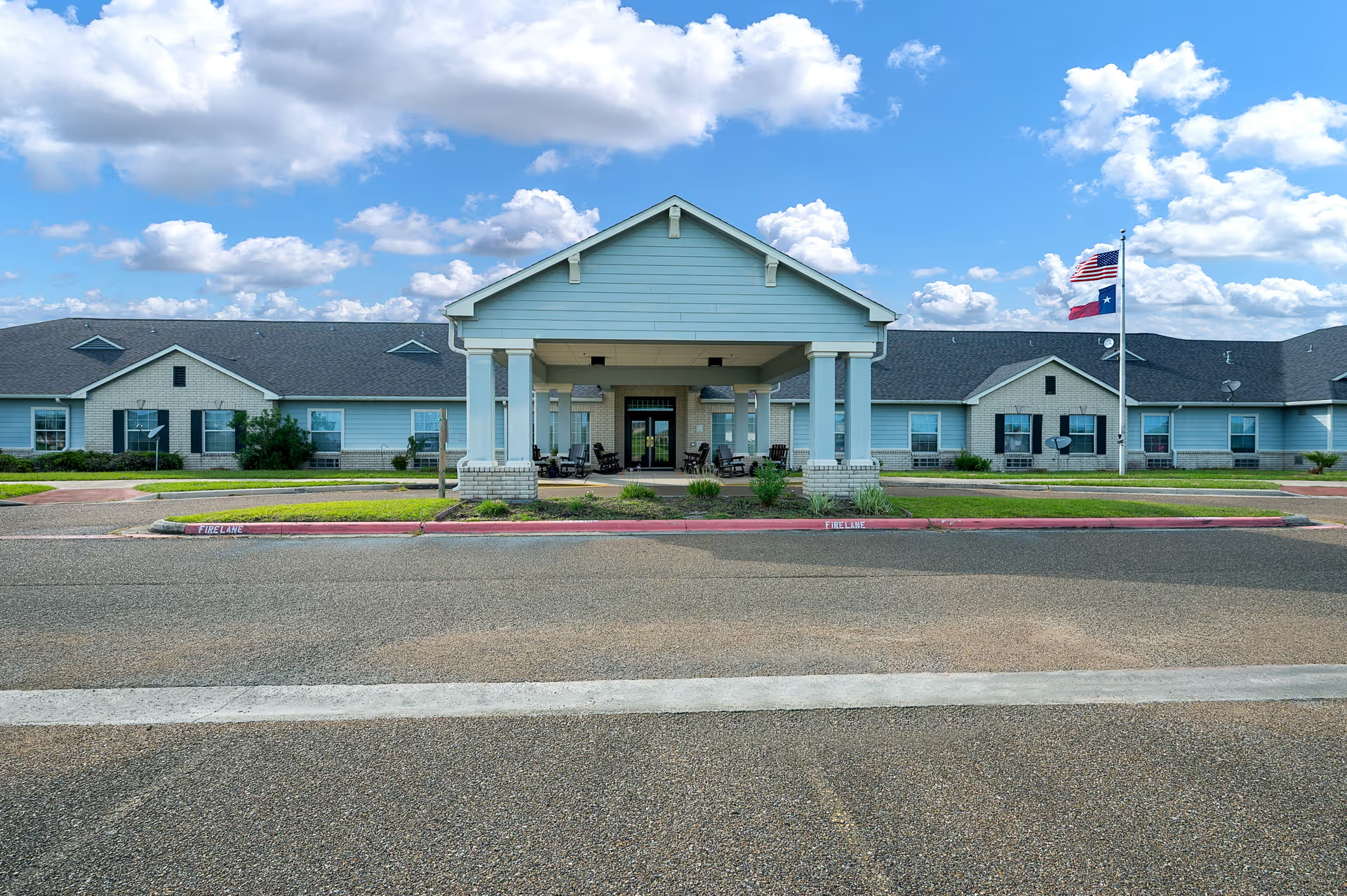
The reviews present a mixed but sharply divided picture of Tejas Cove. On the positive side, multiple reviewers emphasize that the apartments are pleasant — described as nice and safe — and that life there can be enjoyable. Staff (distinct from management in the reviewers' eyes) are called excellent, and activities receive explicit praise as "great," indicating a lively program and engaged caregiving/support staff at the resident-facing level. These strengths suggest that day-to-day living, social opportunities, and the physical living environment can be strong points for residents.
However, the reviews contain serious and recurring criticisms aimed specifically at management and leadership. Multiple comments accuse the manager of being argumentative with residents and having an uncaring attitude. One review reports a particularly troubling incident in which a manager allegedly insulted a resident by saying they were "crazy" and should be institutionalized. Other complaints highlight dishonest or misleading behavior from management — for example, lying about furniture delivery and falsely claiming there is no designated parking when reviewers observed five parking spaces. Together these reports create an overall negative impression of leadership, with reviewers portraying management behavior as disrespectful, untrustworthy, and dismissive of resident needs.
Care quality and safety have mixed signals in the reviews. The praise for "excellent staff" implies that frontline caregivers and activity staff provide good, compassionate service. At the same time, the mention of concerns about possible manipulation of ambulance access raises a significant safety and ethics-related red flag. That phrase is ambiguous in the summaries but indicates at least one reviewer worries management might interfere with emergency response procedures or how ambulance access is handled. Such a concern, even if mentioned by a single reviewer, is serious because it touches on residents' health and emergency response reliability.
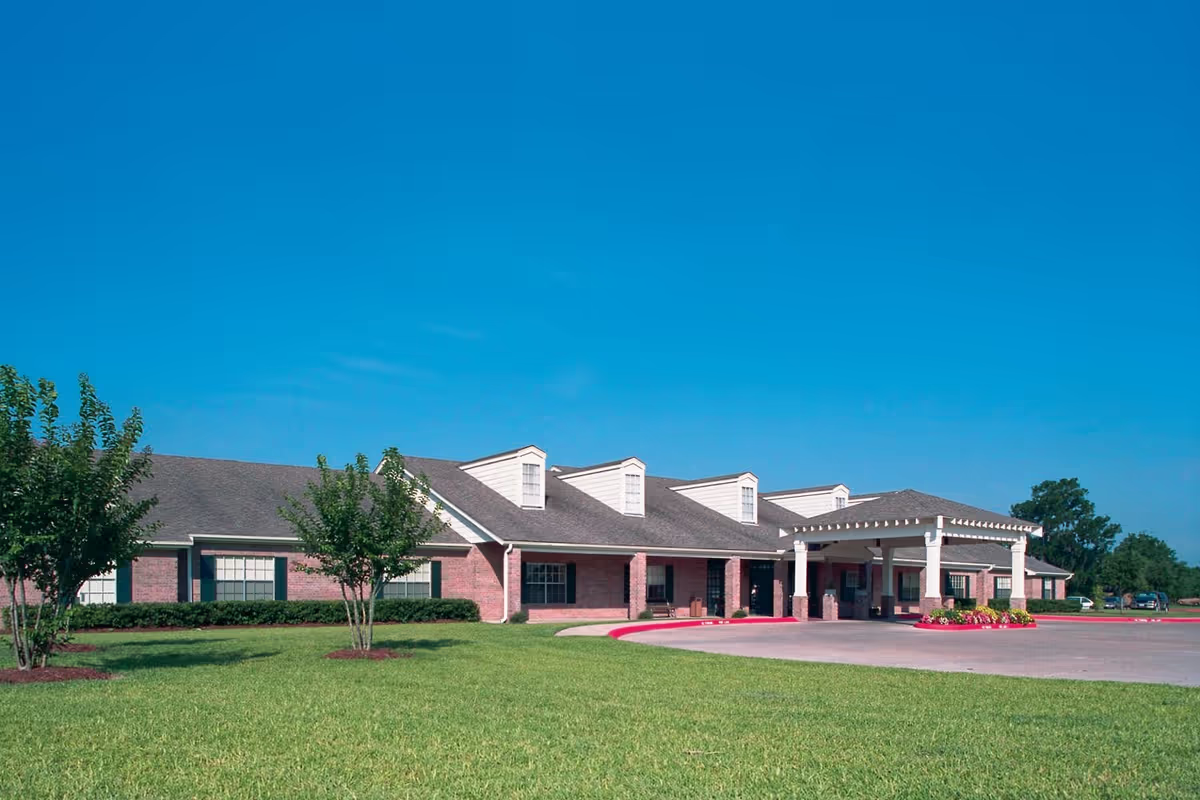
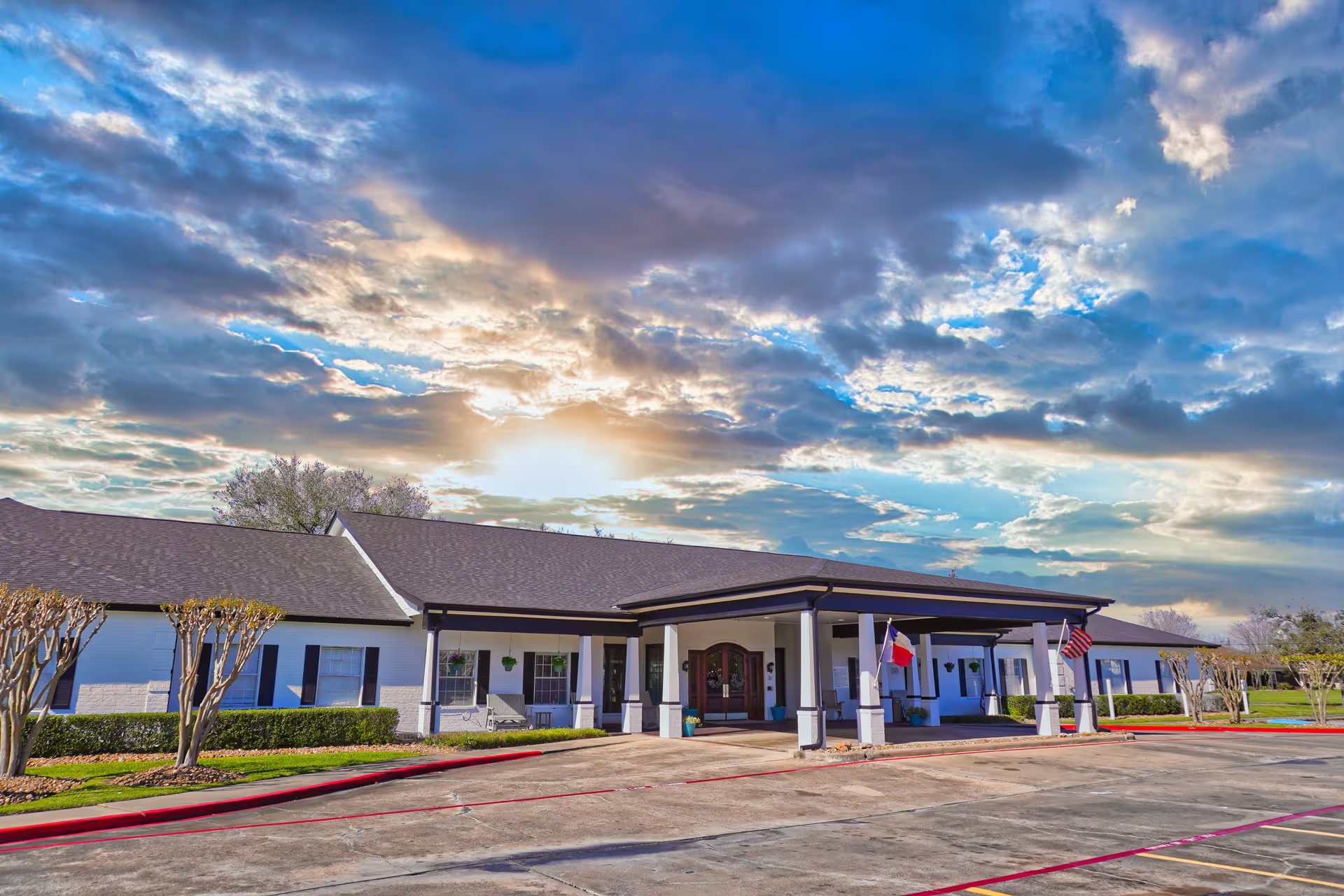
Facility-related feedback is mainly positive: apartments are described as "nice" and "safe," and there is explicit note that designated parking does exist despite manager claims to the contrary. Operational reliability is questioned in at least one instance (the alleged lie about furniture delivery), which points to potential weaknesses in communications and follow-through on services or logistics. Reviewers did not provide details about dining, menus, or food quality; therefore no conclusion about dining can be drawn from these summaries.
Activities are explicitly praised, indicating that programming and social offerings are a definite asset. Combined with reports of excellent staff, this suggests residents have opportunities for engagement and that many day-to-day interactions with employees are positive. The contrast with management behavior suggests a separation between the culture among frontline staff and the tone set by leadership.
Overall, the pattern is one of strong resident-facing services and amenities (safe, pleasant apartments; engaged staff; good activities) undermined by serious concerns about management conduct and trustworthiness. Prospective residents and families should weigh the evident strengths in living environment and staff against documented leadership issues. Specific, practical steps for anyone considering Tejas Cove would be to speak directly with multiple staff members and current residents about their experiences, request written policies on emergency procedures (including ambulance access), verify promises in writing (for example, furniture delivery timelines and parking availability), and observe a manager/resident interaction if possible to assess tone and professionalism firsthand. The reviews indicate real positives worth considering, but the reported management problems are significant and merit direct investigation before making a decision.