Bedford Estates elicits strongly polarized impressions. A substantial number of families describe a comfortable, well-kept community with warm staff, a home-like atmosphere, and good programming — particularly in memory care — and they cite on-site clinical resources (an RN, regular physician visits, and hospice availability) as reassuring. At the same time, a distinct set of operational weaknesses appears repeatedly: staffing instability, inconsistent care execution, and uneven housekeeping and dining performance. Prospective families should weigh both the consistent strengths and the recurring operational issues when evaluating the community.
Care and clinical oversight: Reviews reflect a mixed picture. Many families praise individualized, dignified care, timely clinical visits, and reliable end-of-life support. Conversely, others describe lapses in routine care tasks, delayed assistance after falls, missed medication doses, and inconsistent attention to incontinence-care needs. The presence of an on-site RN and regular physician visits is a clear strength that some families point to as improving medication and clinical oversight; however, staffing shortages and turnover appear to undermine consistent implementation of those clinical resources.
Staff and professionalism: The majority of accounts highlight caring, compassionate, and engaged frontline caregivers and activity staff who form strong bonds with residents. Several reviewers singled out specific staff members and leaders for exceptional performance. Counterbalancing that, there are frequent notes about high turnover, understaffed shifts (especially nights), inconsistent training, and episodes of unprofessional conduct or poor communication tone. Management responsiveness is likewise variable — some directors are described as proactive and helpful, while others are perceived as unresponsive or inconsistent in follow-through.
Dining and activities: Dining is a mixed strength. Many reviewers describe a restaurant-style dining room, broad menu choices, and occasions of well-prepared meals with individualized accommodations. Criticisms cluster around inconsistent meal quality, limited fresh-vegetable options, occasional poor portioning or missing basics (for example, beverage service), and concerns about food preparation or presentation. Activities programming is frequently cited as a positive feature — with social events, outings, and purposeful engagement — although transportation challenges (a temporarily out-of-service bus) and reduced programming during infection-control periods were mentioned.
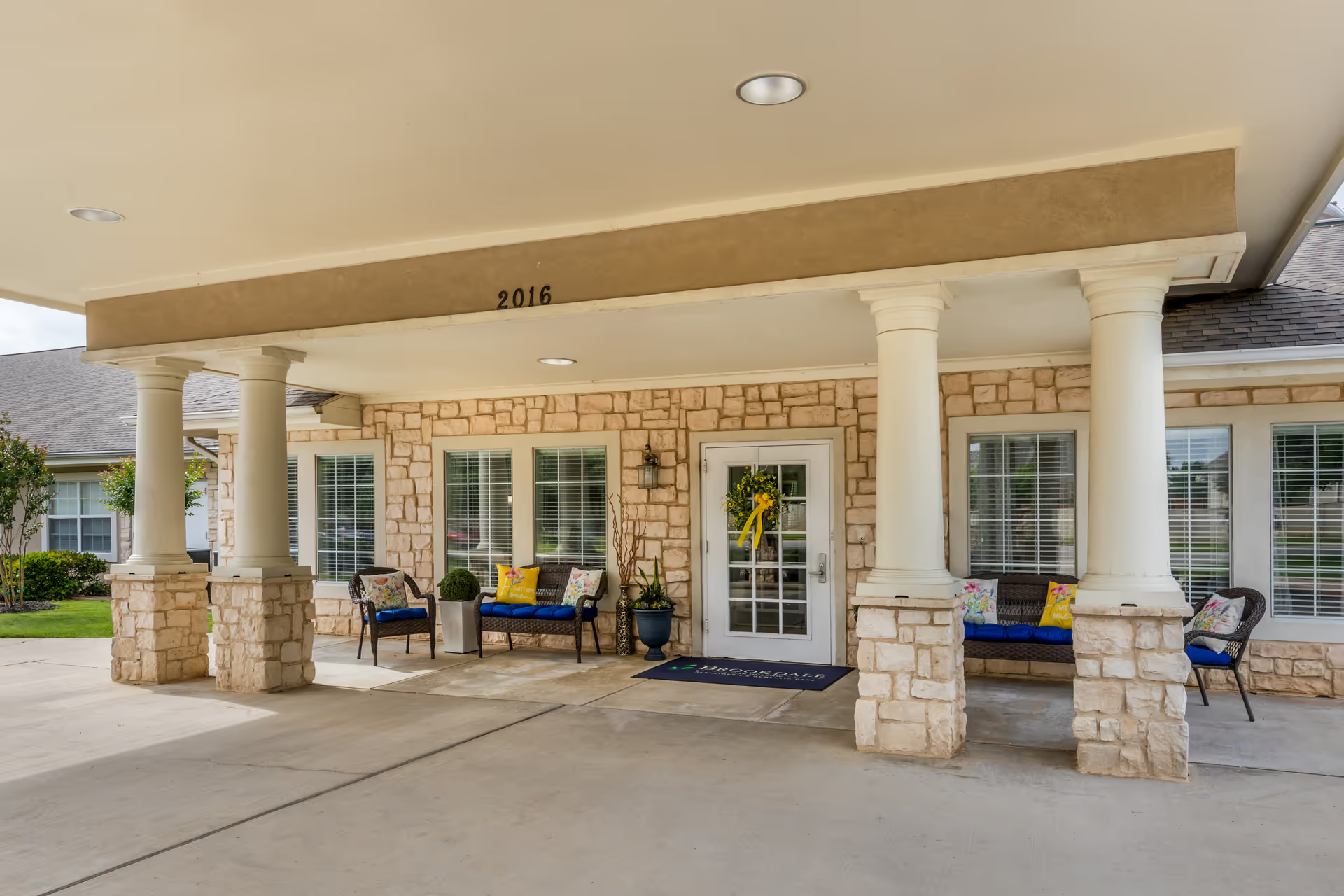
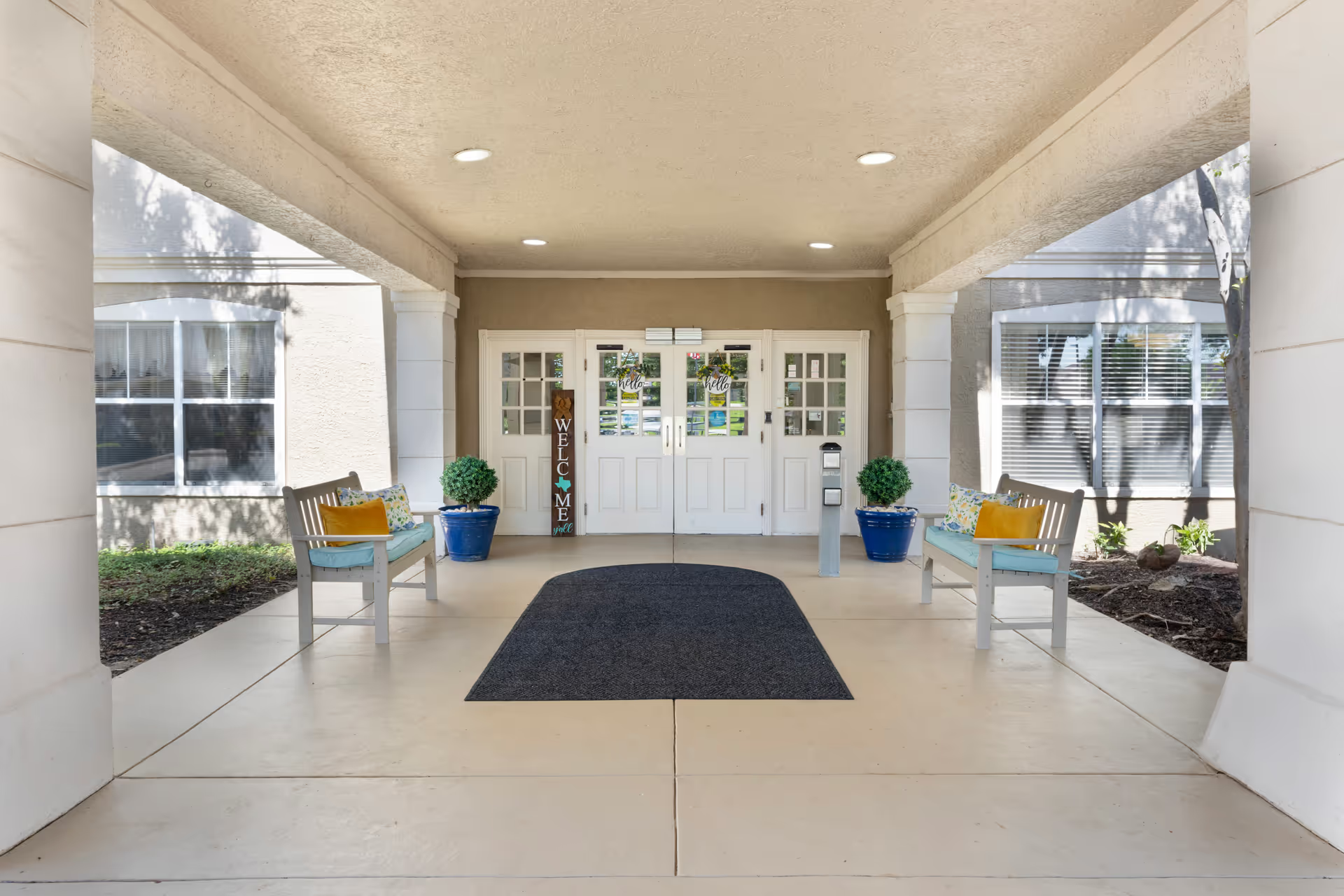
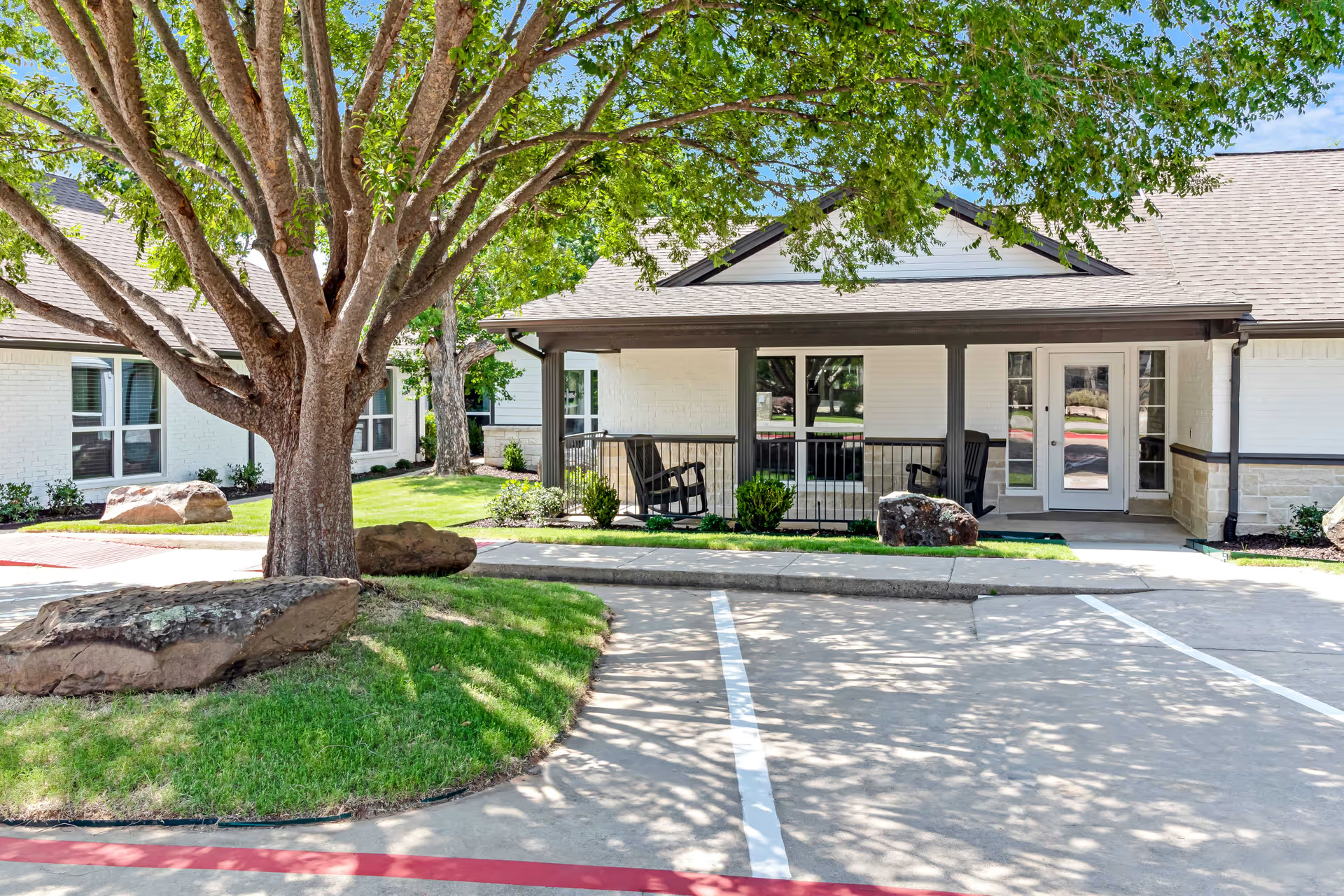
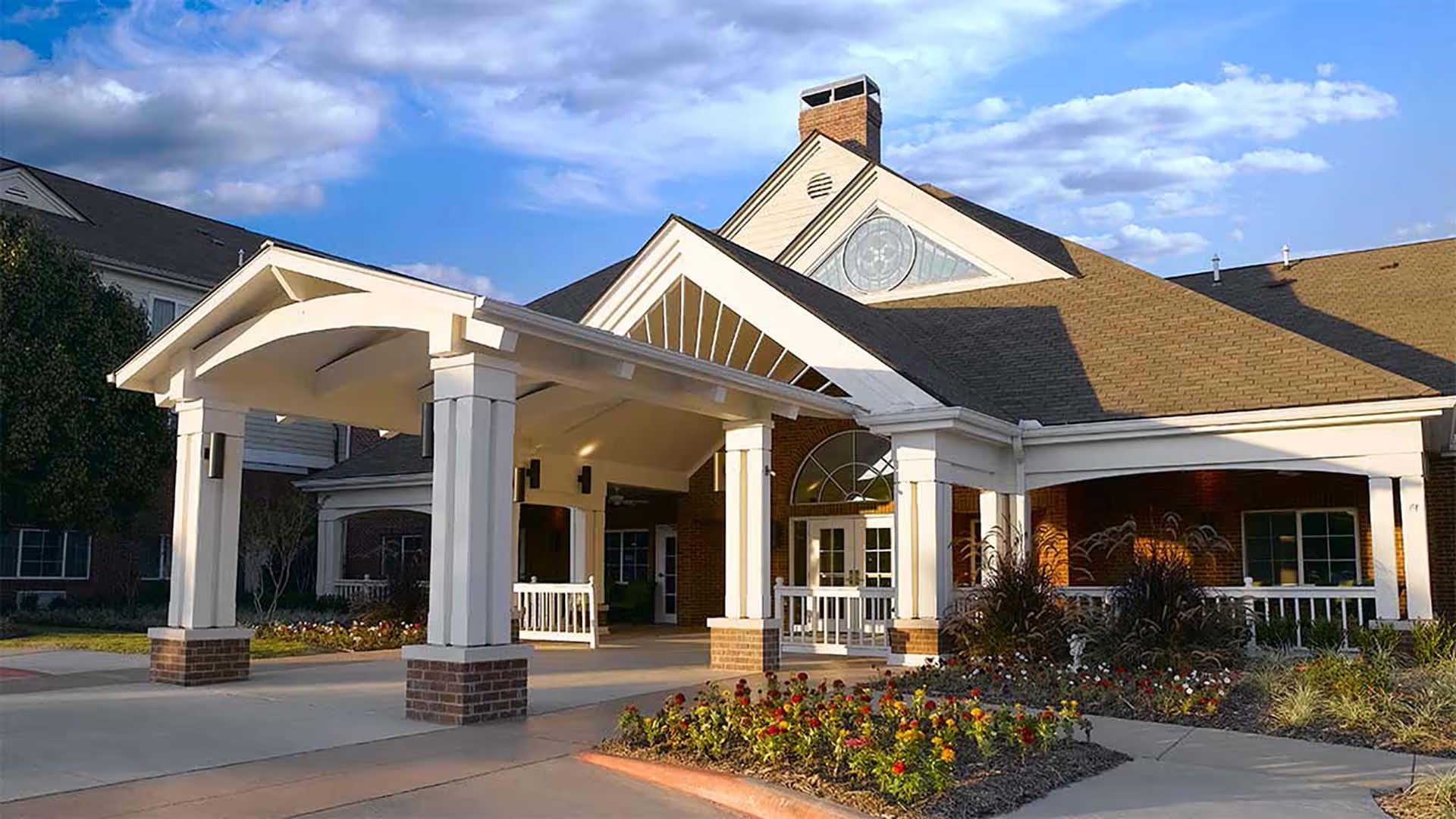
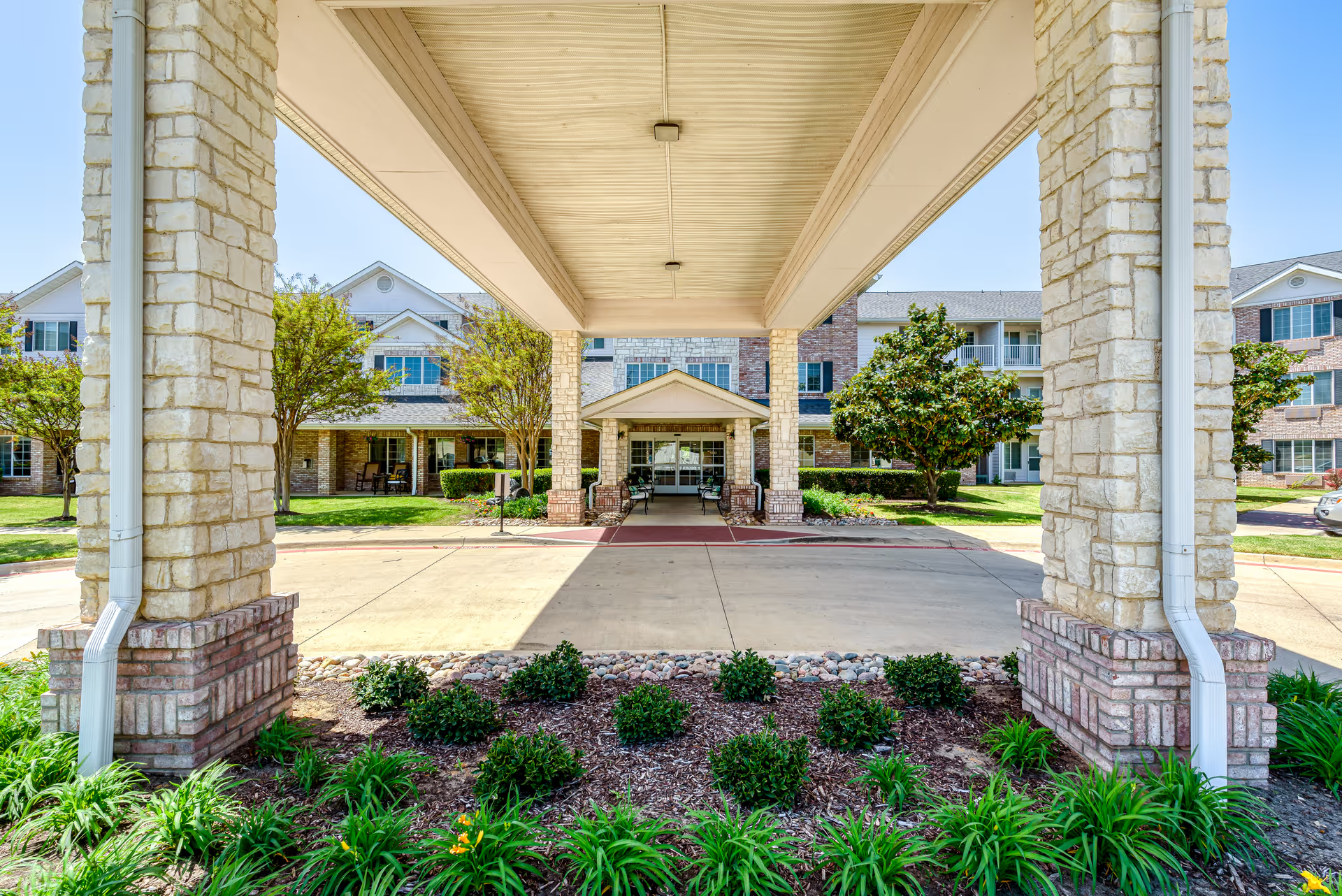
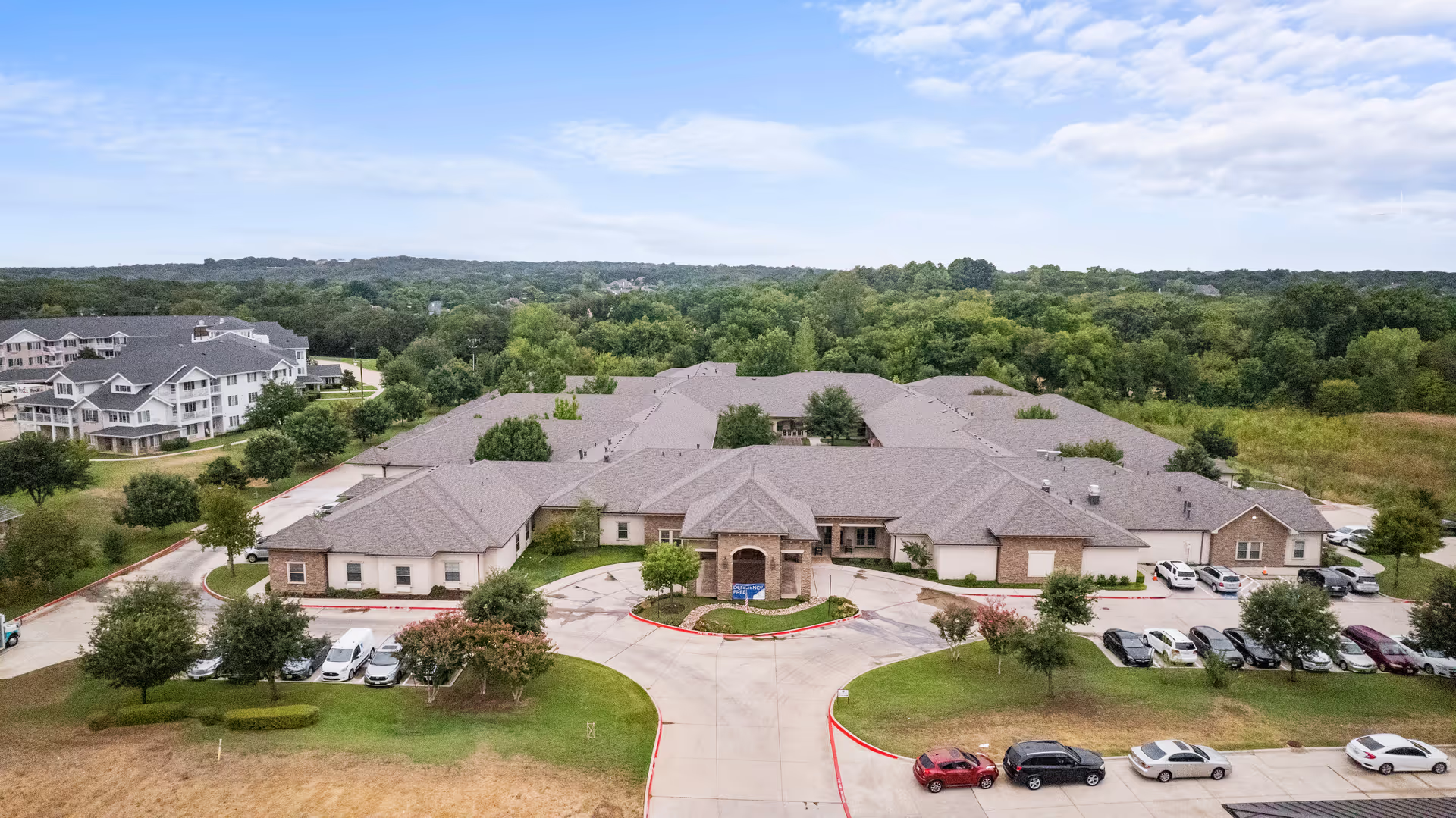
Facilities and environment: The facility is often described as clean, updated, and attractively furnished, with pleasant common areas and a secure courtyard. Positive notes include well-maintained landscaping, comfortable dining and activity spaces, and a range of apartment sizes. However, specific sanitation and maintenance concerns appear in some units: carpet and room cleanliness inconsistencies, limited bathroom storage, cramped shared rooms, and pest-control issues reported in isolated instances. Families also noted variability in housekeeping responsiveness and occasional slow maintenance resolution.
Management, policies, and patterns: Several reviewers point to ownership or management transitions that improved conditions for some residents, while others describe periods of decline associated with leadership changes. Recurring operational patterns include unclear billing practices and unexpected extra charges, inconsistent family communication, and gaps between administrative assurances and frontline execution. There are also a small number of serious allegations involving restraint and retaliation that warrant careful inquiry by families and, if applicable, verification with licensing or inspection records.
Bottom line: Bedford Estates offers many attributes families seek — compassionate caregivers, memory-care expertise, on-site clinical resources, varied activities, and a generally pleasant physical environment. At the same time, the facility demonstrates recurring operational weaknesses: staffing instability, inconsistent care delivery, variable cleanliness in specific areas, and uneven management communication. Prospective residents and families should tour multiple times, meet clinical leadership (RN and physician), ask for written medication and incident protocols, clarify billing policies, and seek recent inspection or quality reports to judge whether the community’s strengths align with their priorities and whether operational gaps have been addressed.