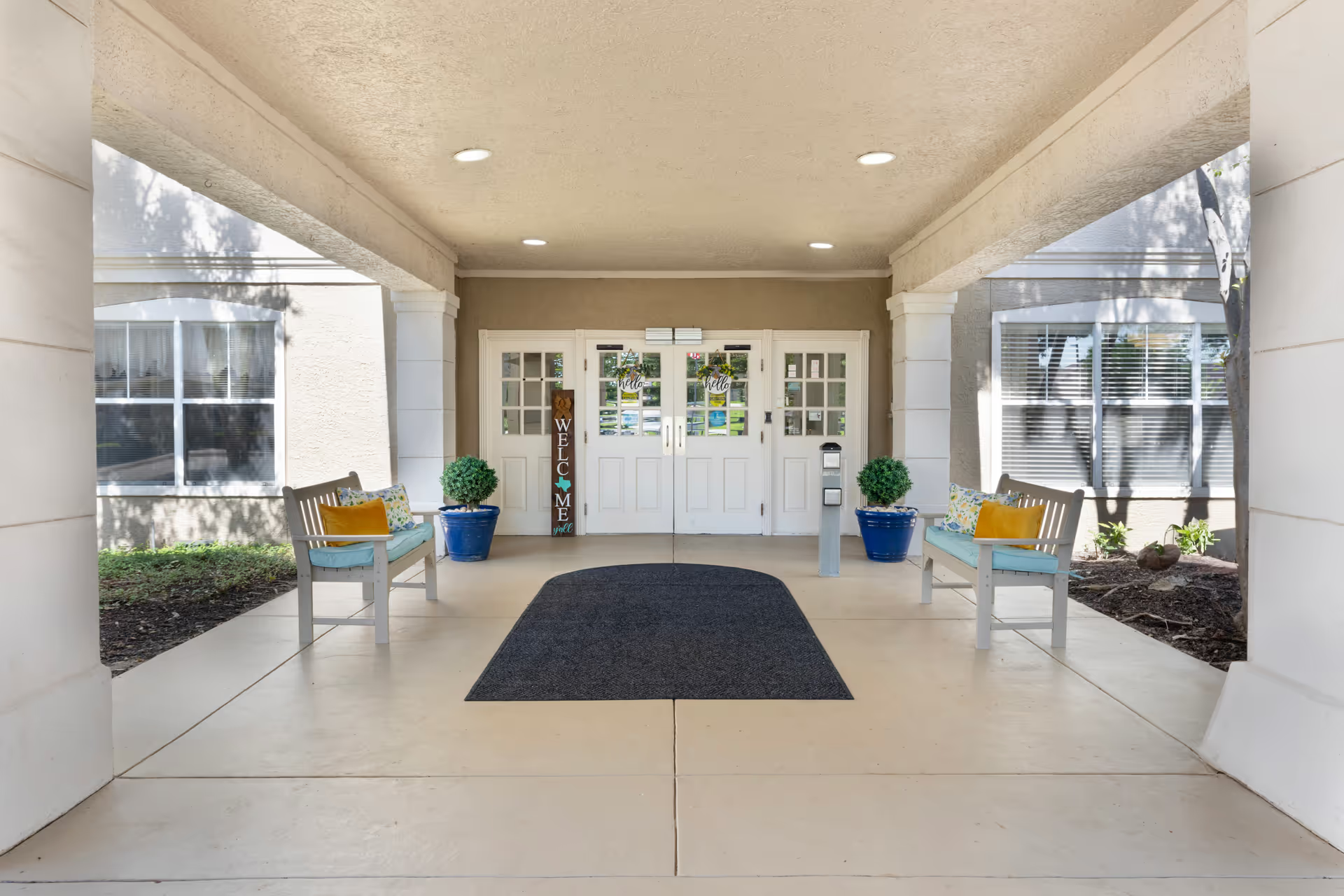
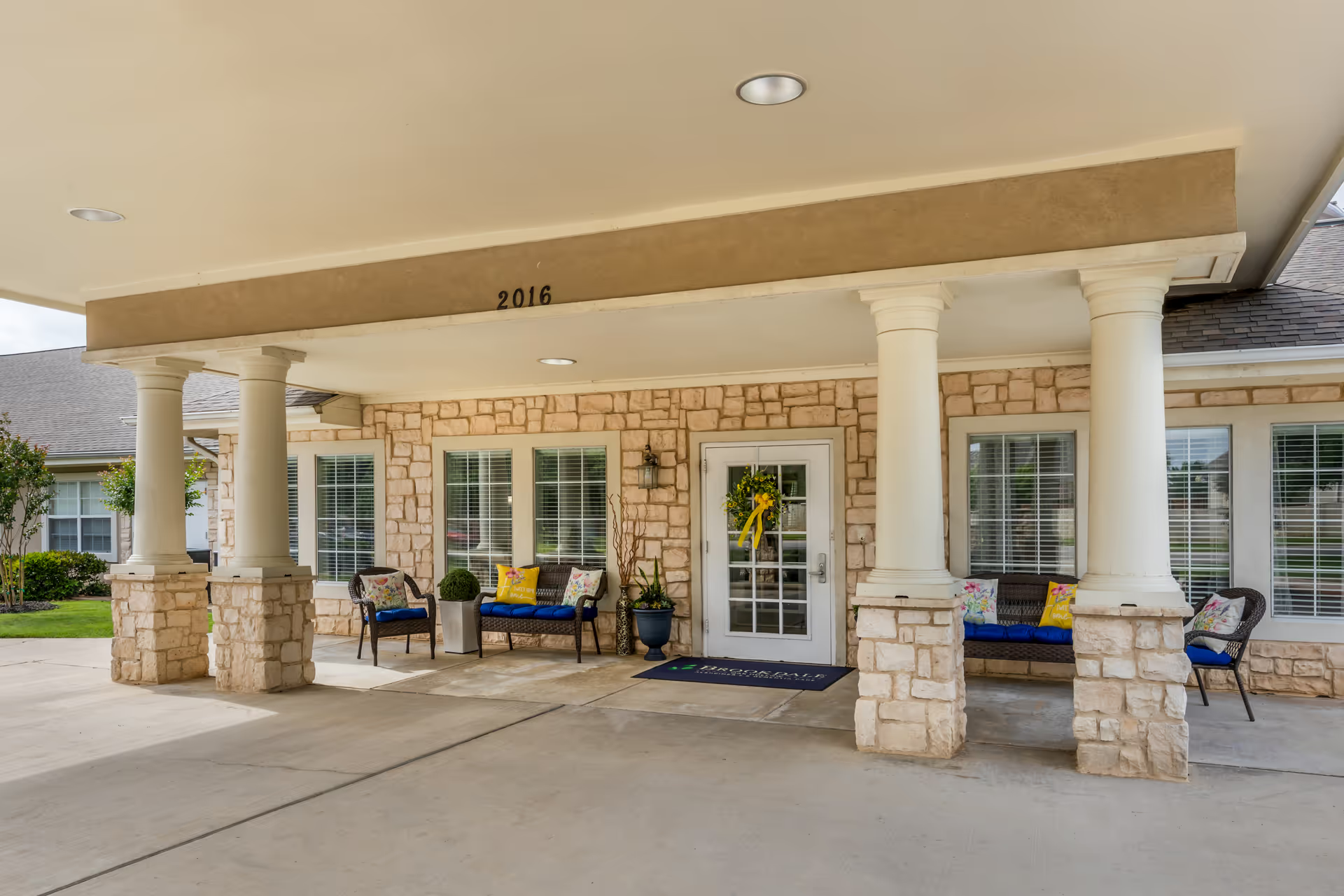
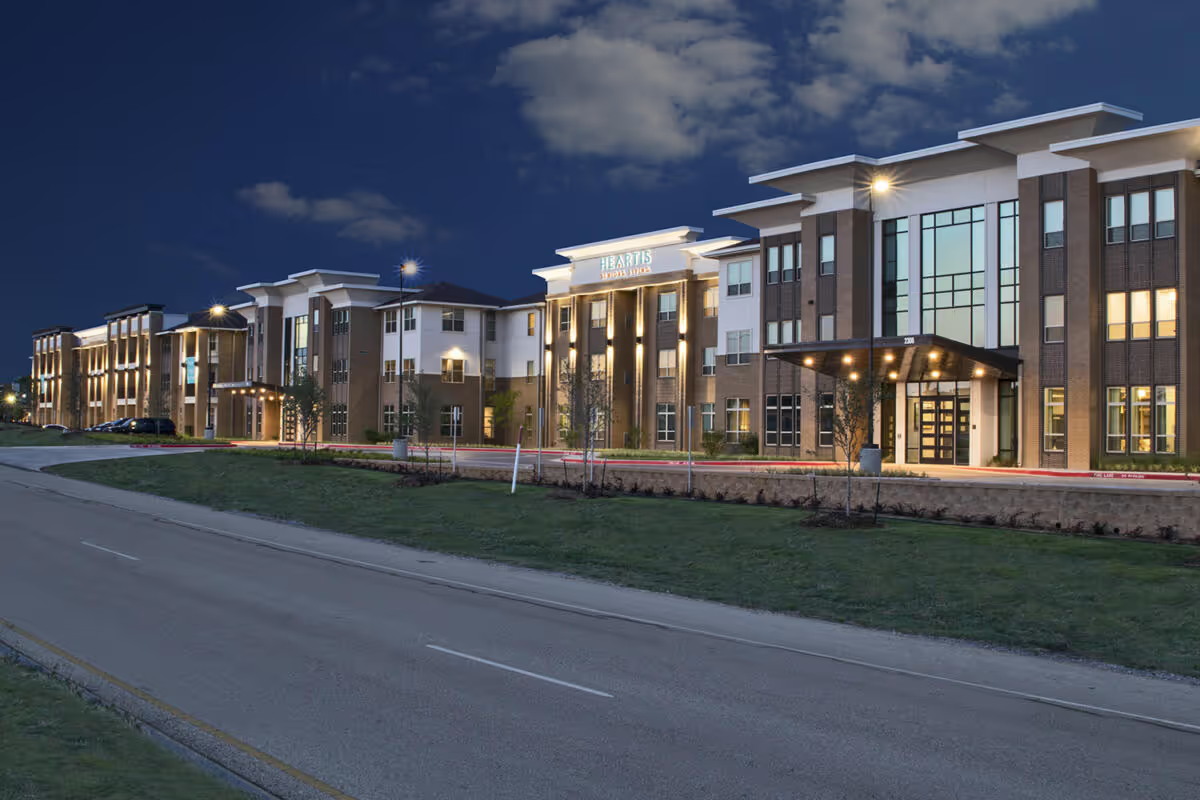
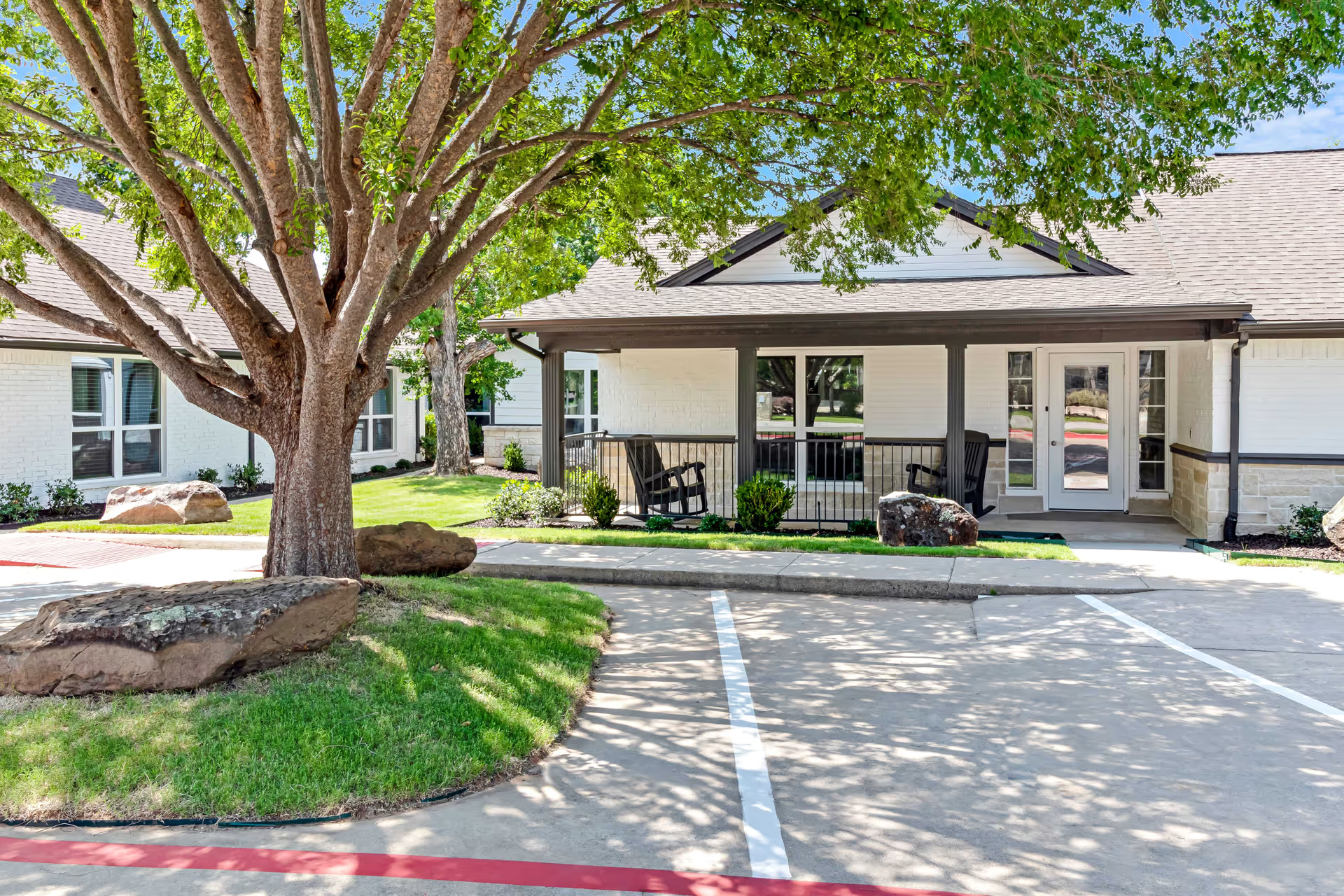
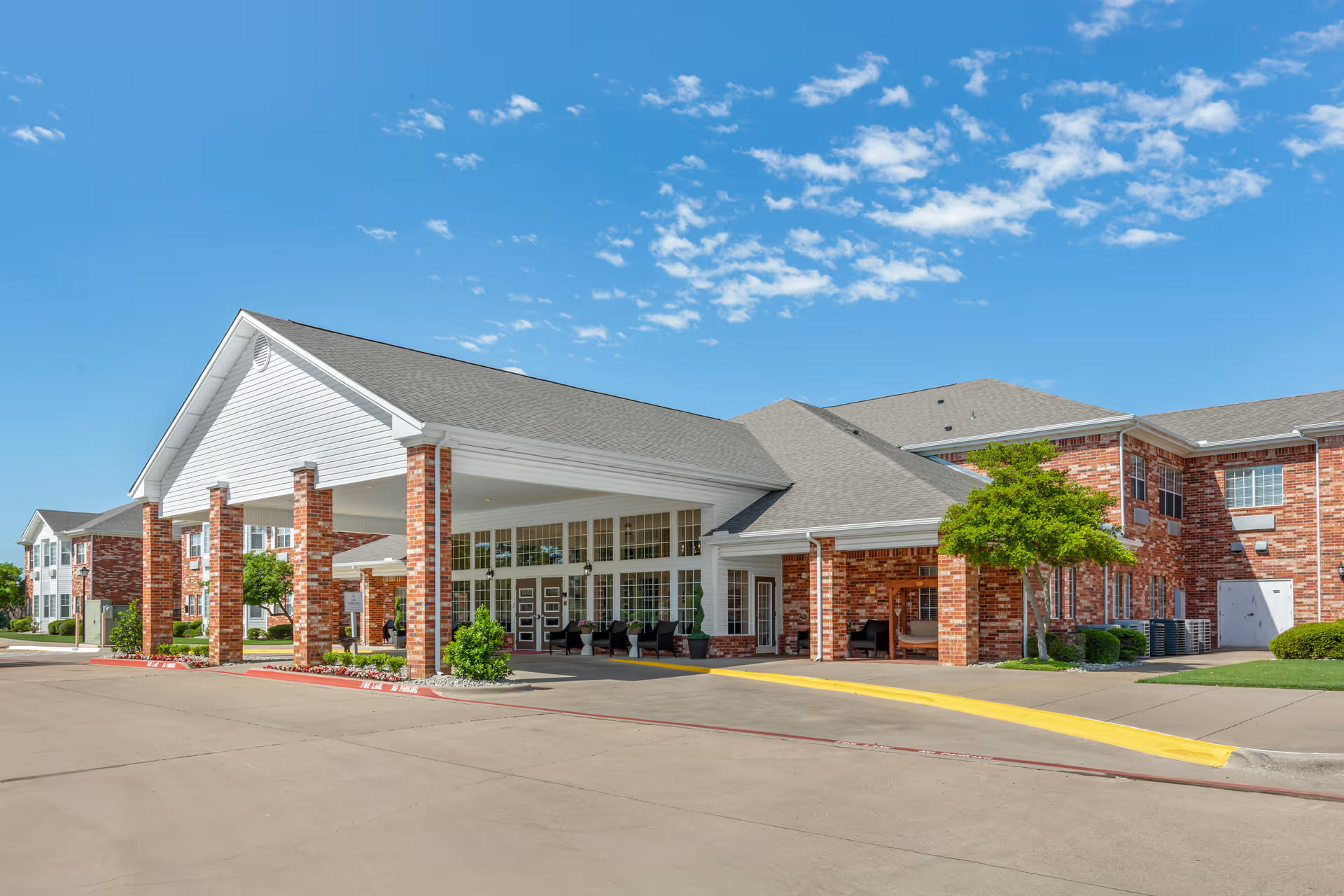
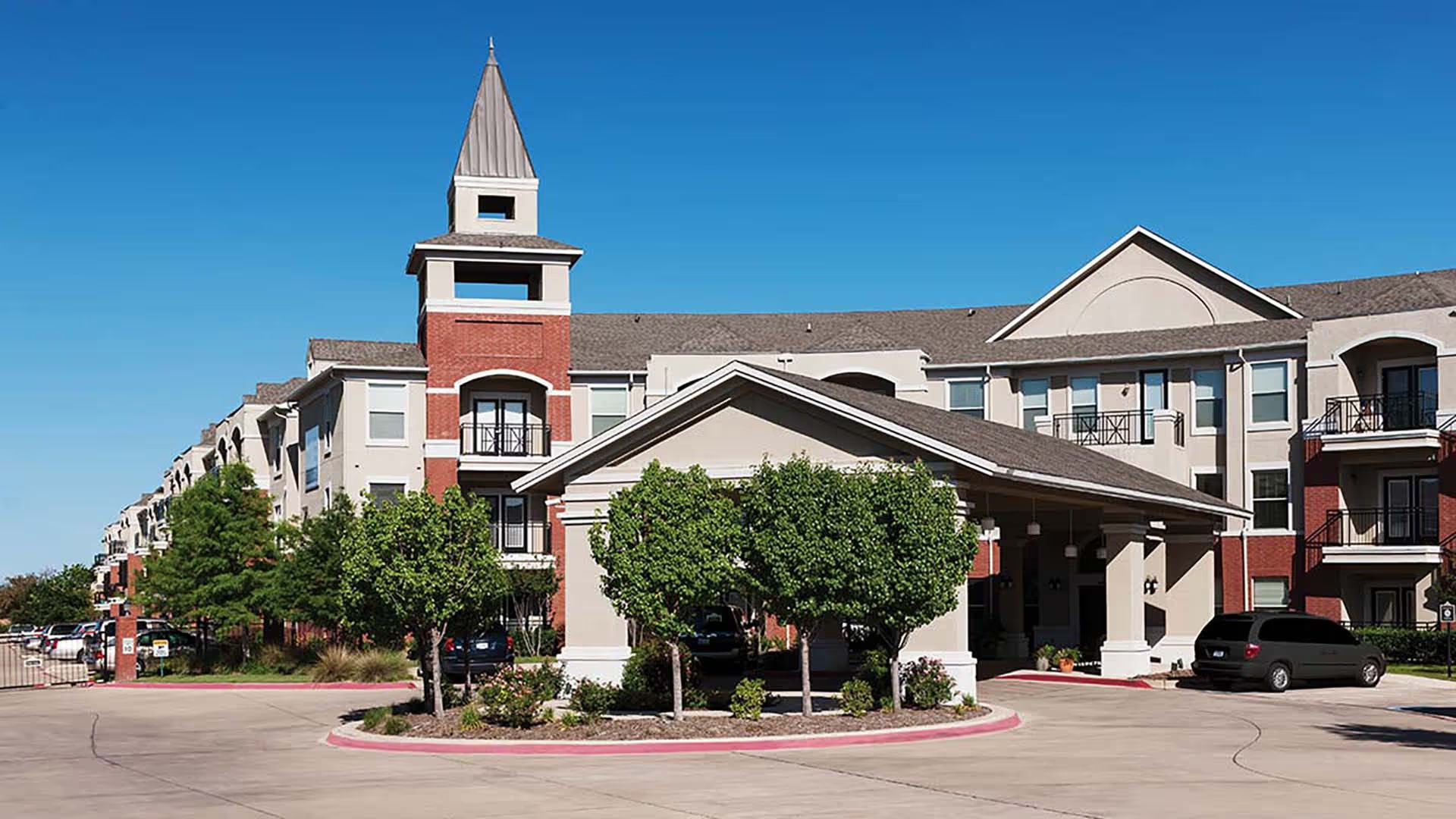
The reviews present a mixed picture of Heartland Health Care Center - Bedford. Positive comments emphasize clean, well-kept rooms, an on-site salon, and therapy services that helped some residents regain function. Multiple reviewers praised individual nurses and aides for compassionate care, and the facility is noted for relatively low staff turnover and implemented infection-control precautions during the COVID period.
At the same time, there are recurring clinical concerns. Several accounts describe failures of clinical coordination—examples include wound-care that did not align with surgeon orders, delayed recognition of acute illness, and situations that required emergency transfer. Reviewers also described instances where outside physicians were restricted from advising care, which families saw as an impediment to continuity. These reports suggest variability in adherence to care plans and a need to confirm how physician orders and specialist recommendations are implemented on site.
Staff performance appears uneven. While many reviewers singled out caring and effective staff members (including therapy personnel), others reported slow or unresponsive assistance to basic needs, delays responding to call bells, and concerns about staff tone during interactions. This variability indicates that resident experience may depend strongly on staffing levels, shift, or particular caregivers.
Dining and personal-care practices show inconsistency. Some families found meals satisfactory and staff helpful with rehabilitation-related nutrition, while others reported poor food quality, meals placed out of reach, and inadequate assistance with eating and transfers. Bathing and mobility assistance were also described as inconsistent, with families expressing concerns about timely personal care.
Facility-level maintenance and safety issues were raised alongside the positive comments about upkeep. Several reviewers noted sanitation and plumbing concerns as well as pest-control concerns in parts of the building. Privacy and security process weaknesses were reported, including instances of unauthorized room entry and questionable placement of equipment near high-traffic nurse stations. These items point to areas where operational procedures and building maintenance may need reinforcement.
Administrative and management problems were a common theme. Reviews cited confusing discharge procedures, unclear billing and self-pay practices, high equipment-rental charges, and difficulty obtaining or transferring insurance and progress notes. Communication failures extended to notifying families about emergency-room transfers and to telephone responsiveness. Taken together, these items indicate gaps in administrative coordination, documentation practices, and family engagement.
Overall pattern: experiences appear polarized—some residents and families report good rehabilitation outcomes and attentive caregivers, while others describe significant lapses in clinical coordination, responsiveness, sanitation, and administration. Prospective residents and families should verify key operational details before admission: wound-care and physician-order protocols, outside-physician access, call-bell and staff-response metrics, dining-assistance procedures, pest-control and maintenance schedules, and billing/discharge policies. Asking for written care plans, recent inspection reports, and names of therapy and nursing leads may help clarify whether the facility’s strengths align with a given resident’s needs.