Overall impression: Parc Place presents as an active independent-living community with a strong emphasis on social programming, chef-driven dining, and a well-kept physical environment. The dominant tenor of the feedback is positive: residents and families frequently describe a family-like atmosphere, engaged programming, abundant amenities, and staff who take a personal interest in residents’ daily lives.
Care and clinical services: Parc Place functions primarily as an independent-living community rather than an assisted-care facility. Reviewers emphasize that the campus supports independent residents with transportation, outings, and occasional meal delivery, but note limited in-house assisted-care or 24-hour clinical services. A few narratives describe care-escalation gaps when health needs increased, so prospective residents who anticipate higher-level medical or assisted living needs should confirm available services and transfer protocols before moving in.
Staff and responsiveness: Staff performance is a consistent strength in the feedback. Descriptors such as compassionate, helpful, and attentive recur across comments; maintenance and concierge teams are praised for prompt responses. At the same time, there are intermittent concerns about staff turnover, workload pressure on activity and care staff, and occasions when management communication was perceived as slow or unresponsive. These suggest generally strong day-to-day staff engagement with occasional leadership or staffing continuity challenges.
Dining and food service: Dining receives mixed but mainly favorable commentary. Many residents praise the chef-driven menus, special-event meals, and flexible meal-plan options (breakfast often included with optional lunch/dinner). However, there are operational concerns: several accounts point to inconsistent meal-service continuity (missed or delayed meals), declines in food quality following staffing changes, and limited evening dining options or constrained seating/reservation practices. Prospective residents should clarify current dining staffing, meal-inclusion policies, and seating/meal reservation logistics.
Activities and social life: The community’s activities program is a clear strength. Reviewers note a robust, varied calendar (exercise classes, bingo, bridge, concerts, happy hours, outings to museums/restaurants/theater), frequent special events, and active resident-led clubs. Transportation for errands and medical appointments supports participation. Pandemic-era reductions in programming were noted but many comments indicate activity levels have rebounded; verify current activity cadence during a tour.
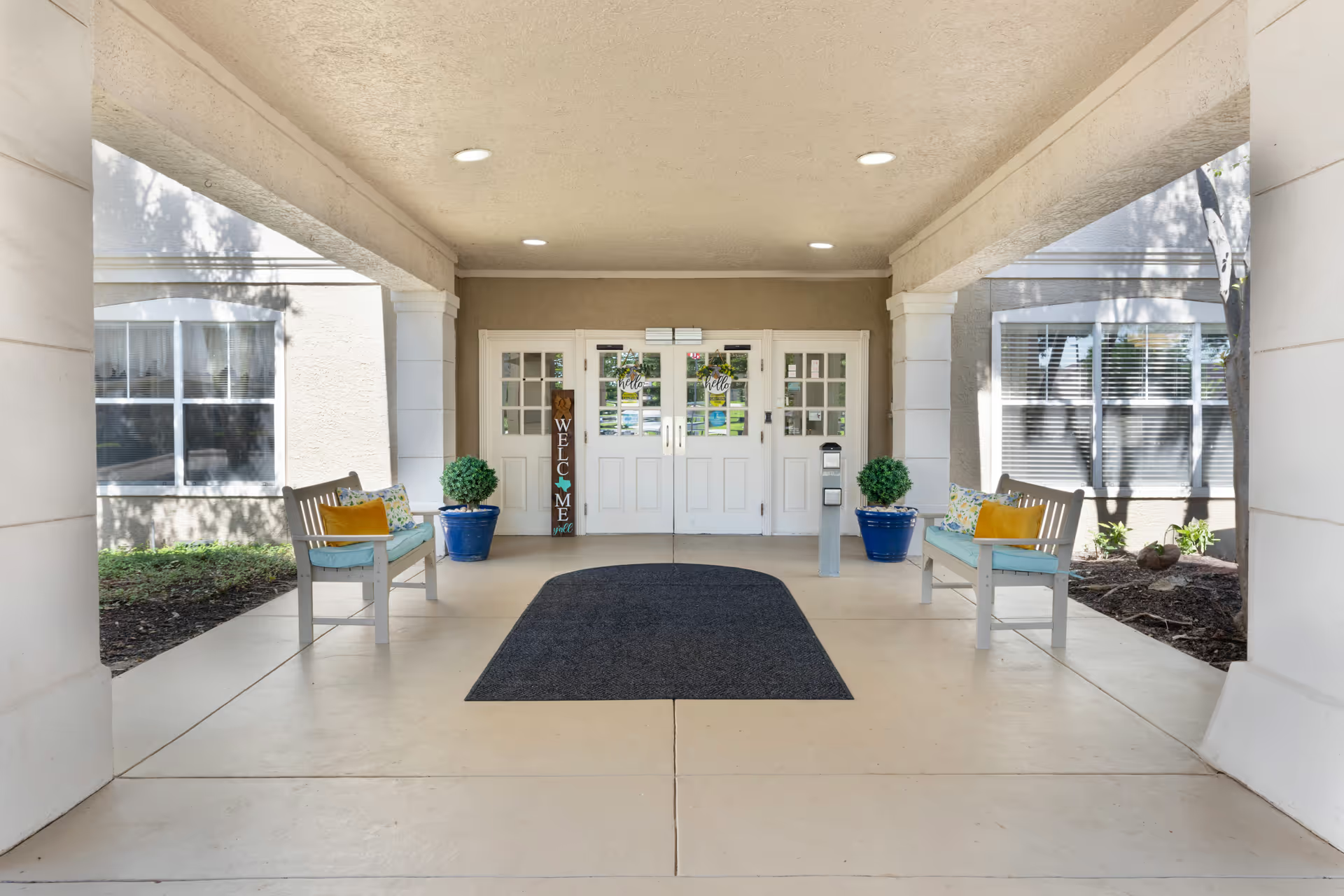
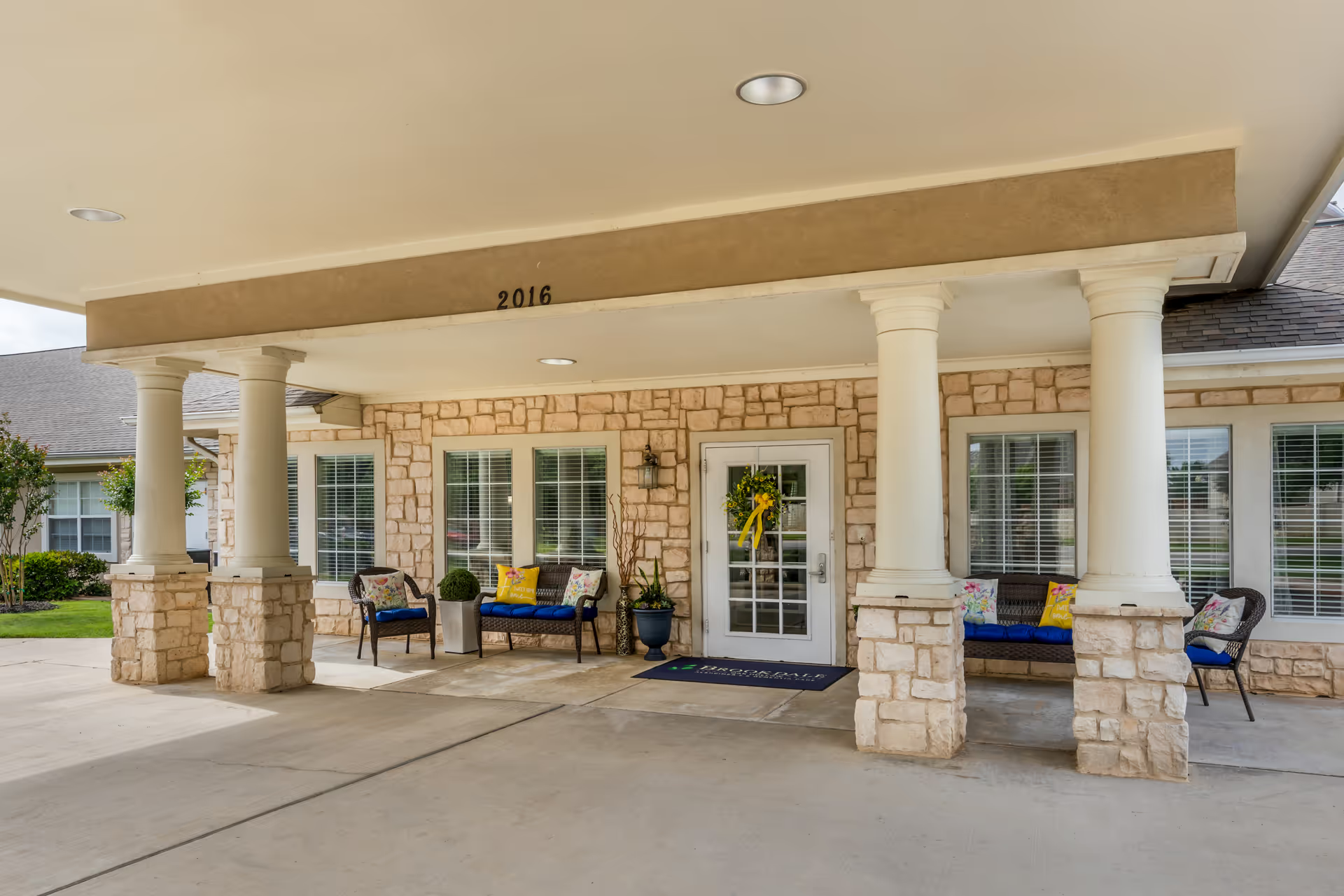
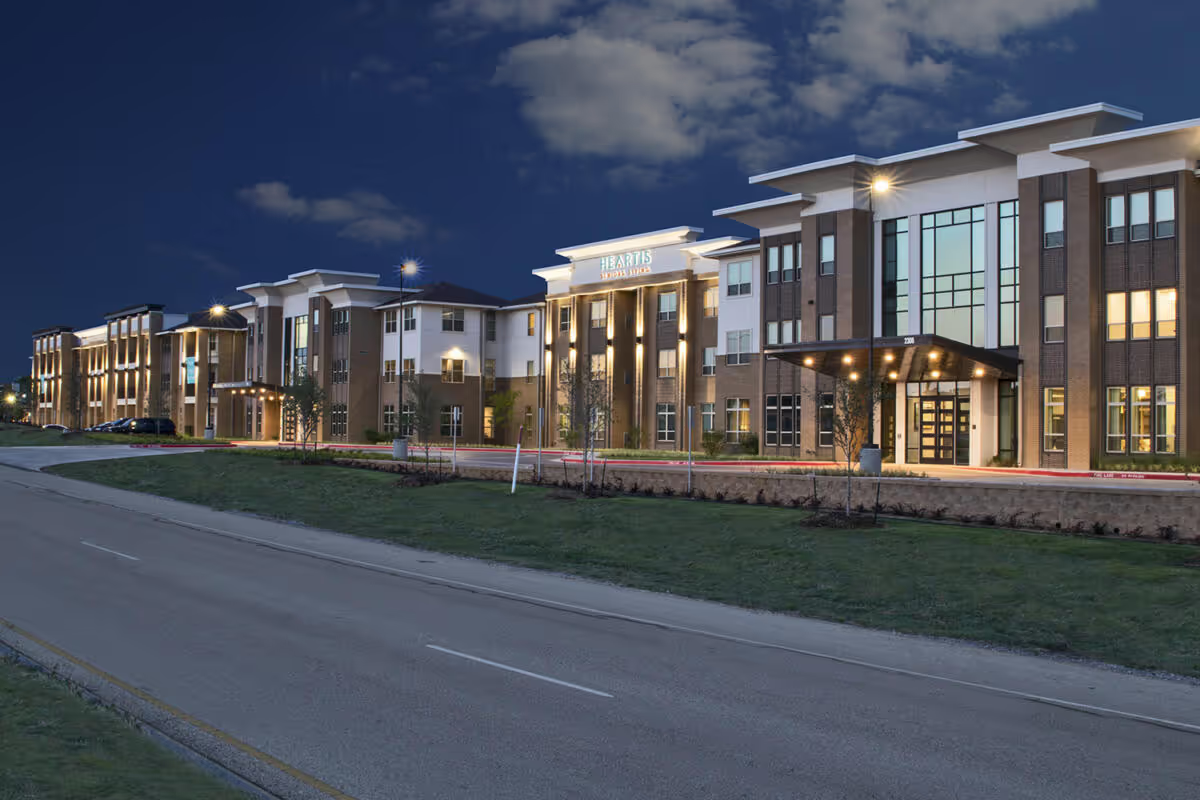
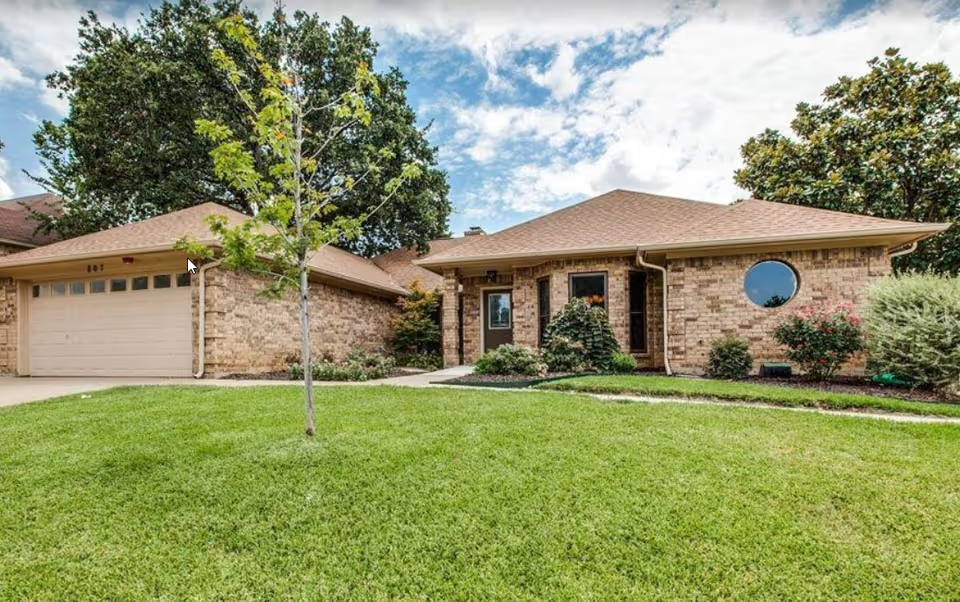
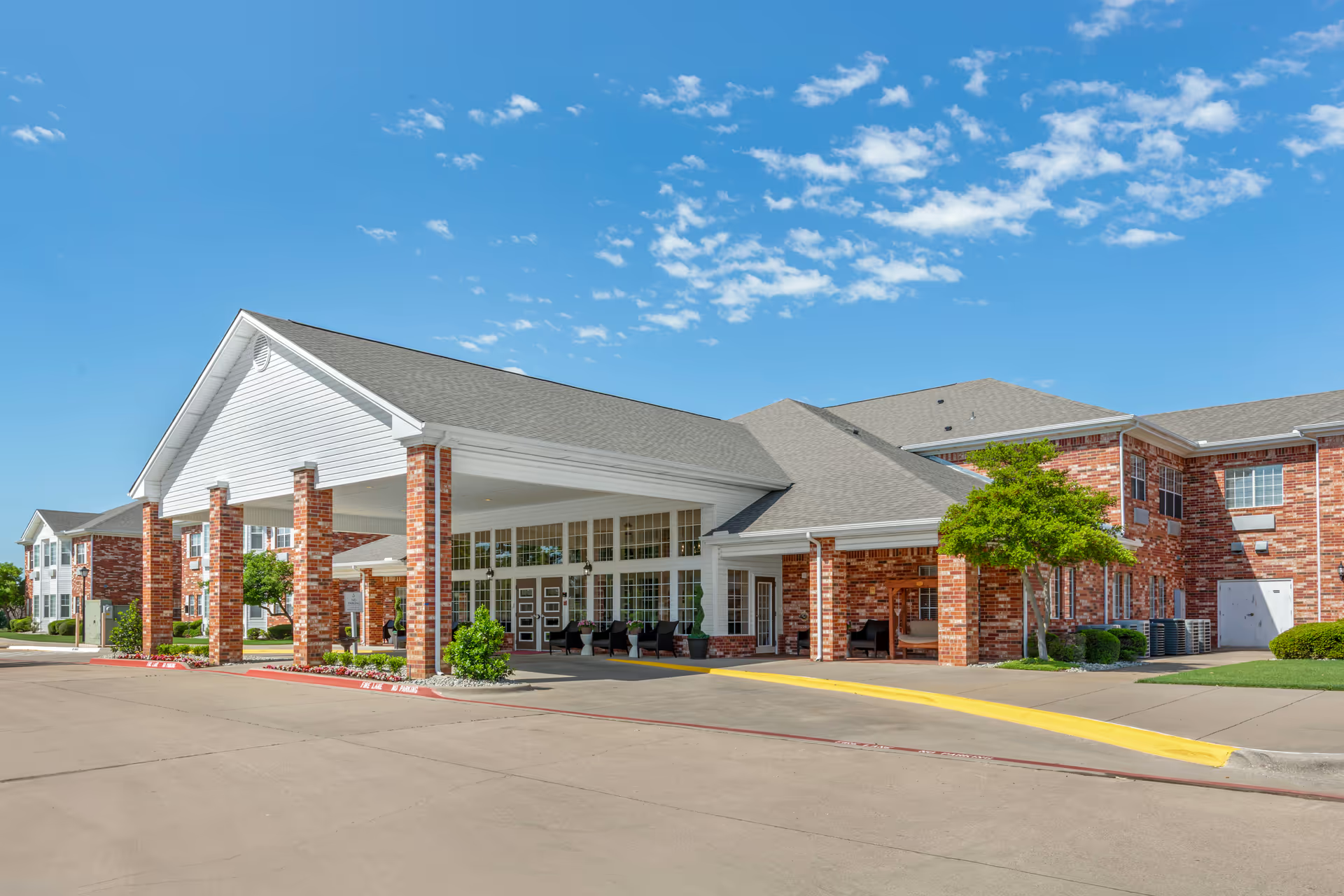
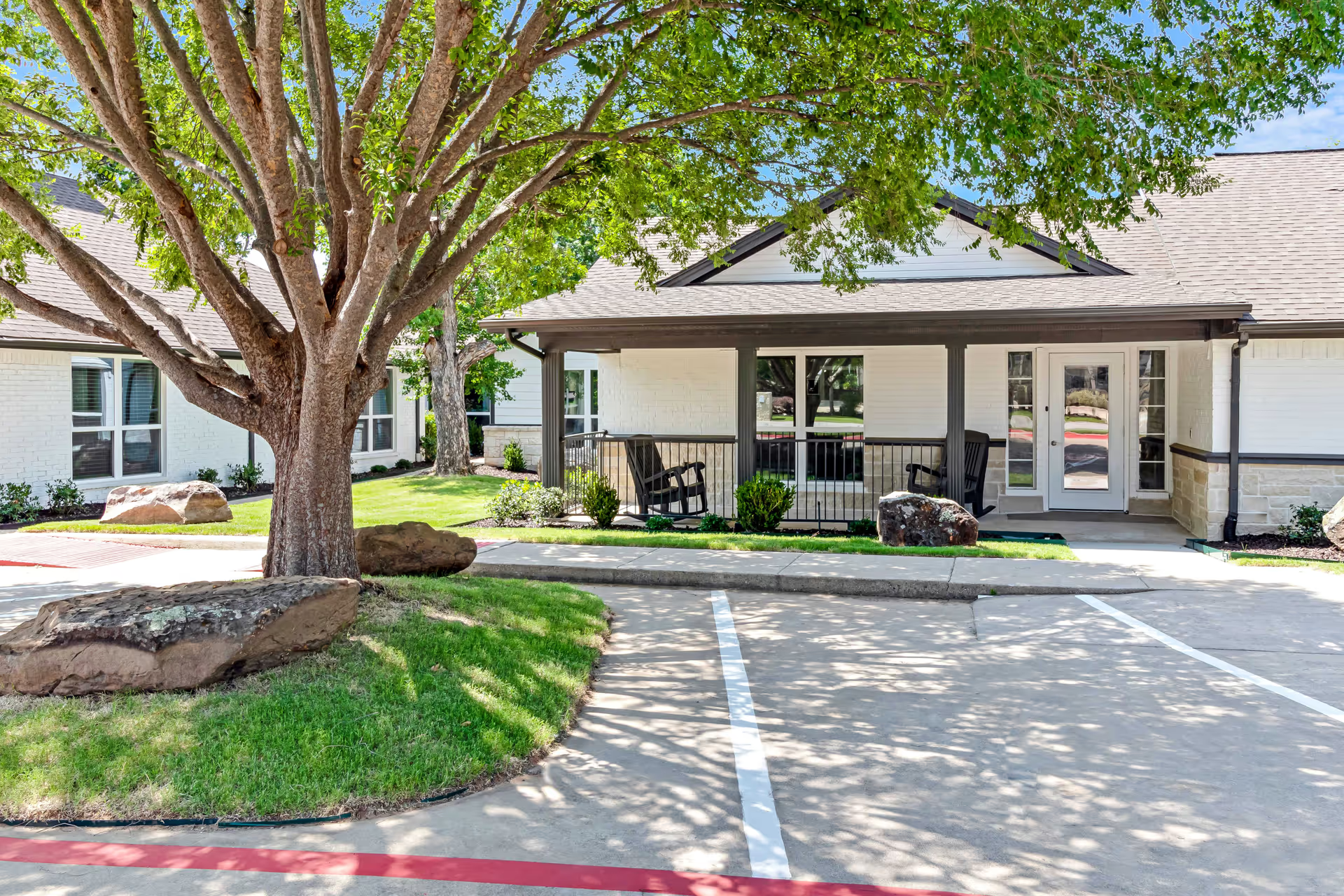
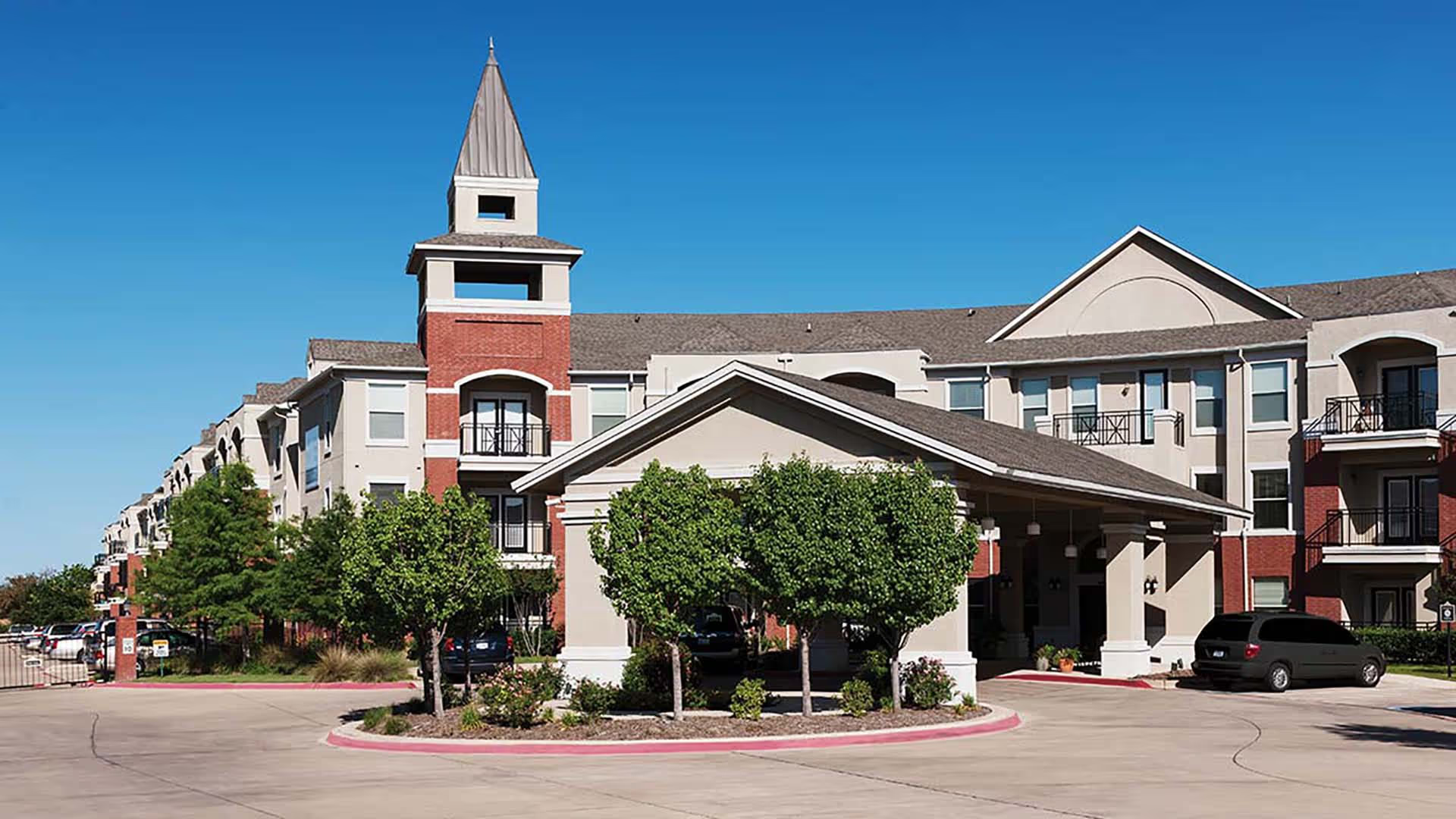
Facilities and housing: Parc Place offers a range of housing options—one-bedroom apartments, patio homes, cottages, and villas—with many units praised for natural light, storage, and outdoor space. The campus and grounds are repeatedly described as well maintained and clean. Operational trade-offs include some units or common areas marked by limited natural light or acoustic issues (noisy atrium), occasional aging-infrastructure problems (intermittent HVAC/hot-water issues), and accessibility or distance challenges for certain villas relative to dining and services. Confirm unit location and accessibility features when evaluating fit.
Management, costs, and transparency: Management receives both praise for responsiveness and criticism for opaque pricing and administrative decisions. Recurring financial concerns include add-on fees, periodic fee increases, and unclear disclosure of waitlist or refundable-deposit terms. Several comments reference perceived cost-cutting measures that affected services. Prospective residents should request a detailed fee schedule, historical fee-increase policy, and written descriptions of what services are included versus optional.
Notable patterns for decision-making: Parc Place is well suited for independent seniors who prioritize an active social life, on-site amenities, and attentive day staff. It appears less appropriate for individuals who require on-site assisted living or predictable 24-hour clinical supervision. Evaluate current dining staffing and service continuity, clarify pricing and optional fees, and inspect the specific unit’s proximity to dining and common areas to ensure accessibility and daylight meet expectations.
In summary, the community offers a strong social environment, engaged staff, and extensive amenities, balanced by operational caveats around meal-service reliability, pricing transparency, and limited assisted-care capacity. These trade-offs should guide questions and priorities during a visit and contract review.