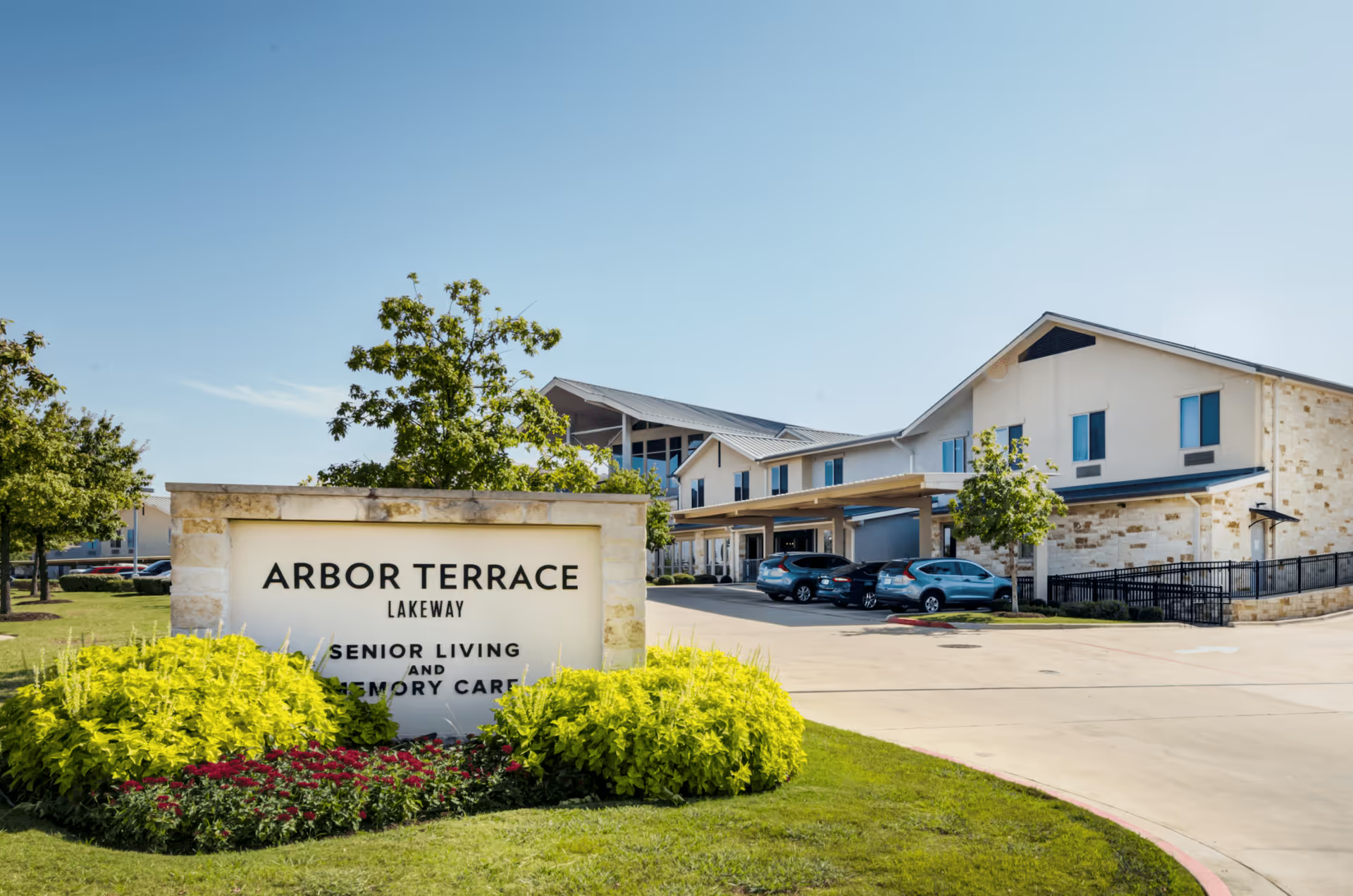
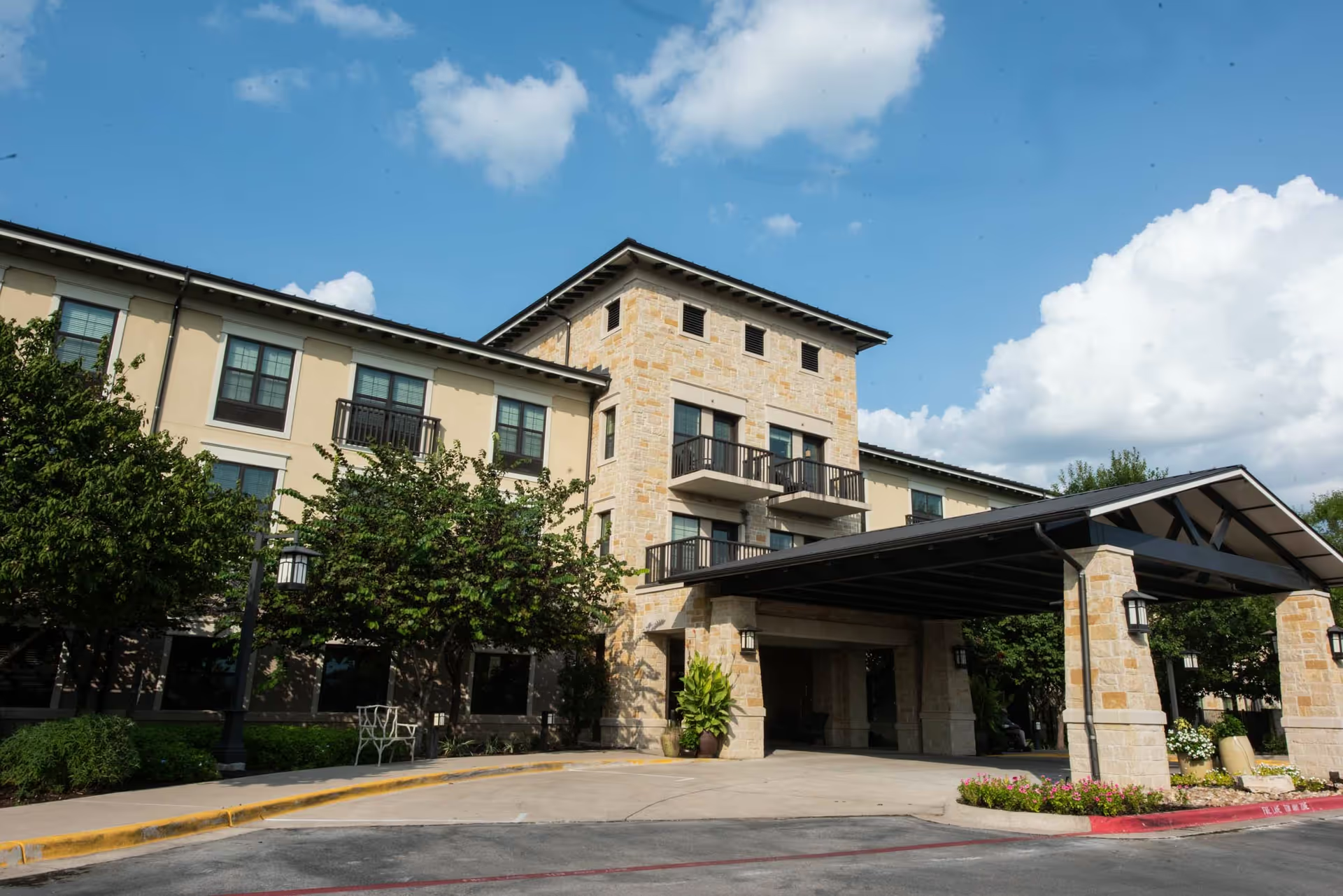
Overall impression: Park Manor Bee Cave elicits a strongly mixed impression across reviewers. Many families and residents praise the facility's modern environment, rehabilitation resources, and numerous individual staff members who provide compassionate, hands-on care. At the same time, a substantial set of operational concerns appears repeatedly, producing widely divergent experiences depending on timing, unit, and staff on duty.
Care quality and clinical oversight: The facility receives consistent commendation for its therapy programs (physical, occupational, and speech) and for clinicians who help residents regain function. However, several operational patterns give rise to clinical risk concerns: inconsistent staffing levels and turnover, lapses in medication administration, occasional gaps in physician presence or timely diagnostic work‑up, and inconsistencies in wound and skin-care practices and documentation. Families should note recurring references to pressure‑injury risk and catheter management as areas where oversight has varied.
Staff, communication, and management: Many reviews single out individual employees and departments (nursing aides, therapists, social work, and admissions) for exceptional effort and compassion; specific staff members were identified as going above and beyond. Conversely, other reports describe unresponsive nursing stations, delayed callback/voicemail handling, and instances of brusque or unprofessional communication. There is a marked pattern of recent management change noted by reviewers; several accounts describe improvement under new leadership, while others reflect ongoing staffing and responsiveness challenges.
Dining, activities, and resident life: The building and communal spaces are generally described as attractive, clean, and well-equipped, with positive comments about the gym, therapy rooms, activities, and outdoor courtyard. Meal-service feedback is mixed: some residents enjoyed meals and social dining, while others described inconsistency in meal delivery, limited accommodation for special dietary needs (for example, lactose- or caffeine-free options), and cases where residents who require feeding support did not consistently receive it. Programming and therapies are generally seen as strengths, with engaged staff and meaningful activities for residents.
Facilities, safety, and administrative issues: Reviewers appreciate the facility's modern layout, private-room options, and rehabilitation equipment. However, sanitation and odor concerns in specific common areas were reported, alongside multiple accounts of missing personal items and questions about property-protection practices. Financial and admission practices were also a recurring concern: families referenced unclear billing, unexpected prorated charges, and perceived pressure to upgrade rooms. There is at least one serious allegation regarding practitioner representation that families may wish to investigate directly.
What to ask or verify on a tour: Given the mixed pattern, prospective families should confirm current staffing ratios (including weekend and night coverage), physician and advanced-practice provider availability, wound- and catheter-care protocols, medication‑administration safeguards, infection‑control practices, property‑protection policies, dining accommodations for special diets and feeding assistance procedures, and clear written explanations of room rates and billing practices. Also inquire about recent management changes and for any facility-level quality or regulatory reports that document improvement efforts.
Bottom line: Park Manor Bee Cave shows clear strengths in therapy services, individual staff commitment, and physical plant quality, but consistent operational weaknesses — chiefly staffing stability, medication and clinical oversight, dining continuity, sanitation in select areas, and administrative transparency — have produced variable resident experiences. Families should weigh the facility's rehabilitation and staffing positives against these operational concerns and perform targeted checks during a visit to confirm that recent management changes have addressed the issues important to them.