Overall impression: Reviews present a mixed but coherent picture: the facility exhibits clear strengths in individualized care, rehabilitation, and family communication, alongside recurring operational weaknesses tied to staffing, scheduling, and safety processes. Many families praised specific staff members and the therapy team for measurable clinical progress and compassionate interactions, while other accounts describe care interruptions and lapses that point to systemic issues rather than isolated events.
Care and clinical quality: Clinical experiences vary. Positive accounts describe attentive nursing and CNAs, effective rehab that helped residents regain mobility, and timely, compassionate interactions especially from named staff and therapists. Contrasting reports raise concerns about delays in clinical assessment and treatment, difficulties obtaining timely PT/OT, and episodes that indicate gaps in fall-prevention and transfer-safety practices. There are also mentions of medication and therapy scheduling inconsistencies and instances of over-sedation or delayed diagnoses; these comments suggest uneven clinical oversight tied to staffing and leadership stability.
Staff and management: Staffing is a central theme. Many reviewers commend individual caregivers and administrators for responsiveness, clear communication, and going beyond duties to solve problems. At the same time, recurring comments about high turnover, staff shortages, and clinical leadership turnover (DON/ADON) correlate with reports of inconsistent care across shifts—night shift concerns are specifically noted. Family communication is often strong (regular photos, video calls, and proactive admissions staff), but there are also notable gaps in notification practices around significant events, including end-of-life situations, indicating uneven attention to family liaison protocols.
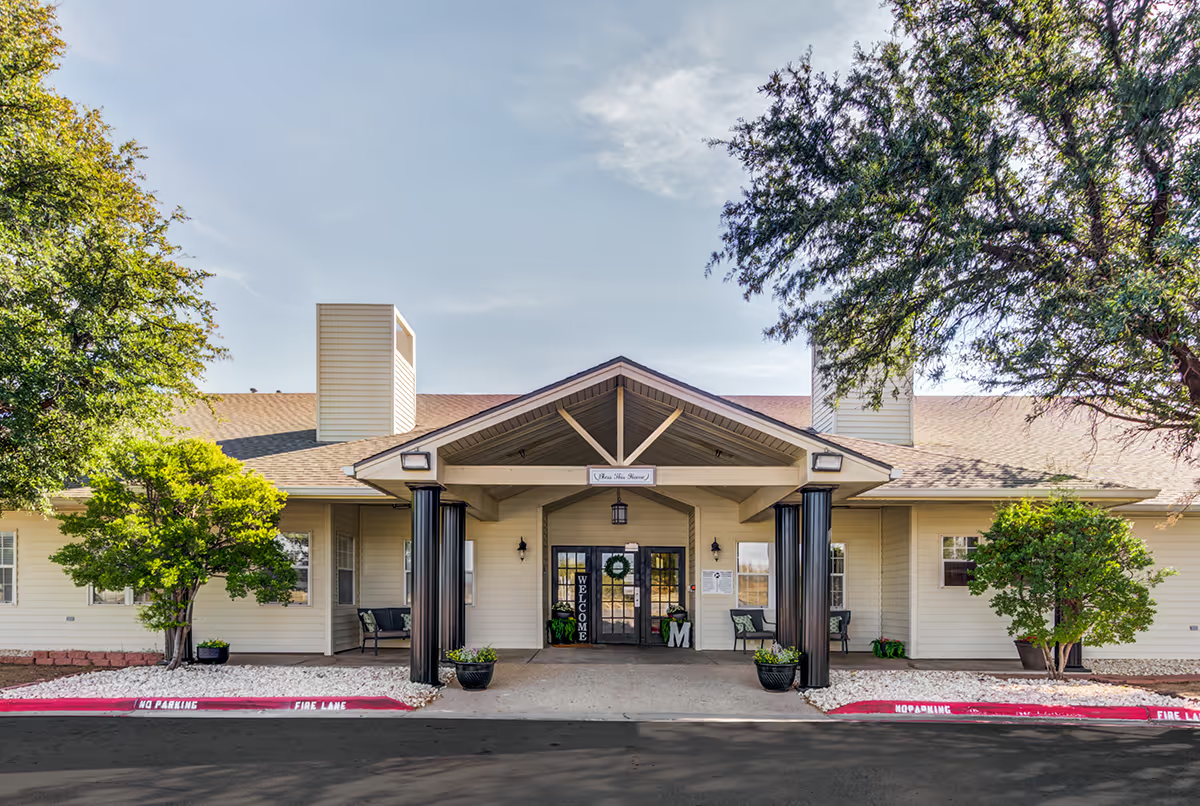
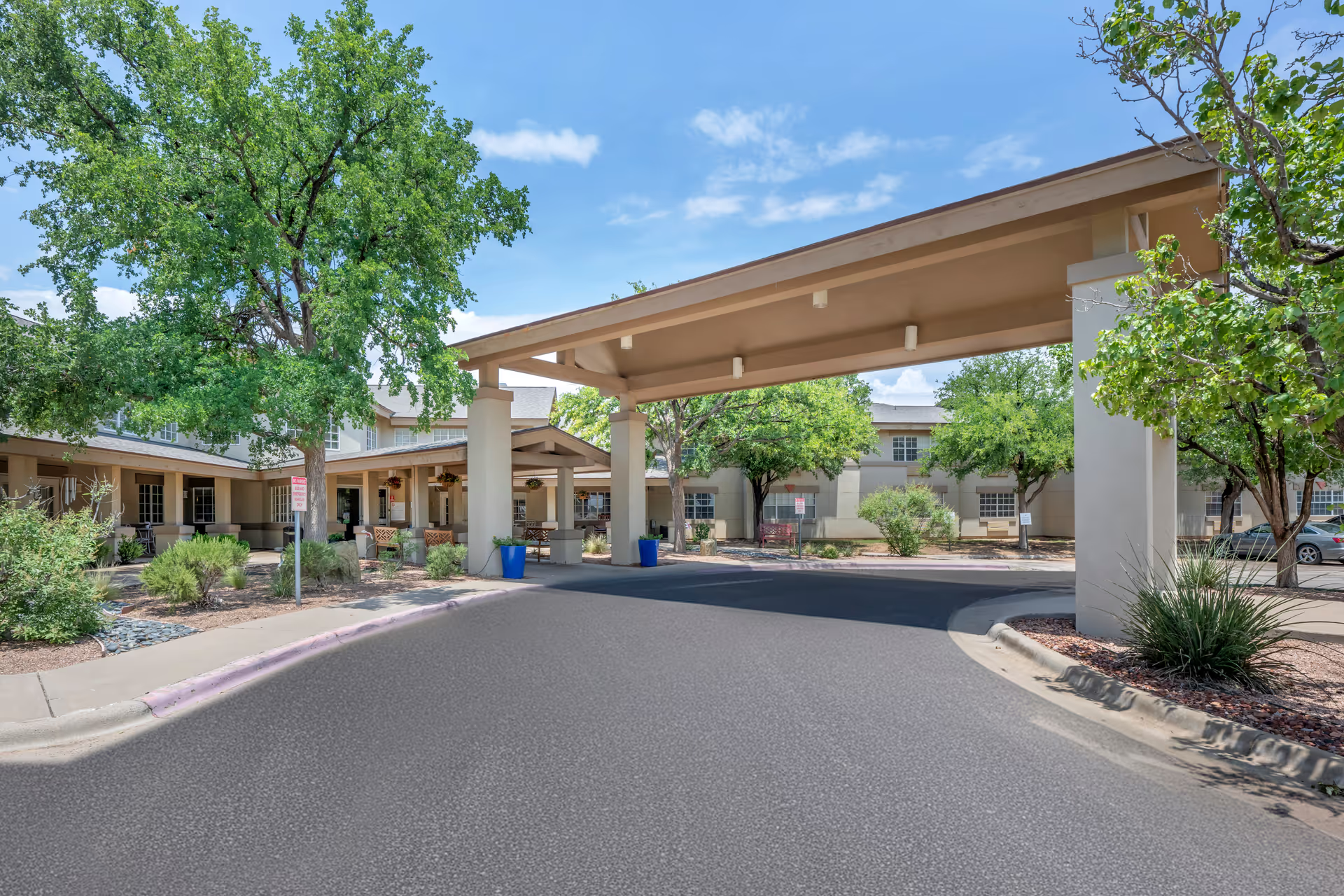
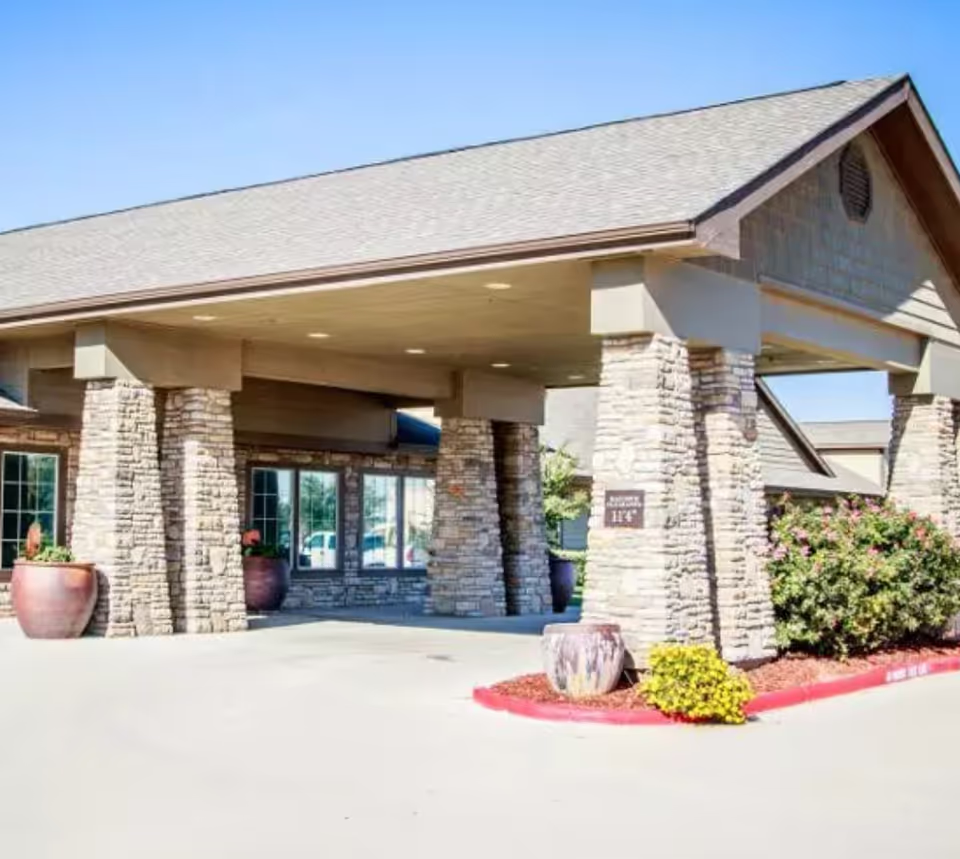
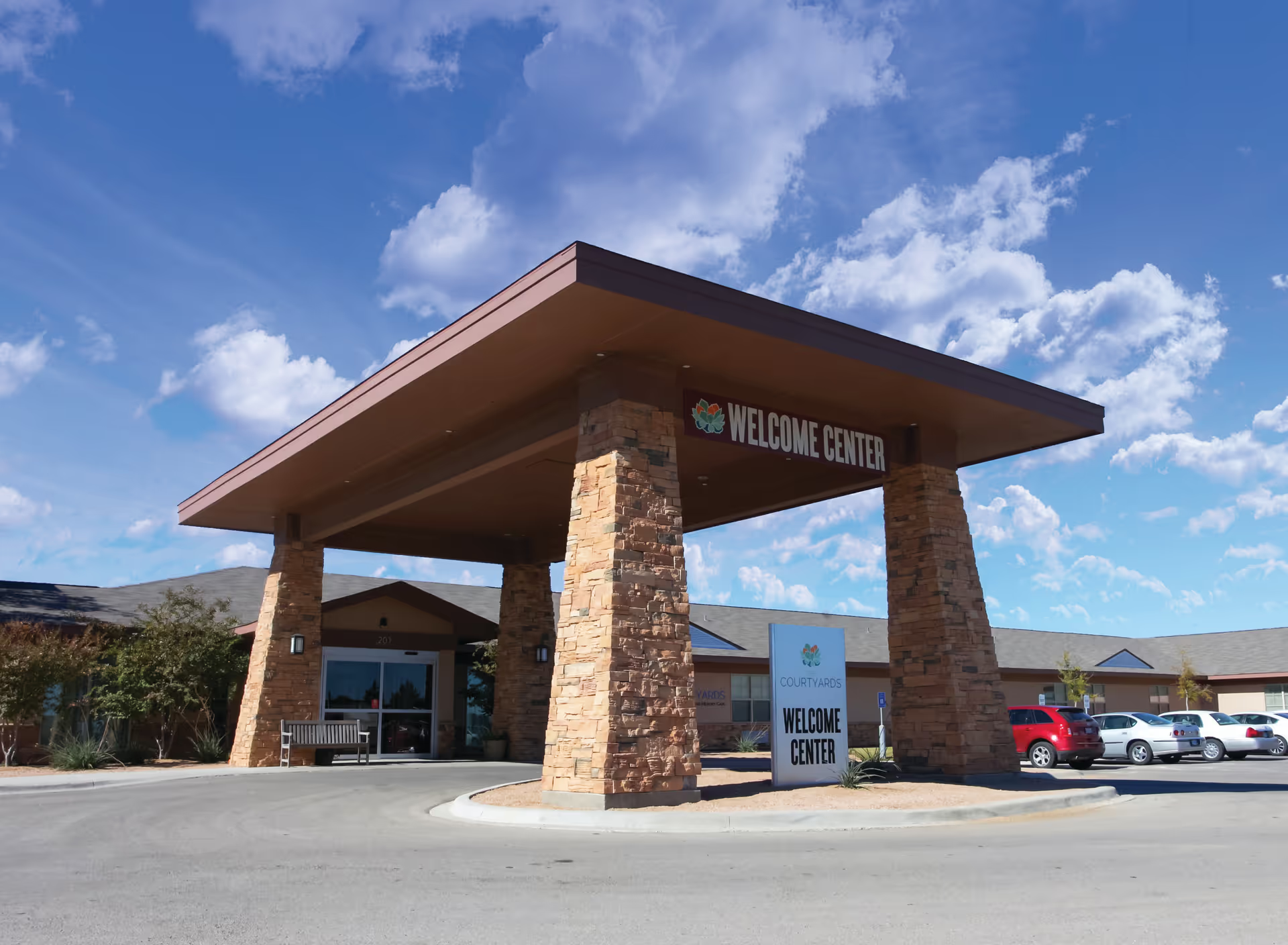
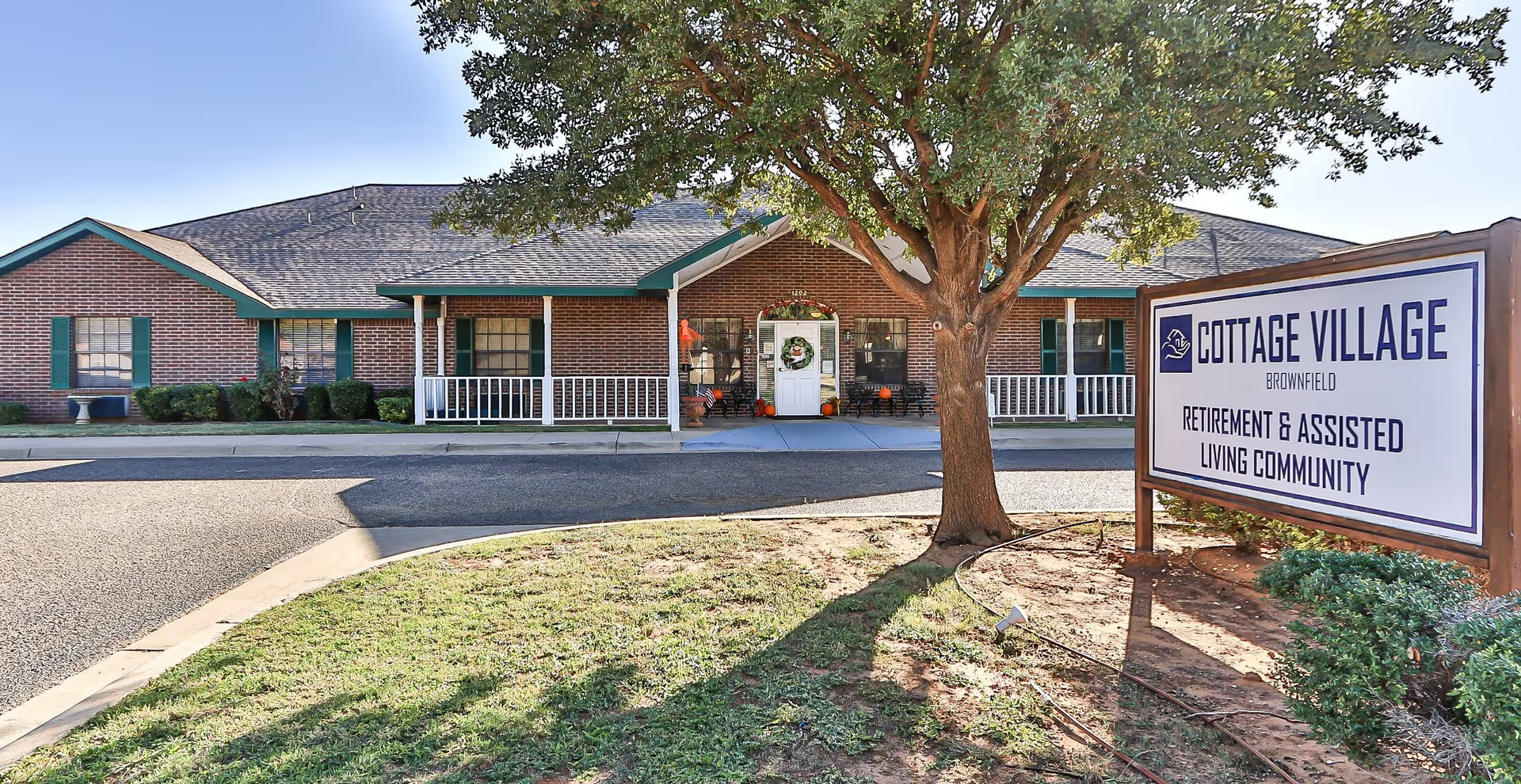
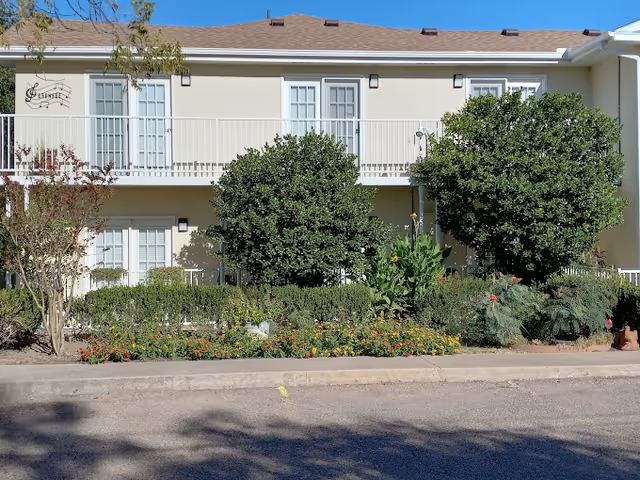
Dining, activities, and environment: The facility’s physical environment and social programming receive consistent praise. Multiple reviewers describe clean, spacious rooms, a well-maintained interior, and a friendly, community-oriented atmosphere with engaging events. Meal service elicited divided opinions: some families described enjoyable meals and good dining service, while others characterized the menu as repetitive and insufficiently nutritious. Activity programming and community involvement are cited as strengths that contribute to residents’ quality of life.
Safety, property, and operational concerns: Several operational weaknesses emerge across reviews. Incontinence-care timing and sanitation-related concerns are raised, as are delays in personal-care tasks such as bathing. Security of personal belongings has been questioned, including allegations of staff theft, which points to a need for improved property controls. Limited remote-contact options and restrictive visitation flexibility during infection-control periods were stressful for some families and reduced their ability to monitor day-to-day care.
Notable patterns and recommendations: The reviews indicate a polarized experience—some families report excellent, rehabilitative, and compassionate care, while others experienced lapses that reflect systemic operational problems. Recurrent recommendations from reviewers include improving staffing stability, strengthening night-shift supervision and fall-prevention protocols, enhancing family notification procedures (particularly for significant clinical events), improving menu variety and nutrition, and tightening property-security measures. Prospective families should weigh the facility’s strong therapy program, clean environment, and highly praised staff members against the potential for variability in care quality tied to staffing and leadership turnover.