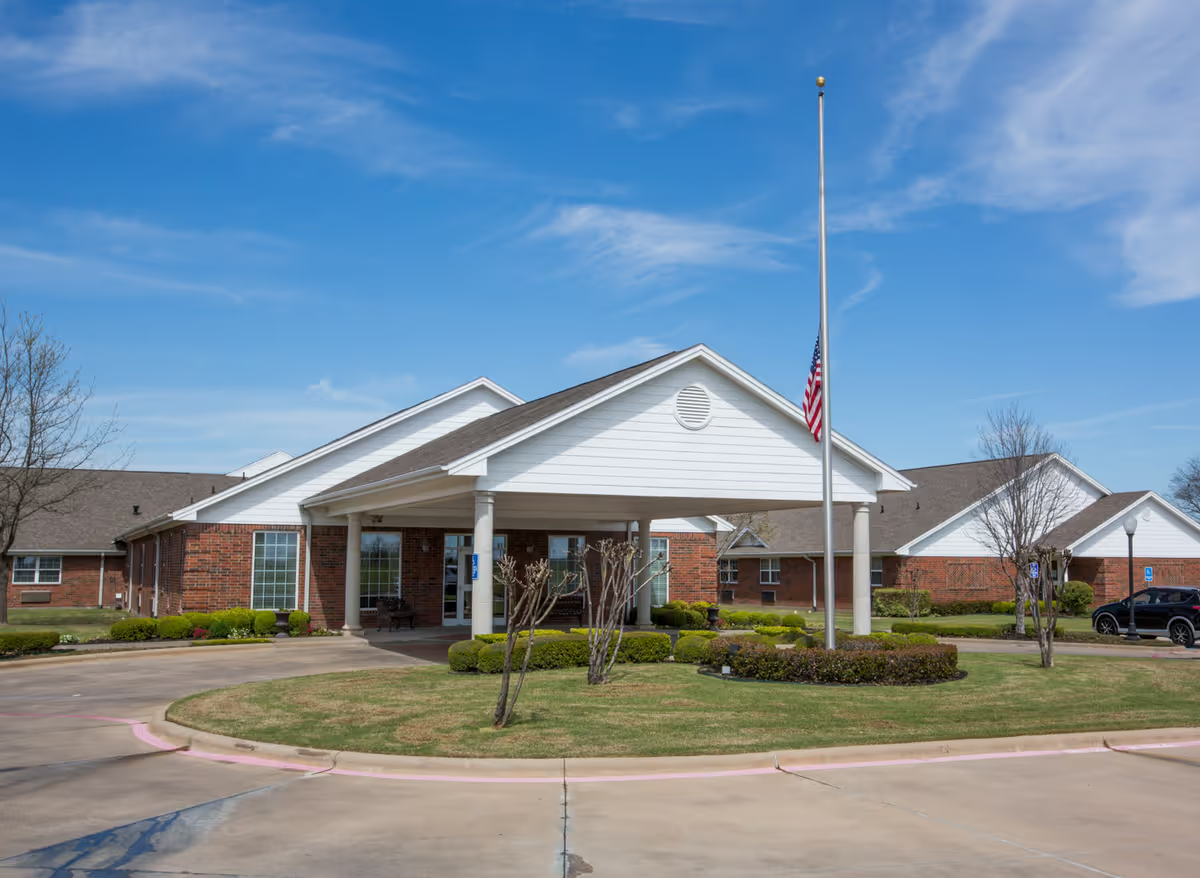
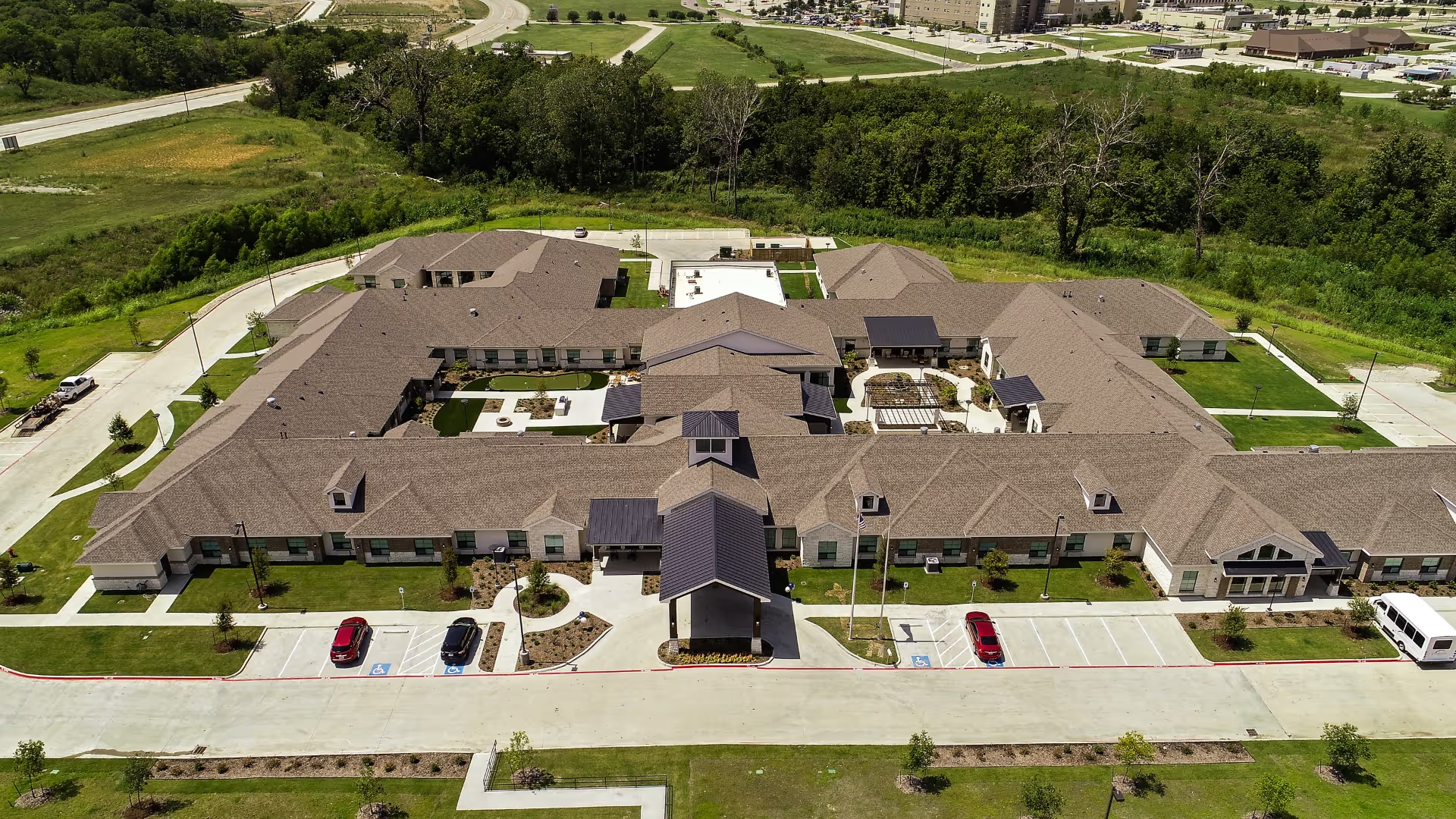
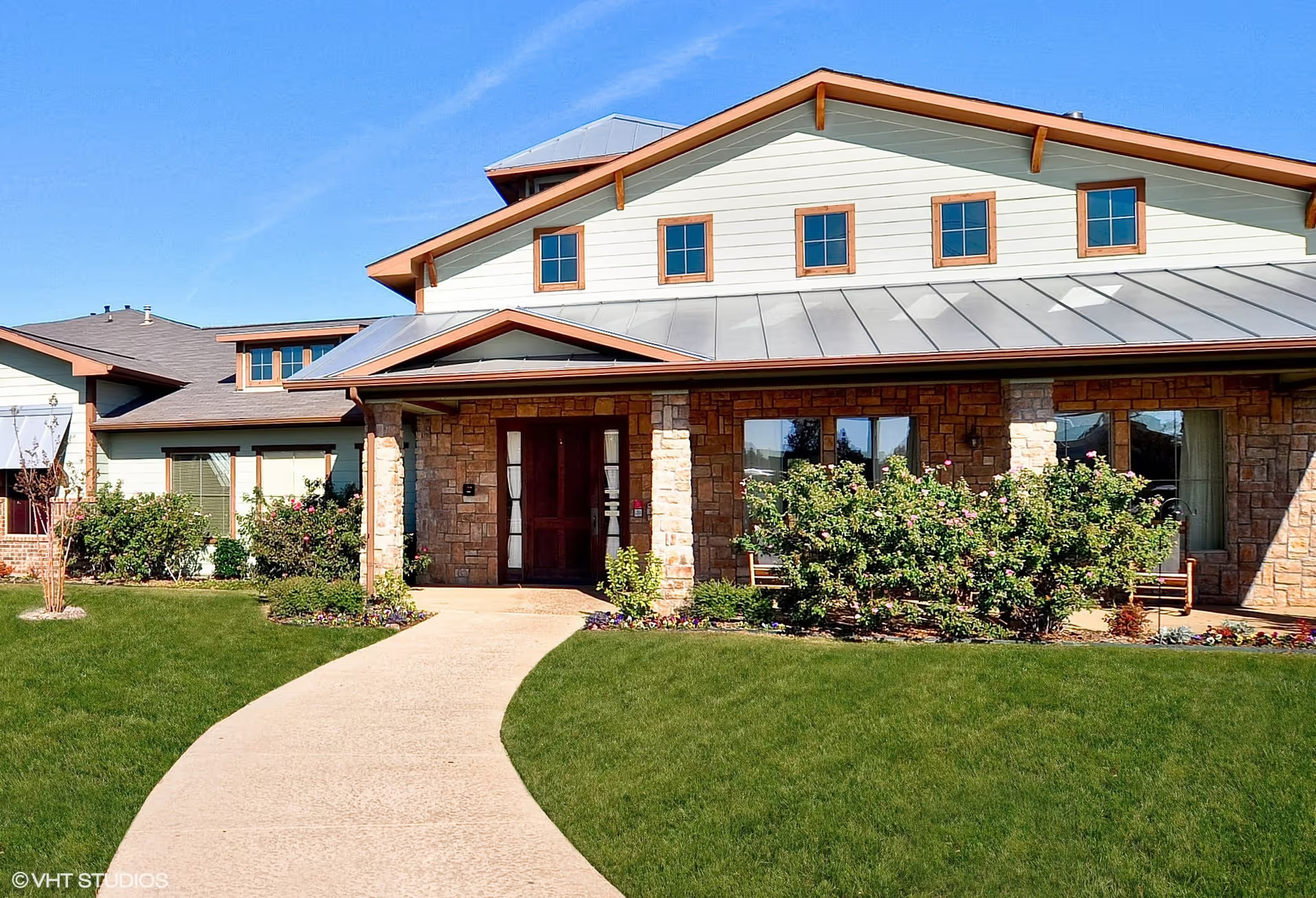
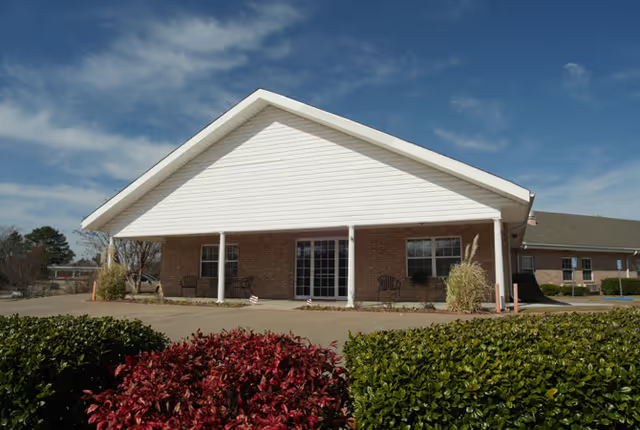
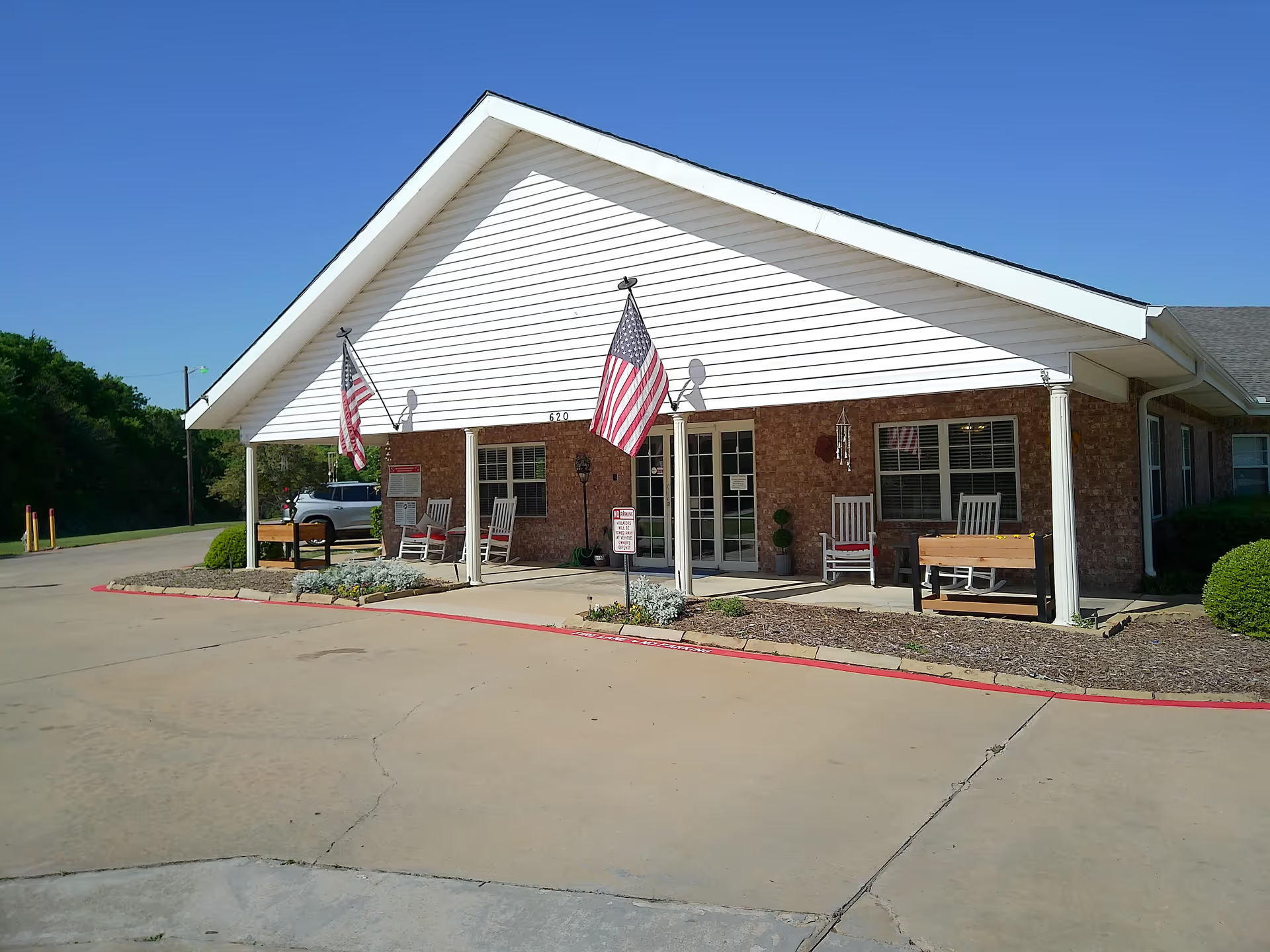
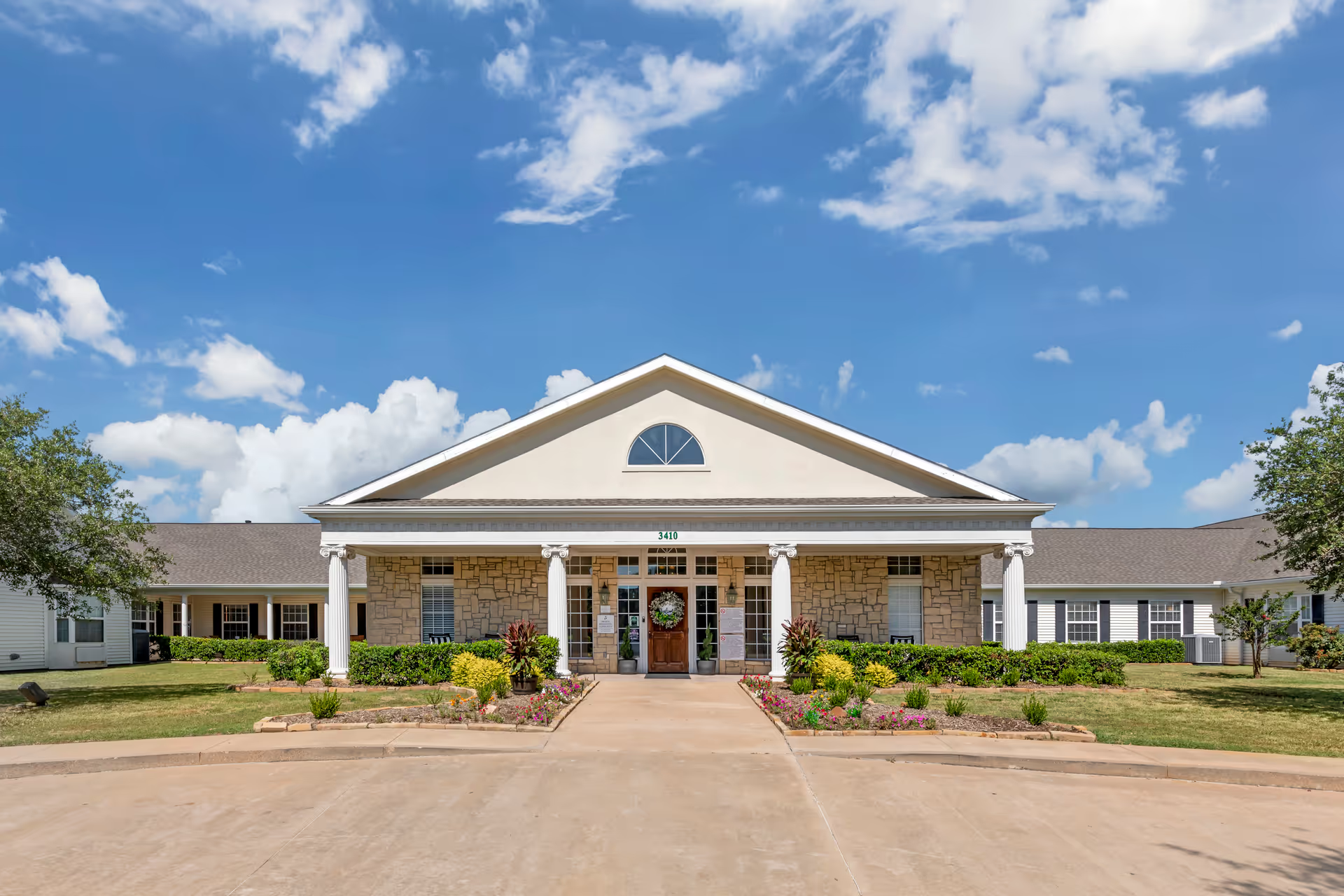
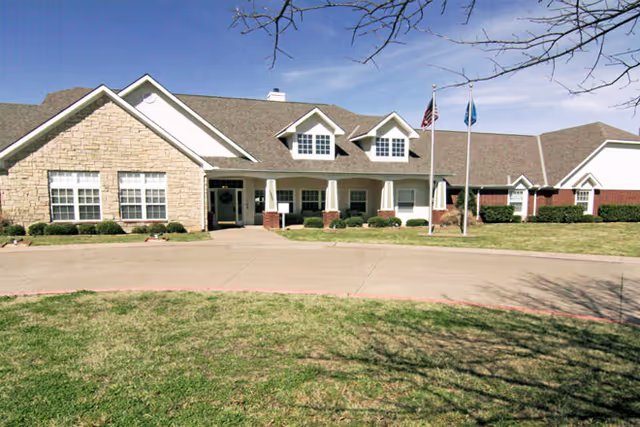
North Star Ranch Rehabilitation and Healthcare Center receives consistently positive feedback for its caregiving culture, therapy services, and overall cleanliness. Families and residents frequently describe nursing staff as compassionate and family‑oriented, and the therapy department is repeatedly credited with helping residents meet functional goals. The facility's housekeeping and maintenance are noted as strengths; reviewers cite a well‑kept interior, pleasant courtyard, hardwood floors, and an absence of odor concerns. The small size and home‑like atmosphere are viewed positively by many as promoting close staff–resident relationships and a welcoming environment.
Dining and activities are also frequently praised. Meals are characterized as nutritious and appetizing, and activity programming — including game days, field trips, and chapel/communion opportunities — contributes to social engagement and a sense of community. Onsite conveniences such as a beauty and dental clinic, along with quick admissions and assistance with Medicaid applications, are seen as practical benefits that ease transitions. Several reviewers commended administrative staff for being approachable and helpful during the admission process.
Operational patterns raise several areas for clarification prior to placement. Multiple comments indicate that a large portion of rooms lack in‑suite bathroom or water facilities and that the building is relatively small and older, which can limit private space and create multi‑use common areas (for example, a day room that doubles as a dining room). There are also recurring notes about variability in staff conduct and communication tone, and at least one comment about minimal administrative presence after mid‑afternoon. Relatedly, some families expressed a need to check on loved ones at different times, which suggests inconsistent monitoring or response times during certain shifts.
Finally, a few reviewers questioned admission practices and adherence to clinical orders, which points to potential gaps in policy enforcement or clinical oversight. Taken together, the dominant pattern is one of strong interpersonal care, effective therapy, and a clean, community‑oriented facility, tempered by facility‑level constraints (room configuration and footprint) and occasional operational inconsistencies. Prospective residents and family members would be well served by confirming room amenities and bathroom arrangements, asking about administrative and staffing coverage across shifts, reviewing monitoring and response protocols, and discussing how clinical orders and admission criteria are enforced.