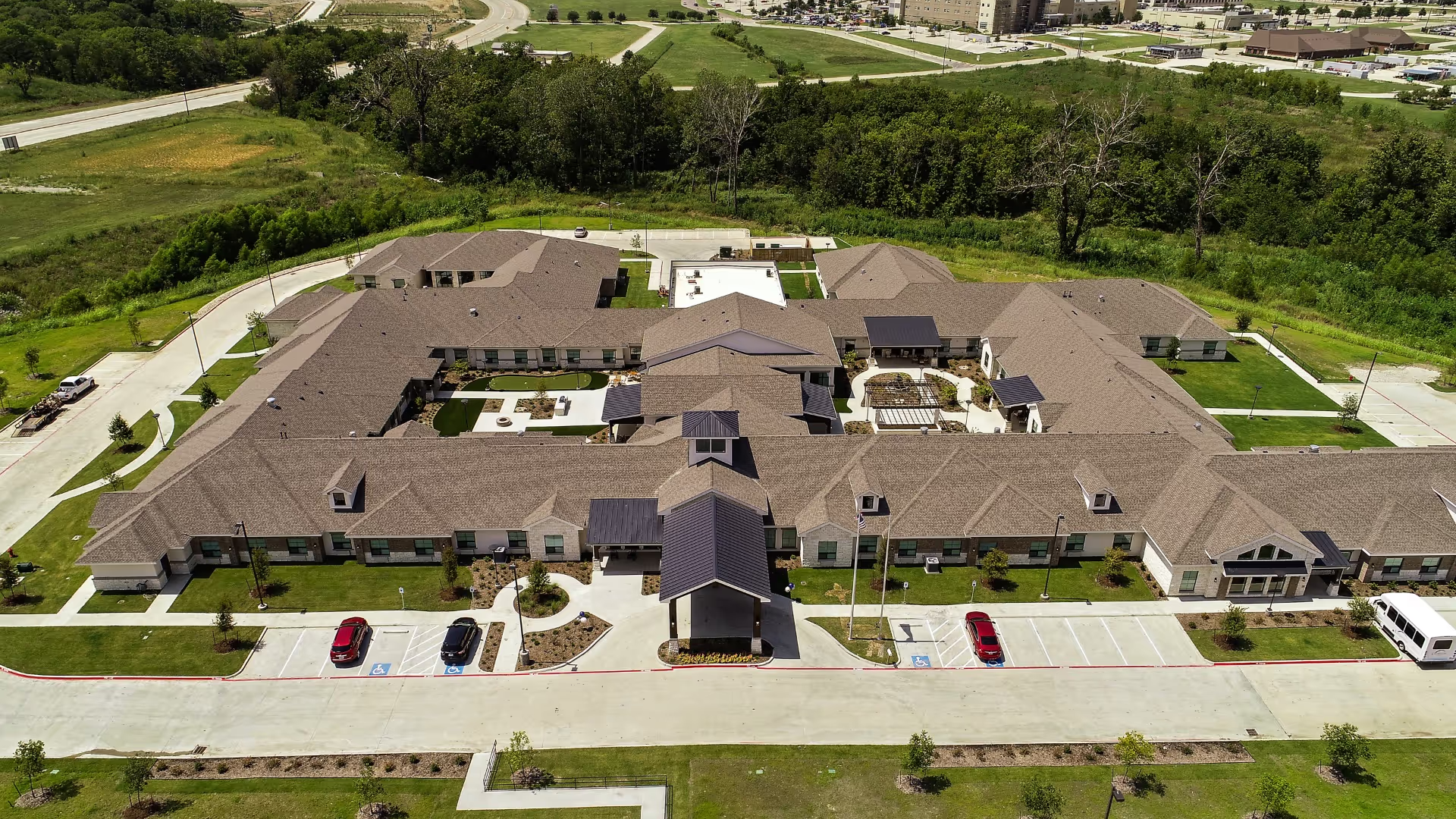
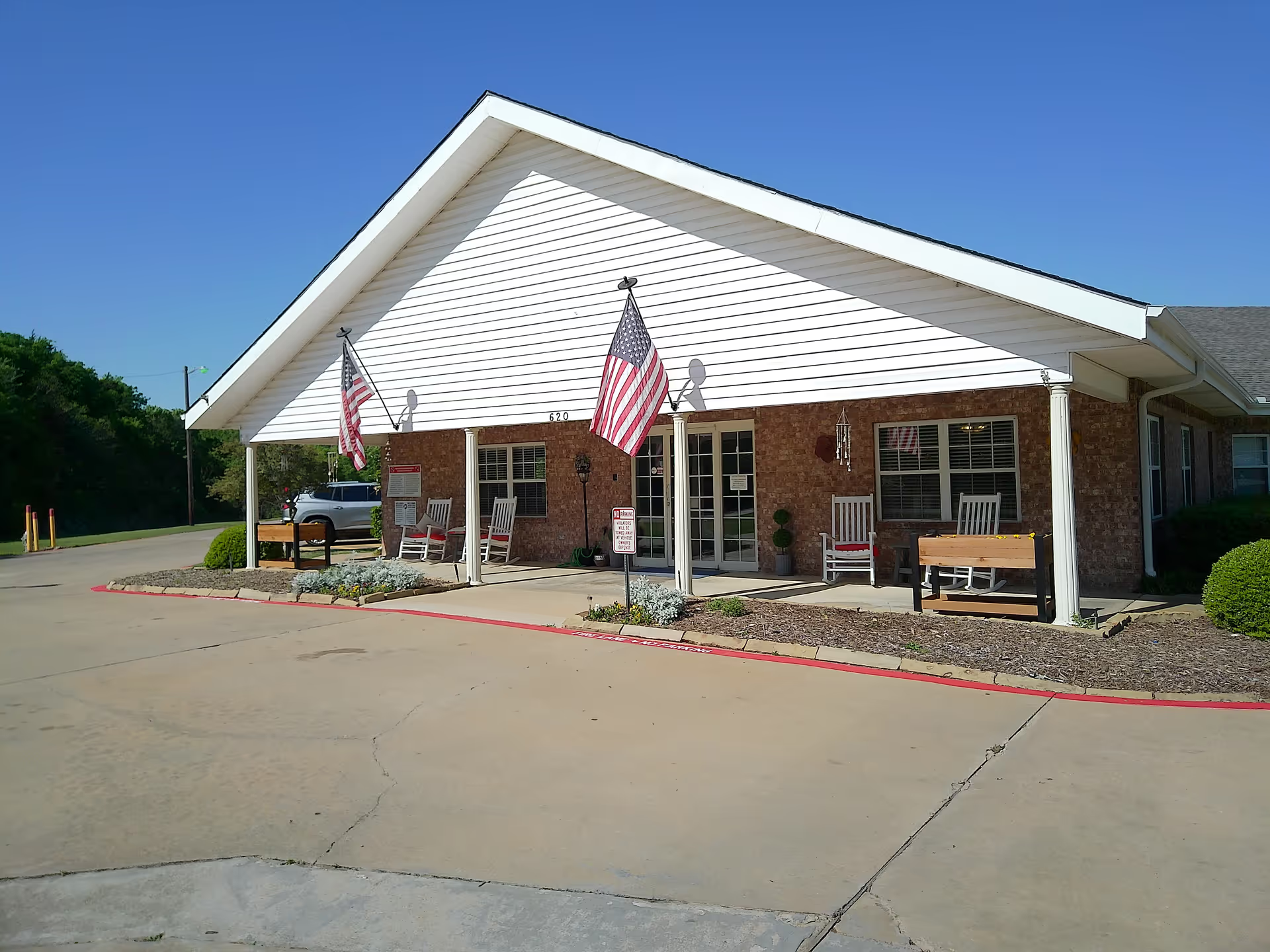
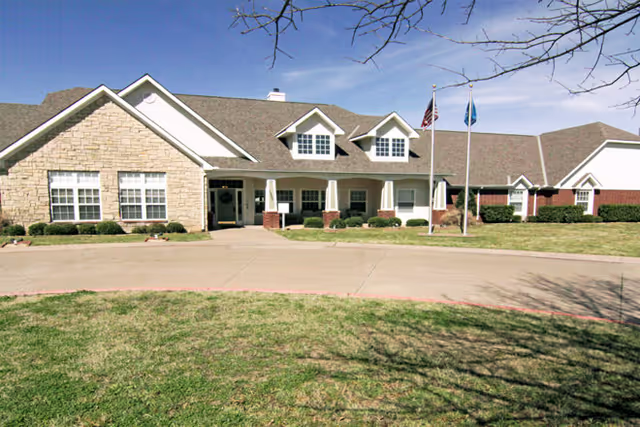
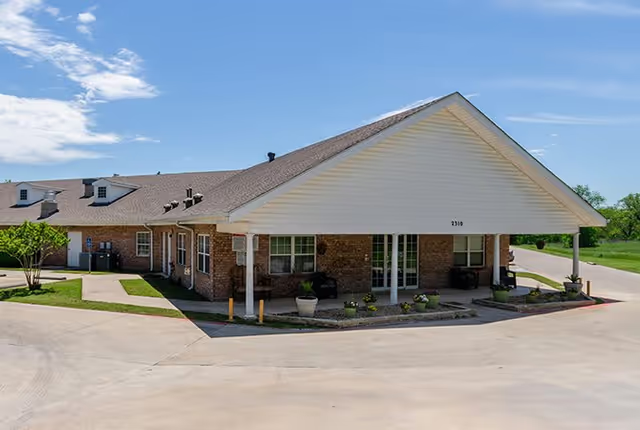
Stone Brook Assisted Living & Memory Care elicits a mix of strong positive impressions alongside a subset of operational concerns. Many families praised the facility's clean, well-maintained appearance, home-like atmosphere, and roomy private accommodations that include kitchenettes and accessible bathrooms. The dining program, hotel-style dining room, and regular meal service are frequently noted as strengths, and the facility offers a broad activities program—games, movies, crafts, bingo, outings and transportation for errands and medical visits—that contributes to resident engagement.
Staffing and clinical care generate both praise and concern. Numerous reviewers described caring, communicative nurses and leadership who provide proactive updates and strong family communication; some named RNs and directors who were perceived as particularly attentive. At the same time, other accounts describe inconsistent staffing levels, delayed responses to clinical incidents, and apparent gaps in monitoring that have contributed to severe family worry. These comments suggest variability in how consistently clinical procedures and incident-response protocols are followed across shifts.
Personal care and sanitation patterns are another mixed area. Positive notes include housekeeping, general cleanliness, and good maintenance of rooms and common areas. However, there are specific concerns about inconsistent bathing schedules, delays in incontinence-related care, and localized odor issues—particularly within the memory-care unit. Laundry and clothing-management problems (missing or unkempt clothing) were mentioned by some families, indicating gaps in daily personal-care coordination for certain residents.
Activities and social programming are commonly described as robust, with many families appreciating the range of options and the sense of community. A few reviewers, however, felt activity frequency or variety could be improved in some parts of the facility. Facilities and grounds receive frequent praise for pleasant landscaping, roomy common spaces (TV room, library, game room), and effective maintenance, though some interior areas were described as dated and some visitors noted a strong disinfectant odor on tour.
Management and resident-family relations are generally seen as accessible and helpful; on-site ownership, proactive staff, and instances of above-and-beyond care were repeatedly commended. Conversely, some families experienced inconsistent customer-service tone, difficulties with certain staff members, and inflexible visitation practices. There are also isolated accounts of unresponsive administrative follow-up, which contributes to a perception of uneven management oversight.
Overall, Stone Brook presents as a facility with clear strengths in dining, activities, physical environment, and many engaged caregiving staff. At the same time, reviewers point to meaningful operational weaknesses—most notably in staffing consistency, clinical-incident response, and personal-care routines—that prospective families should evaluate. When considering Stone Brook, families may want to ask specific questions about current staffing ratios, fall-incident protocols, bathing and incontinence-care schedules, laundry procedures, memory-care environmental controls, and visitor/visitation policies, and to tour the memory-care unit separately to assess condition and staffing during different shifts.