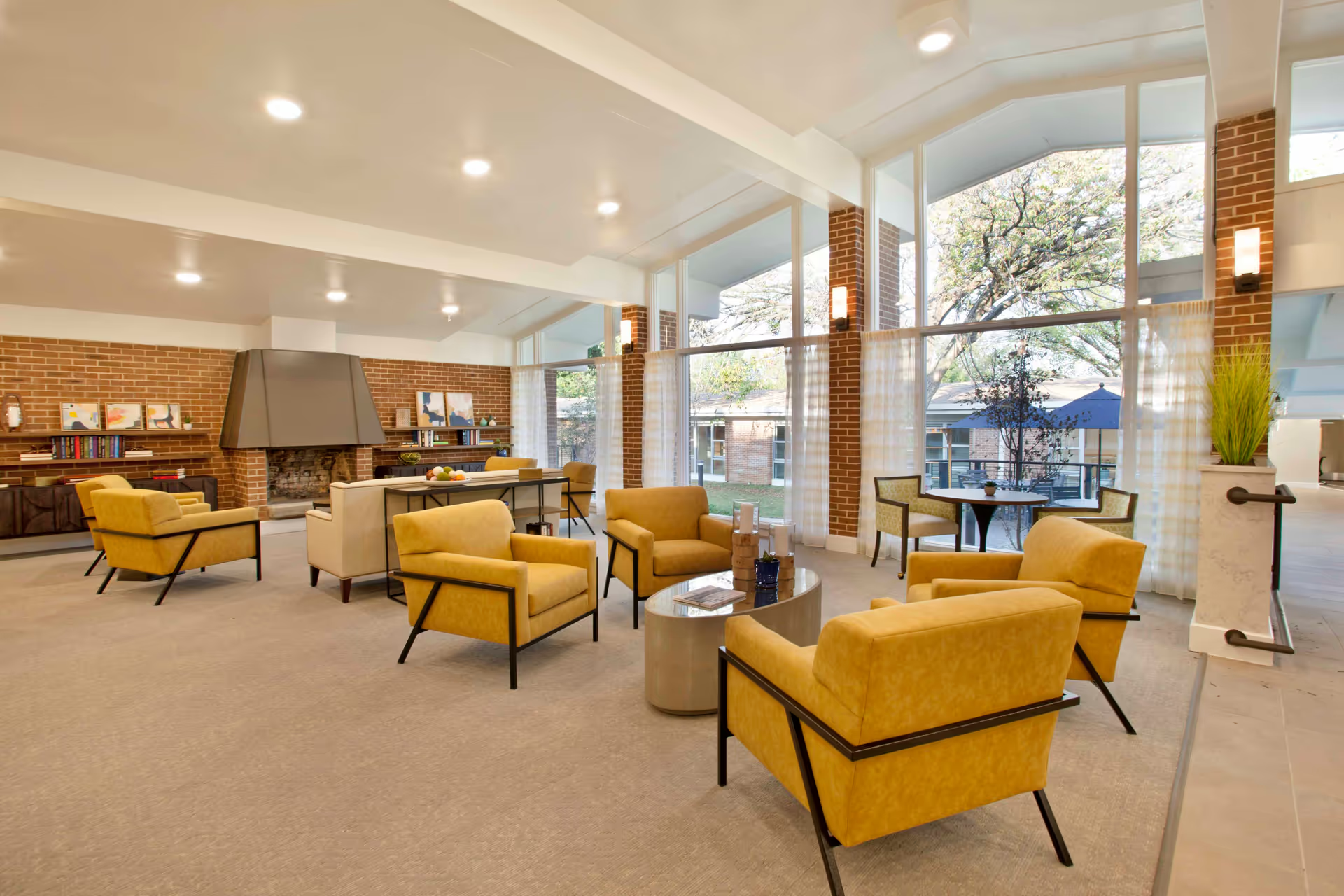
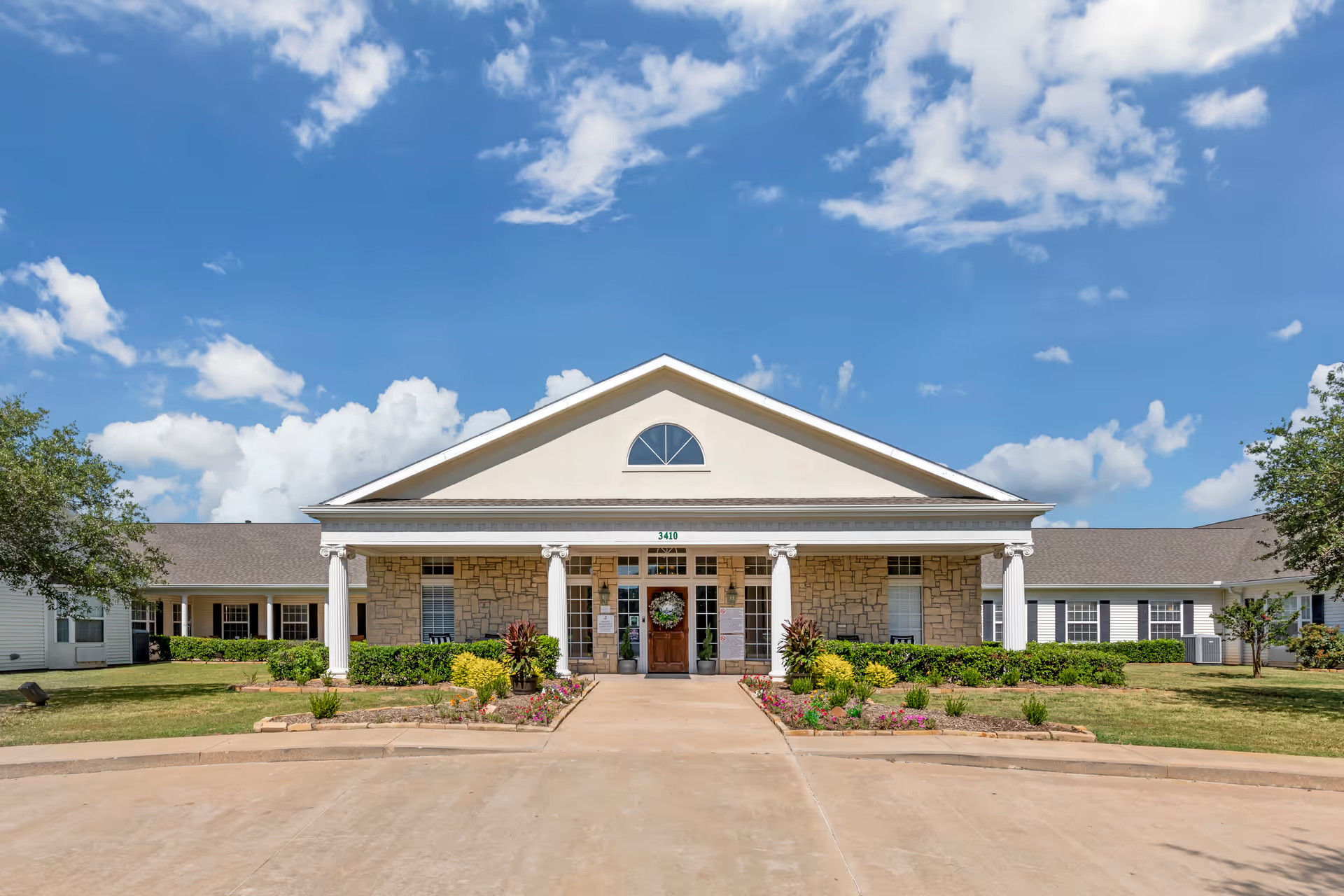
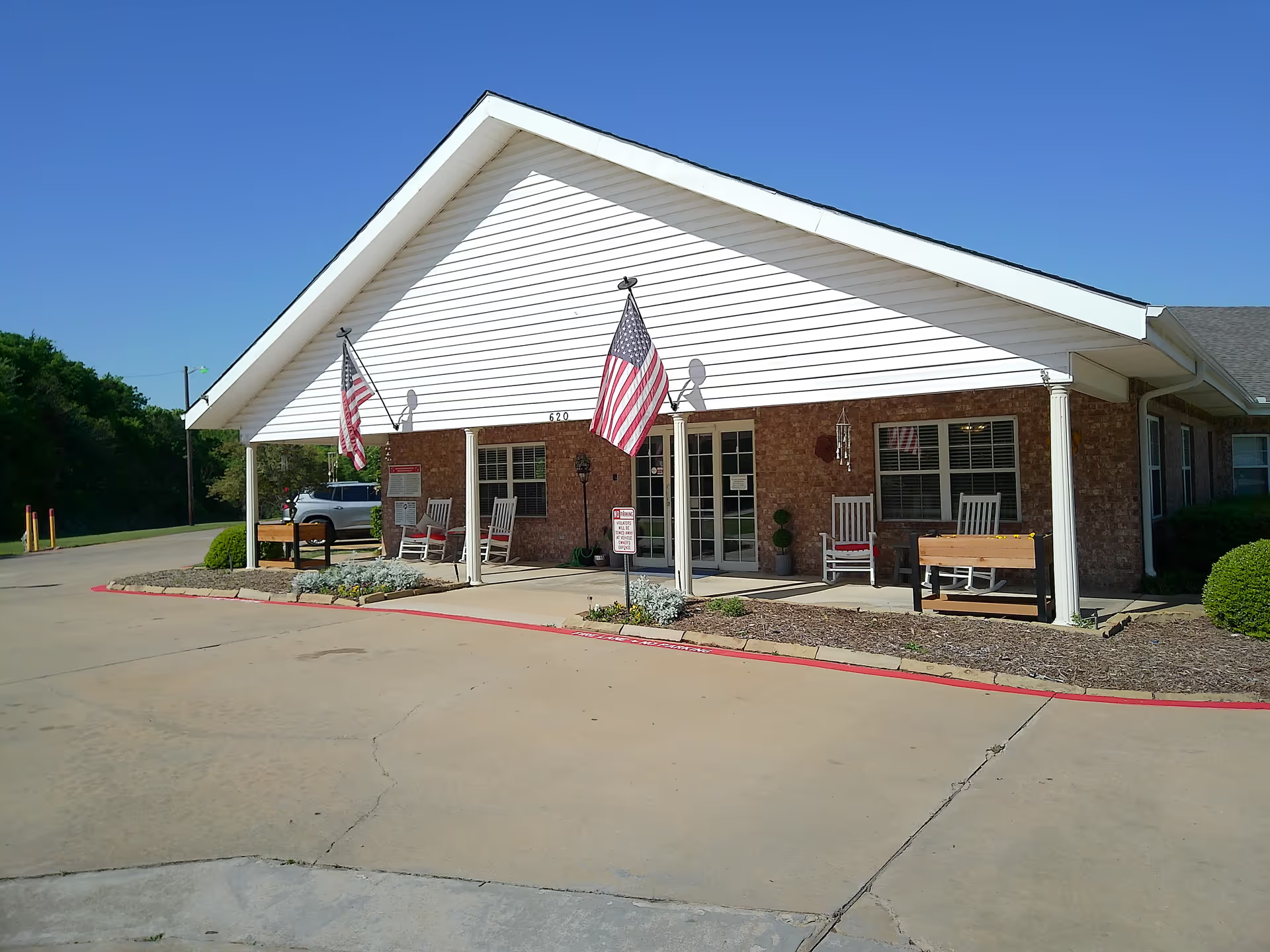
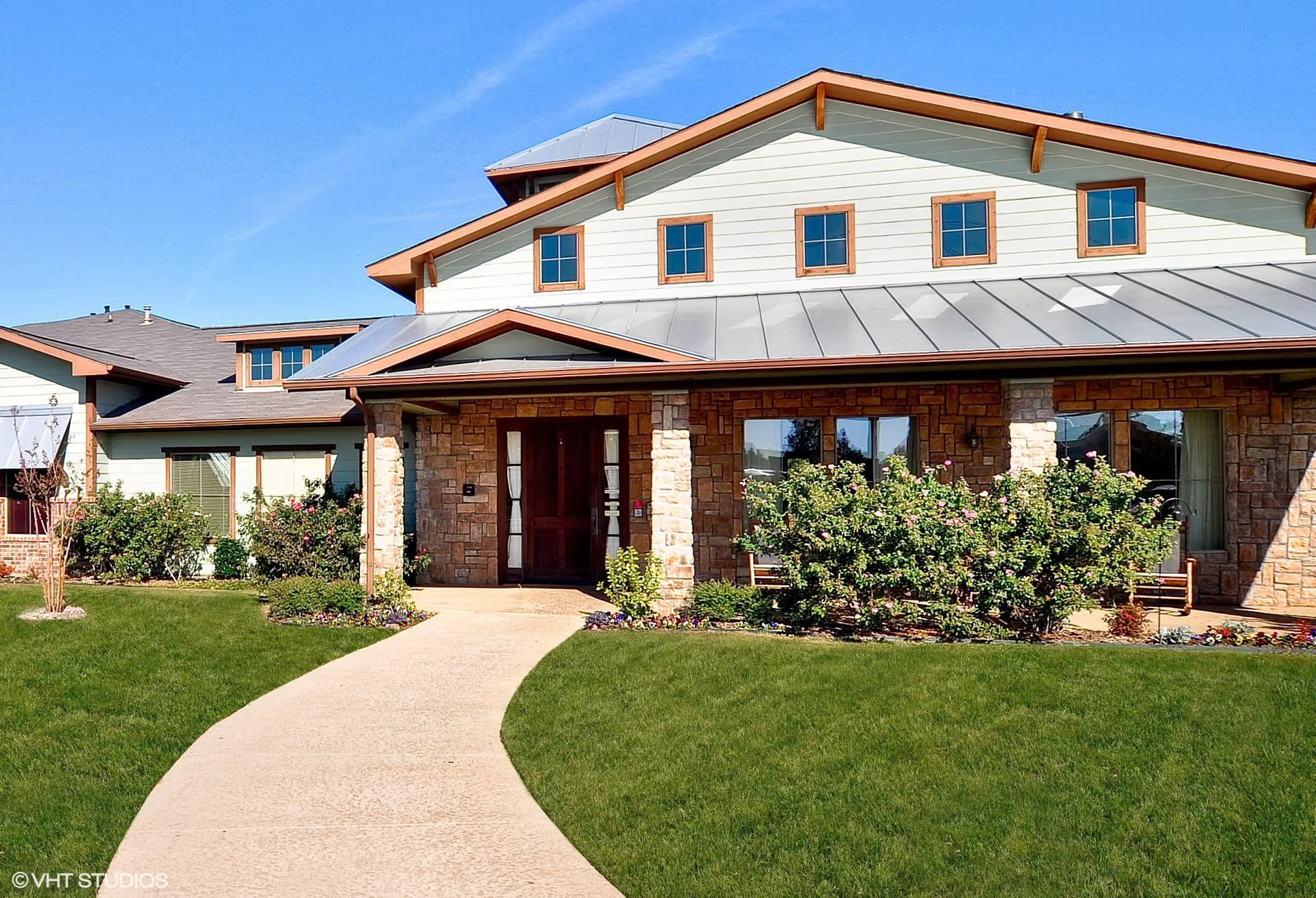
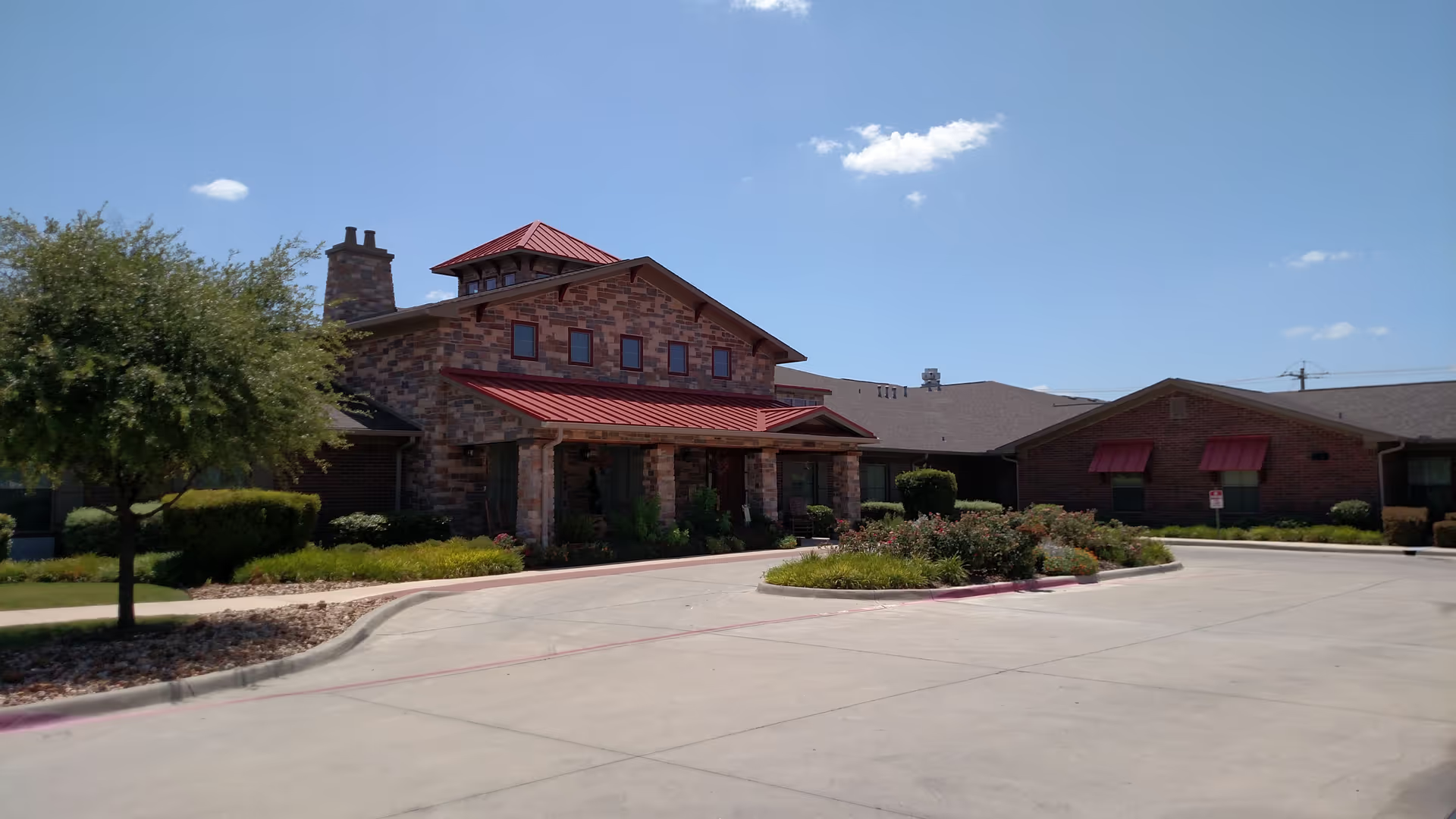
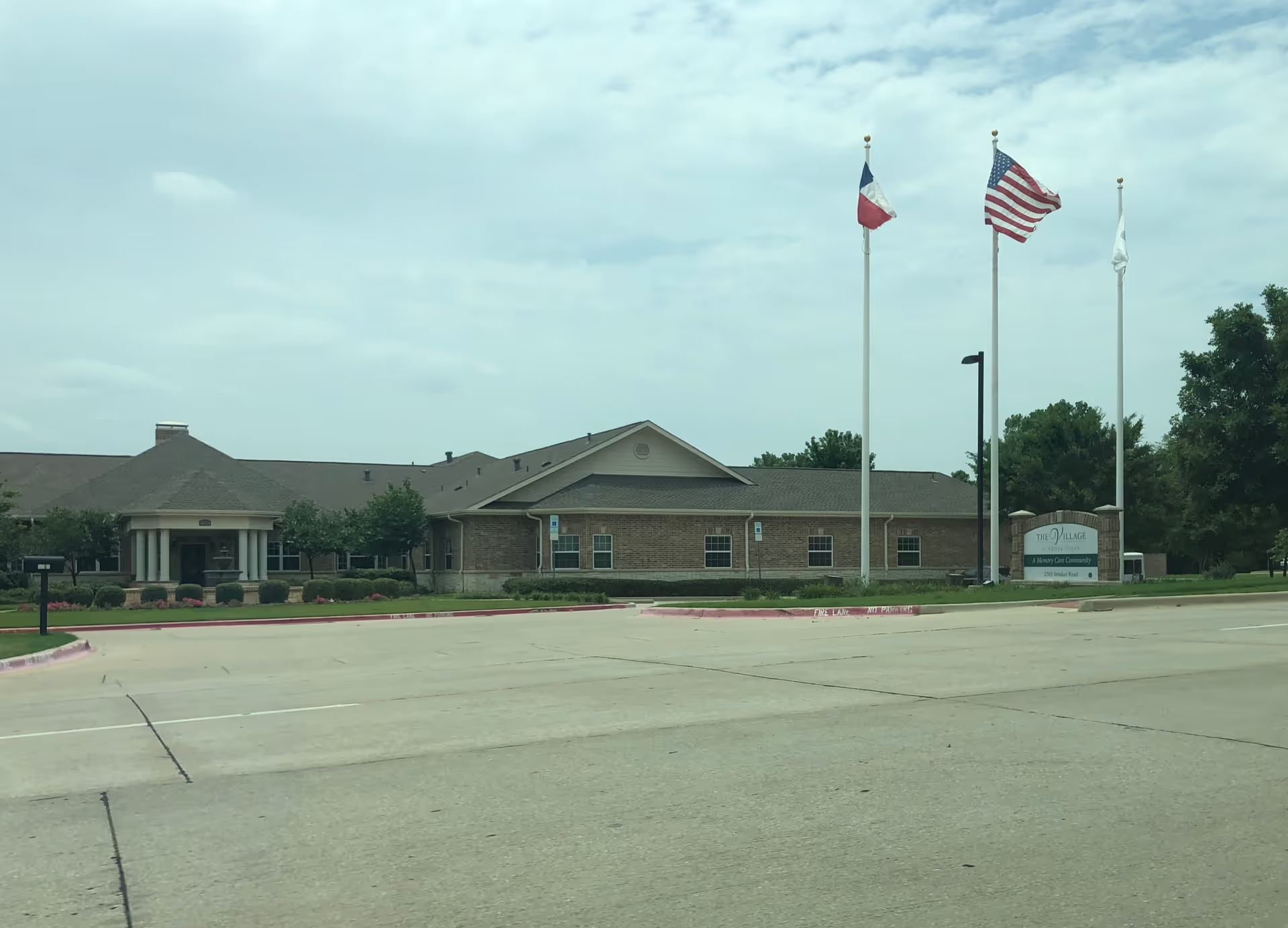
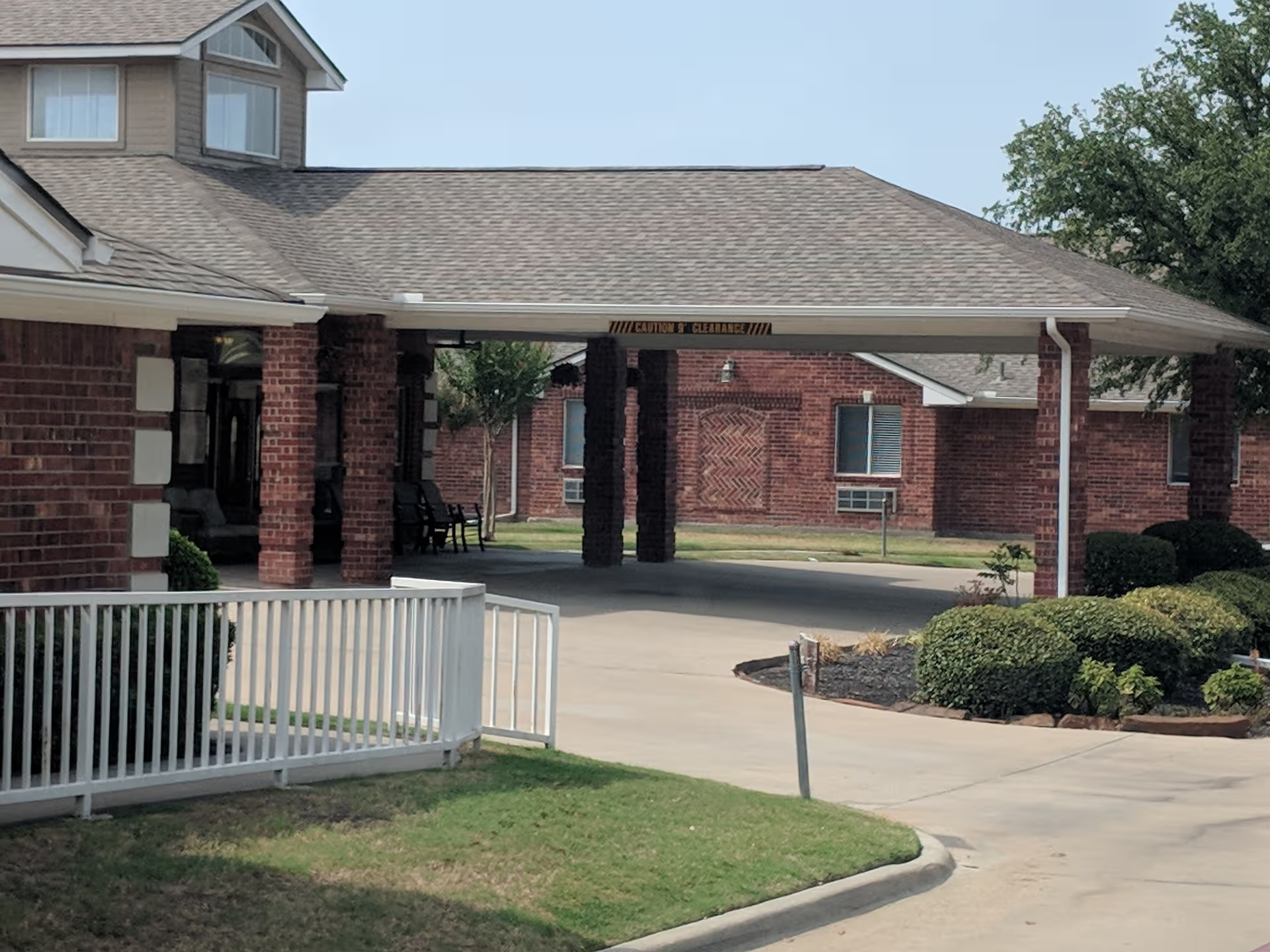
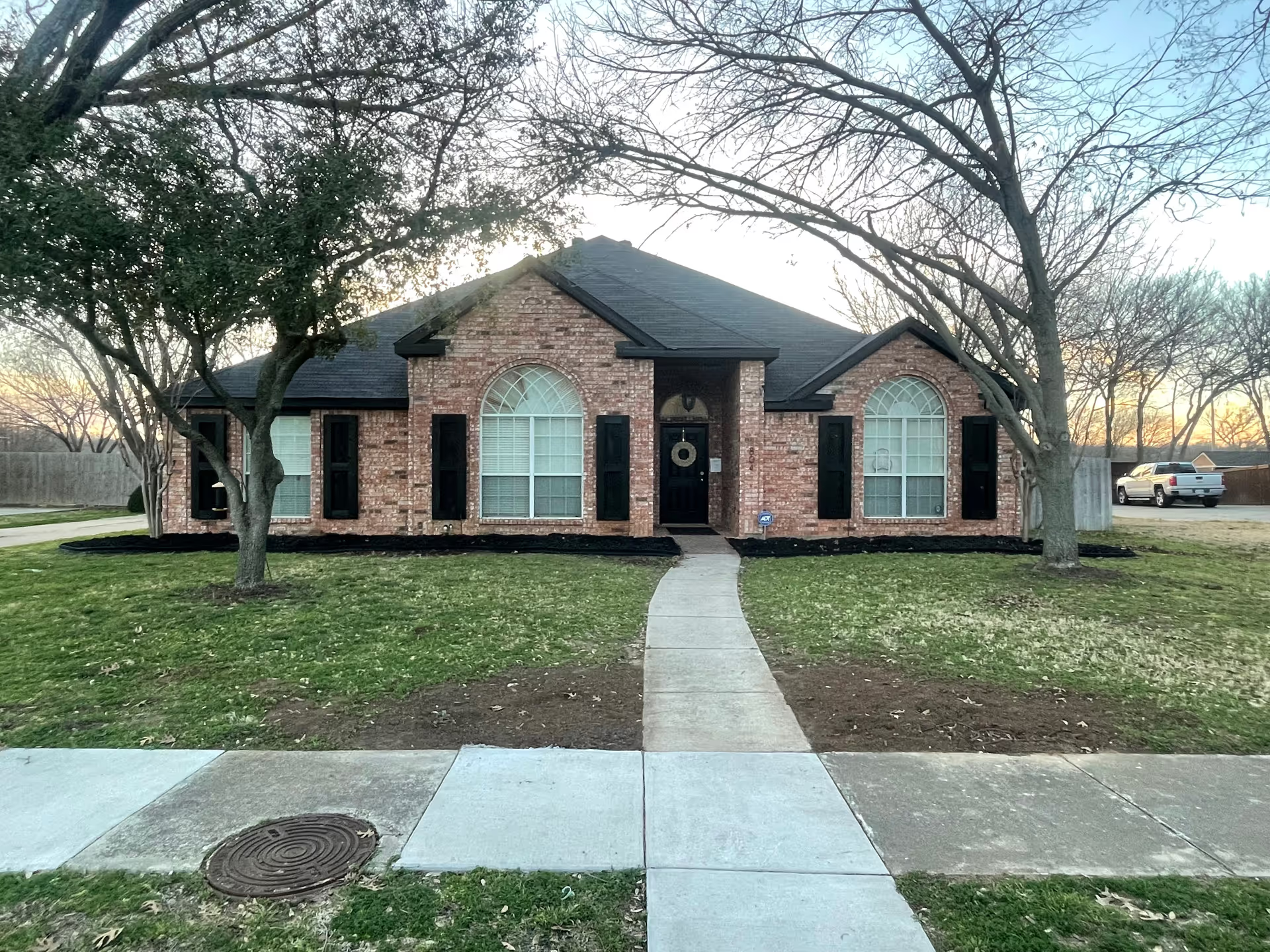
Wheeler Terrace presents a mixed but largely positive profile for prospective residents and families. Strengths repeatedly noted include a compassionate, family-style caregiving culture, long-tenured direct-care staff, and responsive nursing leadership that many families find reassuring. Several comments emphasize 24/7 attentiveness, effective dementia support, and multi-level care options that allow residents to remain in the community as needs change. Move-in experiences, room size and layout, and cleanliness of the facility are frequently described favorably, and volunteers and visitors are welcomed, contributing to an active social environment.
The activity program is a clear asset: reviewers describe a variety of offerings such as bingo, puzzles, card games, exercise classes, gardening, and hobby support. Staff involvement in activities, along with opportunities for social integration and family-style meals, is often credited with improving residents’ outlook and reducing isolation. Families also highlight individualized attention — staff who anticipate needs, assist with orientation, and accommodate personal preferences — which contributes to perceived peace of mind and value.
Dining is an area of mixed feedback. Many families praise nourishing, well-presented meals and staff efforts to accommodate preferences, yet there are recurring notes of inconsistent food quality, limited menu options at times, and periodic declines tied to cook turnover. Operationally, the kitchen’s variability appears to be a principal driver of dissatisfaction rather than an absence of effort; where cooks remain engaged with residents, meal satisfaction is higher.
Operational weaknesses center on communication, staffing consistency, and management processes. Multiple accounts describe lapses in family communication — unreturned calls, difficulty escalating concerns, and at least one instance where access and information flow were restricted. These issues suggest uneven complaint-handling and escalation procedures. Staffing continuity on particular floors and past staffing fluctuations have been called out as well; several positive reports also note recent improvements in floor staffing and leadership engagement, indicating variability over time rather than a constant state.
There are serious reputational concerns to be aware of: some families have raised allegations of unprofessional conduct, including accusations that family members were treated dismissively or had contact restricted, and at least one allegation of discriminatory treatment. These reports, while not the predominant theme, are significant because they relate to trust, transparency, and equitable treatment. Prospective families should seek direct clarification from facility leadership about complaint procedures, family-access policies, and any recent corrective actions.
In summary, Wheeler Terrace offers many features families value: a warm, home-like atmosphere, engaged staff, robust activities, and competent clinical leadership. However, the facility exhibits intermittent operational issues — most notably dining inconsistency, variable communication and complaint escalation, and periodic staffing instability — and there are isolated but serious allegations that merit direct inquiry. Prospective residents and their families would benefit from a focused tour that includes meeting nursing leadership, reviewing recent staffing patterns, asking for sample menus and dietary accommodation policies, and clarifying the facility’s procedures for family communication and handling concerns.