Songbird Lodge elicits strongly polarized impressions. Many families and residents describe a warm, community-oriented environment where staff frequently behave in a compassionate, family-like manner. Nursing aides, select nurses, and admissions/care-coordination staff are repeatedly praised for attentiveness and clear point-of-contact communication. The facility’s therapy program is a consistent strength: reviewers credit the physical and occupational therapy teams with measurable rehabilitation successes, including restored mobility and safe discharges home. Memory-care services and end-of-life support are also viewed positively by multiple families.
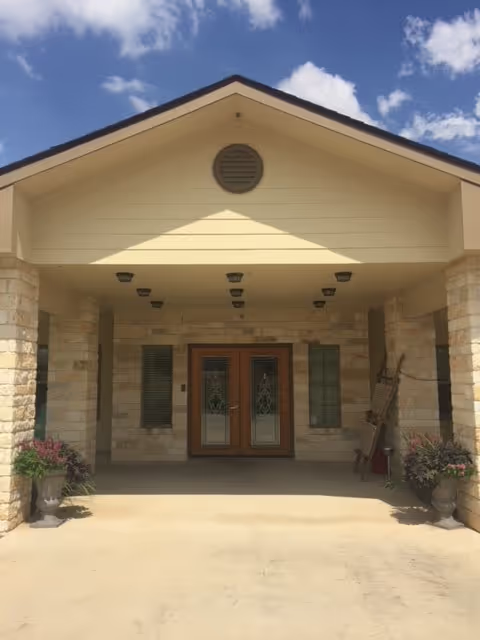
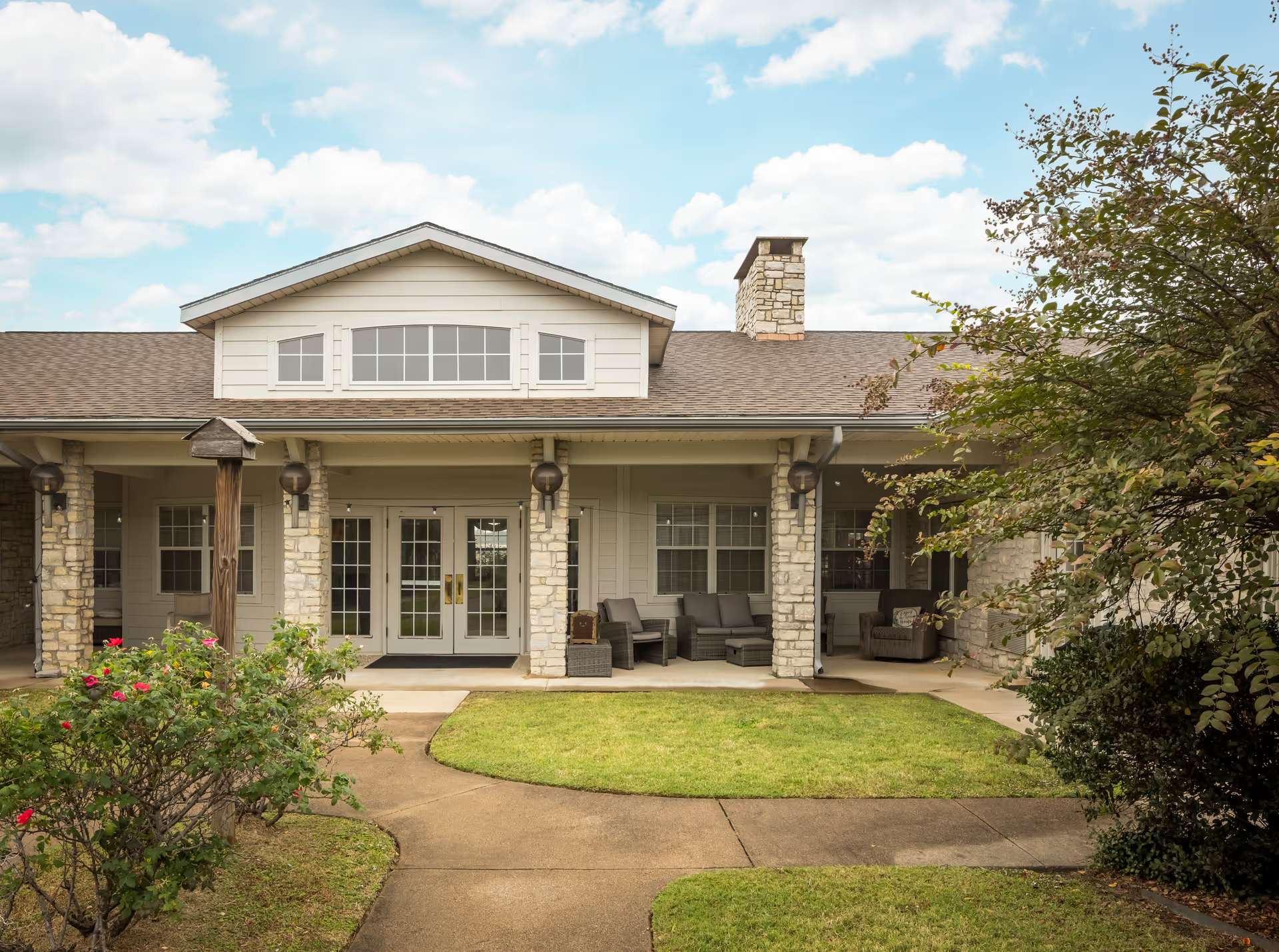
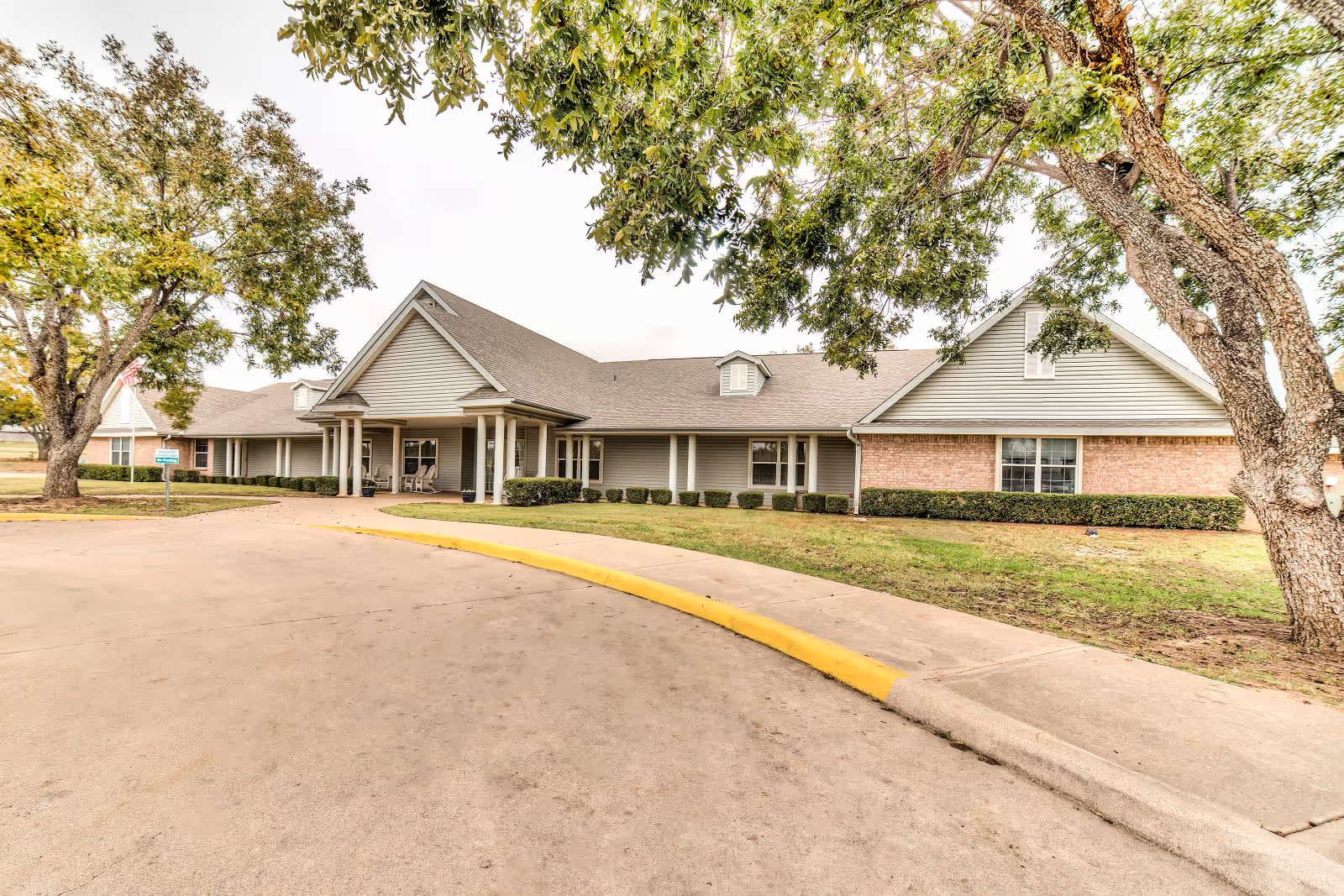
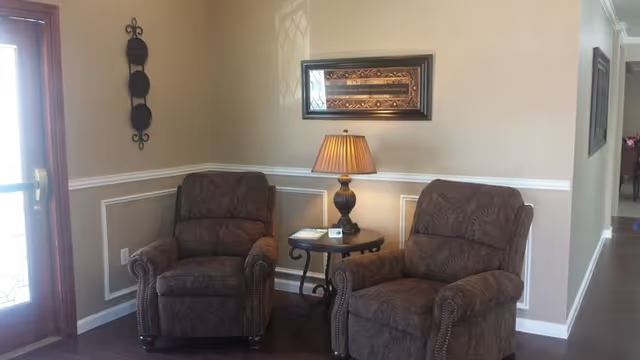
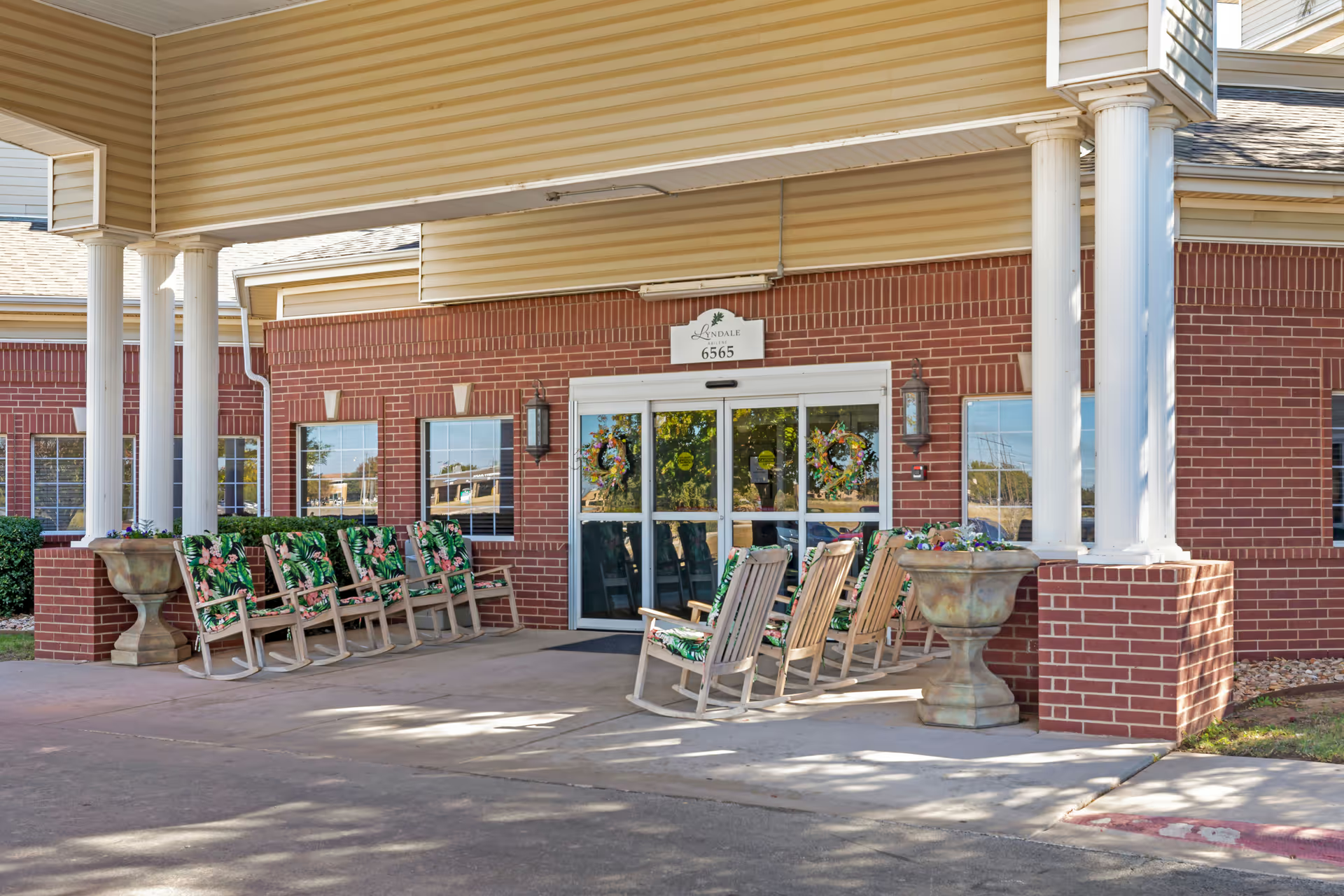
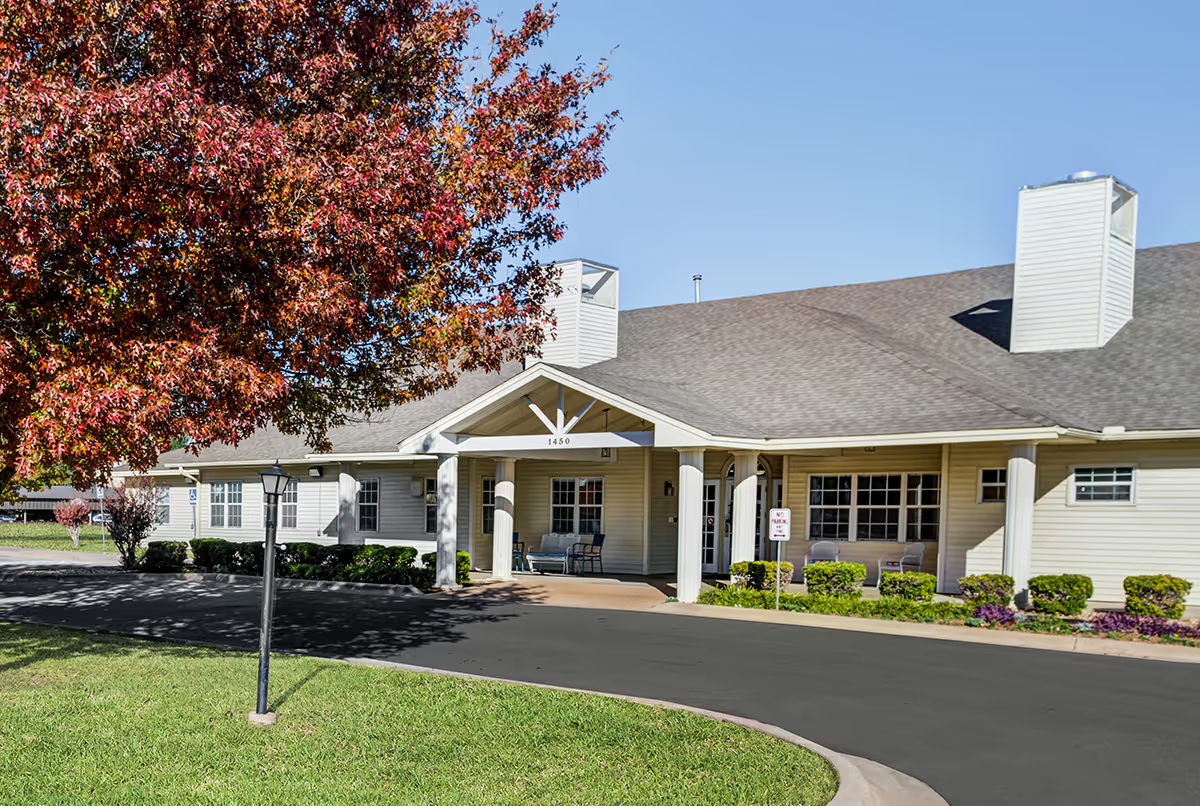
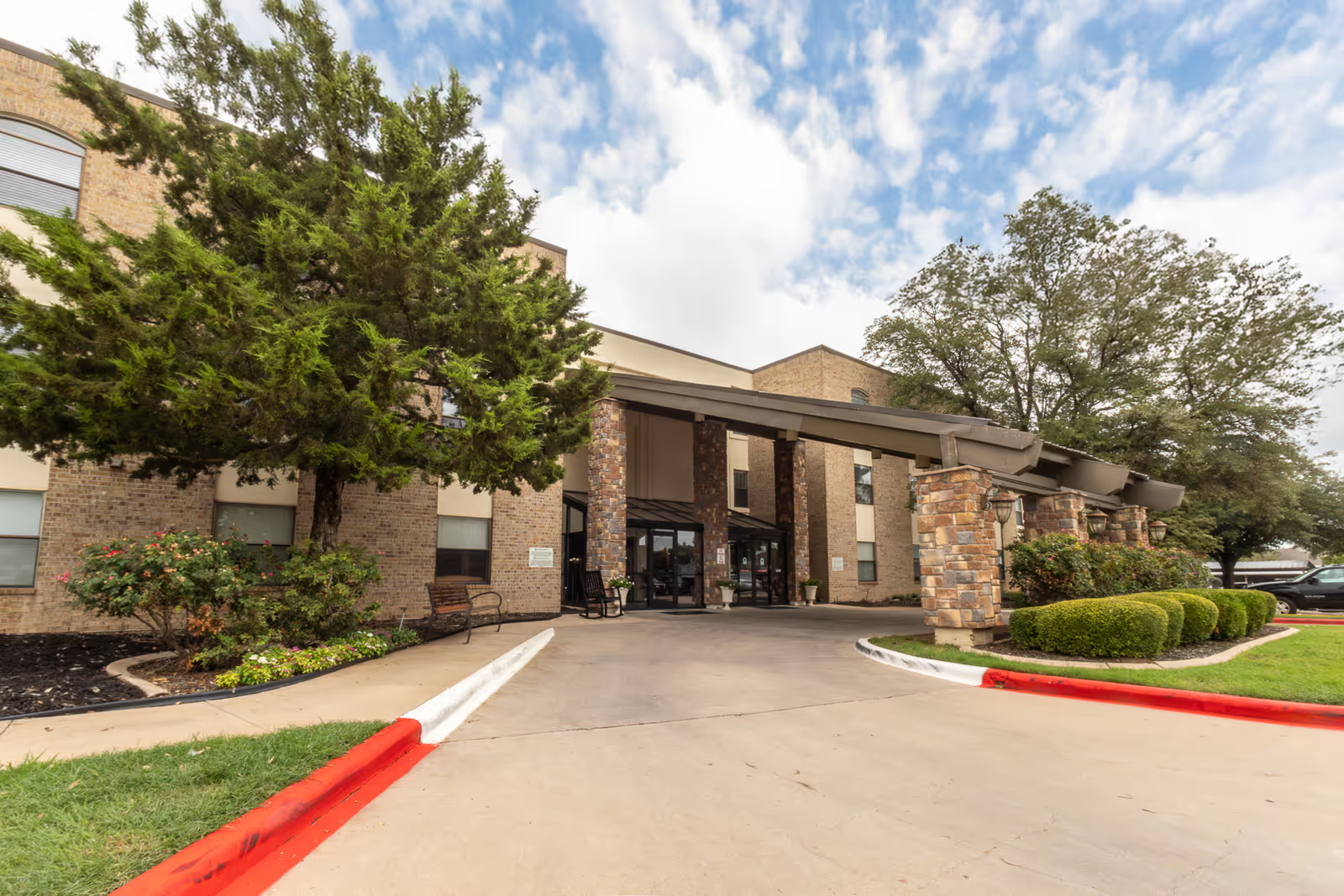
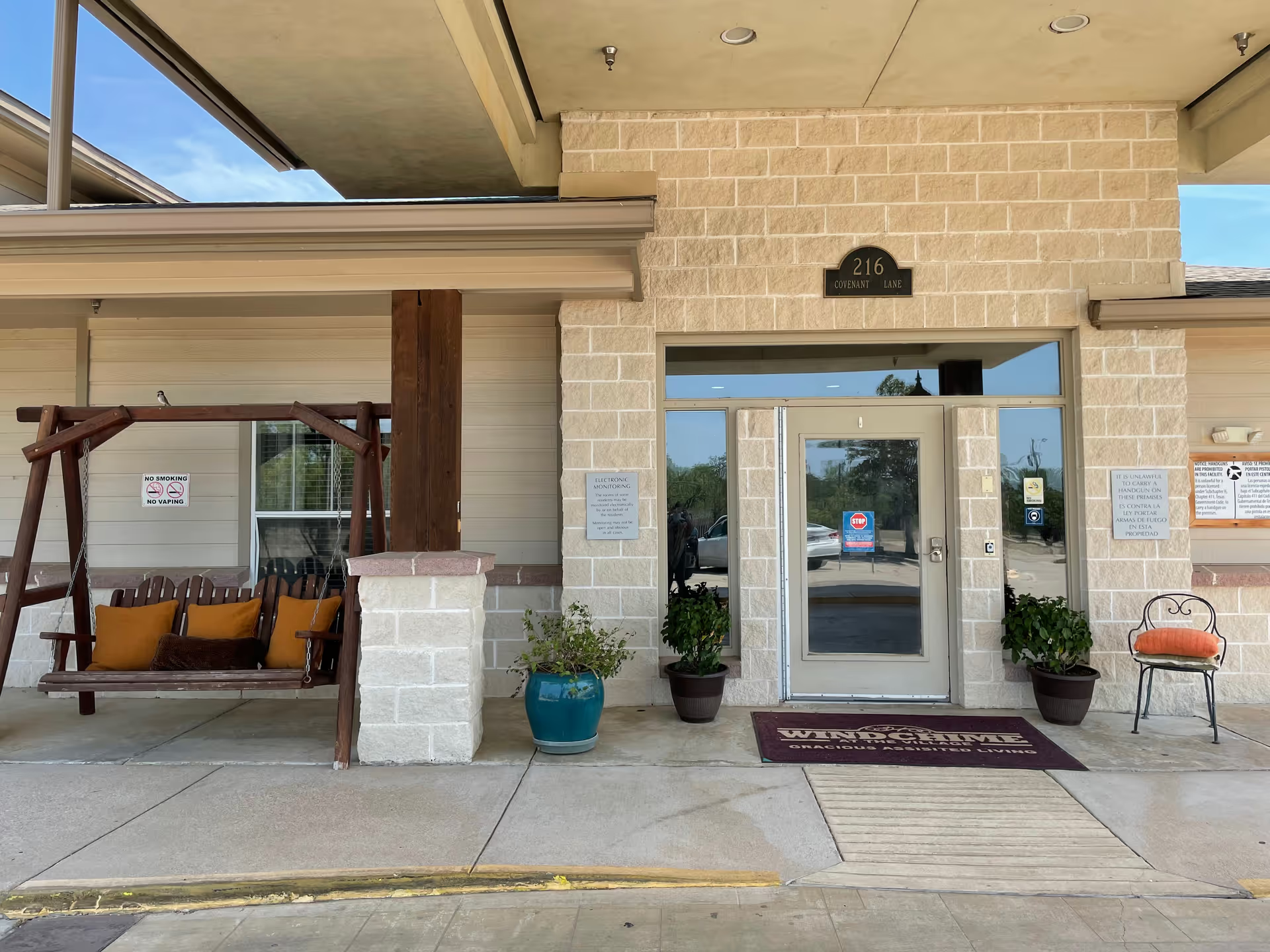
Dining is another commonly noted positive. Meals are described as well presented and generally enjoyable, and some reviewers reported clear improvements in the meal program over time. Several comments emphasize clean, regularly checked rooms and an overall pleasant, secure building with a home-like feel. Proximity to a regional hospital is viewed as a logistical advantage for families concerned about acute transfers.
Alongside the positive patterns are operational weaknesses that recur across reviews. The most frequent concerns relate to responsiveness and basic-care timeliness: delayed responses to call bells, slow assistance with personal-care needs, and what families interpret as coverage gaps during staff breaks or shift transitions. Relatedly, reviewers describe variability in staffing and care continuity that can lead to inconsistent resident experiences.
Cleanliness and sanitation are mixed themes. While many families found rooms and the facility well maintained, others described sanitation issues and pest-control concerns; this inconsistency suggests uneven housekeeping or environmental services performance across units or over time. Infection-control communication also emerged as a concern for some families, both in terms of unexplained illness events and limited clarity from staff when infections occur.
Communication and management responsiveness show a similar split. Some families highlighted proactive, reachable staff and named individuals who served as reliable contacts; others reported long phone hold times, missed callbacks, and insufficient updates during care transitions or hospice involvement. A pattern of inconsistent communication during critical moments — transfers, infection events, and end-of-life transitions — is one of the more serious operational gaps noted.
For prospective residents and families, the key takeaways are these: Songbird Lodge appears capable of delivering strong rehabilitative outcomes, compassionate bedside care, and an inviting community atmosphere, particularly when the facility is operating with stable staffing and engaged points of contact. However, there are identifiable patterns of inconsistency — in responsiveness, housekeeping/sanitation, infection-control communication, and telephone accessibility — that merit targeted questions during a tour and follow-up with management. Suggested topics for families to explore include current staffing ratios and turnover, documented infection-control policies and recent incidents, call-button response metrics, housekeeping schedules, and who will be the primary point of contact during a stay or transition.