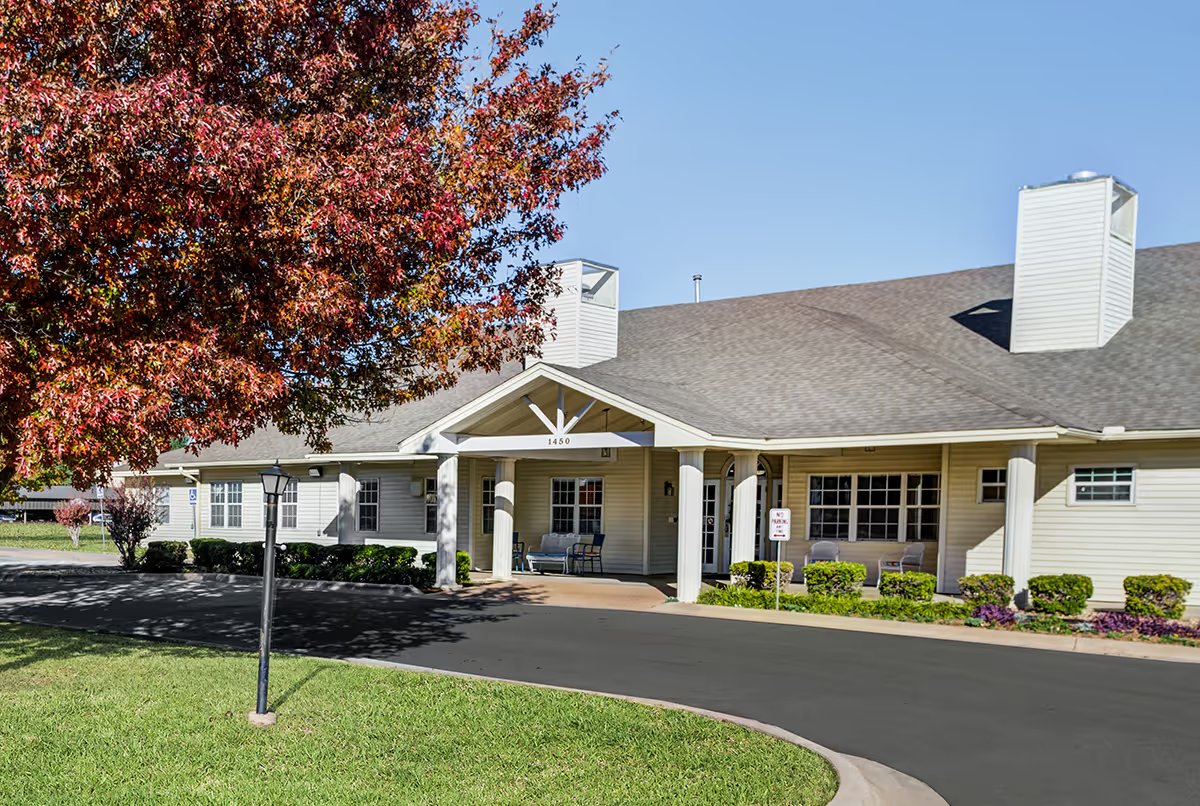
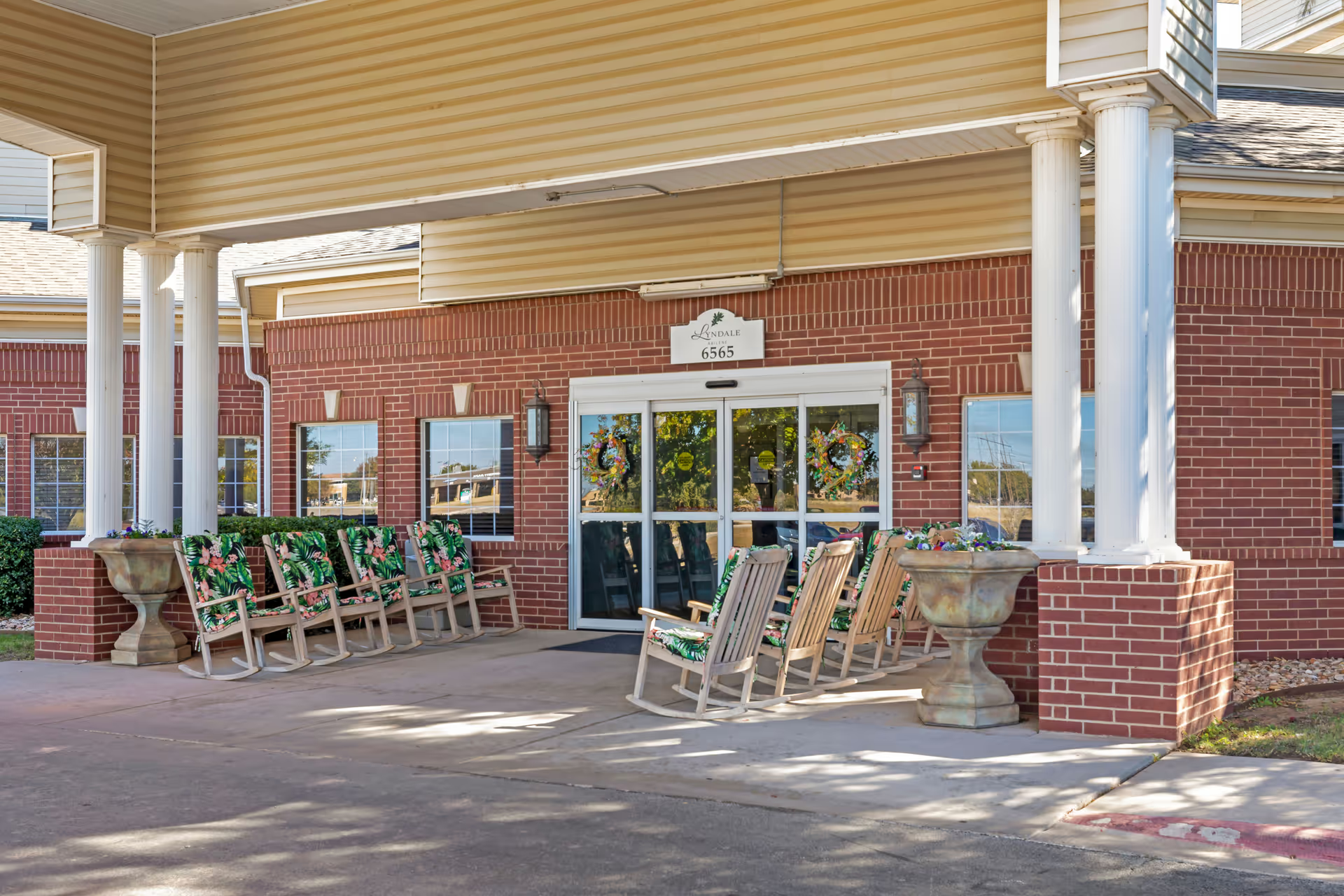
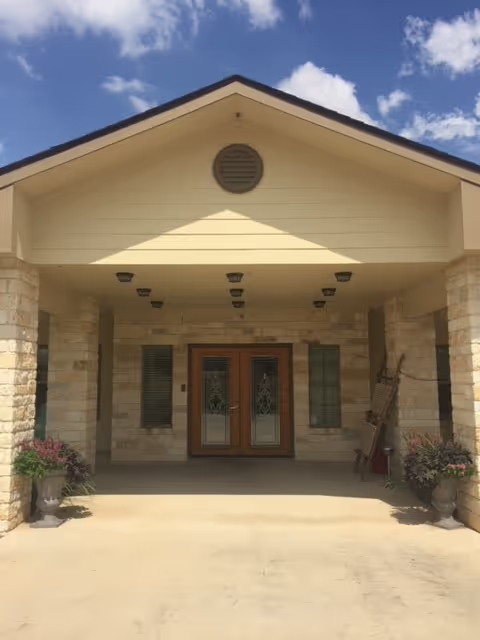
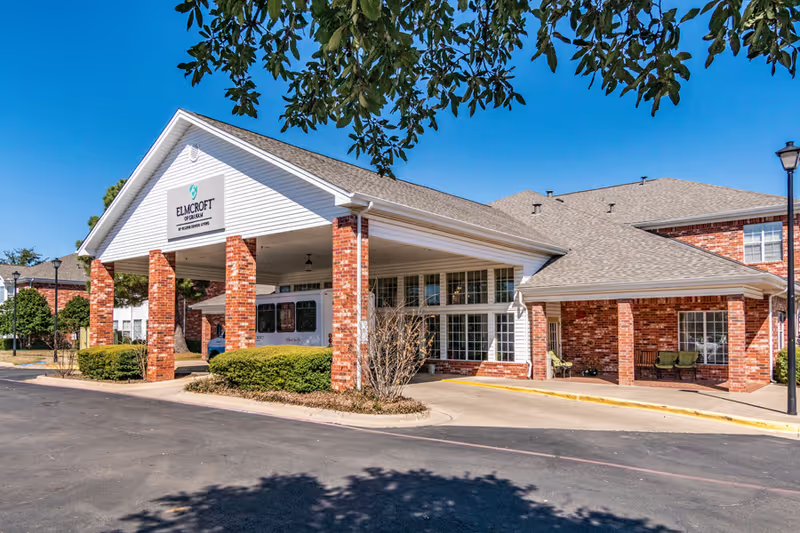
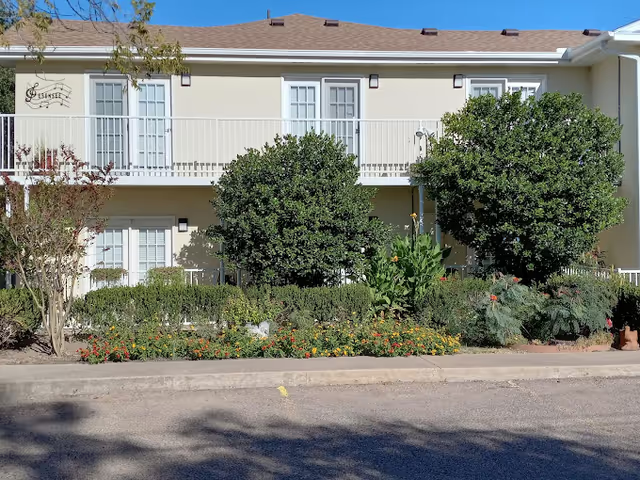
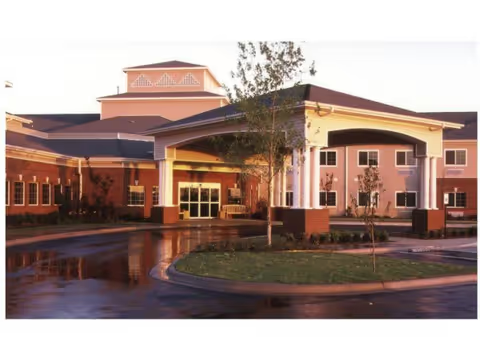
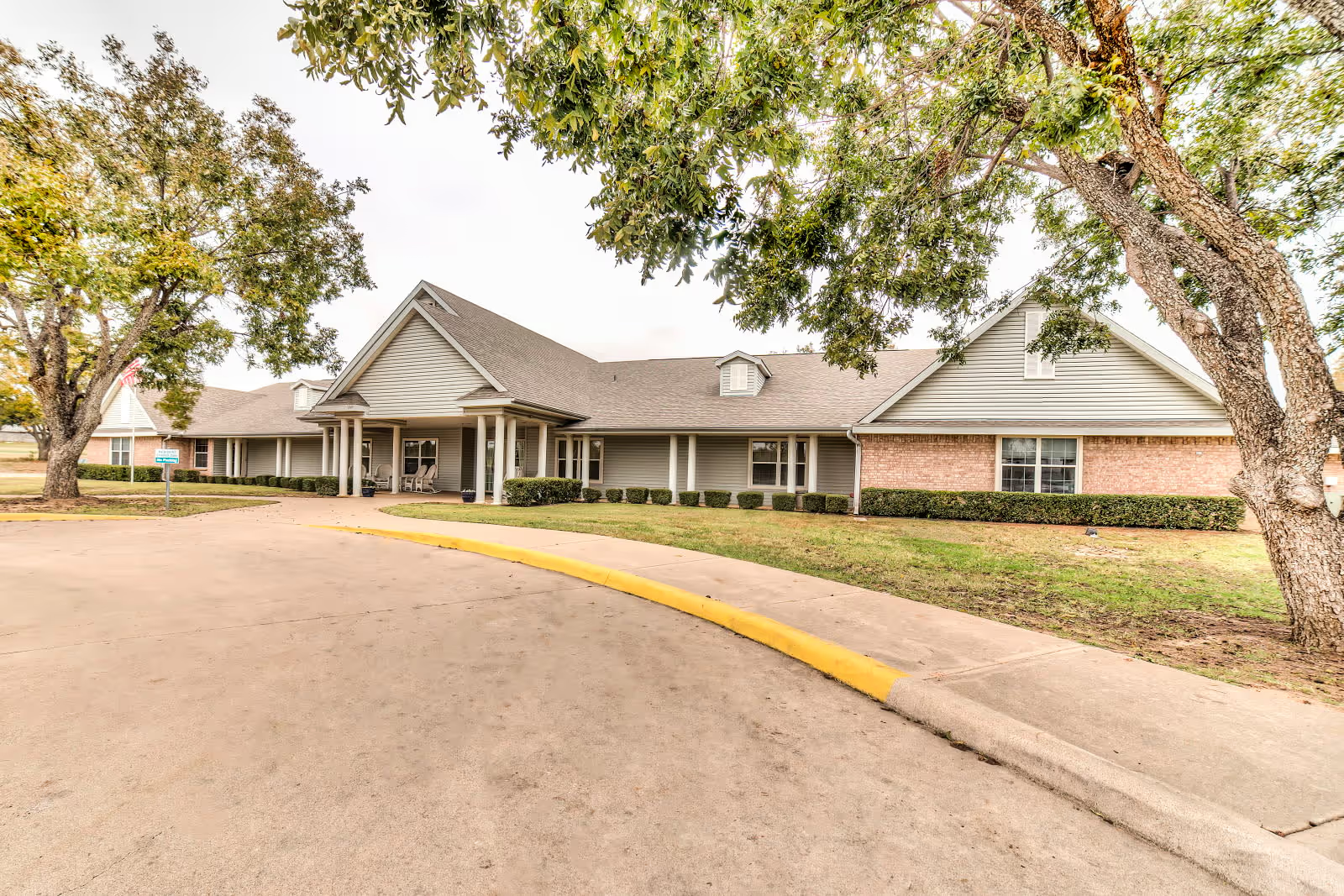
University Place Independent Living presents a generally positive residential option characterized by a welcoming staff, active social programming, and a range of on-site amenities. Many families and prospective residents described tours and move-ins as low-pressure and well-supported, with staff often singled out for friendliness, helpfulness, and an inclusive approach that aids adjustment. The community offers restaurant-style dining with three meals daily, a large dining room, and attentive servers; additionally, there is an array of activities (music programs, themed events, weekly gatherings, and regular games) that contribute to a strong sense of community and social engagement.
Clinical and safety features are notable strengths: the community reports on-site medical access, daily nurse coverage in many shifts, an emergency alert system, security patrols, and procedures for after-hours entry. Several reviewers described prompt staff response in medical situations and conveyed confidence in the facility’s attention to resident safety. Facilities are generally described as well-maintained, with renovated apartments, new appliances, hard-surface flooring in updated units, and common spaces such as a library, atrium, courtyard, exercise rooms, and chapel. Practical conveniences include shared laundry facilities, covered parking, elevator access, housekeeping services, and transportation to shopping and appointments.
Areas of operational concern recur across reviews and warrant consideration. Multiple accounts indicate pest-control concerns within residential units and inconsistent communication around remediation and associated costs; this included disputes about treatment responsibility and move-out charges. There are also patterns indicating uneven responsiveness in some situations — examples include reception/entrance assistance and transportation handoffs — which suggests gaps in staffing coverage or procedure consistency. Relatedly, several reviewers described staffing shortages or variability in availability, which can affect assistance at entry, transportation, and after-hours coverage.
Dining impressions are mostly favorable, but several families noted variability in meal quality and menu composition, including comments about high-sodium choices and reliance on processed items in some dishes. Financial transparency and move-out billing present another recurring theme: families described disagreements over cleaning and treatment charges and a change in notice policies that some found unexpected. More serious operational concerns include allegations of staff theft and dissatisfaction with the facility’s follow-up; these items were raised strongly by a subset of reviewers and may merit direct inquiry during a visit or via references.
In summary, University Place appears to offer a supportive independent-living environment with robust programming, attentive dining service, and useful on-site clinical and safety features. The strongest selling points are community life, staff warmth, and the breadth of amenities. Prospective residents and families should weigh those strengths against documented operational issues: pest-control handling and remediation communication, occasional staffing and responsiveness gaps, food consistency, and billing/move-out transparency. These patterns are not universal across all accounts but are sufficiently frequent that visitors should ask targeted questions during tours, request written policies on pest treatment and move-out charges, and seek references from current residents and families to get a fuller sense of day-to-day operations.