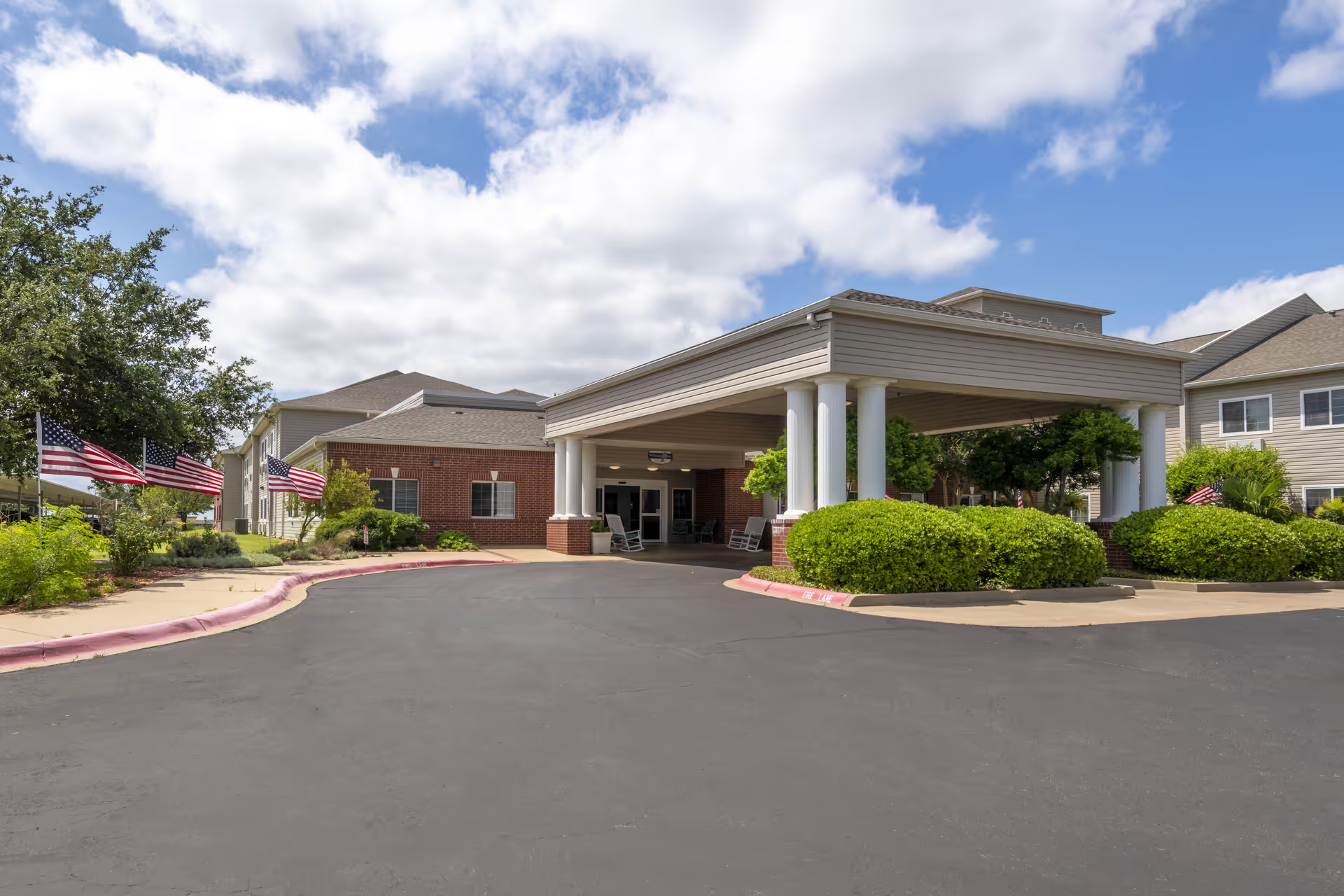
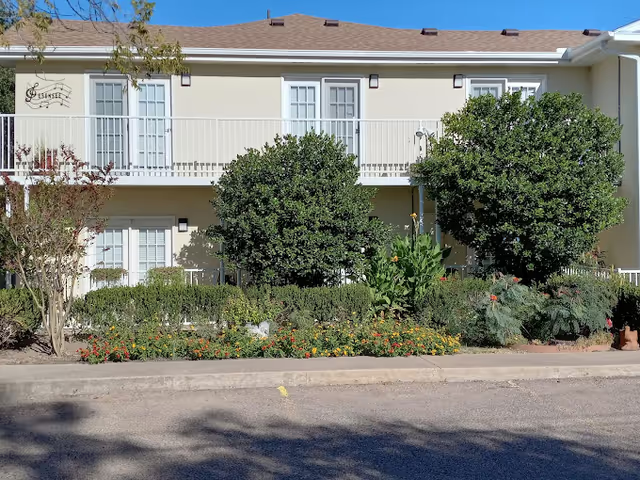
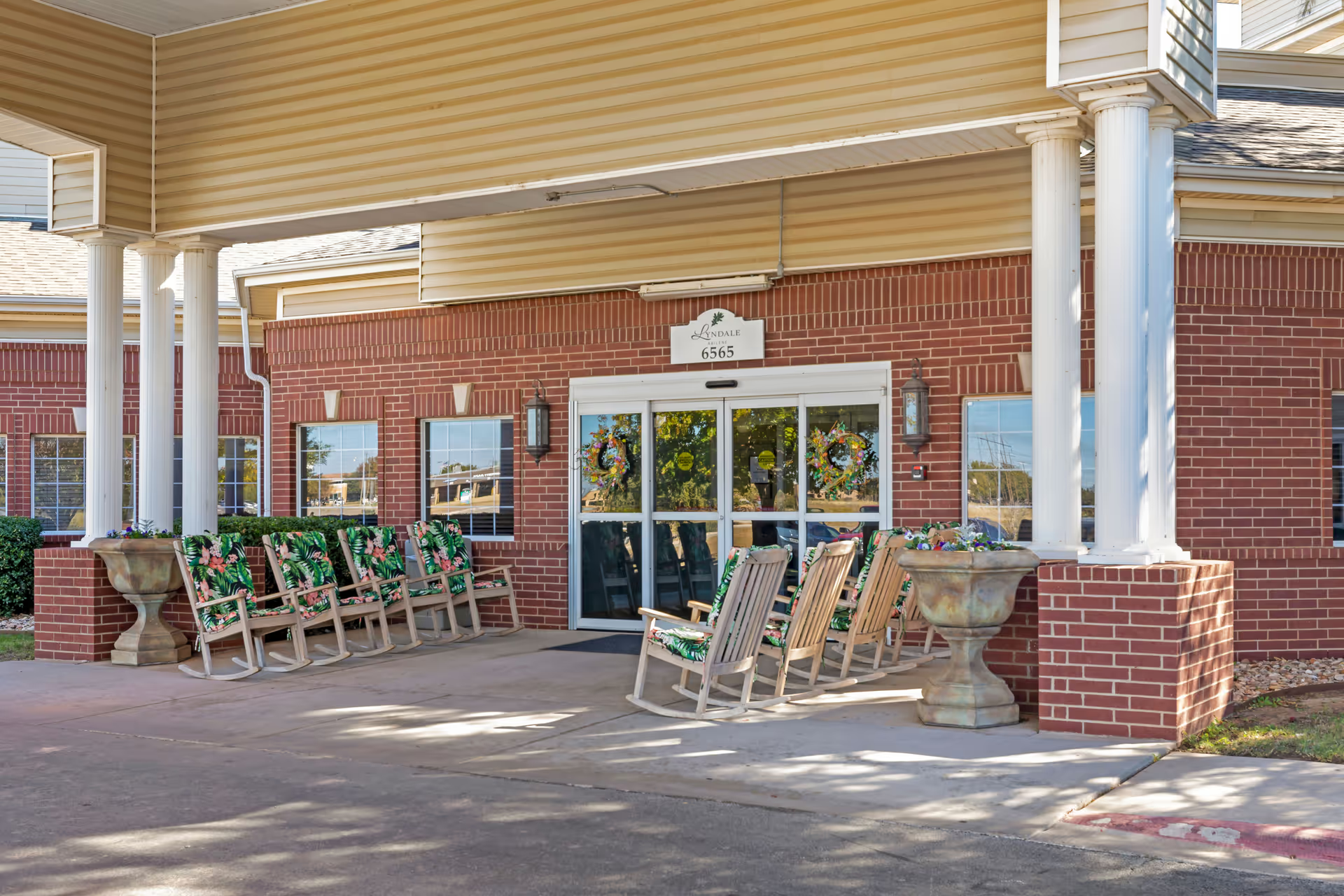
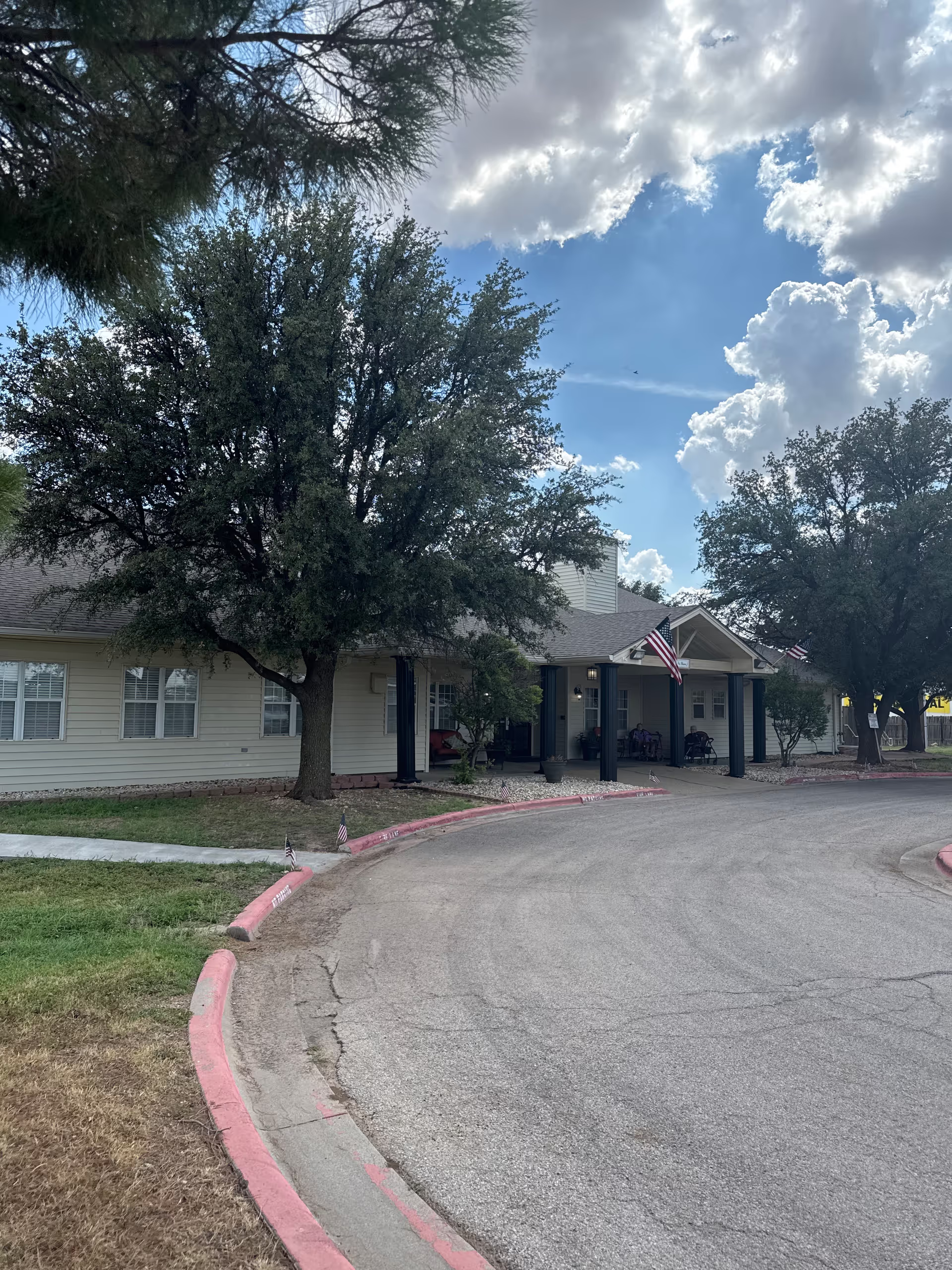
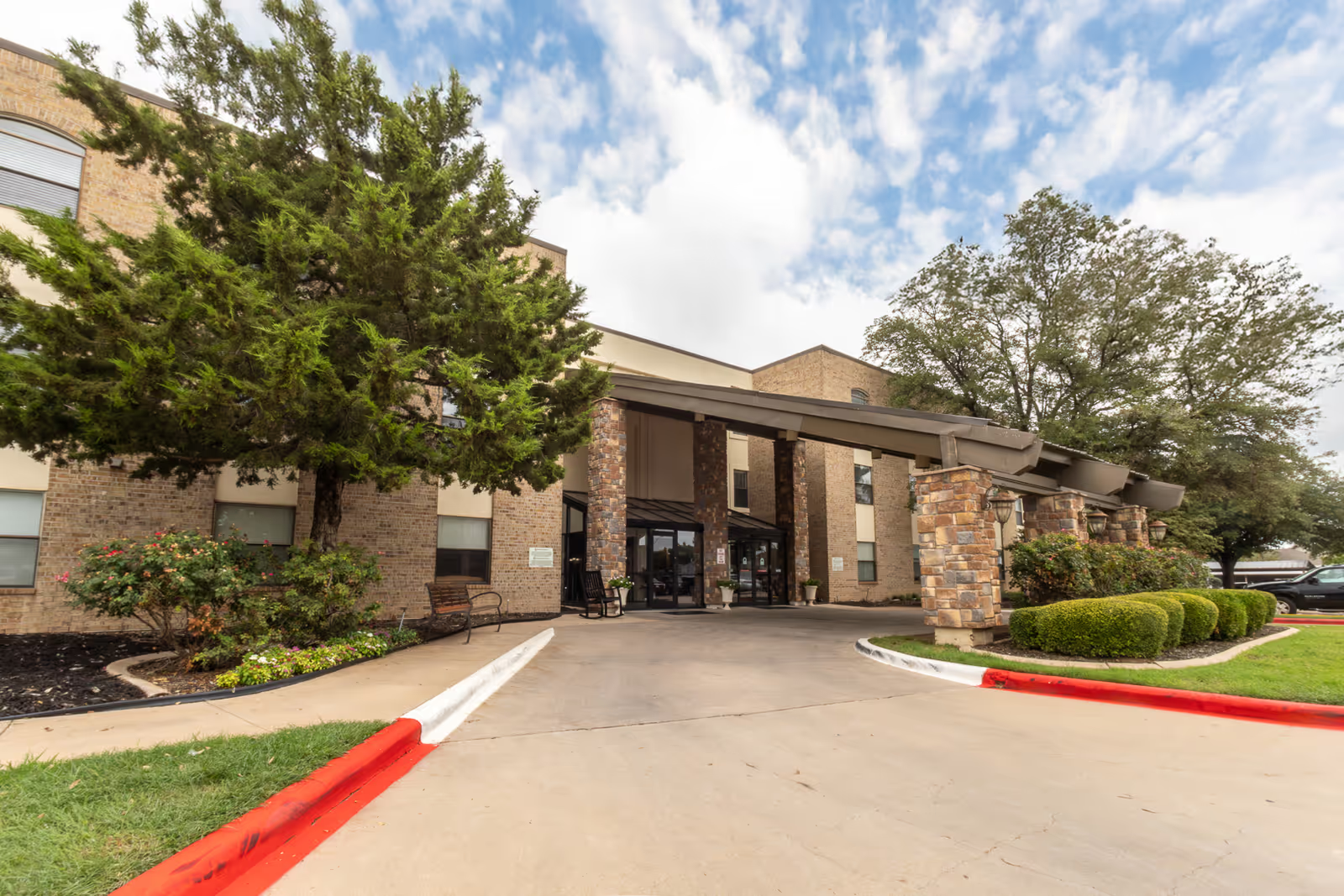
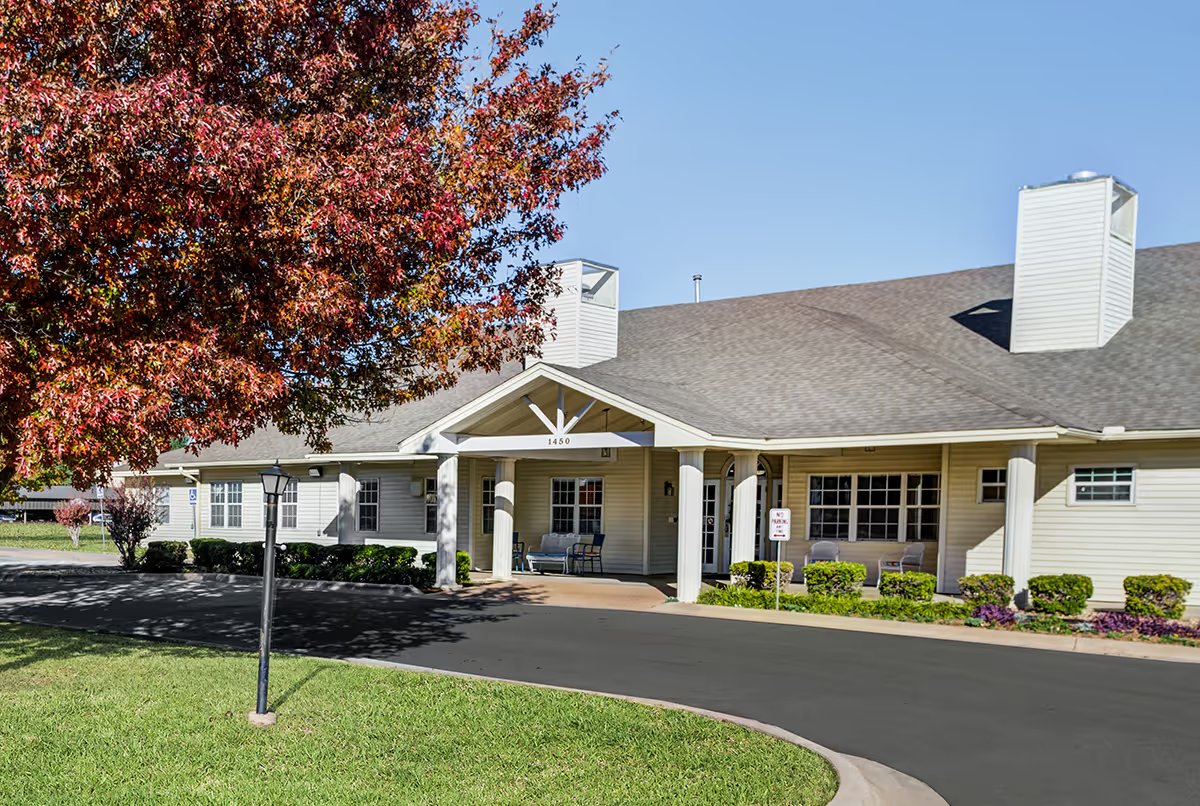
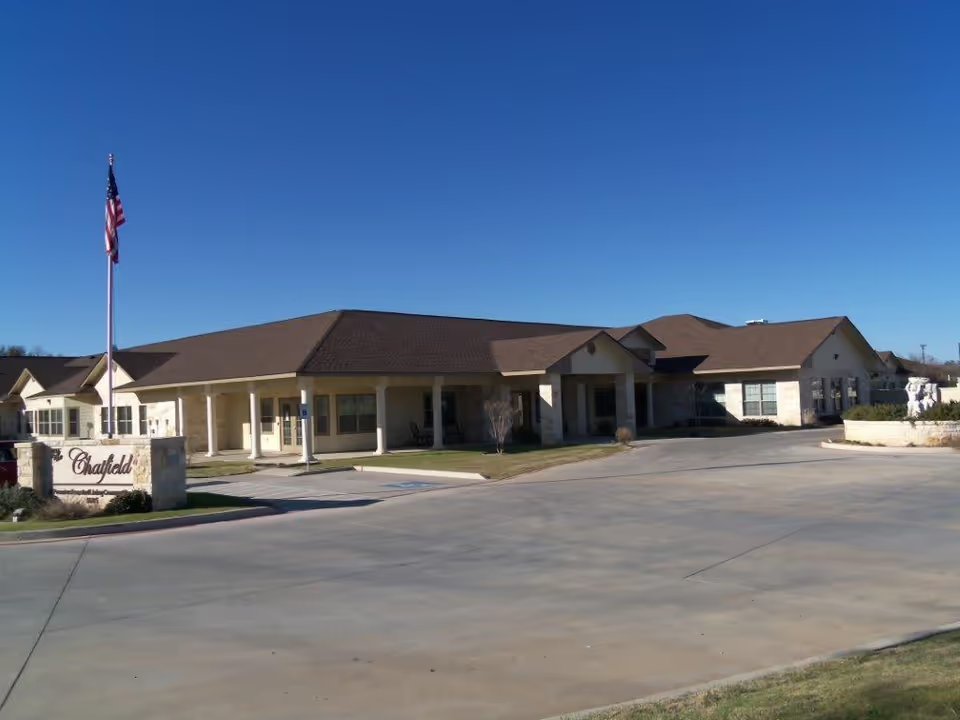
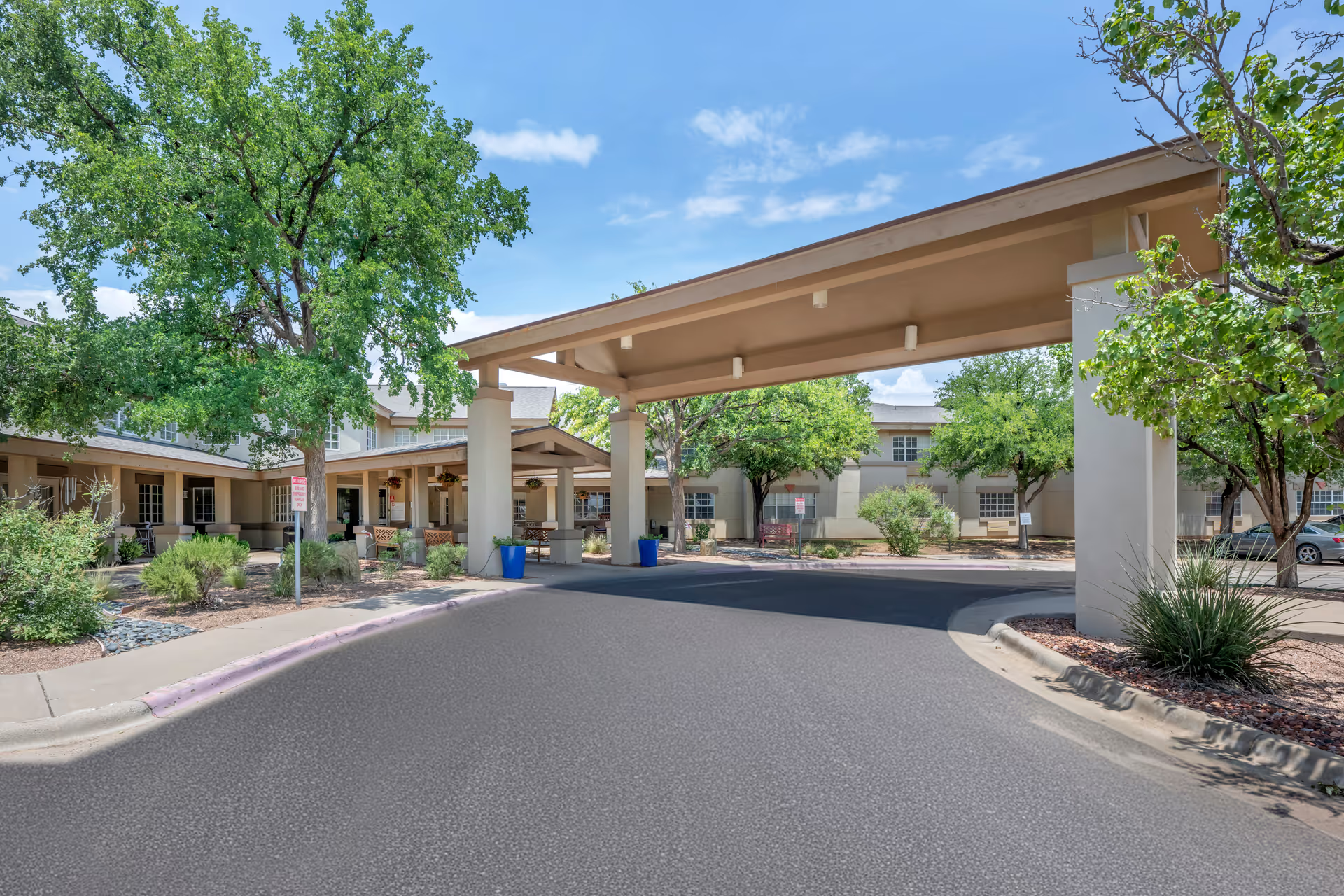
Reviews of Brayden Park Assisted Living & Memory Care present a mixed but detailed portrait. Strengths that recur across comments include an often-praised caregiving staff described as compassionate, personable, and responsive; a range of memory-care expertise among on-site personnel; clean and comfortable common areas and apartments; and an active activities program. Many families highlighted the facility’s dining experience — chef-prepared meals, a large dining room atmosphere, and the availability of in-room dining — as positive aspects. Practical amenities such as shuttle service, concierge assistance, housekeeping, and a streamlined move-in process are also frequently noted.
Care quality shows both positive and concerning patterns. Several reviewers commend medication administration, timely resident-assistant responses, and individualized attention for residents with dementia, including supportive end-of-life care in some cases. Conversely, there are recurring operational concerns: inconsistent staffing levels and turnover; slow or unreliable responses to call buttons; and questions about the availability of 24-hour clinical coverage. A small number of reviews raise serious concerns about wound care, incident reporting, and clinical oversight; some of these comments reference allegations of regulatory noncompliance. Prospective families should verify clinical coverage, reporting protocols, and wound-care processes during a tour.
Dining and activities are generally strengths but with variability. The facility offers varied menus, accommodating meal substitutions, and frequent activity programming (music, bingo, crafts, outings). Some families report very satisfying meals and an engaging social calendar; others describe inconsistent food quality, cold meals at times, or extra charges for certain delivery services. Activity opportunities are plentiful on the schedule, yet engagement levels can vary—residents with higher-care needs may participate less and some families observed limited one-on-one activity engagement for those residents.
Facility and safety observations are mixed. Many reviewers describe modern, well-kept apartments with comfortable layouts, walk-in showers, and pleasant communal spaces. At the same time, some areas were described as showing age or needing upgrades, and reviewers noted accessibility limitations such as small elevators and handrails only on one side in places. There are specific operational concerns around memory-care boundaries and supervision—examples include other residents entering private rooms and variability in unit security—that suggest prospective visitors should inquire about door alarms, staff ratios in memory care, and room-entry protocols.
Management and communication receive divergent assessments. Several families praise responsive management and clear pricing; others describe poor communication, opaque billing or insurance handling, extra charges, and a perception of declining quality during periods of ownership or leadership change. These operational themes—staffing consistency, family communication, billing transparency, and sanitation oversight—are the areas that most often separate positive from negative experiences.
Overall, Brayden Park shows many attributes that families value: attentive staff, active programming, chef-driven dining, and comfortable apartments. However, repeated operational weaknesses—particularly inconsistent staffing/clinical coverage, spotty responsiveness to call systems, communication gaps with families, and some cleanliness or security concerns—warrant focused questions at a visit. Recommended topics for prospective families to confirm include current staffing ratios and turnover, documentation of 24-hour nursing coverage, call-button response times, incident-reporting procedures, memory-care security measures, and examples of billing practices and additional fees.