Sheridan Medical Lodge presents a mixed but instructive profile. Many families and residents praised the clinical rehabilitation services and bedside nursing: the facility’s physical and occupational therapy team is frequently described as professional, motivating, and effective, with measurable progress and successful returns to home. Nursing staff are often characterized as compassionate and attentive, and several accounts note good coordination with hospice services and the presence of on-site medical oversight that supports shorter rehab stays and respite care.
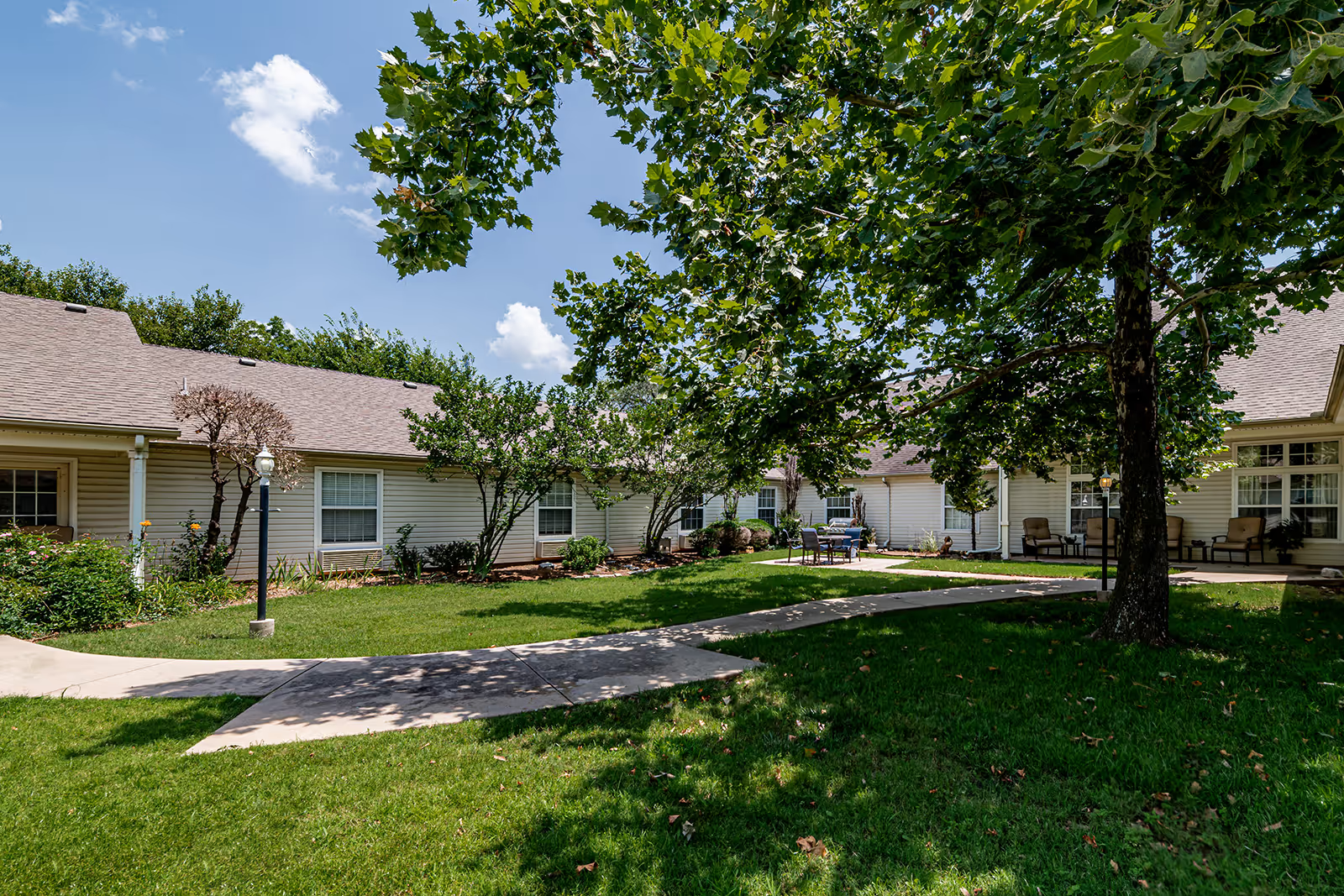
The facility’s social programming and environment are frequently cited as strengths. Reviewers highlight a broad activities calendar that includes religious services, bingo and live music, pet therapy and child visits, and other engagement opportunities that contribute to a welcoming atmosphere. The building and common areas are regularly described as clean and well maintained, with accommodating kitchen staff who can address dietary preferences. Front-desk and reception personnel are often praised for being welcoming and helpful, contributing to a positive first impression for many families.
Counterbalancing those positives are recurring operational concerns. Several reviews describe delays in medication delivery and pain management as well as slow responses to call lights and assistance requests. Families also describe inconsistent communication from staff and administration about clinical incidents, transitions, or changes in condition. These patterns suggest gaps in clinical-incident response, notification protocols, and day-to-day care coordination that can affect family confidence.
Other recurring issues relate to consistency of basic care and oversight. Reviewers raised sanitation and incontinence-care concerns in some rooms and common areas, uneven staff professionalism (notably at reception in some accounts), and variability in dining experience. More serious operational themes include weaknesses in transfer and transport practices and gaps in protocols for residents with higher acuity or dementia-related needs. There are also isolated accounts pointing to skin‑integrity and infection-prevention problems; while these appear in a subset of reports, they merit attention because of their clinical implications.
In sum, Sheridan Medical Lodge has clear strengths in rehabilitation, therapy, and many day-to-day caregiving relationships, and it provides a range of social and spiritual activities that families value. At the same time, prospective residents and families should proactively evaluate operational areas that have been called out: medication and pain-management processes, responsiveness to assistance requests, communication and incident-notification procedures, transfer/transport protocols, and infection-prevention practices. When possible, ask the facility for current policies and metrics in these areas, request a tour of relevant units, and seek direct conversations with therapy, nursing leadership, and administration to assess fit for the resident’s acuity and care goals.