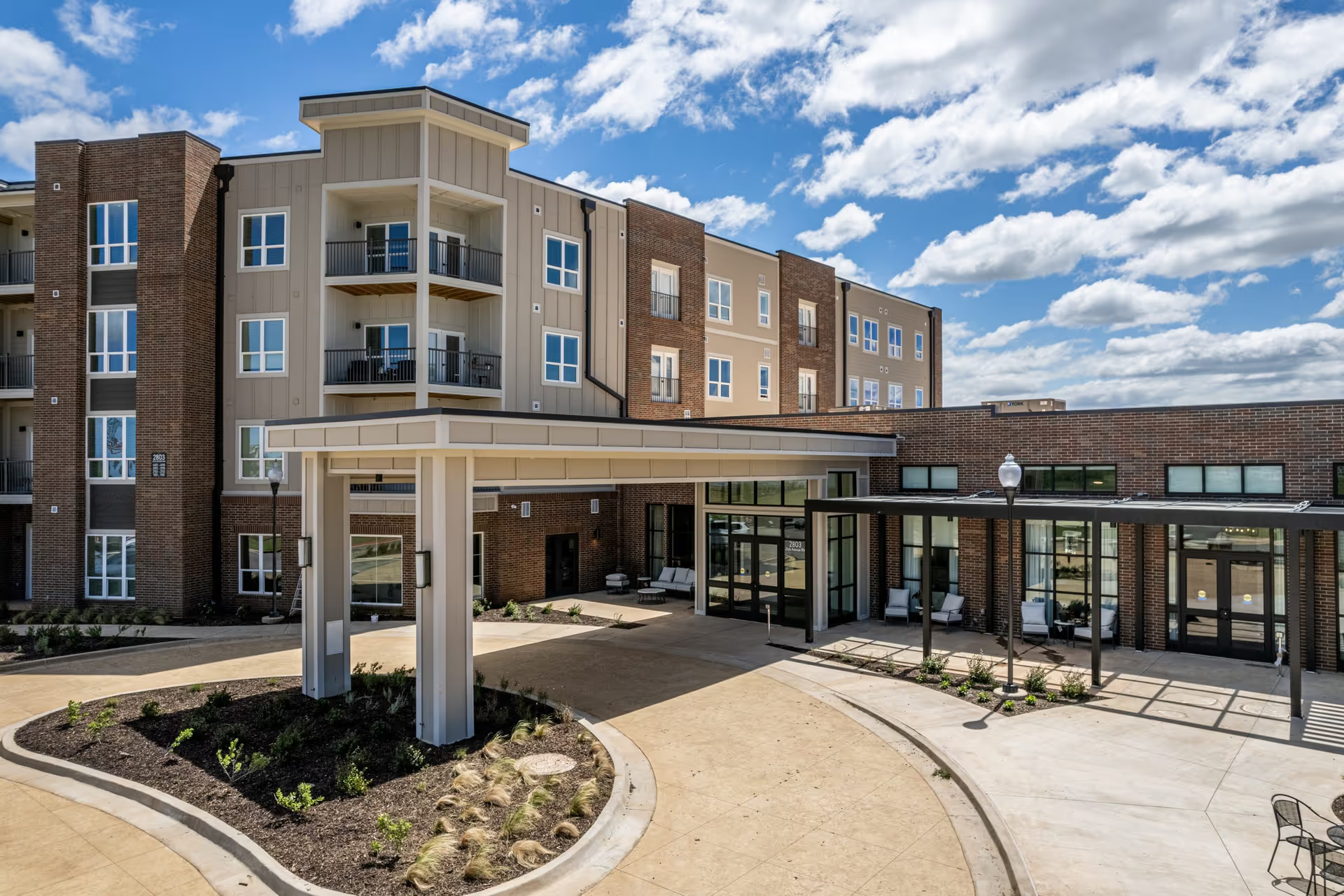
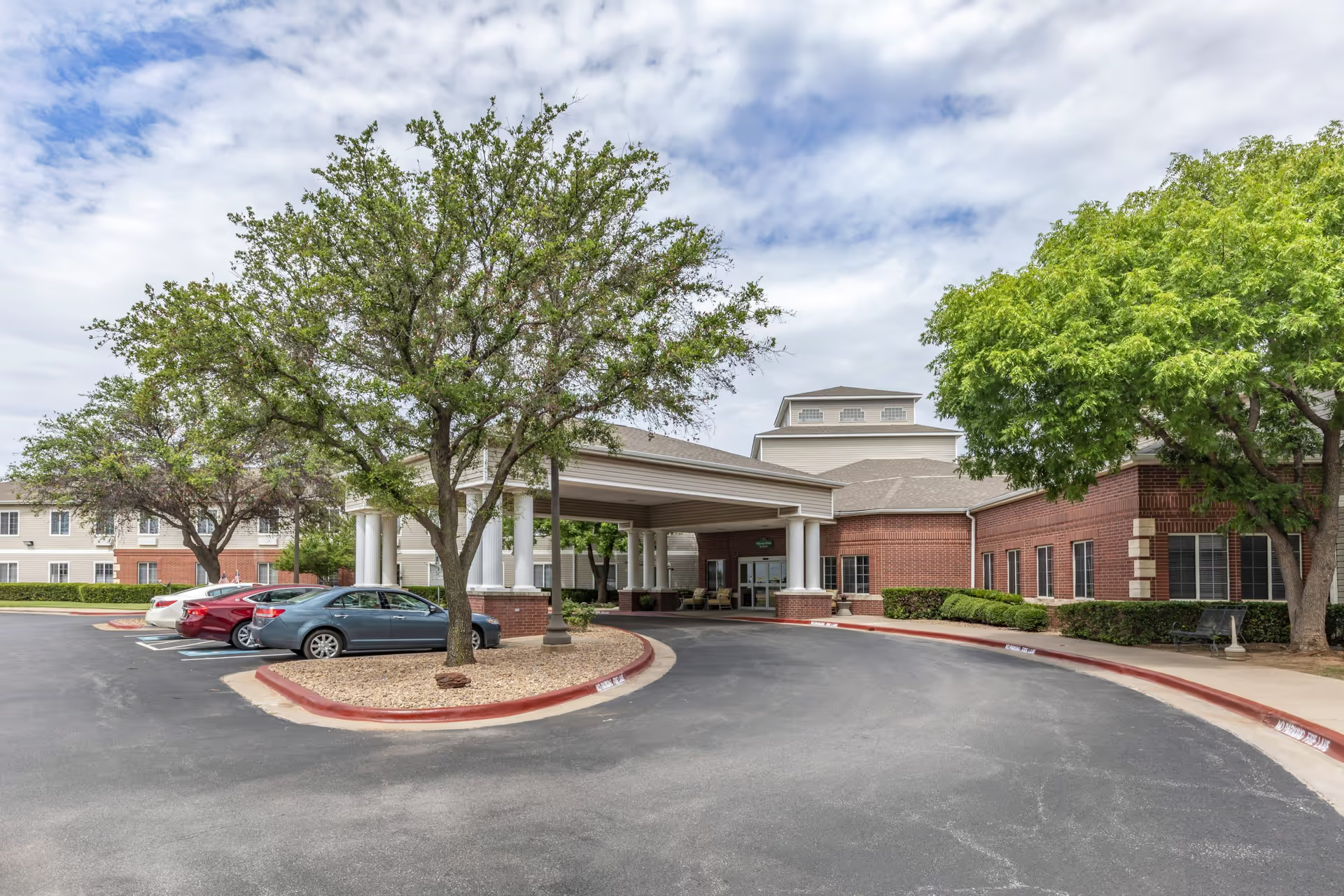
Overall, reviewers describe a facility with strong relational and clinical strengths alongside several operational limitations. The most consistent positives relate to caregiving: staff are frequently characterized as compassionate, friendly and willing to go beyond basic duties. Families cite attentive nursing oversight, including a full-time nurse and weekend on-call coverage, and generally effective medication supervision. Many accounts note improved resident health and timely assistance via help cords or other response systems, creating a baseline of trust in direct care.
Dining and daily life present a mixed picture. Food quality is commonly described as good and portions adequate, and several reviewers appreciated recent efforts to improve meals; however, menu variety is limited and some residents dislike particular meal offerings. The community enforces a dining-room–first policy, which constrains in-room dining options and may be important for prospective residents to consider. Rooms themselves are seen as comfortable for the setting, with walk-in closets and accessible showers with grab bars, but the layout is not uniformly apartment-style and residents must furnish spaces themselves.
Social life and activities vary by resident experience. Many residents form meaningful friendships and engage in activities such as bingo and other programmed events, contributing to a home-like atmosphere. At the same time, reviewers describe uneven activity programming, periods of lower engagement (partly attributed to COVID restrictions), and inconsistent encouragement of participation; some residents reported difficulty making friends or receiving one-on-one attention. Communal spaces generally feel homelike and clean, but there are isolated maintenance concerns—examples include an overgrown courtyard and underused common rooms—that suggest uneven grounds or space upkeep.
Operationally, the facility demonstrates strengths in safety and community feel but also exhibits administrative and staffing challenges. The campus uses controlled access for security, which many families view positively. Conversely, reviewers note management turnover and leadership transitions, which have at times affected continuity of services and communication. Staffing availability and clinical knowledge are described as inconsistent by some families, producing occasional delays in assistance and impediments for residents with memory or mobility needs. There are also isolated administrative issues cited such as billing errors.
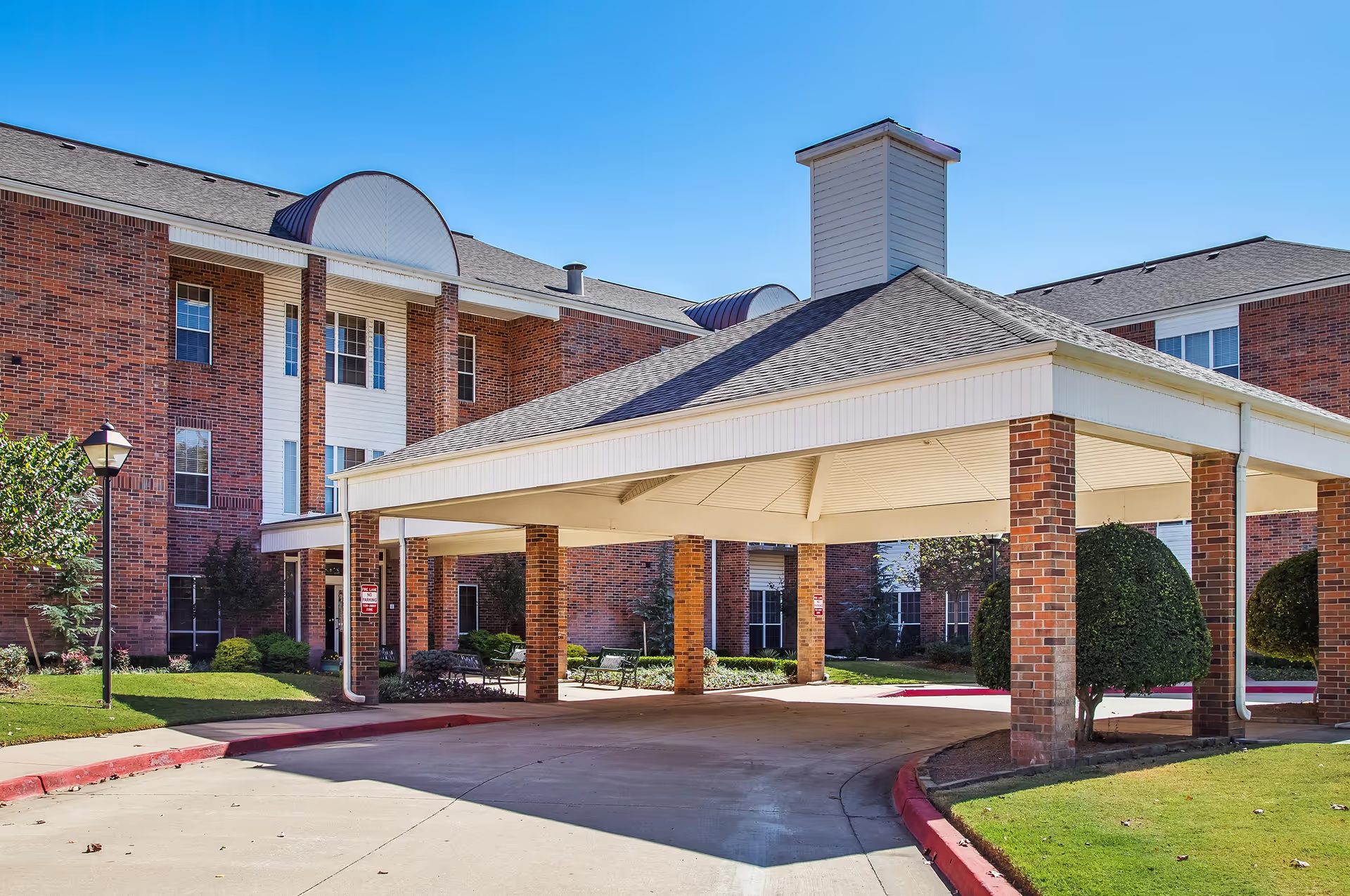
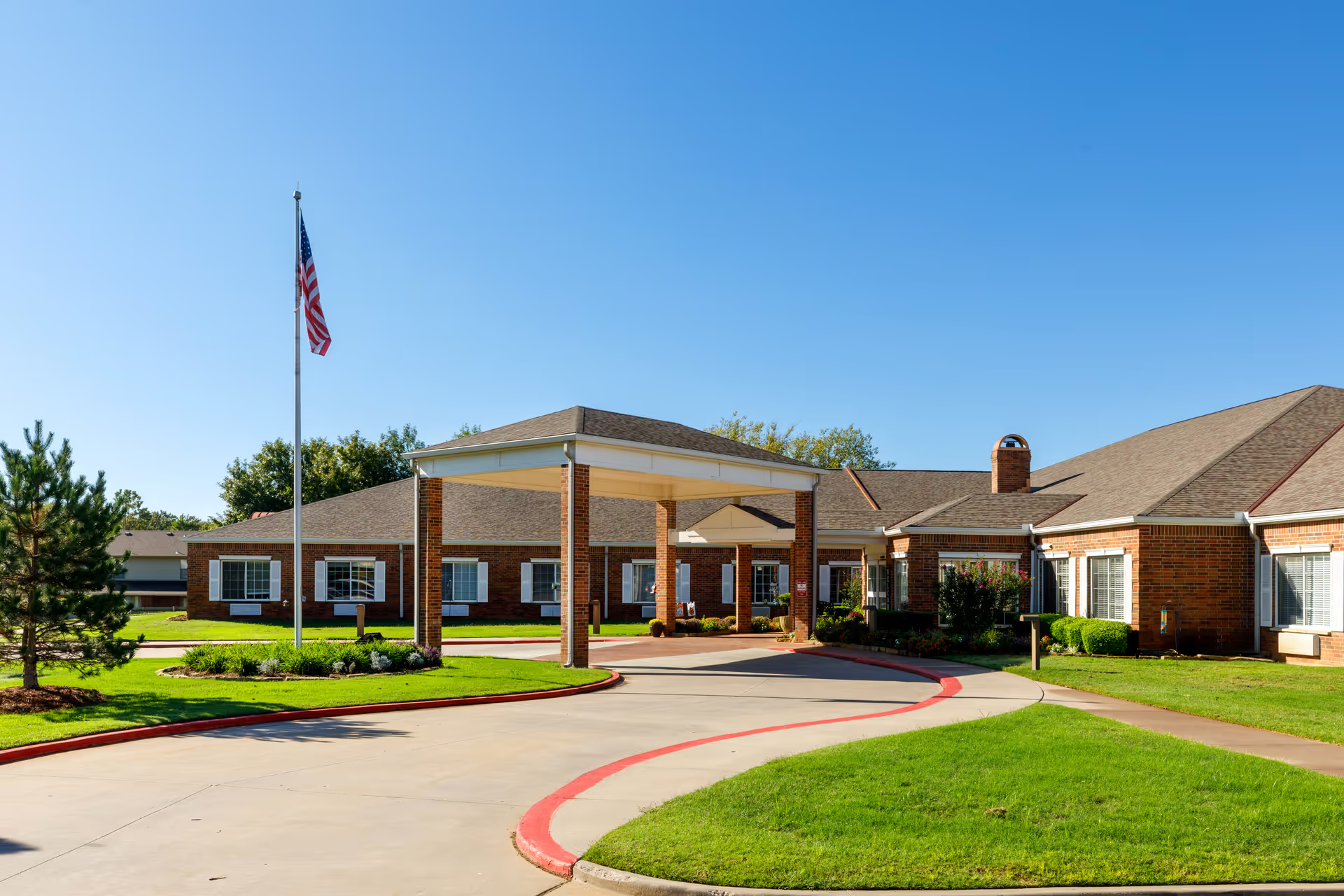
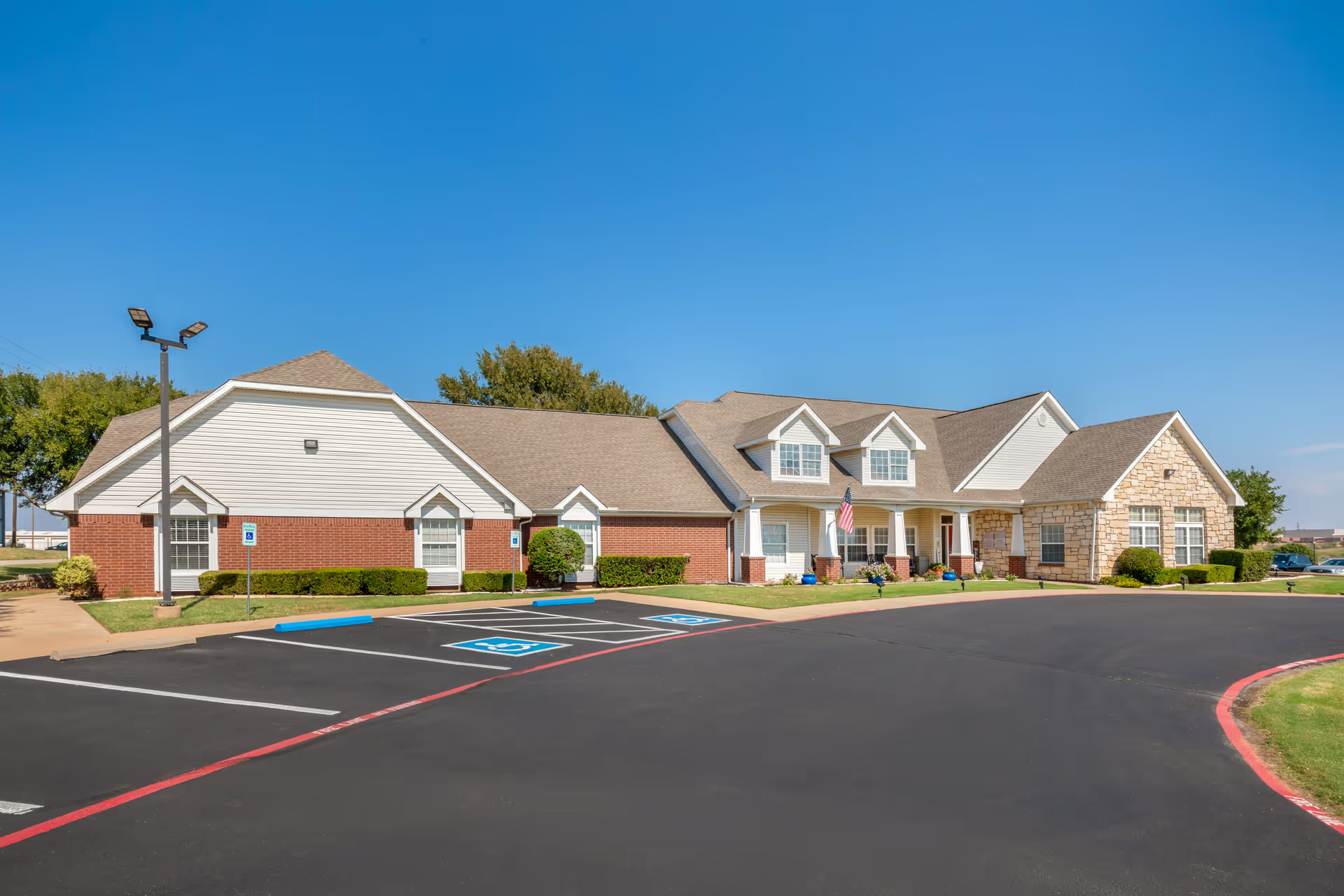
In sum, Ashbrook Village appears to offer solid day-to-day care, strong relational connections between staff and residents, and clinical nursing coverage that supports many positive health outcomes. Prospective residents and family members should weigh those strengths against operational considerations — particularly dining limitations, variability in activity engagement, periodic maintenance and administrative lapses, and the potential effects of staff and leadership turnover — when deciding whether the facility matches their priorities for independence, programming, and managerial stability.