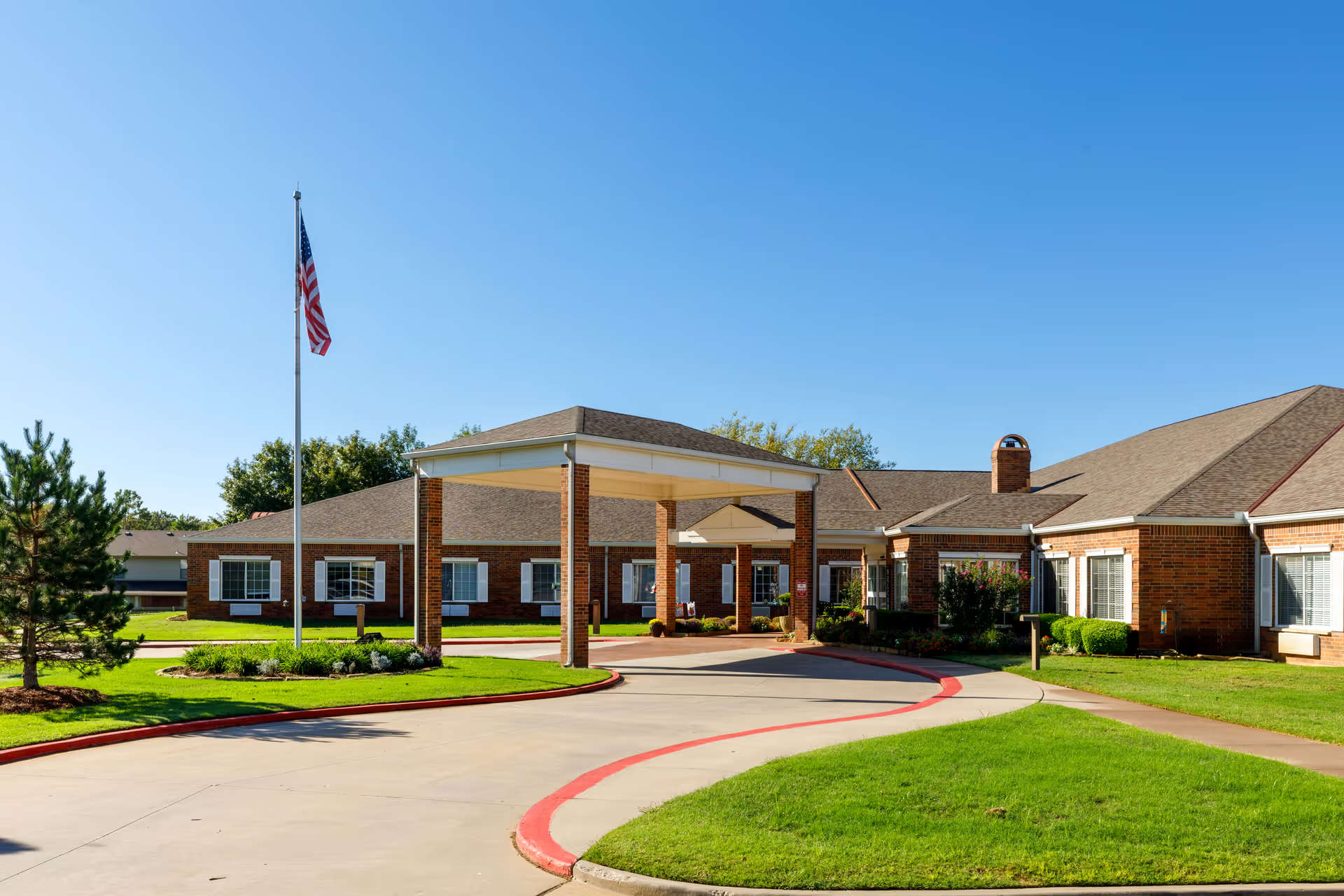
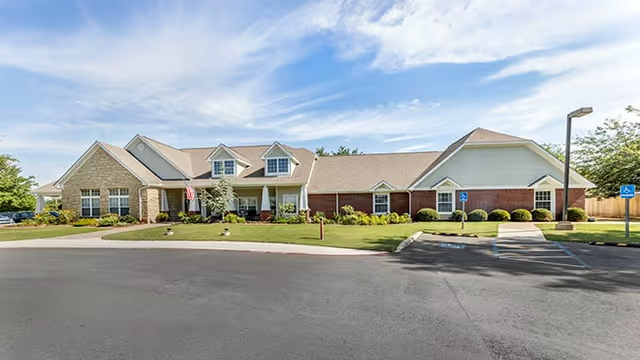
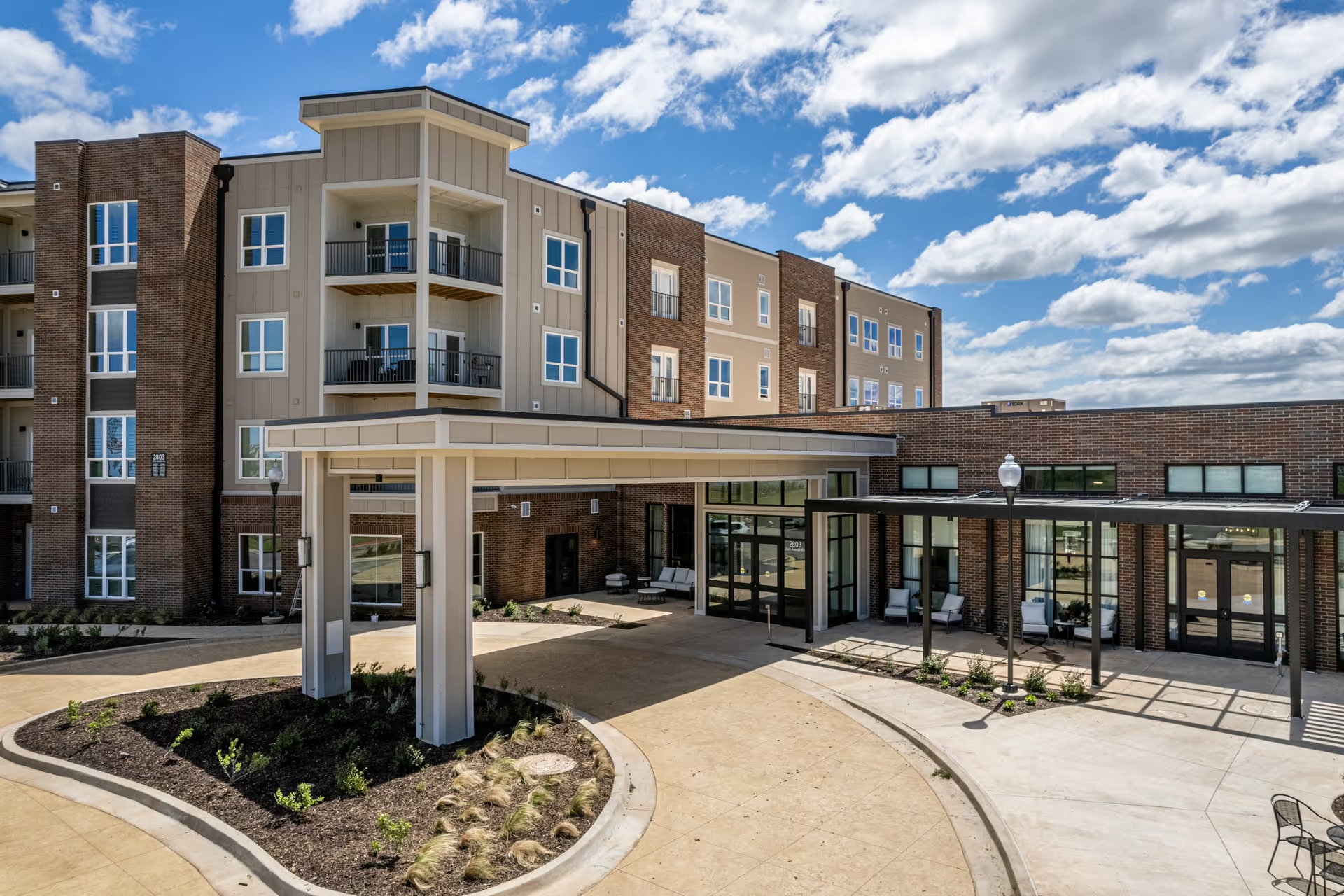
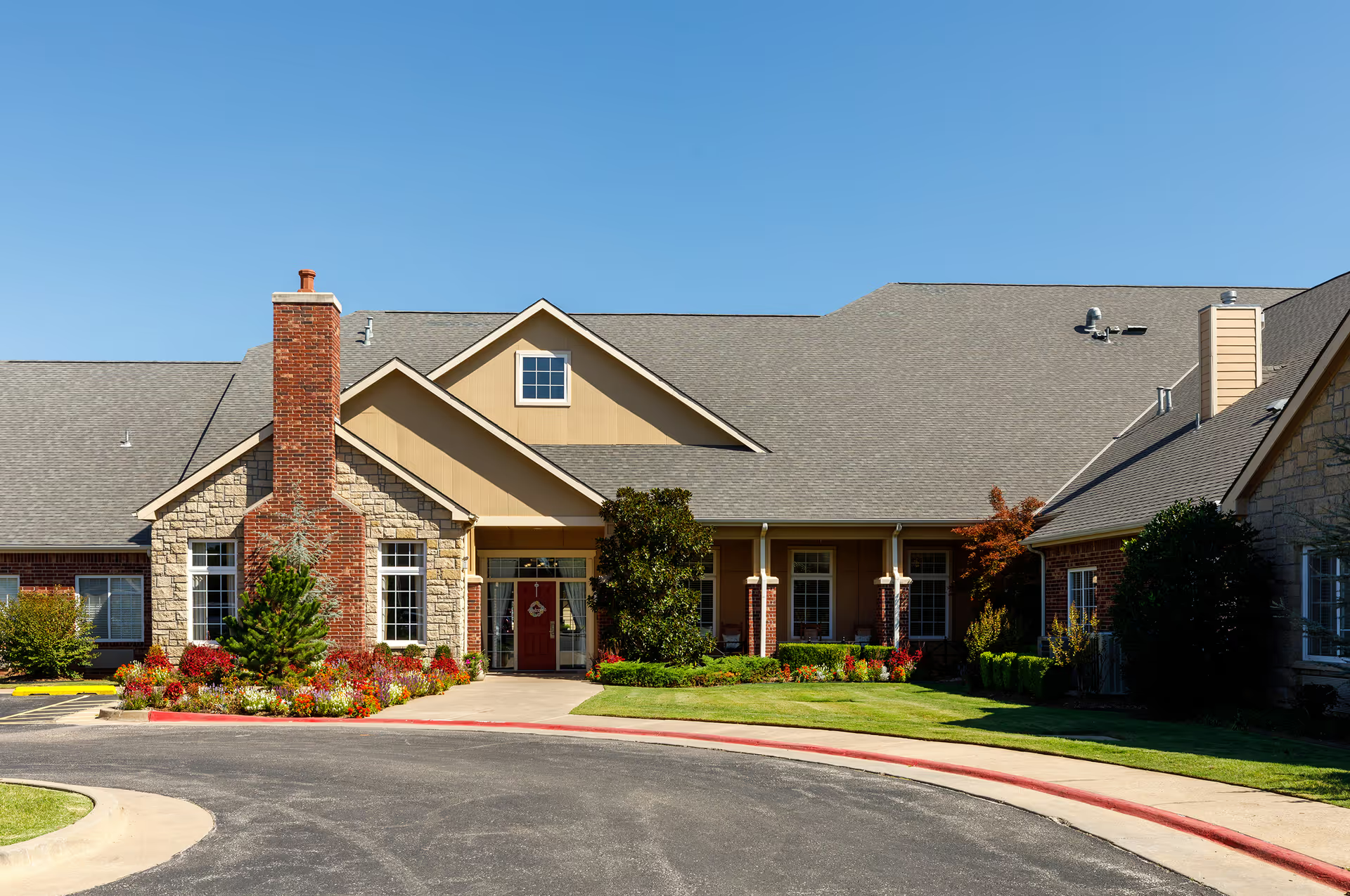
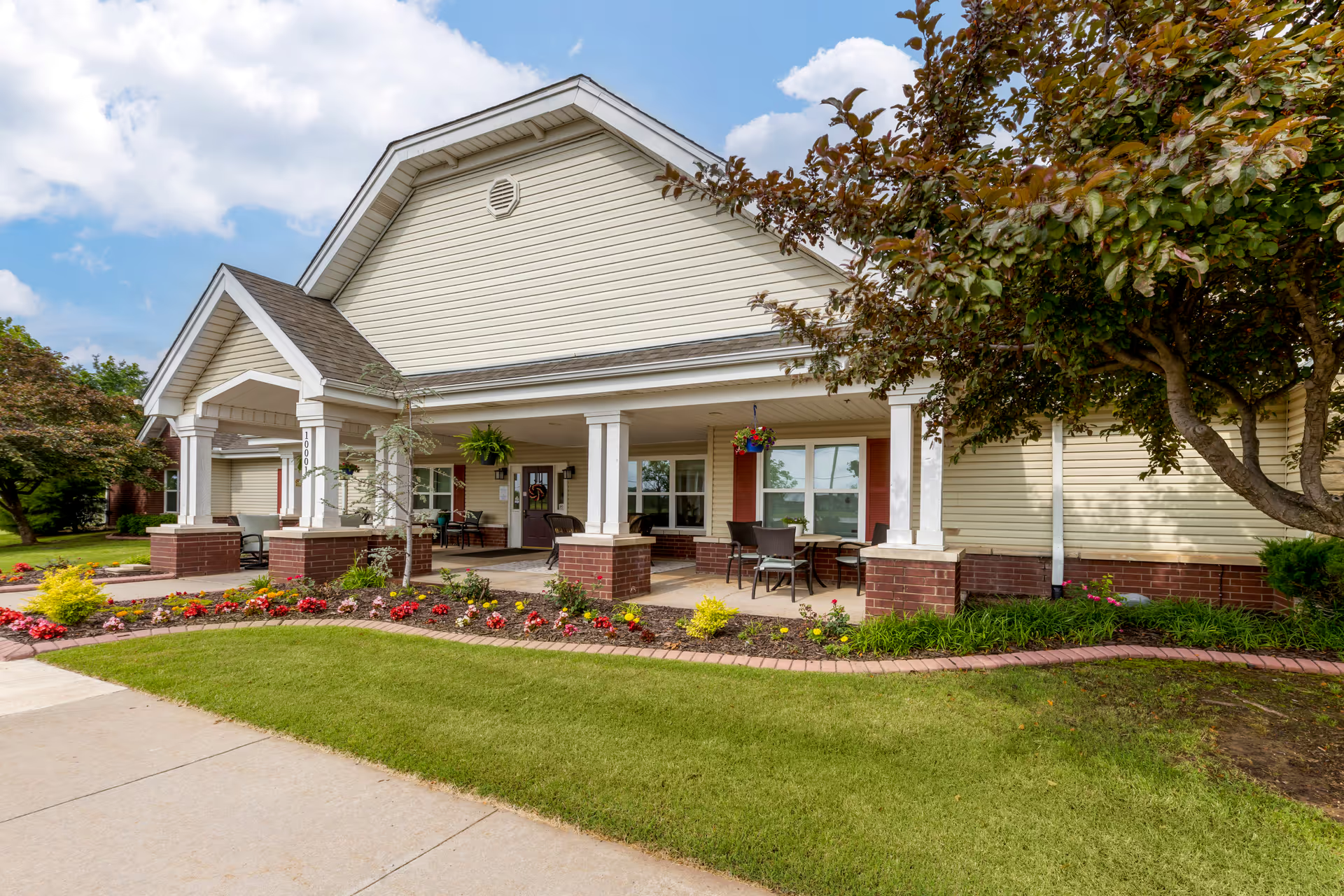
Rivermont Independent Living presents a mixed but generally positive profile for prospective independent-living residents who prioritize community life, dining, and on-site amenities. Strengths frequently mentioned include spacious, well-appointed apartments with multiple floor plans and in-unit kitchen options, attractive outdoor spaces and raised gardens, and a broad set of communal areas (library, coffee shop, game and activities rooms). The community offers an active calendar of activities, live entertainment, arts and fitness programming, and organized outings, which many residents describe as central to their quality of life.
Dining is a prominent asset: reviewers often describe restaurant-style presentation, a varied menu, and a high-quality culinary experience. Meals and housekeeping are commonly included in monthly fees, and several accounts praise the attentiveness of dining staff and the social value of communal dining. At the same time, there are repeated mentions of meal-service variability (occasionally cold meals or missed service) and constrained dining-room capacity during peak times, which suggest that service continuity and dining logistics merit direct inquiry during a visit.
Staff and care quality generate divergent impressions. A substantial number of comments characterize front-line staff and volunteers as friendly, caring, and engaged — many residents describe strong personal connections and improved daily life as a result. However, recurring operational themes include high staff turnover, inconsistent continuity of care (particularly in higher-acuity or memory-care contexts), and occasional delays in responding to maintenance or personal-care requests. There are also serious individual concerns raised about staff conduct, including allegations of theft; these claims, while not uniform across accounts, underline the importance of clarifying staff screening, supervision, and incident-resolution procedures with management.
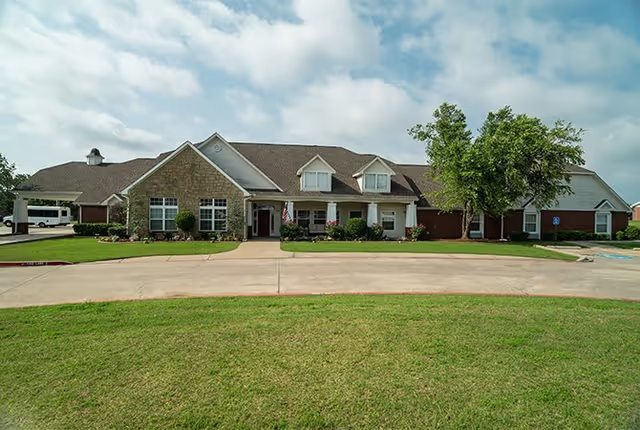
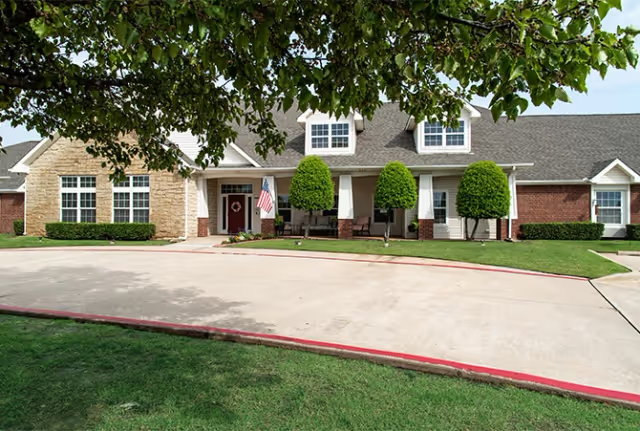
Facilities and operations reflect both strengths and limitations. Grounds, courtyards, and outdoor seating receive consistently positive remarks, and the community is actively updating some common areas. Still, parts of the building are described as older and in need of ongoing maintenance; reviewers mention slow repair timelines and intermittent sanitation or odor concerns in some corridors. Security and visitor-control procedures are another area of mixed feedback: some reviewers praise strict front-door screening and pandemic protocols, while others note single-point entry monitoring, inconsistent desk coverage, and limited camera or sign-in enforcement, which ties back to theft and visitor-control concerns.
Administrative and financial practices are another pattern to examine. Comments indicate rigid billing and move-out policies in some cases, limitations on acceptable payment methods (cash-only or refusal of card/ACH options), upfront move-in fees, and delays or disputes around refunds. Prospective residents and families should request written explanations of fee structures, payment options, notice periods, and refund timelines prior to move-in.
Bottom line: Rivermont offers many appealing features for independent-living candidates — strong social programming, attractive grounds, varied apartment options, and generally well-regarded dining and front-line staff. At the same time, persistent operational issues (staffing continuity, maintenance responsiveness, dining logistics, entry-security practices, and administrative billing policies) appear frequently enough that an on-site visit is essential. Families should observe a mealtime, tour recently renovated and older units, ask for recent staffing and incident logs, and get written clarity on payment/refund and visitor-security policies before committing.