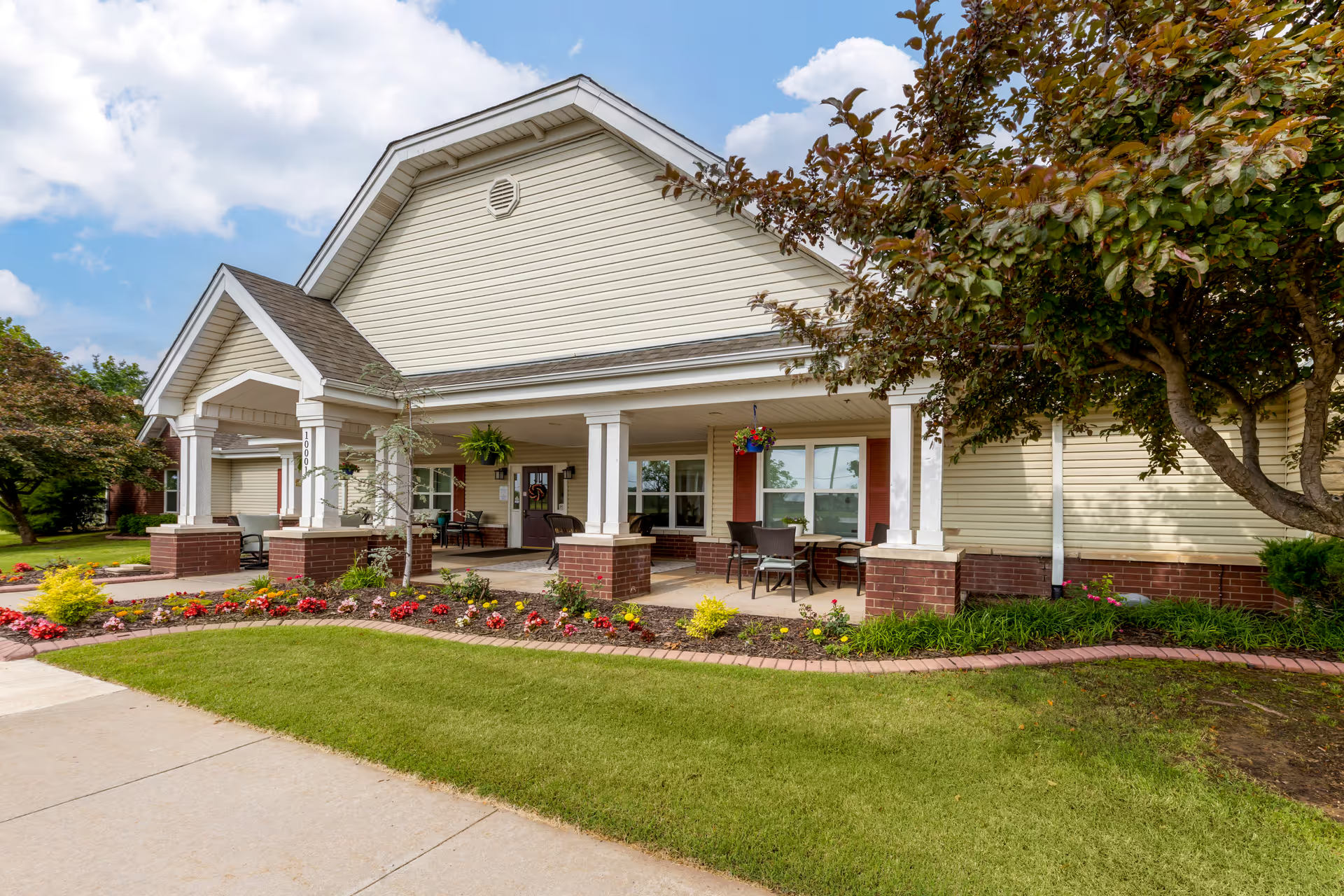
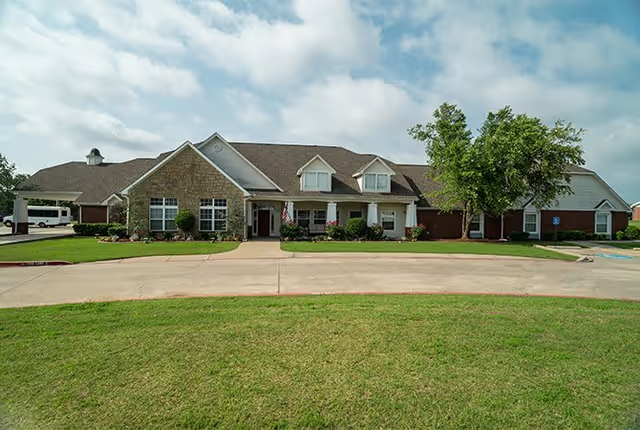
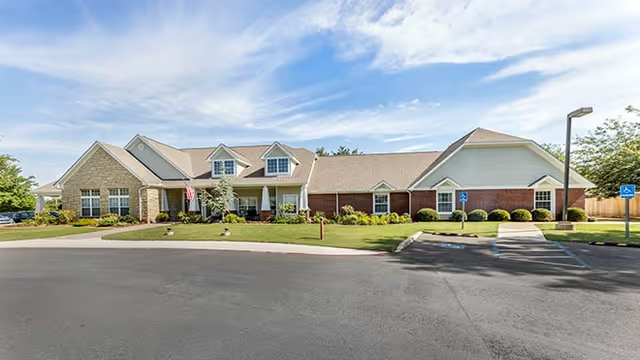
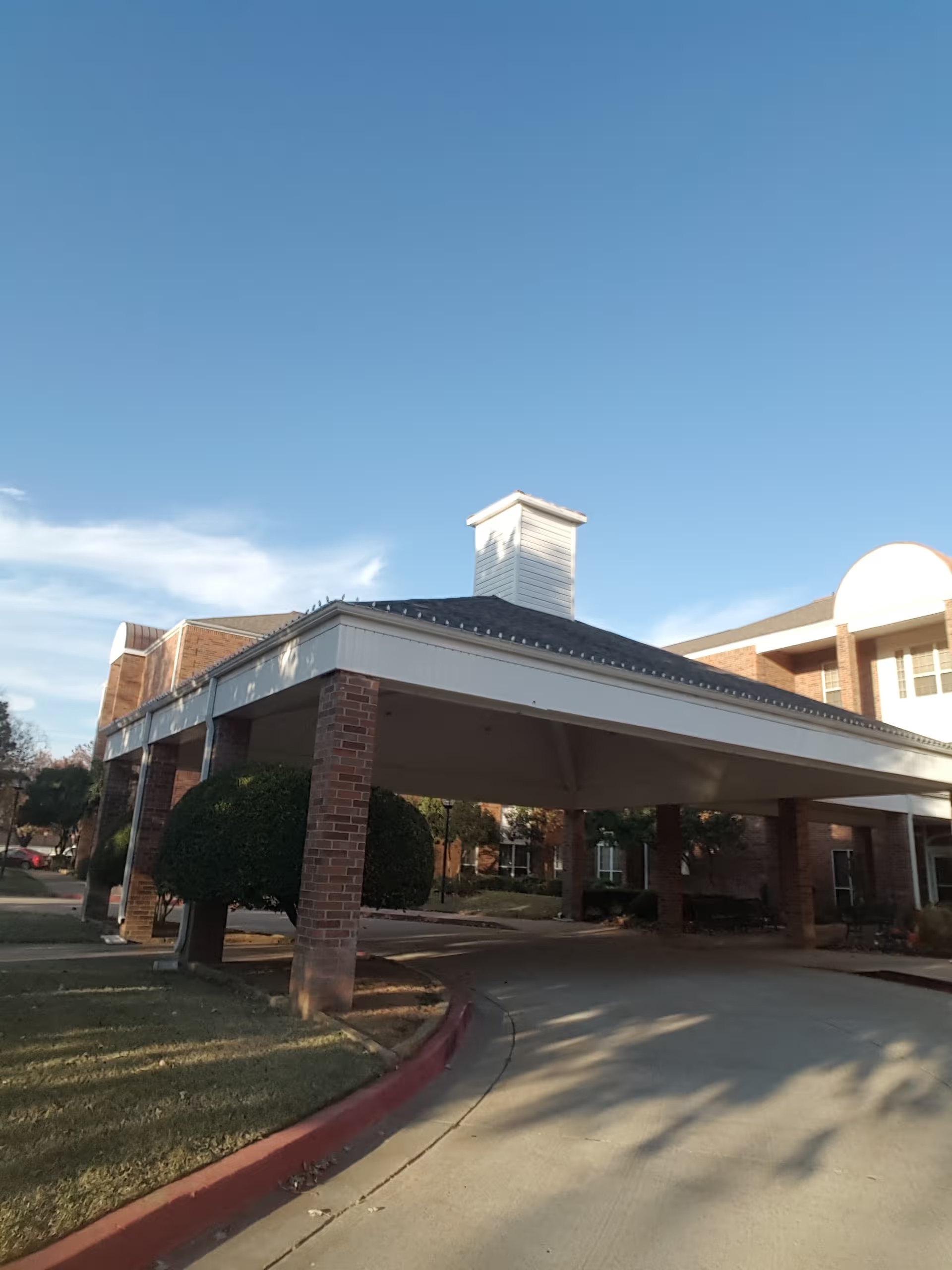
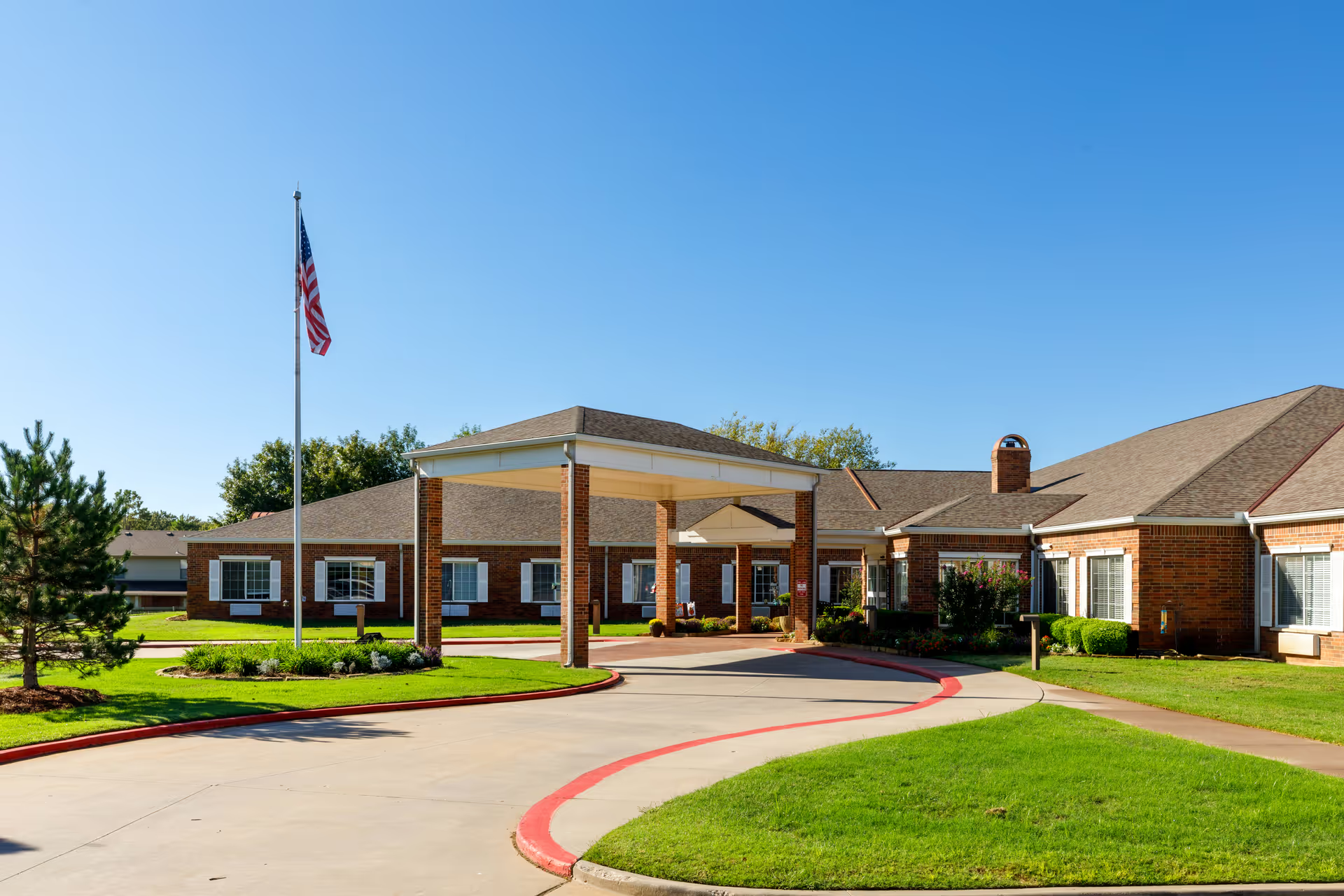
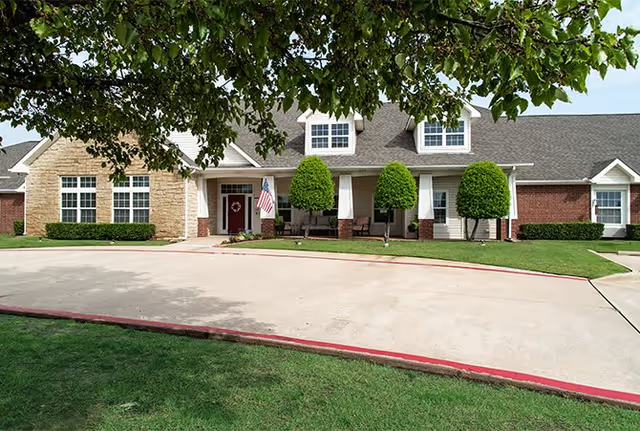
Legend Assisted Living at Rivendell presents a largely positive profile for families who prioritize warm, resident-focused care, high-quality dining, and an active life-enrichment program. Many accounts emphasize attentive, compassionate staff members who form strong personal relationships with residents, along with long-tenured employees and a chef-led dining program that offers fresh, nutritious, and tailored meals in a restaurant-style setting. The community’s physical environment is repeatedly described as clean, attractive, and upscale with secure common areas, courtyards, and opportunities to age in place through graduated care levels and on-site therapy and medical services.
Clinical care and staffing show a mixed picture. During weekdays the facility is commonly described as having competent nursing and therapy support, regular physician or clinician visits, and individualized care plans. However, multiple accounts indicate inconsistent coverage on weekends and instances of limited frontline supervision. Reviewers raised concerns about medication-administration practices and communication around clinical events; these point to operational gaps in clinical oversight and staff training that prospective families should clarify. There are also isolated but serious reports about staff conduct and alleged theft that families should treat as part of their due diligence when evaluating safety and complaint-handling processes.
Dining and social programming are among Rivendell’s strongest features. The chef and dining staff receive frequent praise for quality, presentation, and the ability to accommodate dietary needs. Life-enrichment offerings — exercise classes, arts and crafts, outings, games, and special events — generate strong positive sentiment and are credited with improving resident mood and engagement. At the same time, some households noted uneven activity engagement for particular residents and occasional service continuity issues in dining (for example, stockouts or meals not delivered as expected).
Facility upkeep and operations are described in largely favorable terms, but with recurring operational weaknesses. Many visitors and residents find the property well-kept and home-like, yet there are repeated comments about inconsistent housekeeping, delayed laundry changes, and maintenance requests that are sometimes slow to resolve. Apartment sizes are often smaller than expected for the price point; combined with periodic billing or fee-increase concerns, several reviewers flagged value-for-cost as an area to examine closely.
Management and communication receive both praise and critique. Several families found administrators responsive, helpful during move-in, and supportive around end-of-life matters. Conversely, others described poor communication during infection-control events, abrupt staffing changes, or billing adjustments. These contrasting reports suggest variability in how operational issues and family concerns are handled—another area where prospective residents should ask specific questions.
Bottom line: Rivendell appears to deliver strong day-to-day resident experience for many families—particularly in caregiving warmth, dining, and activity programming—within a well-appointed facility. However, there are consistent operational themes to investigate further: weekend staffing levels, housekeeping and maintenance reliability, clinical oversight and medication controls, policies for handling allegations of misconduct, room size relative to cost, and transparency around fees. During a tour or follow-up conversations, ask about weekend clinical coverage, housekeeping schedules, staffing ratios, recent staff turnover, incident-reporting and investigation procedures, billing policy for fee changes, and examples of how the community responded to past outbreaks or staffing disruptions.