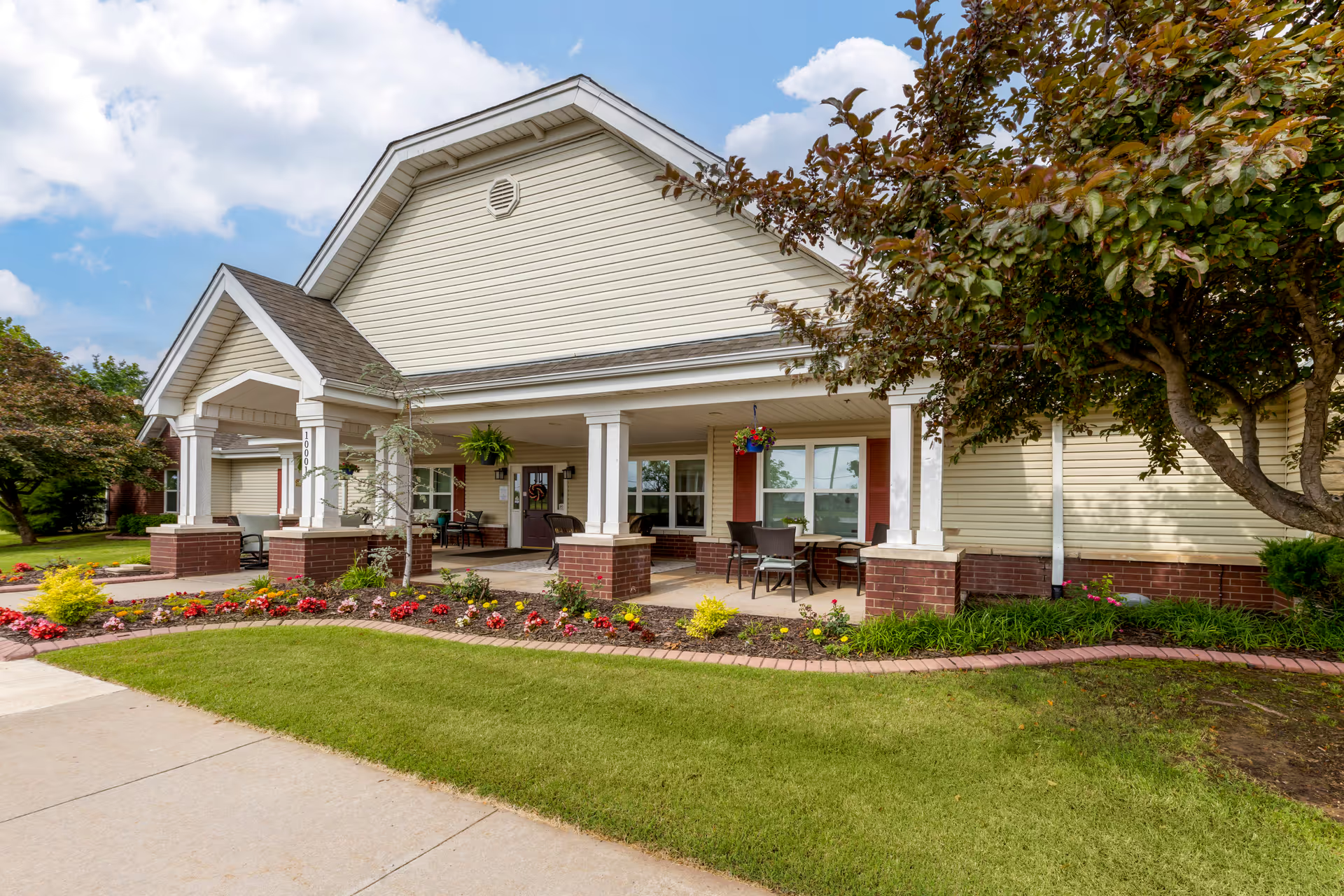
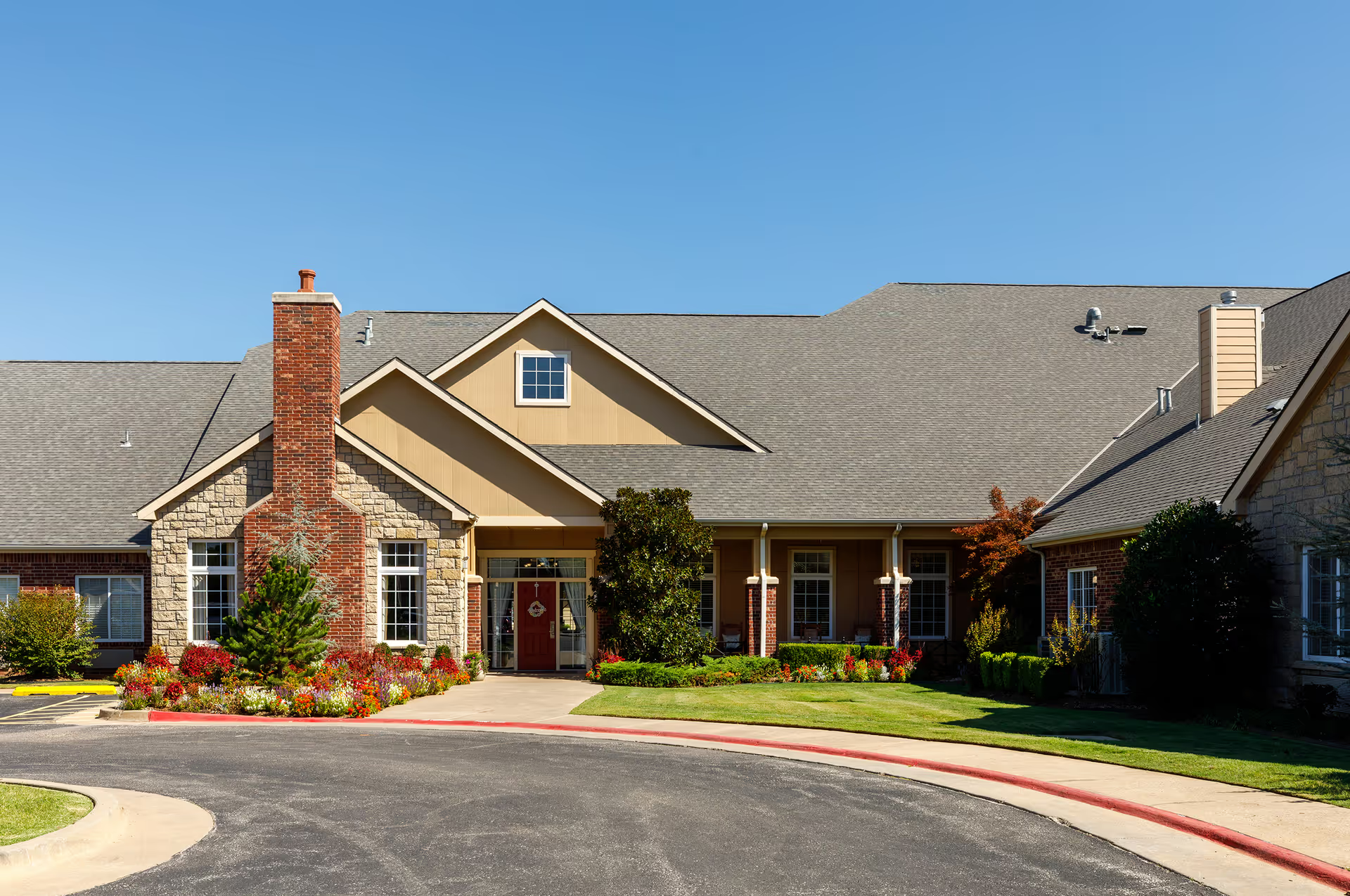
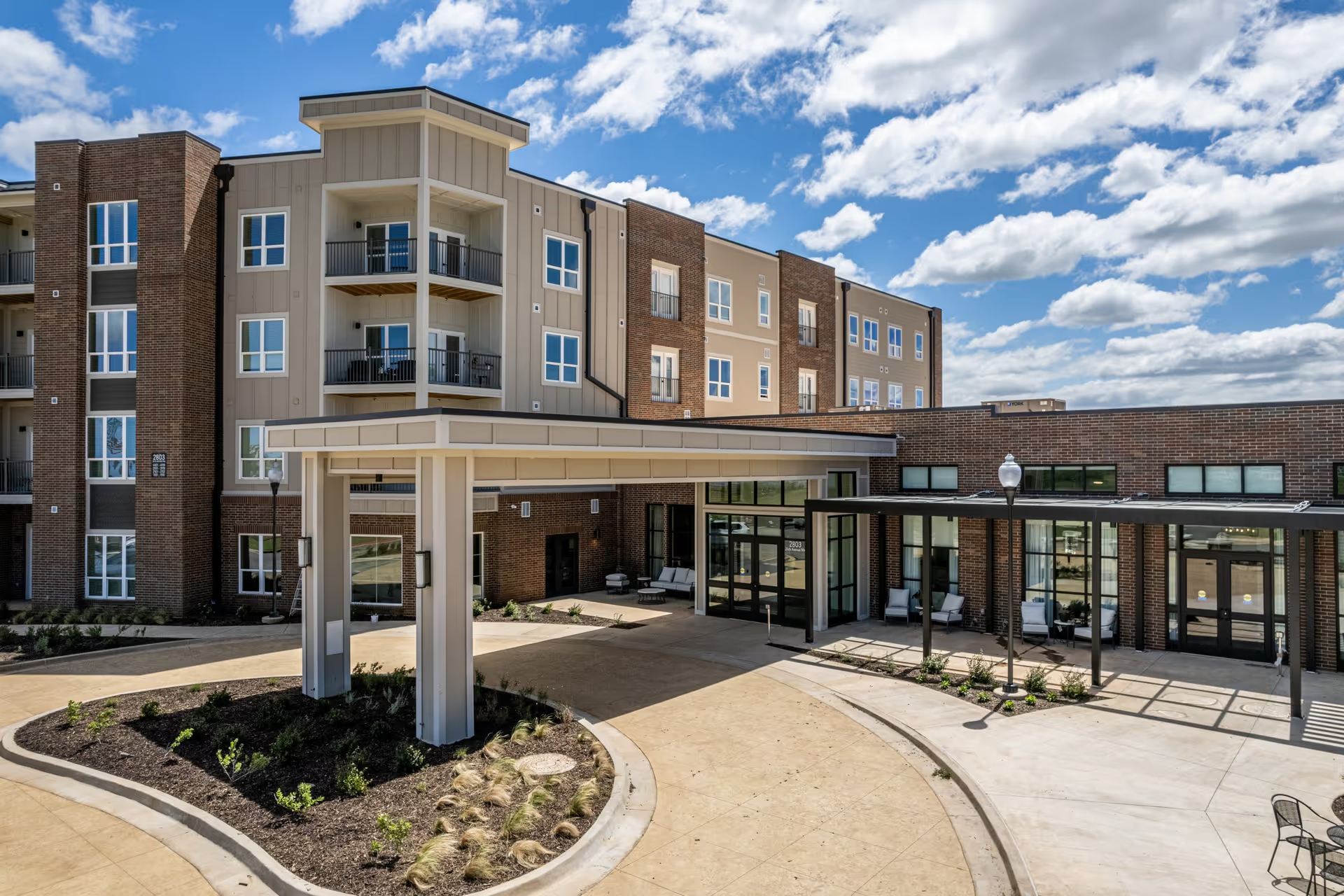
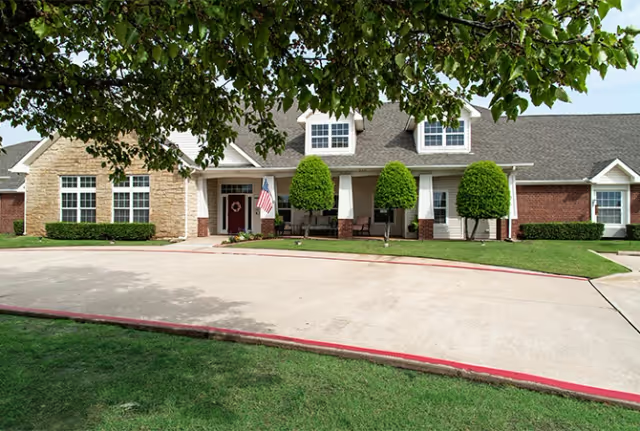
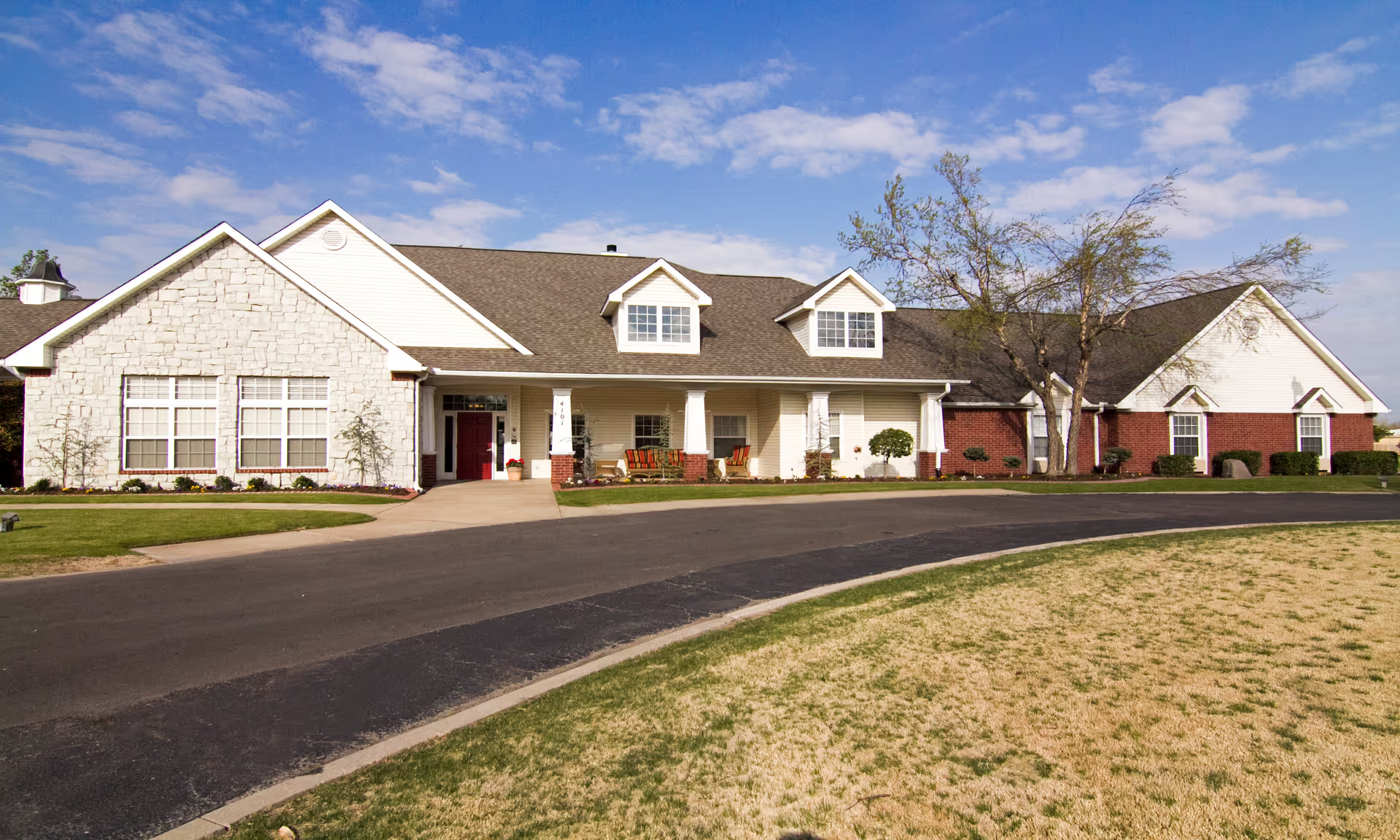
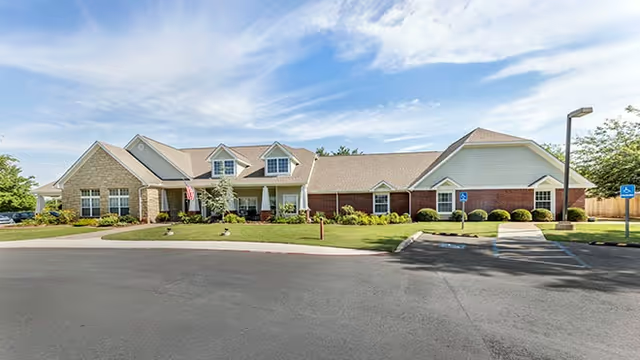
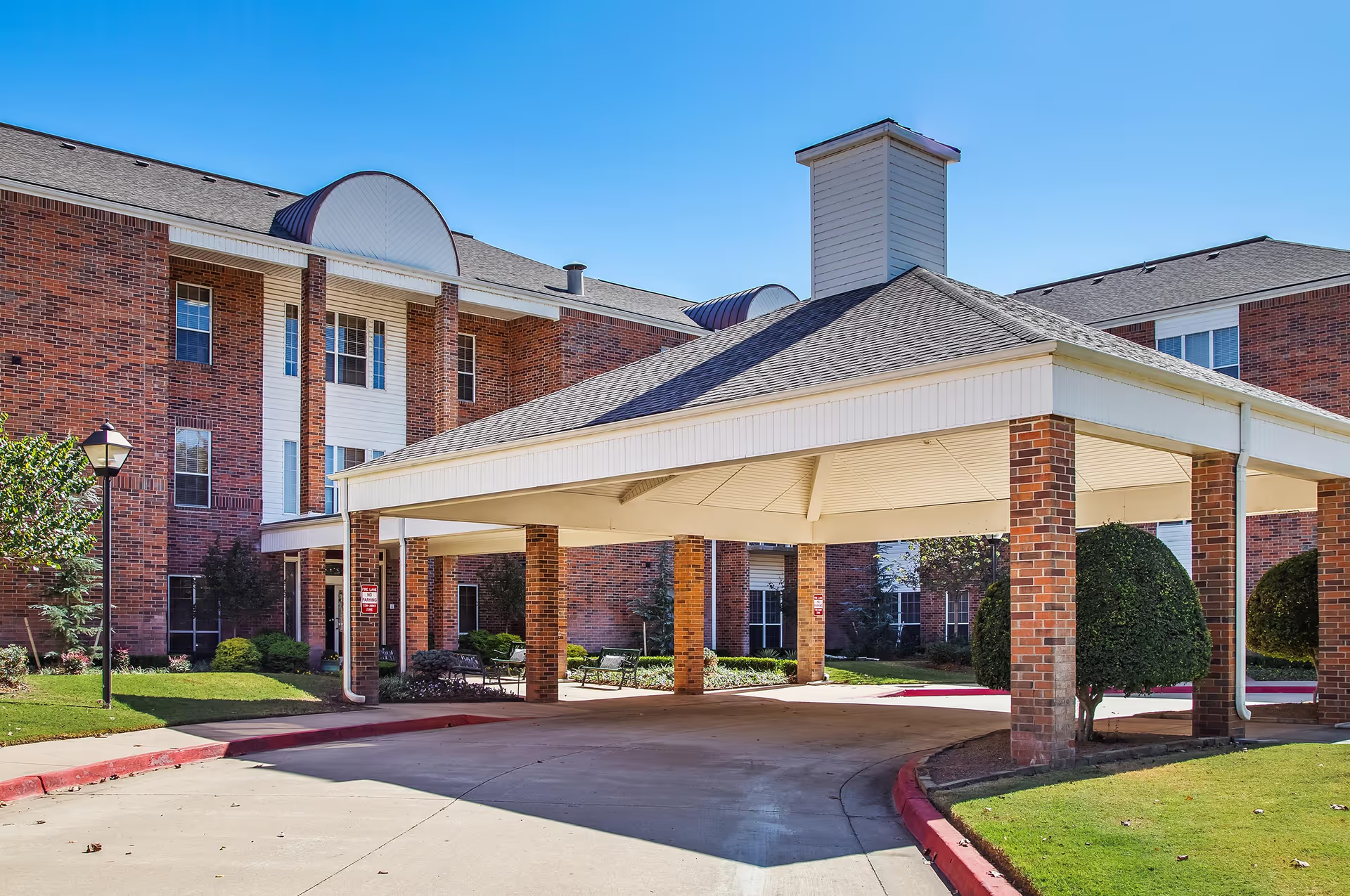
Overview: Morada Southridge is consistently described as a small, well-kept assisted living community with a home-like atmosphere. The facility's size (noted as an intimate community of roughly 30–32 rooms) supports a close staff–resident familiarity and many families emphasize a sense of safety and being known by caregivers. Physical features that are frequently highlighted include clean common areas and private rooms, accessible bathrooms with grab bars, in-room appliances (mini-fridges, microwaves, coffeemakers), a central dining room, and a pleasant courtyard/wandering area.
Care and staff: Care quality is a central strength in the commentary. Reviewers commonly describe caregiving staff as compassionate, attentive, and supportive during transitions and end-of-life care. Families noted specific staff members by name and appreciated continuity when ownership changes retained existing caregivers. At the same time, reviewers describe operational shortcomings that affect care responsiveness: staffing levels are occasionally inconsistent, which can delay call responses and personal-care tasks. There are also comments about elevated staff turnover during some periods and communication barriers with certain caregivers that can complicate interactions.
Dining and activities: The community operates an on-site kitchen with a varied menu and an in-house chef; many families praised the meals and called the menu diverse. However, meal taste and consistency are uneven in the collective feedback—some found food excellent while others described it as merely acceptable. Activities are organized with a monthly calendar and several engaging options (puzzles, gardening, outings, themed events). Still, activity availability can be uneven: some accounts describe lively programming and an involved activities director, while others cite gaps in activity staffing or even an absent activities director at times.
Facilities and operations: Facility upkeep and cleanliness are repeatedly noted as strengths, and families appreciated prompt responses when housekeeping or maintenance issues arose. The facility's compact rooms are efficient but can feel small for some preferences. Reviewers also referenced operational disruption during remodeling projects and a noticeable price increase at one point. There are comments indicating limits in clinical capability—specifically that the community may not be appropriate for higher-acuity needs or for residents requiring specialized memory-care units with clearer separation.
Management and communication patterns: Families describe generally responsive leadership that resolves issues when raised, and several accounts praised the manner in which staff supported families through difficult transitions. Conversely, there are recurring concerns about inconsistent administrative communication—late event notices, last-minute changes, and uneven transparency in a few cases. One recurring theme is that while the day-to-day caregiving is often strong, systems-level communication and consistency (scheduling, activity staffing, follow-through on housekeeping promises) are areas where the facility shows variability.
Notable patterns for prospective families: Prospective residents and families should expect a small, community-oriented environment with attentive caregivers, a clean facility, in-room conveniences, and an active social program when staffing permits. Important considerations include the facility's limited capacity for higher-acuity or specialized memory care, potential variability in meal taste and activity staffing, and episodic communication or responsiveness issues tied to staffing fluctuations or administrative practices. Overall, the pattern of feedback indicates strong, compassionate caregiving in a home-like setting, balanced by operational variability that families should evaluate during a tour and in discussions about staffing, clinical capability, and communication practices.