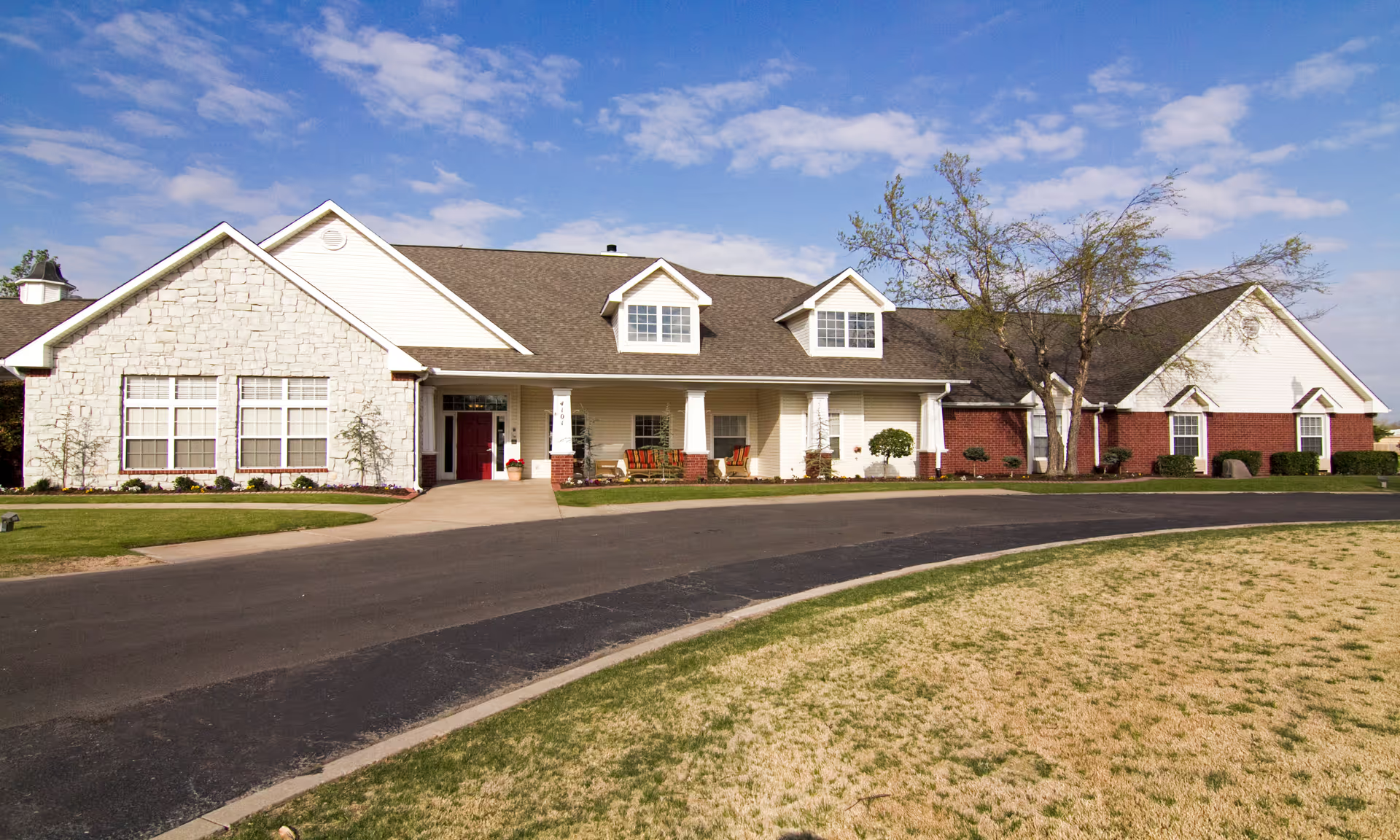
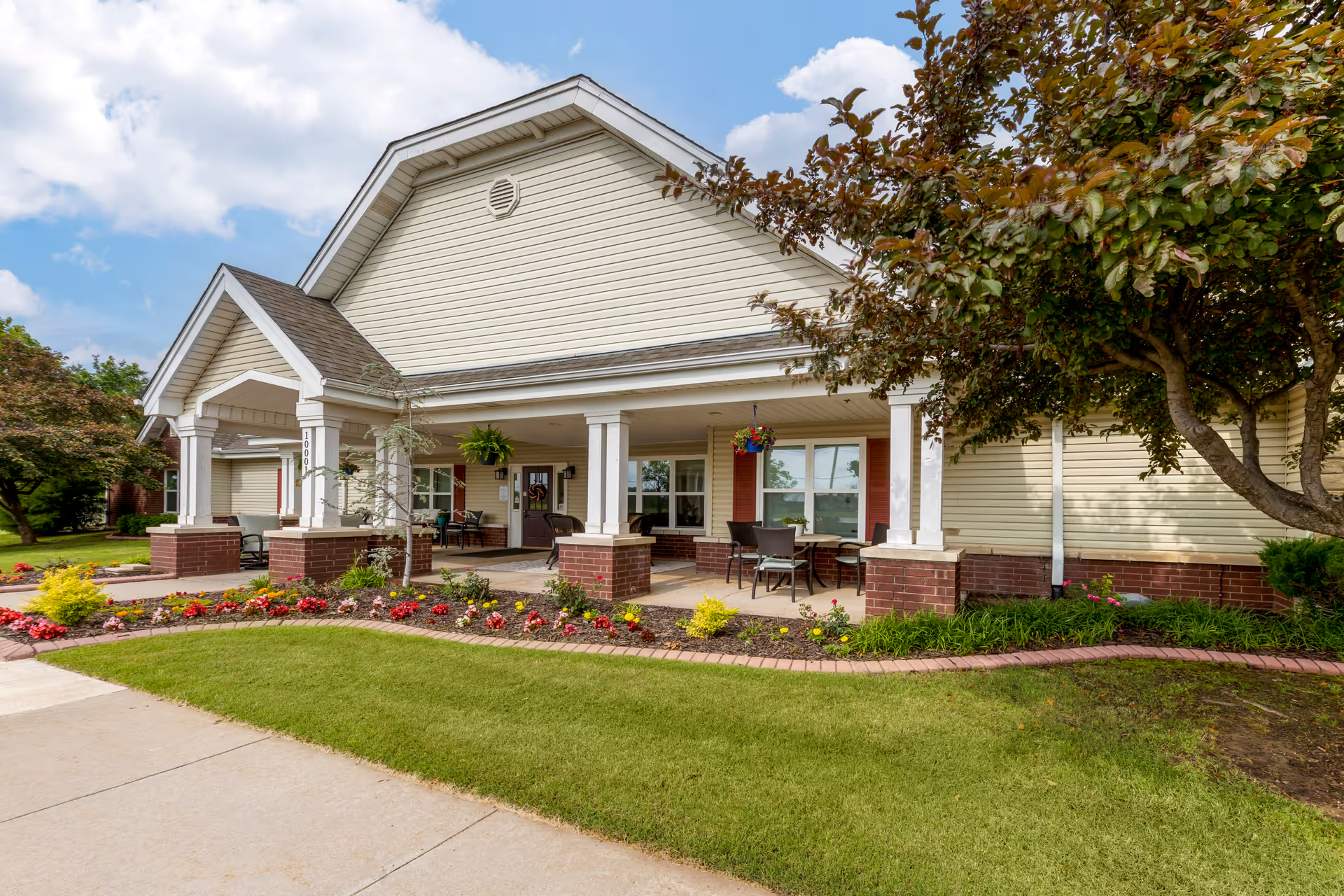
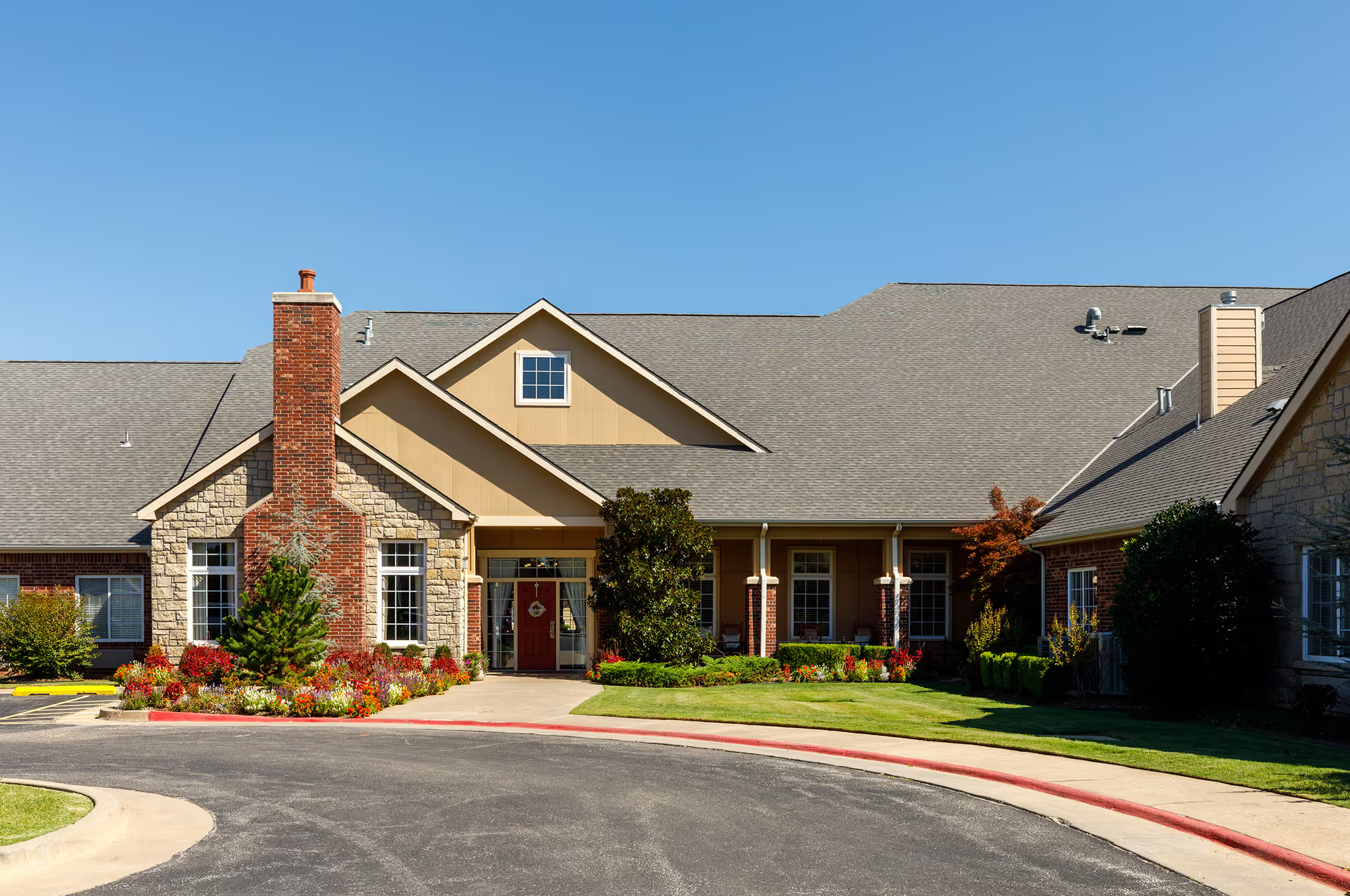
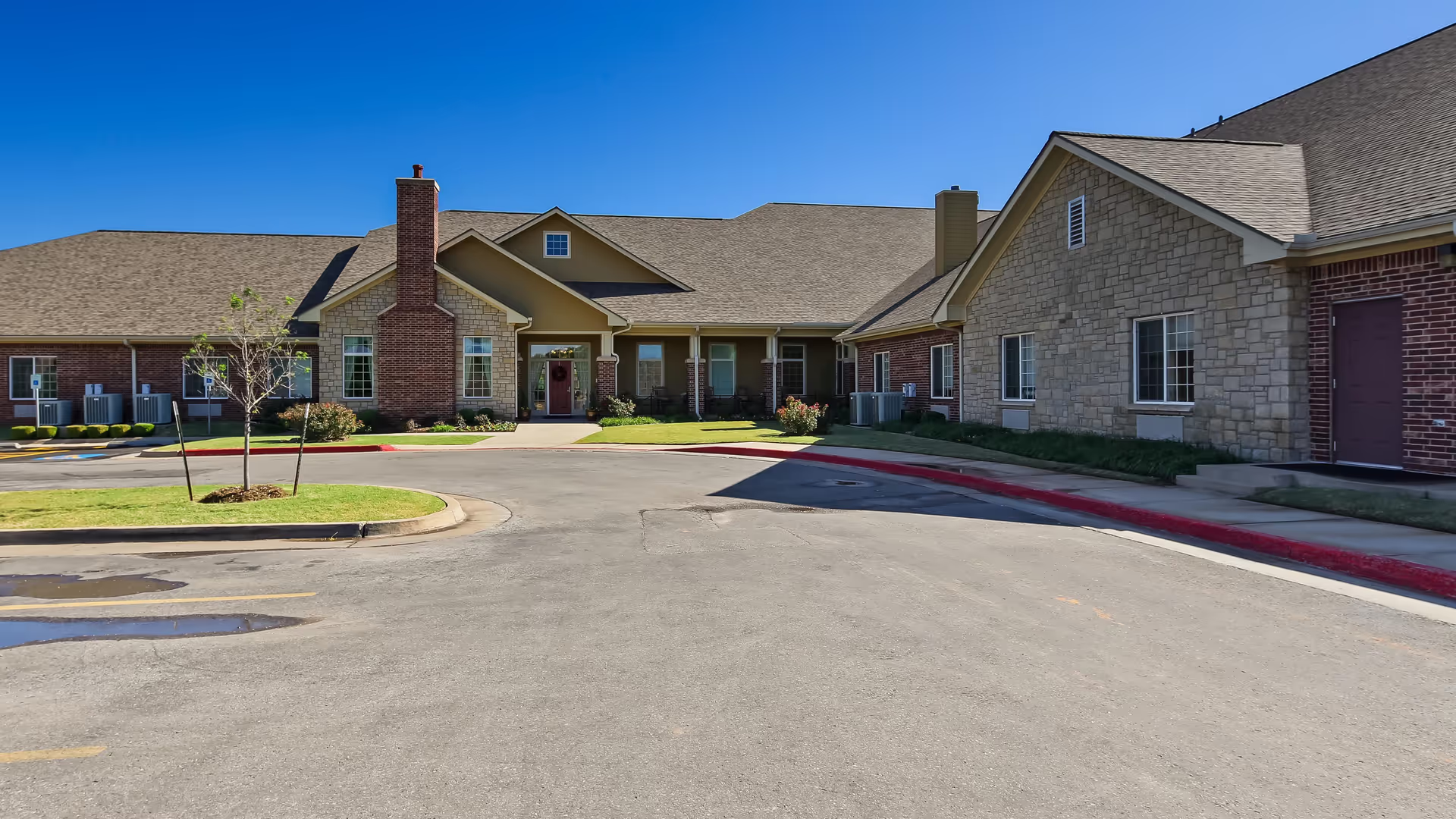
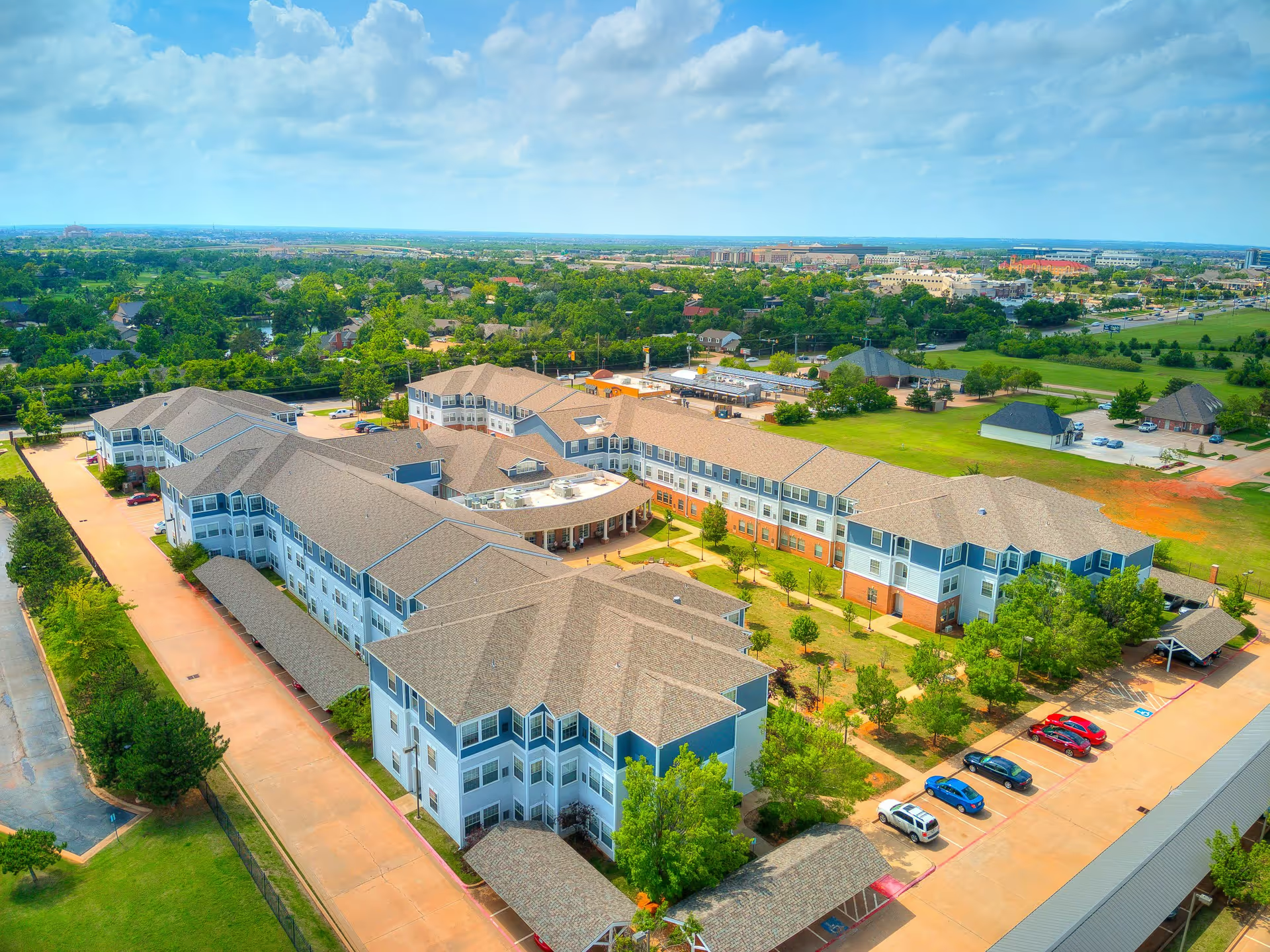
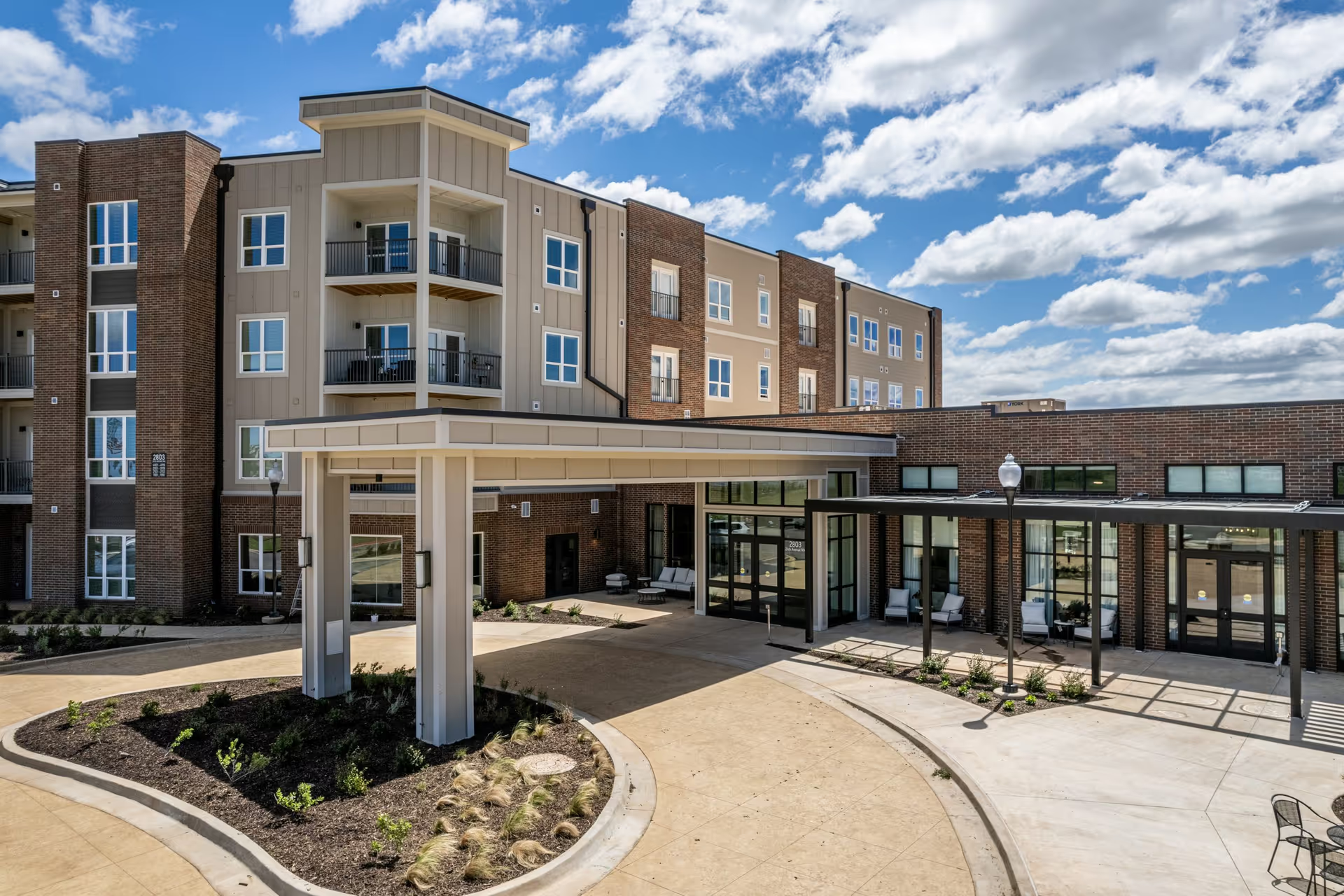
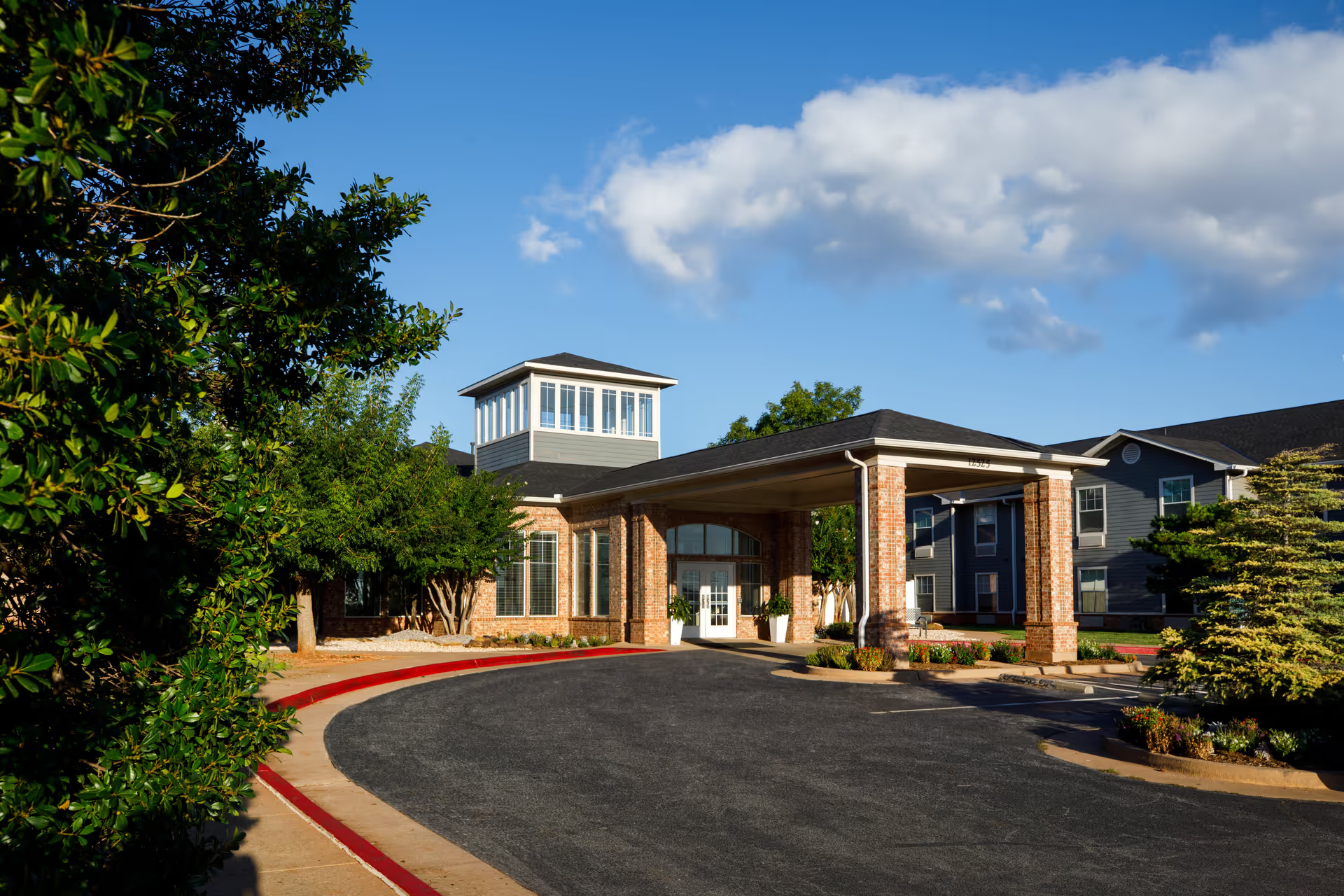
Overall impression: Reviews present a predominantly positive view of Sand Sage of the Highlands, with frequent praise for the staff’s demeanor, facility upkeep, and the community’s small, home-like character. Families and residents commonly describe attentive, compassionate caregivers and leadership that facilitate smooth transitions, personalized attention, and active family engagement. The facility’s appearance — bright common areas, clean rooms, and well-kept grounds — is repeatedly noted as a strength.
Care and clinical oversight: Clinical leadership and individualized medication management receive strong positive mention in many accounts; specific staff members and the wellness/nursing leadership are described as proactive and effective, including timely referral to outside specialists when appropriate. At the same time, there are recurring concerns about consistency in pain control and medication handling. Reviewers describe occasional inconsistencies in clinical follow-through, which suggests variability in practice that prospective families should discuss during a tour.
Staffing and responsiveness: The staff culture is a clear asset — reviewers highlight friendliness, warmth, and a family-like atmosphere, with caregivers who go beyond basic duties. However, staffing continuity is an operational weakness in several accounts: turnover and intermittent staffing gaps (notably late night) are mentioned, along with delayed responses to resident call systems. Those patterns create uneven experiences for families who expect consistent availability of direct-care staff overnight or during peak demand.
Dining and activities: Dining is generally viewed positively, with multiple references to varied menus, scratch-made items, and appealing baked goods. A minority of comments note variability in quality and some issues with seasoning. The activities program is broad and active — choir, crafts, bingo, exercise, devotional services, family nights, and social events are regular features — but activity fit is uneven for residents at different cognitive or functional levels. Memory-care programming is described as comforting in some accounts but insufficiently tailored to certain residents in others, indicating inconsistency in program matching.
Facilities and maintenance: The community’s physical plant is commonly described as bright, clean, and welcoming, with private rooms and multiple dining options. Some residents and families flagged room-size limitations for certain unit types and incomplete maintenance tasks (for example, unfinished carpet replacement). Also, a number of reviews raise sanitation and odor concerns in specific rooms, which points to localized incontinence-care or housekeeping gaps rather than a universal facility condition.
Management and communication: Leadership receives positive mention for being supportive and communicative; families cite efficient move-ins, helpful directors, and staff who provide progress updates. Nevertheless, patterns of turnover and occasional maintenance delays imply opportunities for stronger operational follow-through. Prospective families may wish to clarify staffing ratios, night coverage, medication/pain-management protocols, and housekeeping standards during their evaluation.
Notable patterns and practical takeaway: The dominant strengths are the caring staff, small-community feel, active programming, and generally well-maintained environment. Recurrent operational concerns focus on staffing consistency (especially overnight), responsiveness to call systems, variability in medication and pain management, and localized sanitation/odor issues. These mixed findings suggest that while Sand Sage of the Highlands offers a warm, engaged community with many programmatic and clinical strengths, prospective residents and families should verify current staffing patterns, review housekeeping and incontinence-care procedures, and confirm that memory-care activities match the prospective resident’s level and needs before committing.