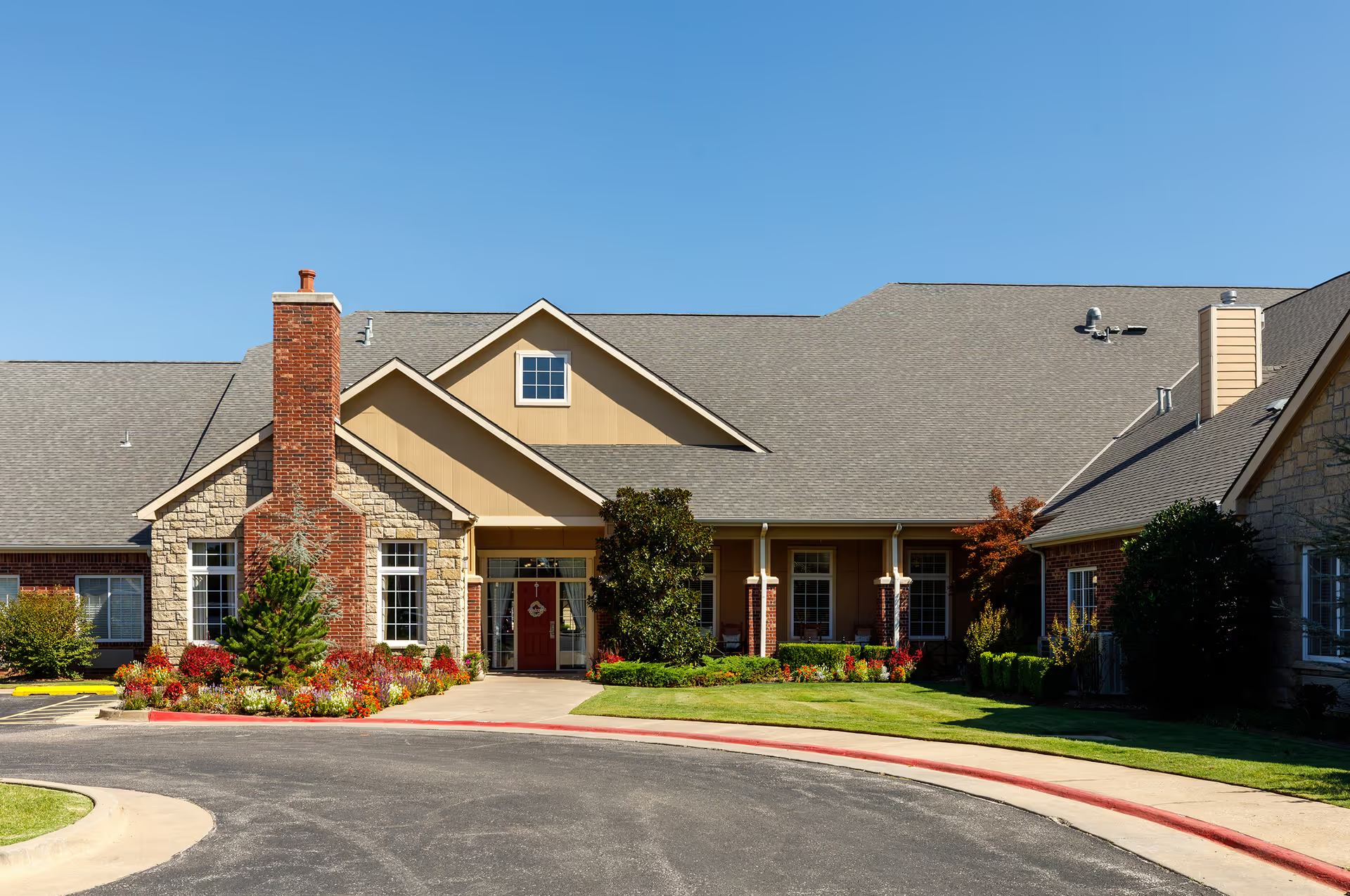
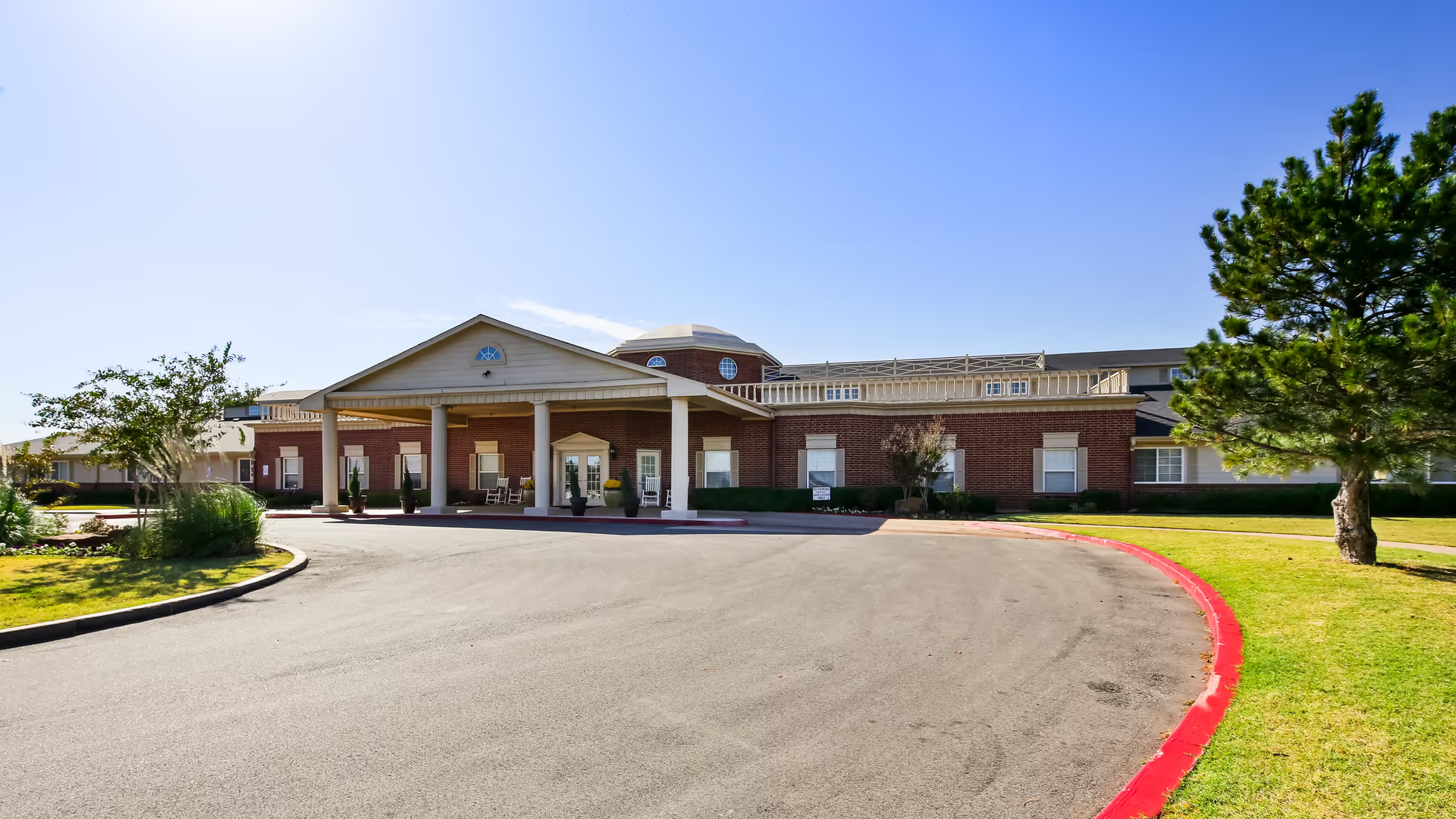
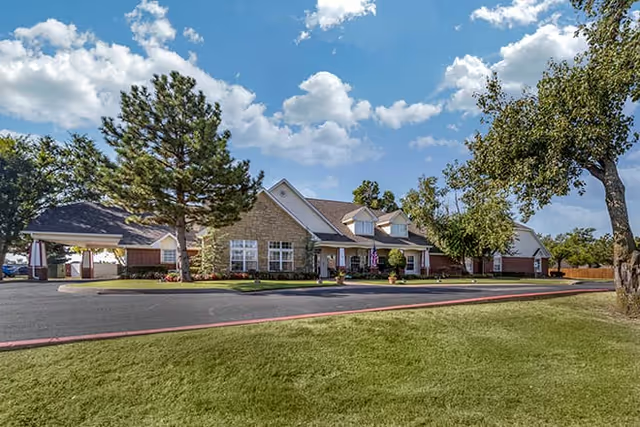
Overall impression: Reviewers portray the facility as a small, home-like community with many strengths in direct caregiving, dining, and resident relations. Families frequently praised staff for being caring, attentive, and personally engaged with residents; many described long-standing bonds between caregivers and residents and a culture in which staff treat care as more than a job. The community’s size and layout are viewed positively by those seeking a quieter, less institutional setting.
Care and staffing: Clinical and hands-on care is generally described as attentive and individualized. Reviewers cited assistance with bathing and mobility, timely medication administration, and staff who respond quickly to needs. At the same time, recurring operational issues emerged: understaffing and staff turnover were noted as stressors that can affect service consistency and response times. A small number of reviews raised serious allegations about staff conduct and management handling of personnel matters; these indicate the importance of verifying current staffing levels, supervision practices, and grievance processes during a tour.
Dining and activities: Dining is a clear strength for many families. The facility’s kitchen is praised for chef-prepared, from-scratch meals, daily choices, desserts, and a willingness to adapt to preferences and dietary needs; several reviewers reported improved appetites after moving in. That said, reviewers also described occasional variability in food quality and one-off service interruptions (e.g., kitchen staff shortages or single bad meals). Activity programming is described positively when present — bingo, games, puzzles, family nights, and a dedicated director of celebrations were highlighted — but some reviewers characterized the schedule as limited or unevenly vibrant, and dementia-specific engagement was described as less robust by a few families.
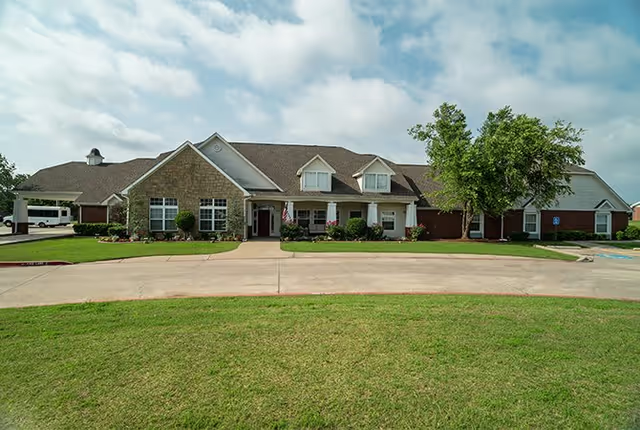
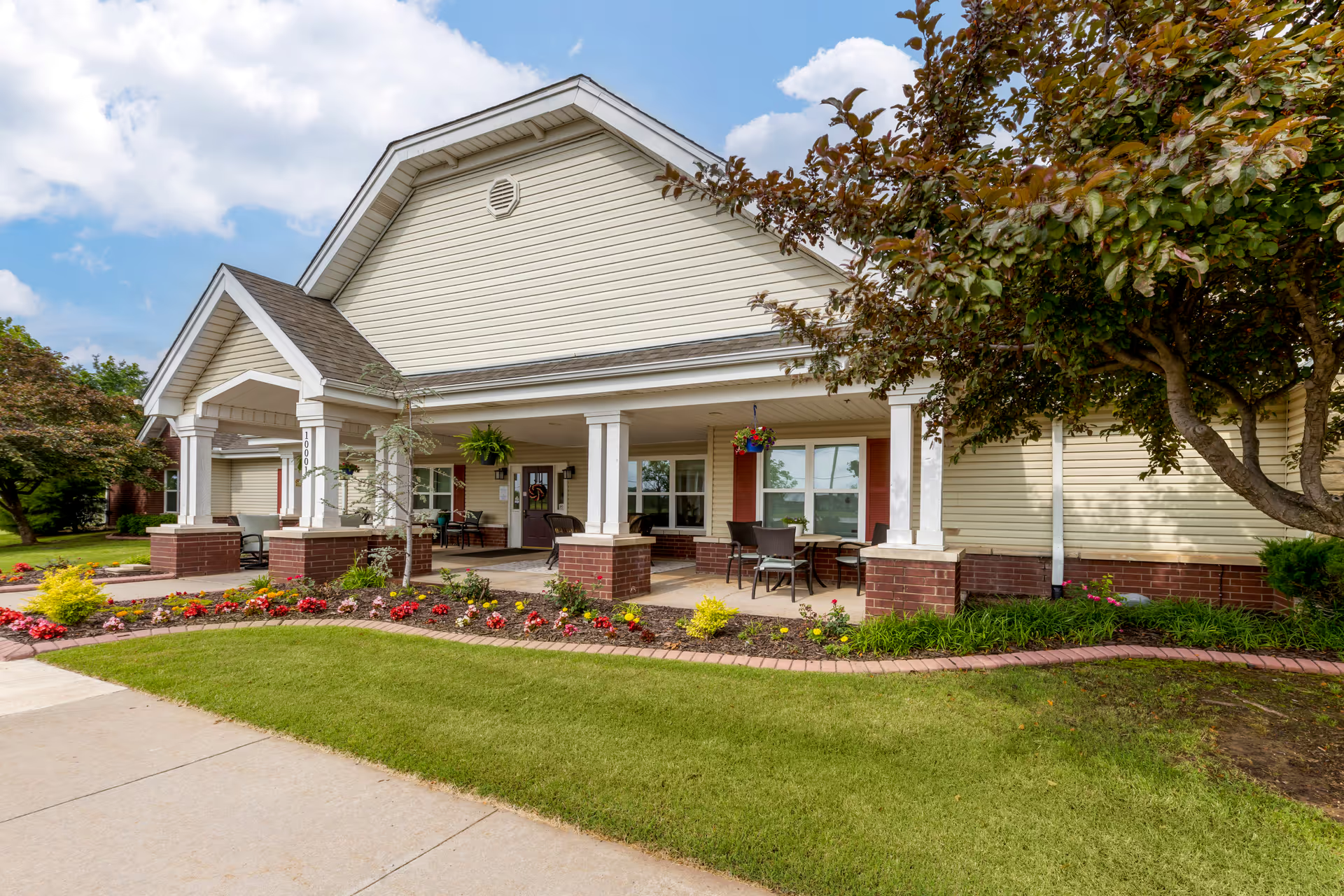
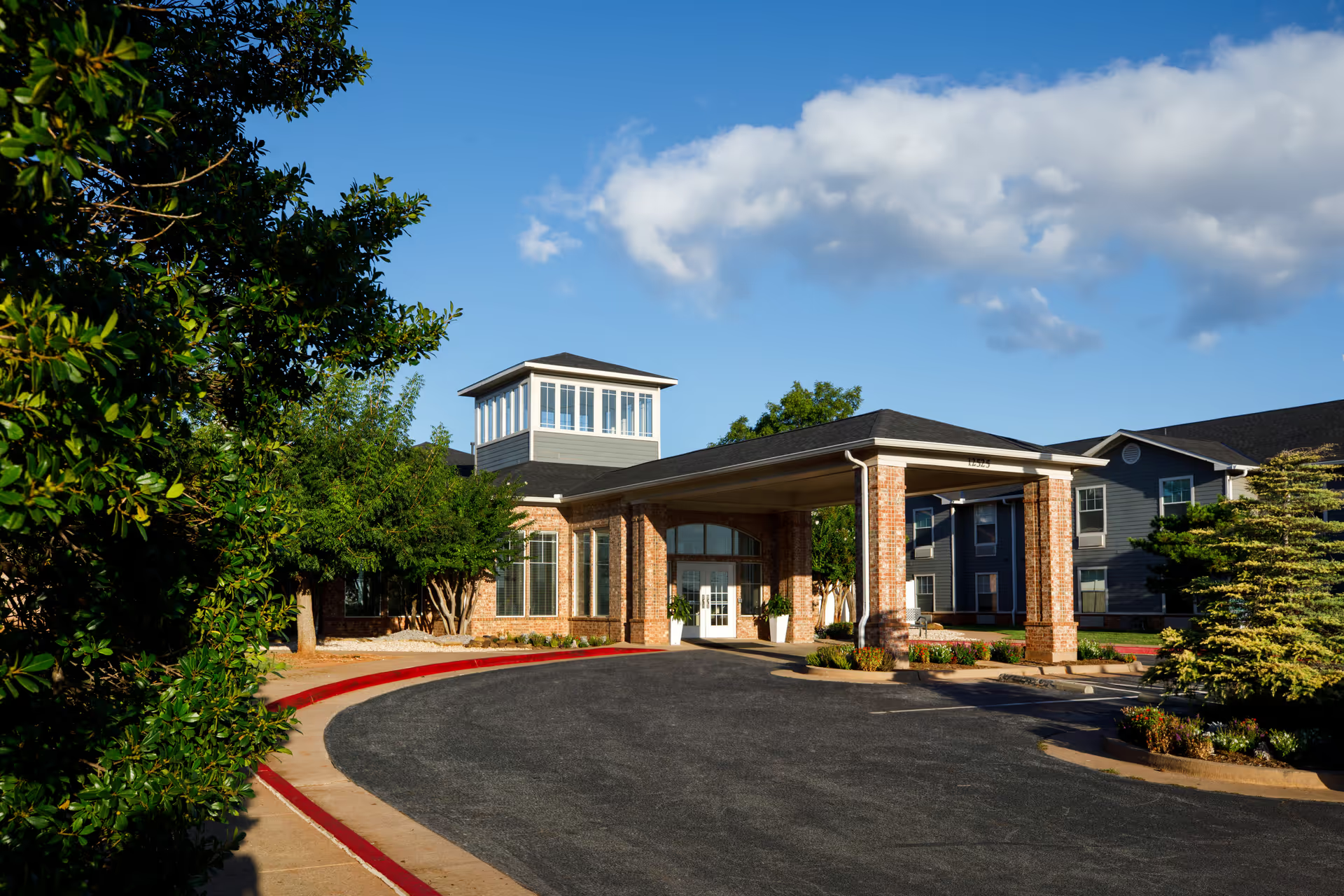
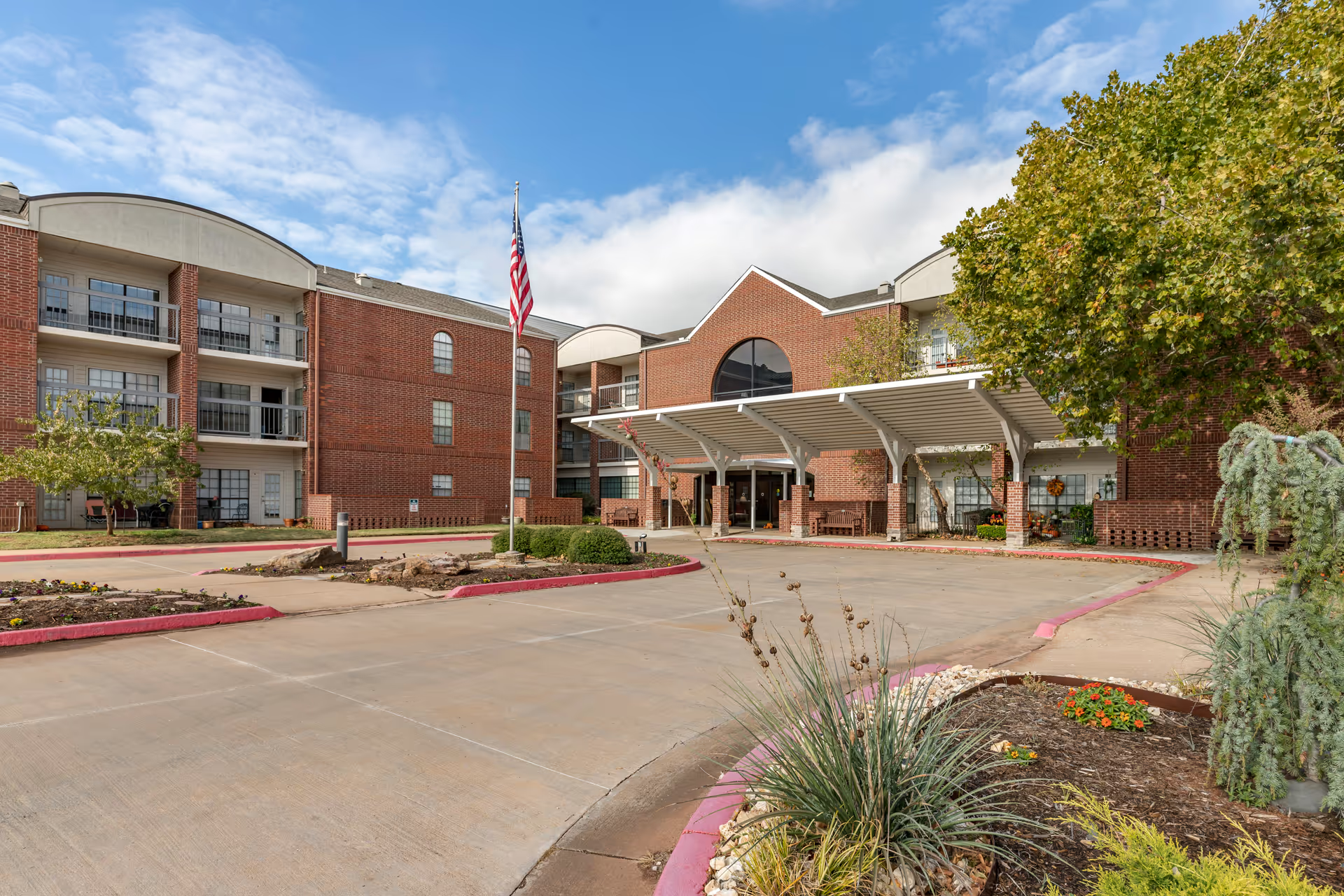
Facilities and environment: The building’s small scale, cleanliness, and homey décor are repeatedly noted. Rooms are generally well furnished and the community offers amenities such as a beauty salon, courtyard, and secure entry. Common criticisms concern the compact size of some apartments, older fixtures (bathroom/closet doors), and occasional odor issues in parts of the community. The neighborhood and location drew mixed comments, so prospective families should assess proximity and surrounding area relative to their needs.
Management and operations: Experiences with administration are mixed. Several reviewers praised approachable directors and responsive managers who solved problems quickly; others described disorganized move-in processes, difficulty reaching administrative or nursing staff at times, and inconsistent communication about appointments, pharmacy or cable setup. A small but significant number of reviews mentioned billing and contract disputes, including aggressive collection communications; prospective residents should review contract language and billing practices carefully. Technical support and some facility systems (e.g., TV mounting, cable, or other tech services) were also mentioned as inconsistent.
Bottom line and recommendations: Morada Midwest City appears to offer strong, person-focused caregiving, appealing dining, and a small, family-like atmosphere that many families find reassuring. However, operational variability — particularly around staffing levels, administration/communication, meal-service continuity, and contract/billing practices — surfaced often enough that families should investigate these areas directly. Recommended pre-move questions and checks include current staffing ratios and turnover, examples of dementia-programming, a sample menu or meal, recent inspection or complaint history, how move-in logistics are handled, and clear contract/billing terms. For those prioritizing individualized attention and a small community, this facility may be a good fit if the operational concerns above are addressed to the family’s satisfaction.