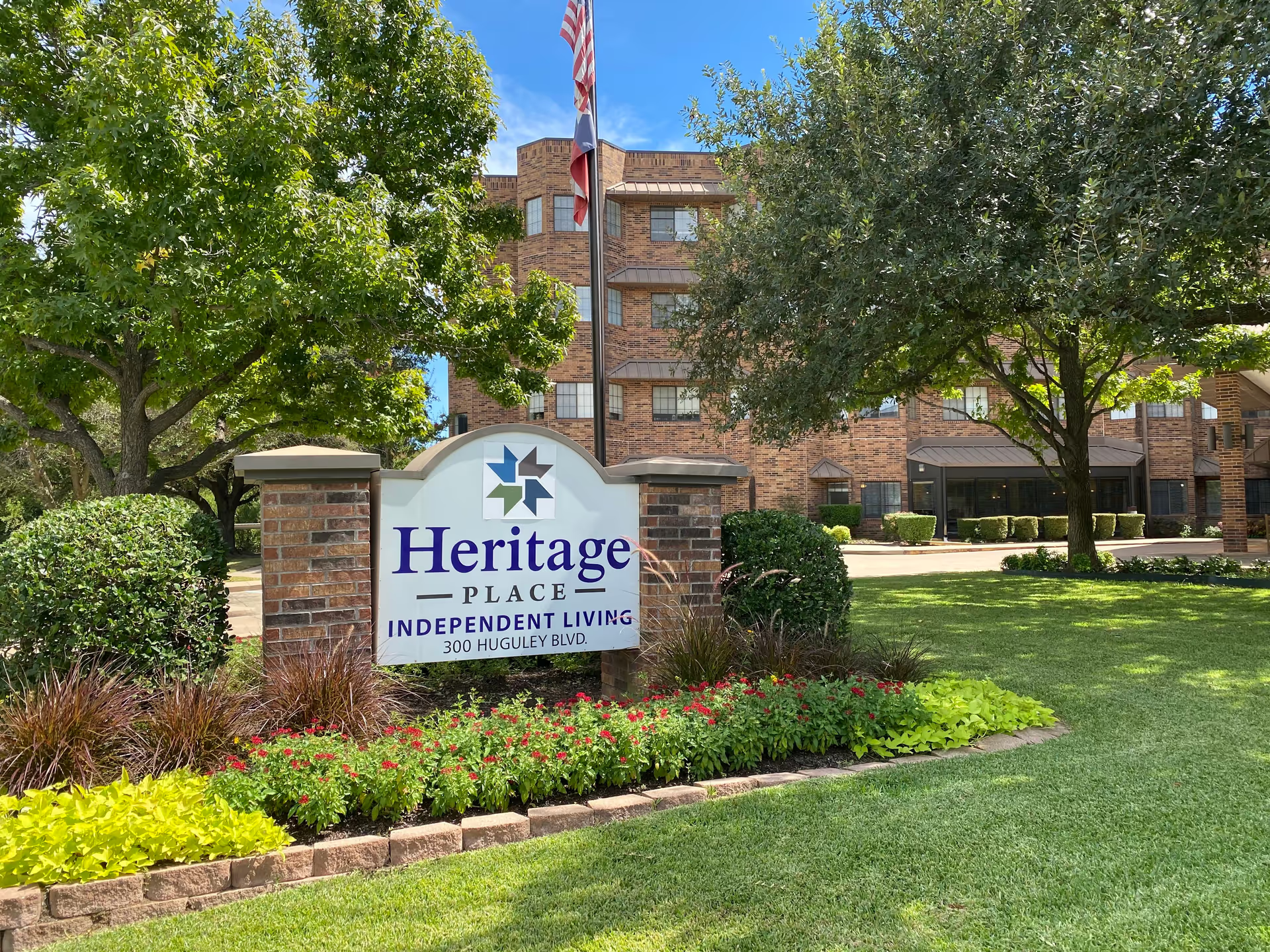
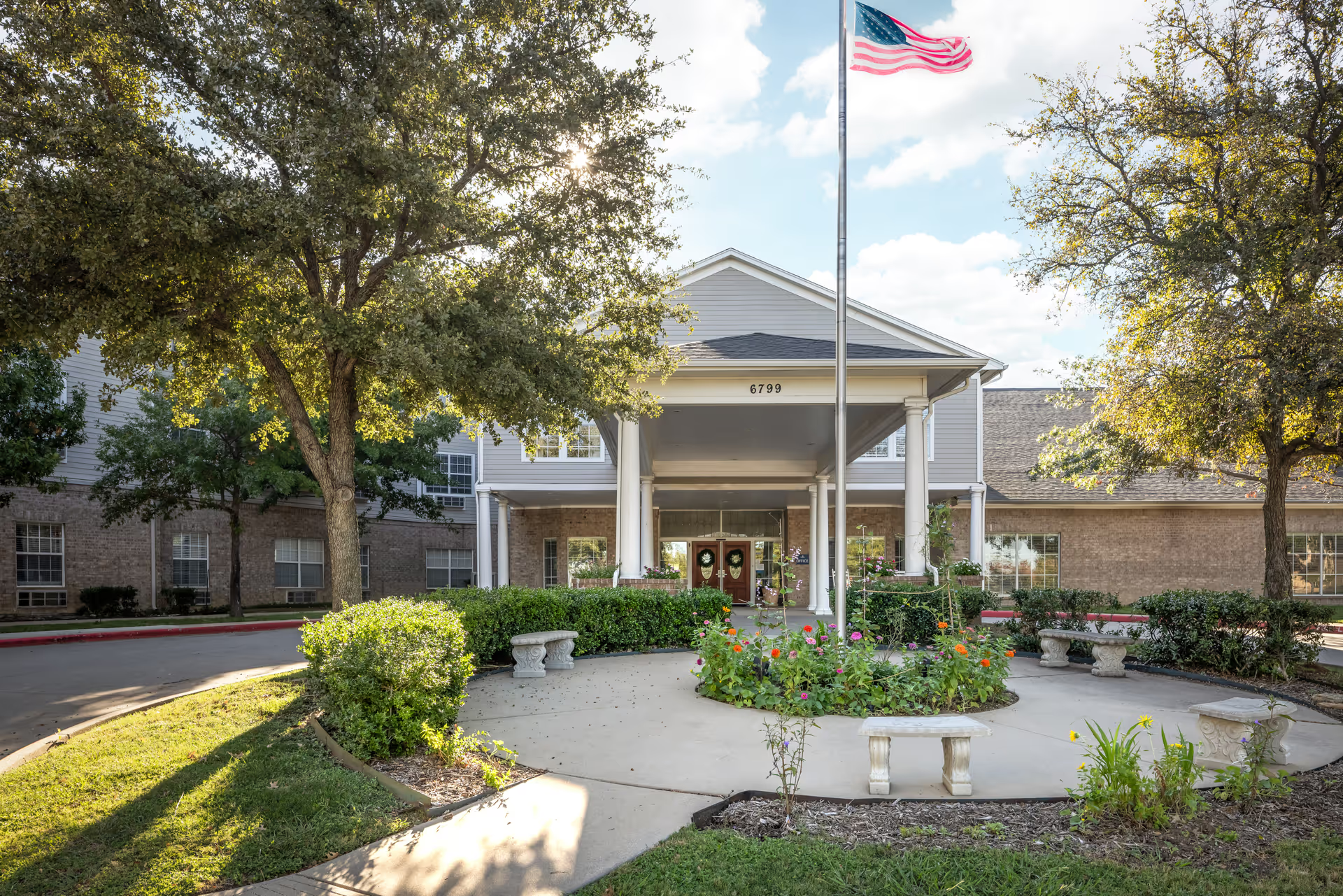
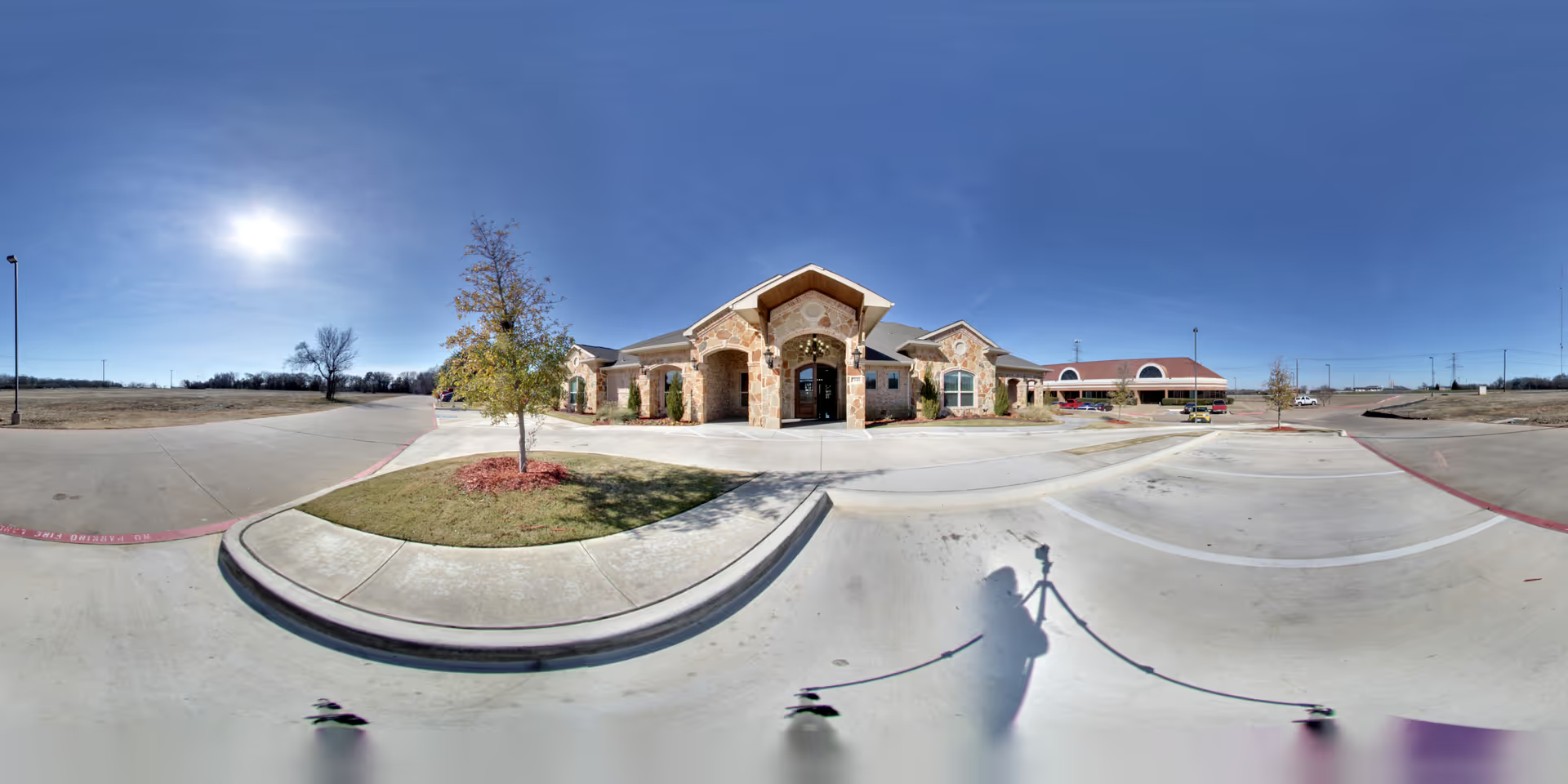
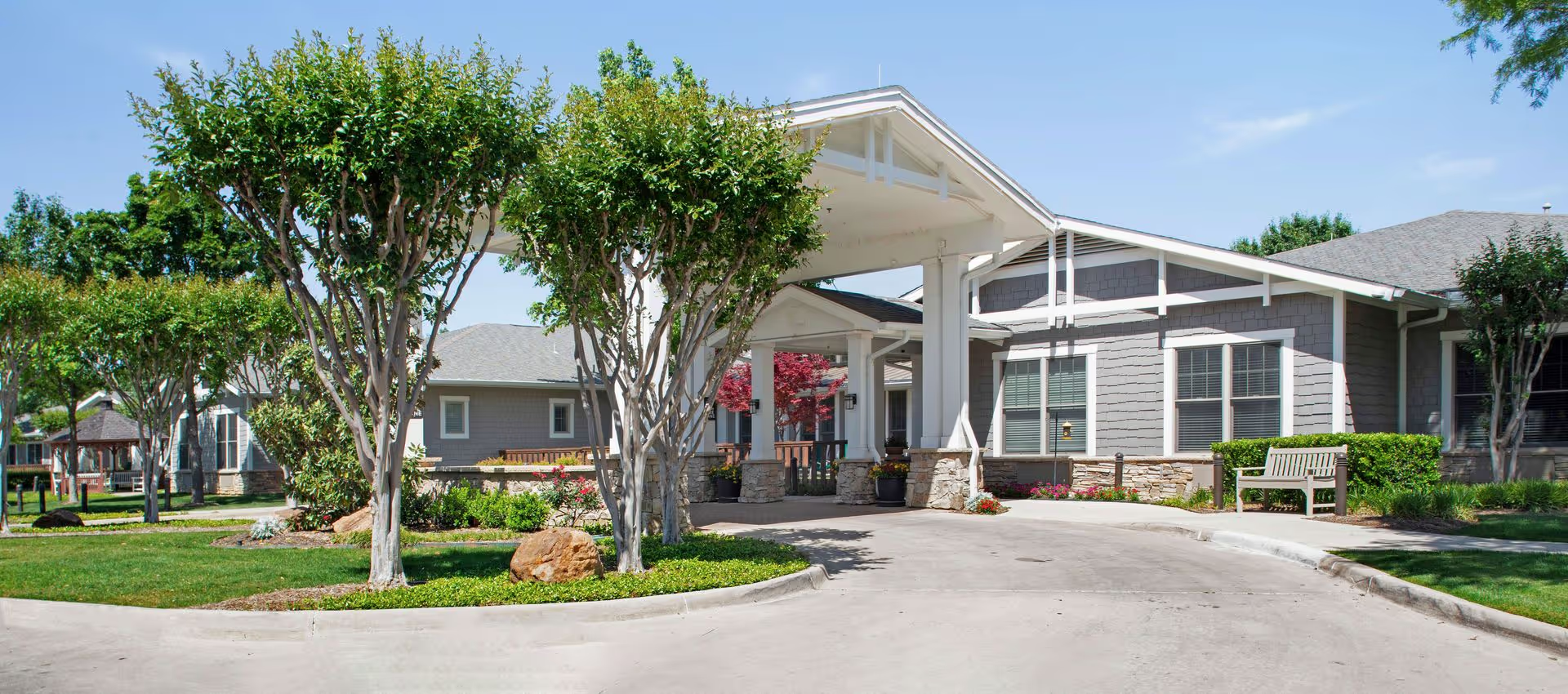
Heritage Place presents a mixed but clear profile: many families and visitors praise the caregiving staff, memory-care programming, and an active calendar of social and recreational activities, while operational and management issues recur as cross-cutting concerns. The property itself is frequently described as attractive and well maintained, with pleasant outdoor spaces, a courtyard suitable for outdoor dining, varied apartment types (including larger two‑bed units), and amenities such as full-size refrigerators, onsite salon services, and transportation for local outings.
Care quality is a prominent strength in the reviews. Numerous comments highlight compassionate, resident-centered aides and memory-care teams who create a family-like atmosphere, lead engaging programs, and provide individualized attention (including periodic night checks and director-led events). The memory-care unit is often singled out as well-staffed clinically and effective at social engagement; staff members receive specific praise for going above and beyond and for supporting families through transitions.
At the same time, staffing and leadership stability are recurring operational weaknesses. Reviews describe high caregiver turnover, frequent executive-director changes, and periods of understaffing that affect response times and dining-room service. These staffing pressures are linked in several accounts to inconsistent caregiver assignments, longer waits for assistance, and variability in the day-to-day resident experience.
Dining and housekeeping receive mixed assessments. The community offers restaurant-style dining and several reviewers were pleased with meals and presentation; others noted inconsistent food quality, reheated or poorly prepared entrées, and slow service when dining staff are short. Housekeeping and laundry are similarly uneven: common areas and many apartments are described as clean and orderly, but there are repeated mentions of laundry delays, missing or misplaced personal items, and sporadic sanitation or pest-control concerns in some areas.
Clinical operations and family communication show important variability. Some families report good clinical oversight and reliable medication management, while others describe medication-administration gaps, difficulty obtaining pharmacy substitutions, and limitations in promised clinical services (for example, insulin administration or around-the-clock nursing availability). Communication with families can range from proactive and helpful to slow or inconsistent; billing and contract practices (nonrefundable deposits, move-out billing, and delays in refunds) were identified as an area to review carefully before move-in.
Activities and resident life are clear strengths: regular programming (bingo, music therapy, painting, games), special events, and frequent outings contribute to social engagement for many residents. The facility’s layout, landscaping, and communal spaces support these activities, though some new residents find the floor plan confusing and should be prepared for orientation time.
For prospective residents and families: Heritage Place offers strong social and memory-care programming within a well-appointed setting and is staffed by many caregivers who are described as attentive and compassionate. At the same time, families should directly assess current staffing levels and turnover, clarify clinical-service commitments (nursing coverage and medication procedures), review laundry/property-handling practices, and examine contract terms about deposits and refunds. A focused tour that asks about staffing ratios, dining staffing plans, medication protocols, and recent management changes will help determine whether the facility’s strengths align with a specific resident’s clinical and personal needs.