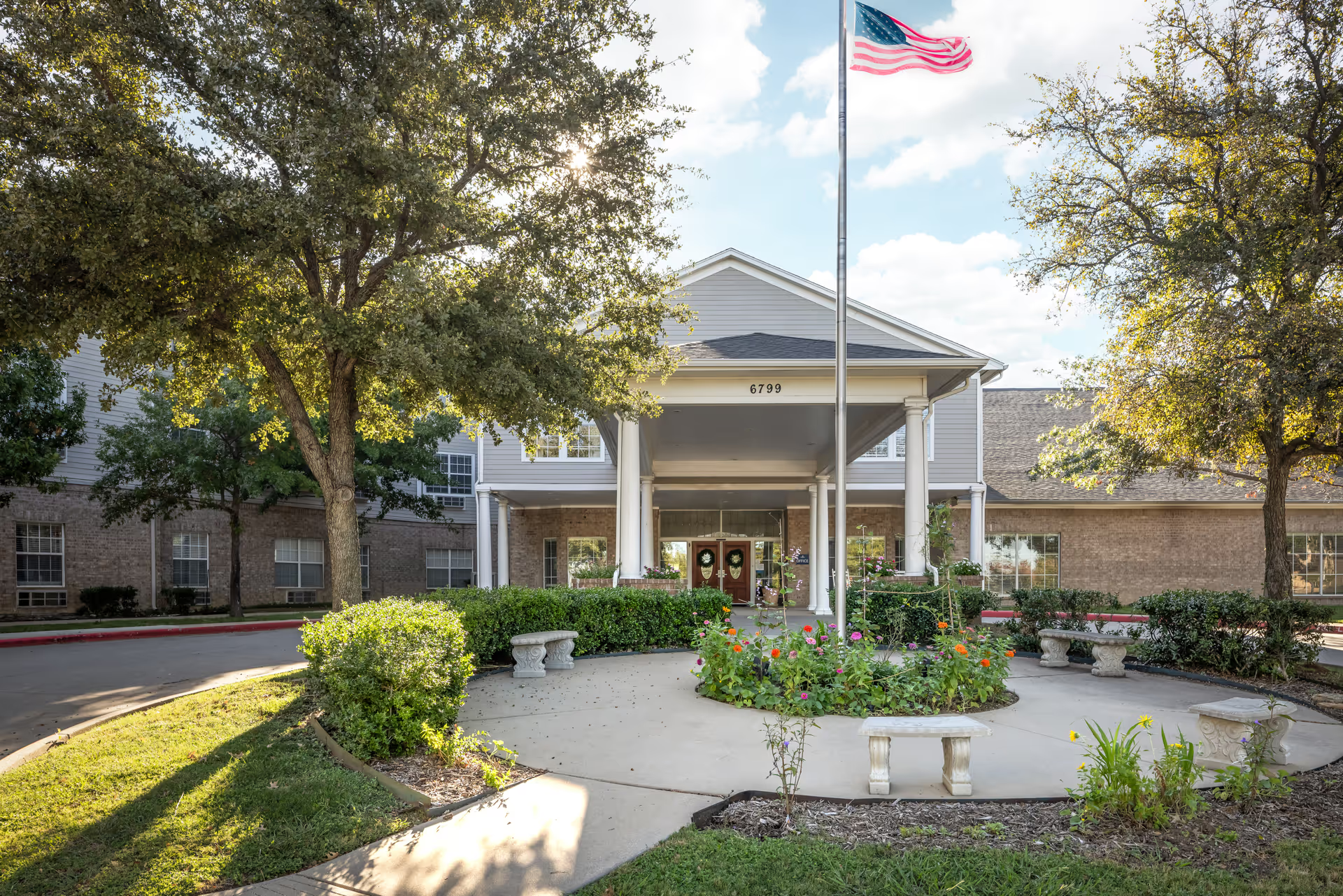
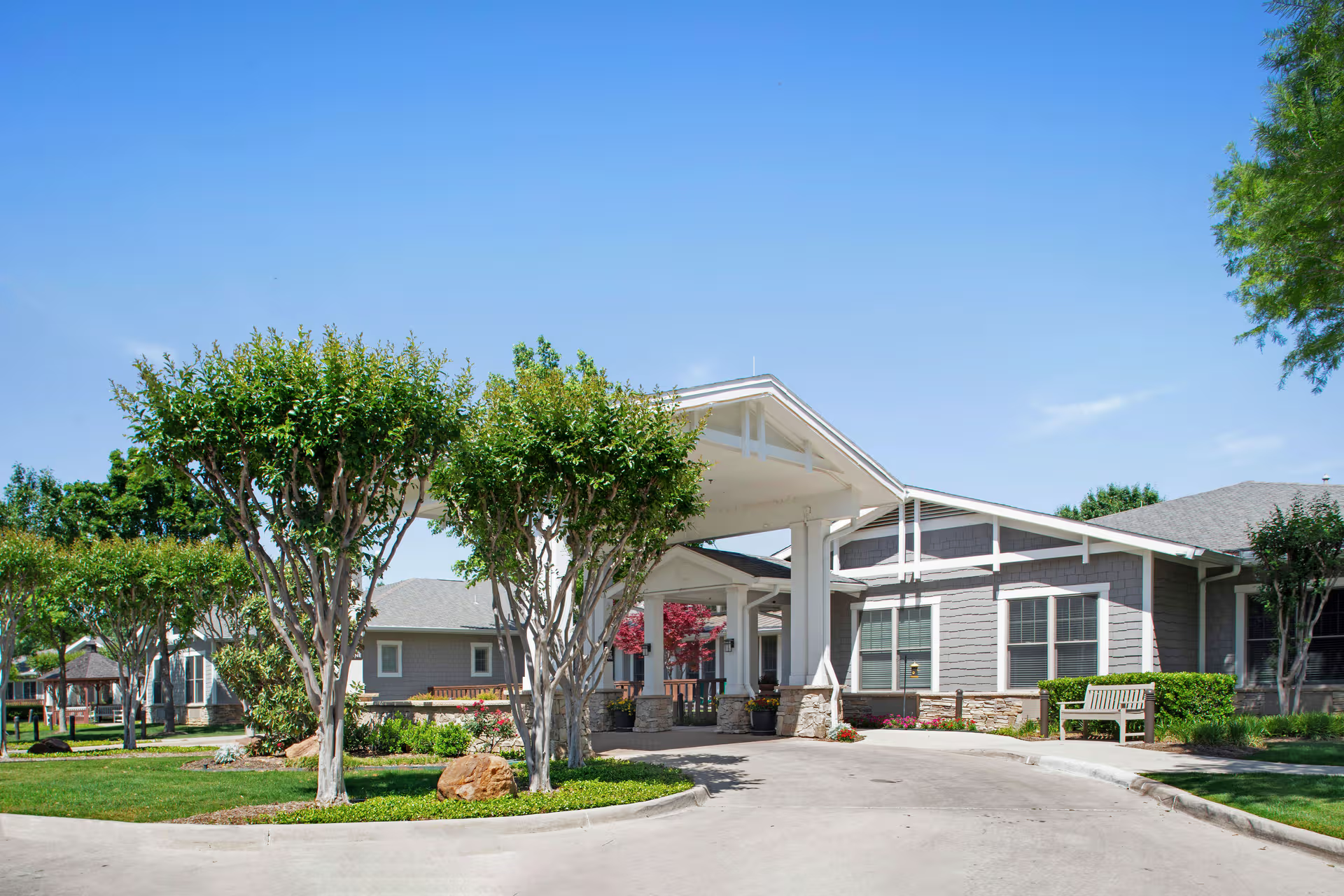
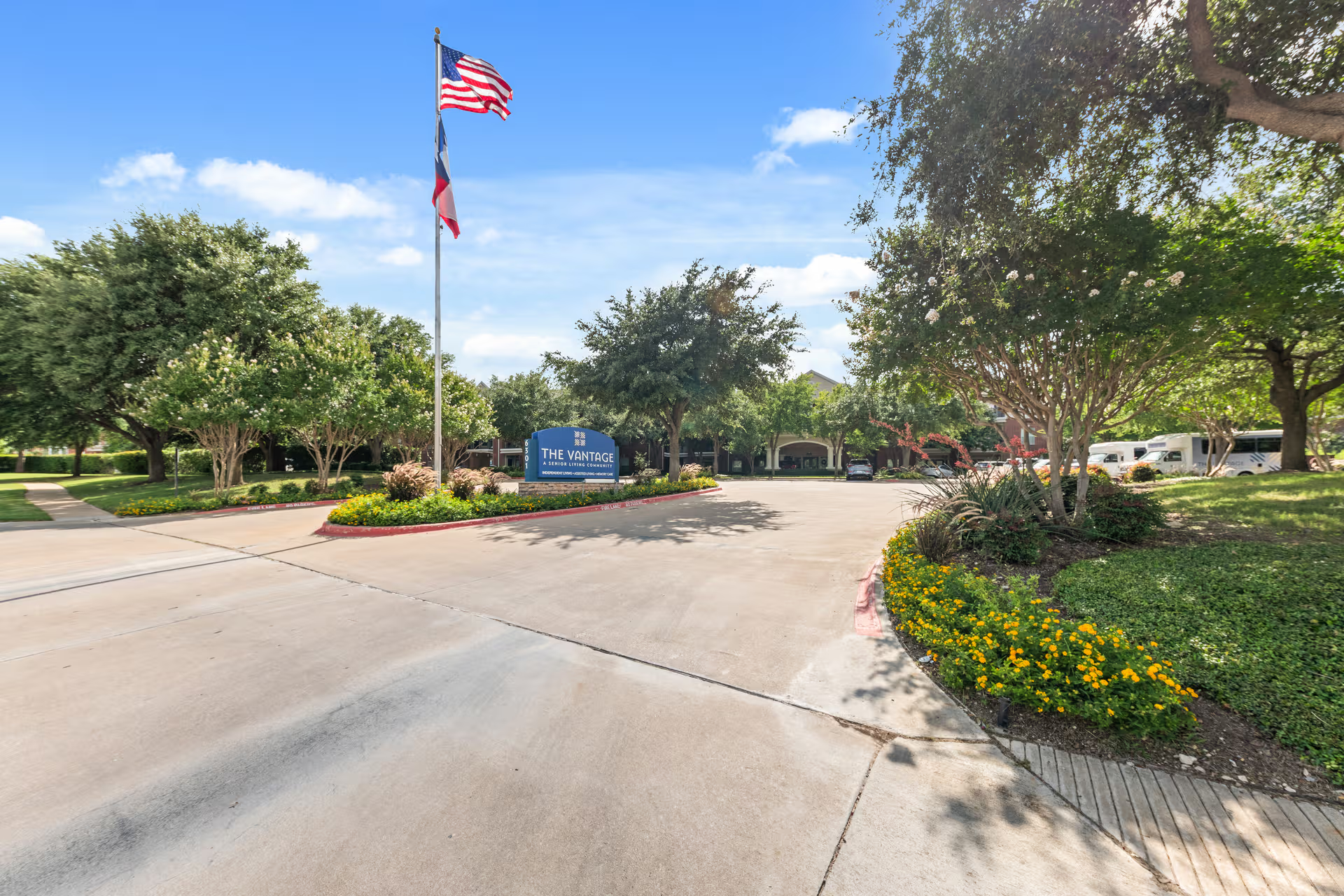
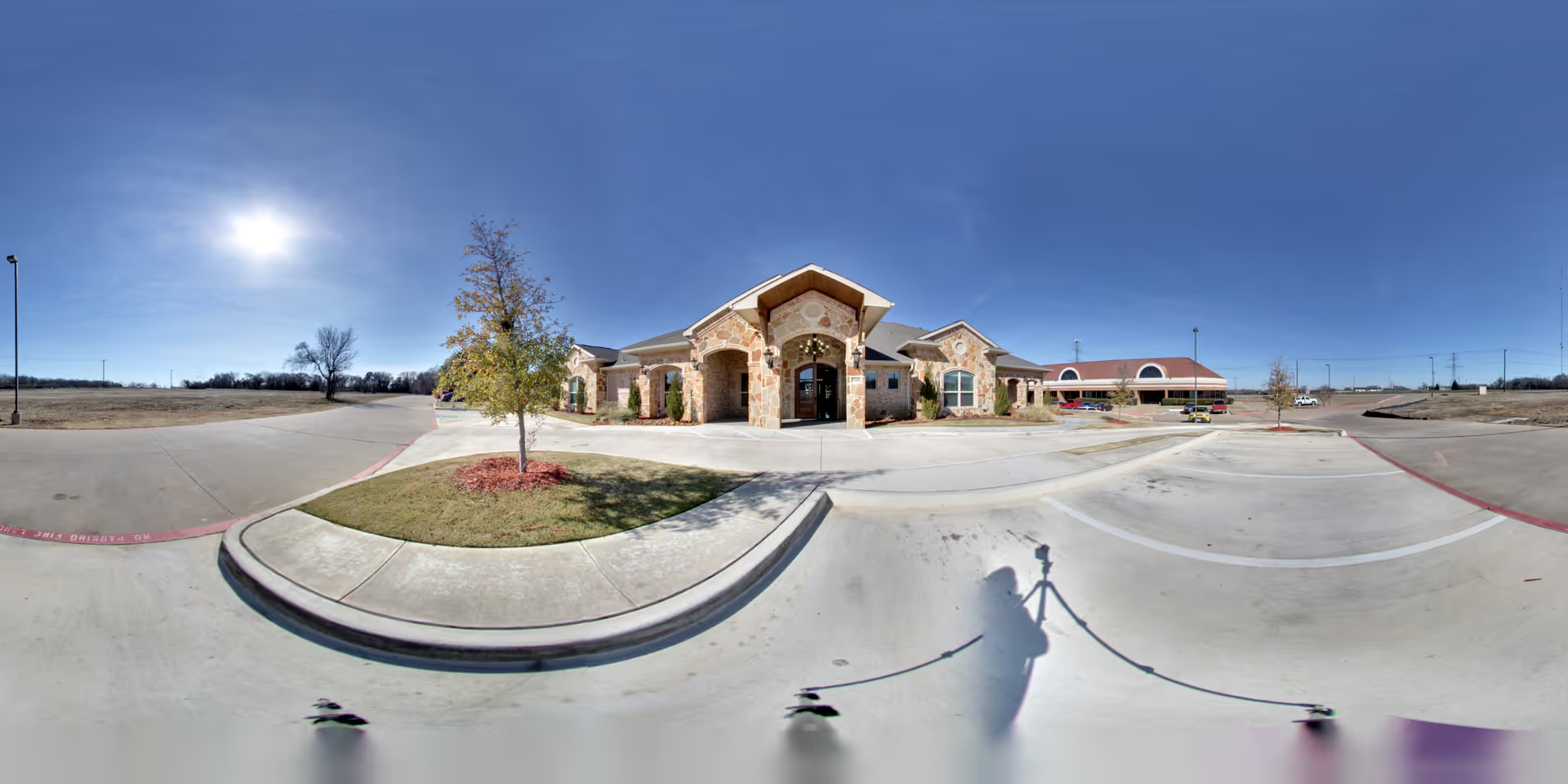
Morada Burleson elicits strongly mixed but specific impressions: many families and visitors praise the staff as friendly, caring and engaged, and the community offers a range of communal amenities such as church services, bingo, outings, beauty salon, on-site laundry, courtyards and a restaurant-style dining room. Common-area cleanliness, accessible apartment layouts (including larger bathrooms), and a single-floor design are frequently cited as practical advantages for residents with mobility limitations. Several accounts also highlight effective clinical support when available, including hospice collaboration and timely medication administration under some leadership teams.
At the same time, there is a recurring theme of operational inconsistency. Staffing levels and turnover are a frequent concern, and reviewers describe how those gaps translate into delays for personal care tasks and bathing schedules, variable activity offerings, and uneven housekeeping in residents' private rooms. Clinical preparedness and equipment availability for safe transfers have also been questioned; these are operational issues that could affect residents who require increased hands-on support. Management reliability and communication show wide variability: some families commend open-door directors and responsive leadership, while others report difficulties getting timely updates, contract disputes, or perceived unprofessionalism in office staff.
Dining and food service accounts are notably mixed. Several reviewers describe good meals, delivered-room options, and improvements under new kitchen leadership, while others report inconsistent menus, small portions, and episodes of poor meal quality that contributed to dissatisfaction. Activity programming similarly ranges from vibrant and varied — church, shopping trips, entertainers and therapy visits — to limited offerings for residents who are less mobile or less engaged. This suggests that resident experience can depend substantially on staffing, activity-direction resources, and leadership priorities at a given time.
Facility condition and policy issues are also variable. Many describe a clean, welcoming community with pleasant grounds and personalized resident touches (veterans’ recognition, door nooks), but others note aging decor, cosmetic maintenance needs, stained carpeting and occasional cleanliness issues in dining areas. Reviewers raised concerns about inconsistent policy enforcement on campus, which includes how smoking areas and other behavioral issues are managed. Finally, cost/value perceptions differ: some families find the pricing reasonable given the level of care and amenities, while others consider the monthly cost high relative to the consistency of services provided.
In sum, Morada Burleson appears to offer a supportive, home-like environment with strengths in staff warmth, communal amenities and location convenience. Prospective residents and families should plan a focused visit to evaluate current staffing levels, recent leadership changes, dining samples, activity schedules, and the status of room-level housekeeping and maintenance. Because reviews indicate outcomes can vary with leadership and staff continuity, ask about turnover rates, clinical training, equipment for transfers, and how management handles communication and policy enforcement to understand the likely experience for a specific resident.