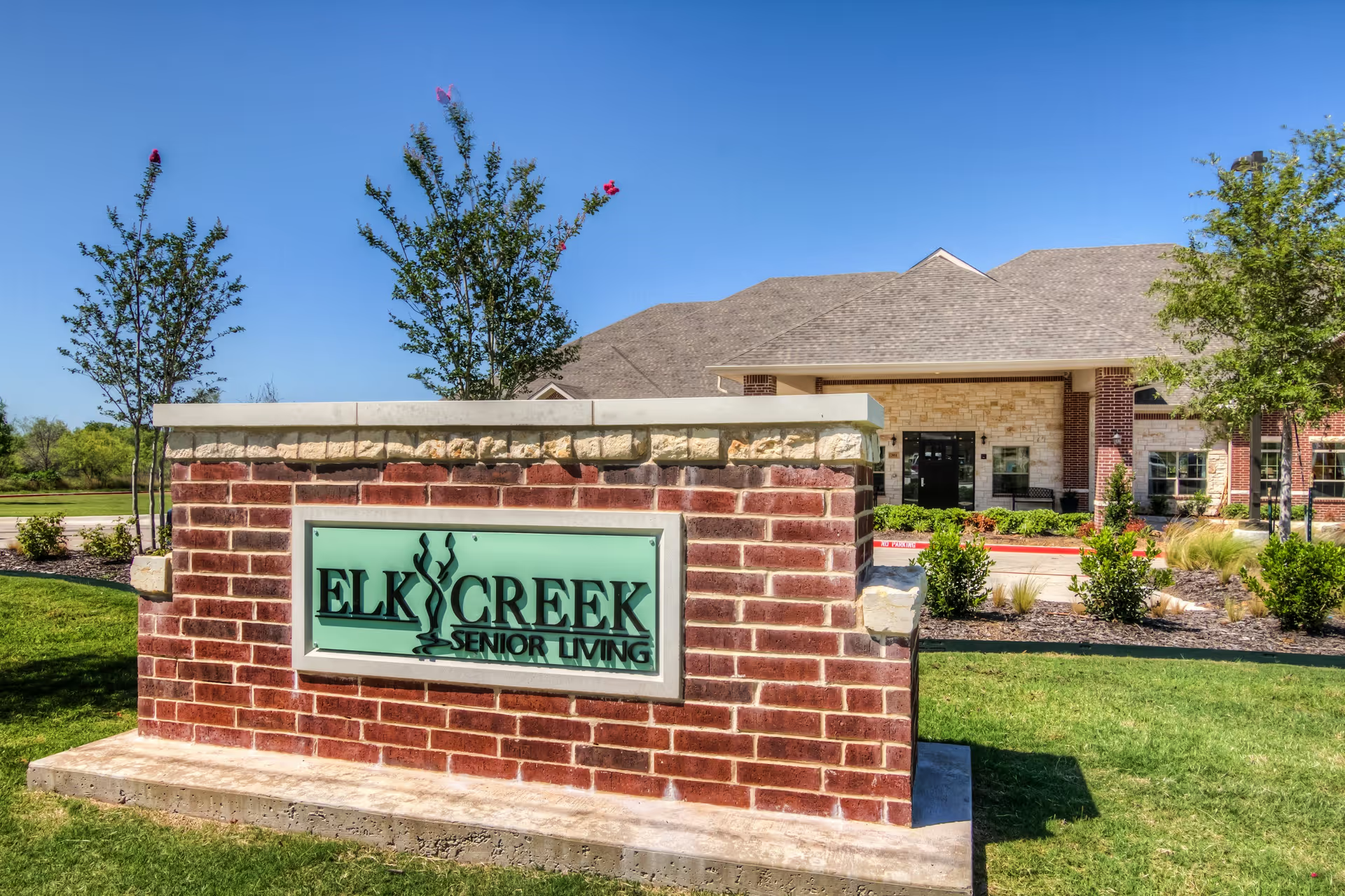
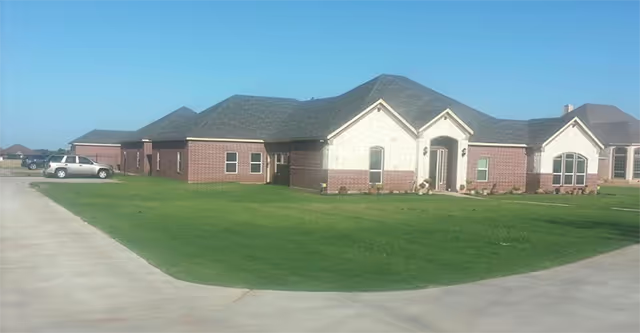
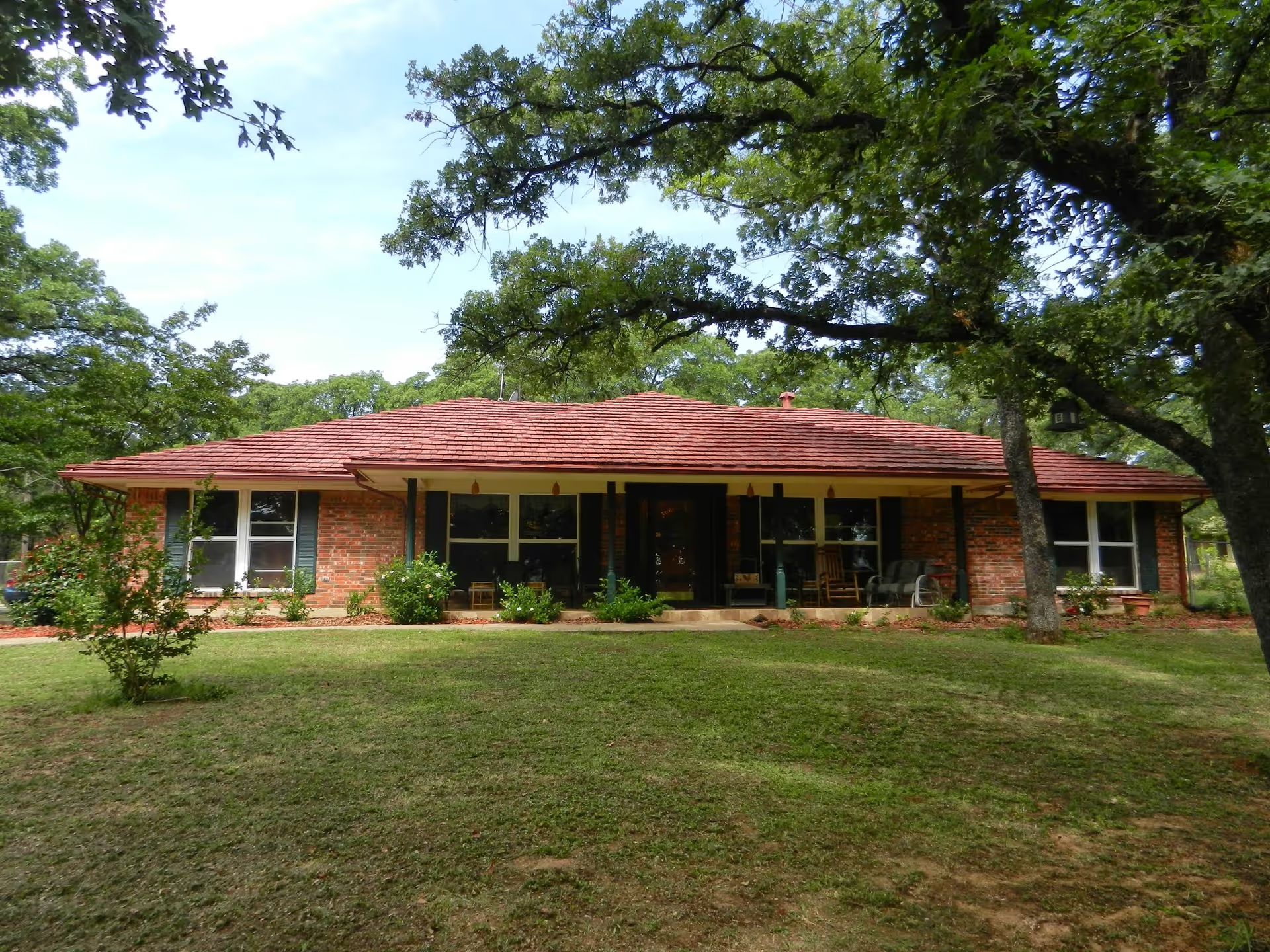
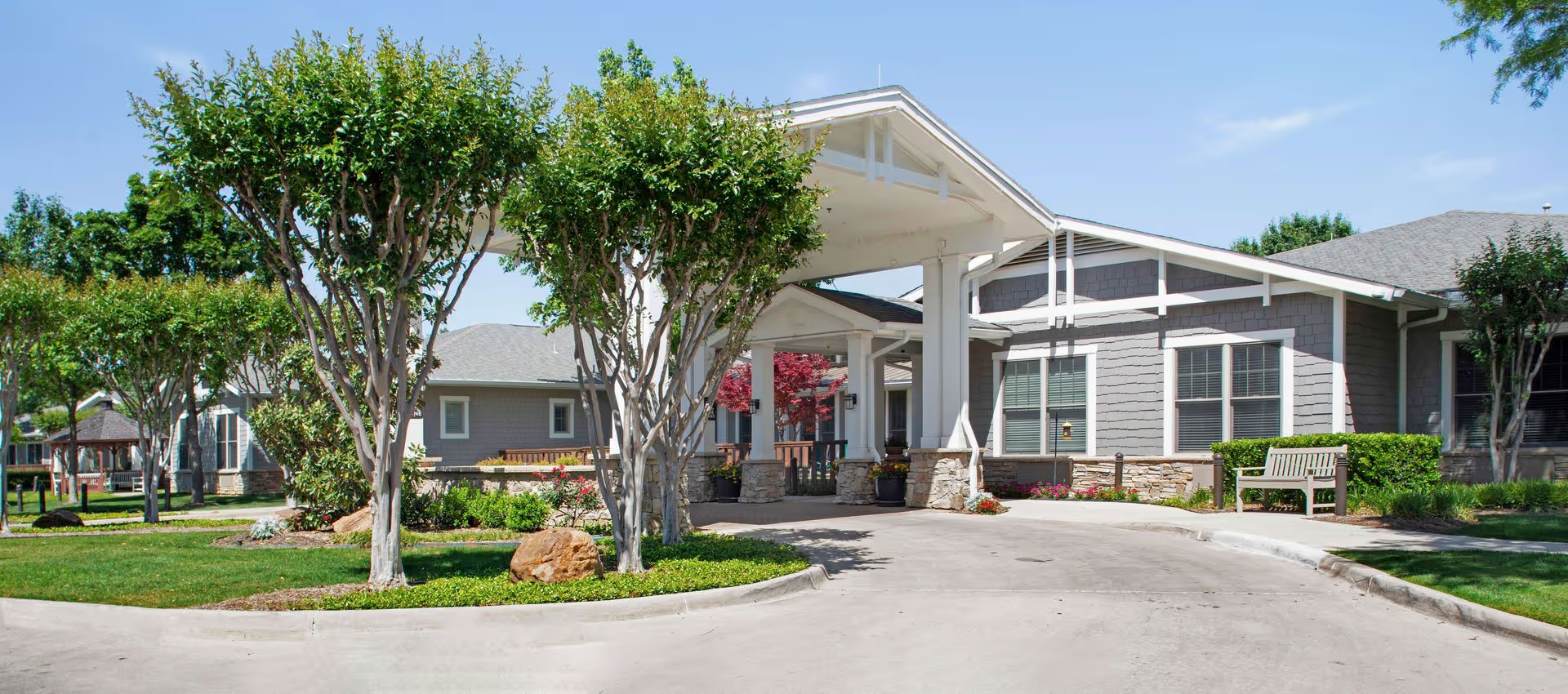
Mustang Creek Estates of Burleson presents a mixed operational profile: the campus design and core concept are repeatedly praised while operational inconsistencies create variability in day-to-day resident experience. The physical environment — small, cottage-style homes with open kitchens, communal dining, and recent renovations — is a strong asset. Many families describe a home-like atmosphere, visible meal preparation, private rooms, and a suite of services such as salon, chaplain support, hospice involvement, and frequent social programming that contribute to resident wellbeing and satisfaction when staffing and management are stable.
Care quality shows a clear split. Daytime caregivers are often described as compassionate and attentive, and families report improvements in appetite, social engagement, and peaceful end-of-life support in many cases. However, recurring operational issues undermine consistency: chronic understaffing and high turnover frequently stretch frontline staff across multiple roles (cooking, laundry, meds, bathing, supervision), which reviewers link to delayed personal care, inconsistent bathing and incontinence routines, and pressure-injury risk. Limited on-site nursing coverage and cited lapses in medication administration and reconciliation raise safety concerns that families should evaluate closely.
Staffing and training dynamics are central to reviewer experience. While individual caregivers and some directors receive positive mention for responsiveness and going above and beyond, many reviews describe workforce instability, low pay/long hours, and insufficient dementia-specific training. These factors are associated with uneven dementia-care competency, inconsistent supervision across afternoon and night shifts, and variability in how memory-care residents are engaged and supervised.
Dining and activities are strengths in many houses but are inconsistent across the campus. The open-kitchen, family-style dining format and fresh, home-cooked menus are frequently appreciated. At the same time, concerns include irregular menu posting, variable portion sizes, occasional reliance on processed items, and limited snack availability. Activity programming — including bingo, outings, pet therapy, and holiday events — is robust in several homes; other units cite reduced engagement due to staffing constraints or the community’s newness.
Facilities are generally described as attractive, recently updated, and thoughtfully designed for small-group living. Nonetheless, reviewers identify maintenance and sanitation variability: outdoor landscaping and some common areas receive less consistent upkeep, call-buzzer batteries and other maintenance items have caused access or safety friction, and a subset of families raised sanitation and pest-control concerns in particular units. Security and property-handling processes were also questioned after instances of missing personal items.
Management and administration show both strengths and weaknesses. Positive reports highlight directors who are communicative, responsive, and effective at transitions. Conversely, frequent leadership changes, inconsistent management responsiveness, and administrative rigidity around contracts and billing have eroded trust for some families. Reviewers also cite gaps in emergency response documentation and family notification practices following incidents, which point to opportunities for clearer protocols and transparency.
Notable patterns: experiences vary widely by house and by shift. Outcomes tend to be best where staffing is stable, training is emphasized, and an engaged director is present. For prospective families, recommended due diligence includes: asking for current staffing ratios by shift, inquiring about dementia and medication-safety training programs, clarifying nursing coverage and emergency protocols, reviewing recent state inspection or pest-control records, and observing or requesting references that reflect care across evenings and weekends. Mustang Creek’s physical design and pricing model offer clear value for many families, but operational inconsistencies mean family visits, specific contract terms, and oversight expectations should be discussed and documented before moving in.