Overall impression: Park Bend Rehabilitation & Healthcare Center elicits strongly mixed feedback from families and residents. A substantial portion of reviewers praise the frontline caregiving and therapy teams for compassionate interactions and measurable rehabilitation gains. At the same time, there are repeated operational concerns — especially around staffing, timeliness of response, sanitation, medication handling, and management communication — that contribute to a polarized pattern of experiences.
Care quality and clinical oversight: Reviewers describe two distinct care patterns. Many families credit nursing, therapy, and aide teams with attentive, personable care, successful physical-therapy outcomes, and meaningful improvement in mobility and function. Occupational therapy receives positive mention in several accounts. Conversely, documented operational weaknesses include inconsistent staffing, delayed call responses, gaps in medication timing and administration, and variability in bathing and personal-care schedules. These issues have been associated with safety events, falls, and urgent-care or hospital transfers in some reports. There are also mentions of delayed emergency transfers and concerns following serious medical events; these are notable and warrant further inquiry.
Staff and culture: Staff at the bedside are frequently described as kind, humorous, and caring; specific nurses and therapists are praised by name in some accounts. However, reviewers also note high turnover, short staffing, aides congregating outside work areas, and variable professionalism. Communication from administration and care coordination is uneven — some families commend supportive leadership and smooth admissions, while others report disorganization, poor follow-through, and limited responsiveness from upper management.
Dining and nutrition: Dining experiences are mixed. Some units benefit from a recently updated kitchen and meals that residents enjoy, and recreational dining occasions are highlighted. Other families report meal textures or menu choices that were unsuitable for residents with chewing or swallowing needs, contributing to weight and nutrition concerns. There are also reports of poor coordination between medication timing and meals that can affect tolerance.
Activities and social programming: Social and recreational programming is a consistent strength. Reviewers describe a broad schedule that includes multiple church services, clubs, crafts (knitting, nail painting), bingo, movie and game days, salon services, and planned outings. These offerings appear to support resident engagement and are cited as a substantive positive for quality of life.
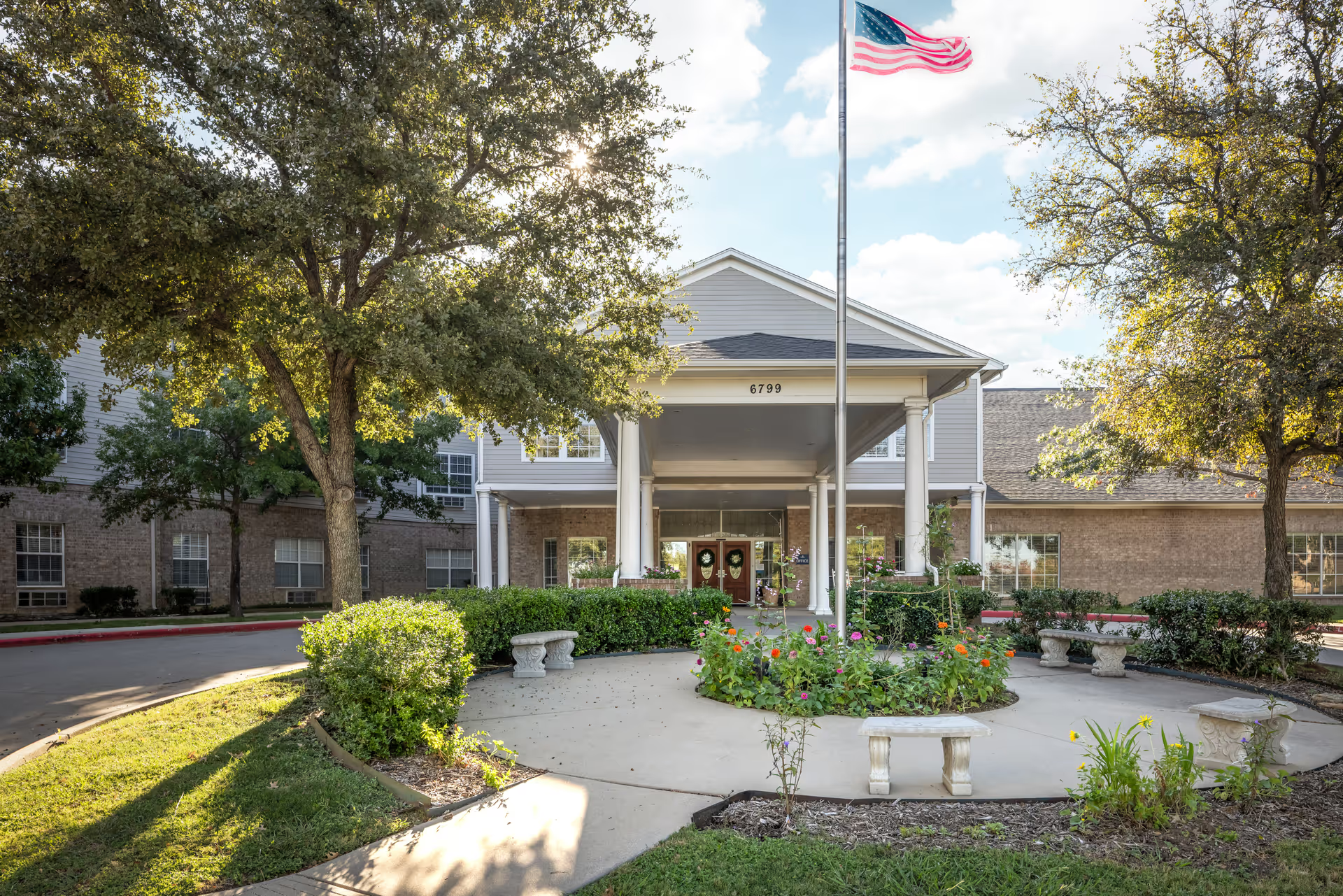
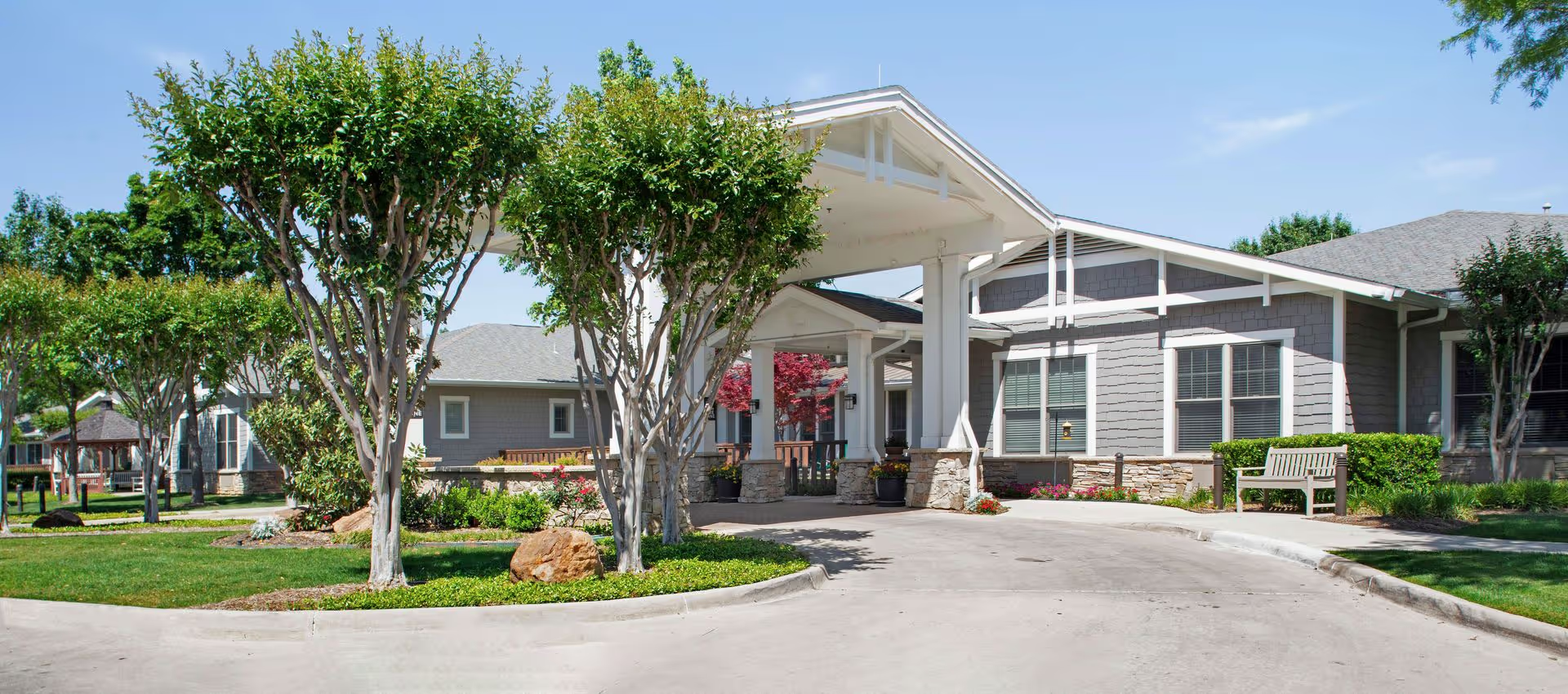
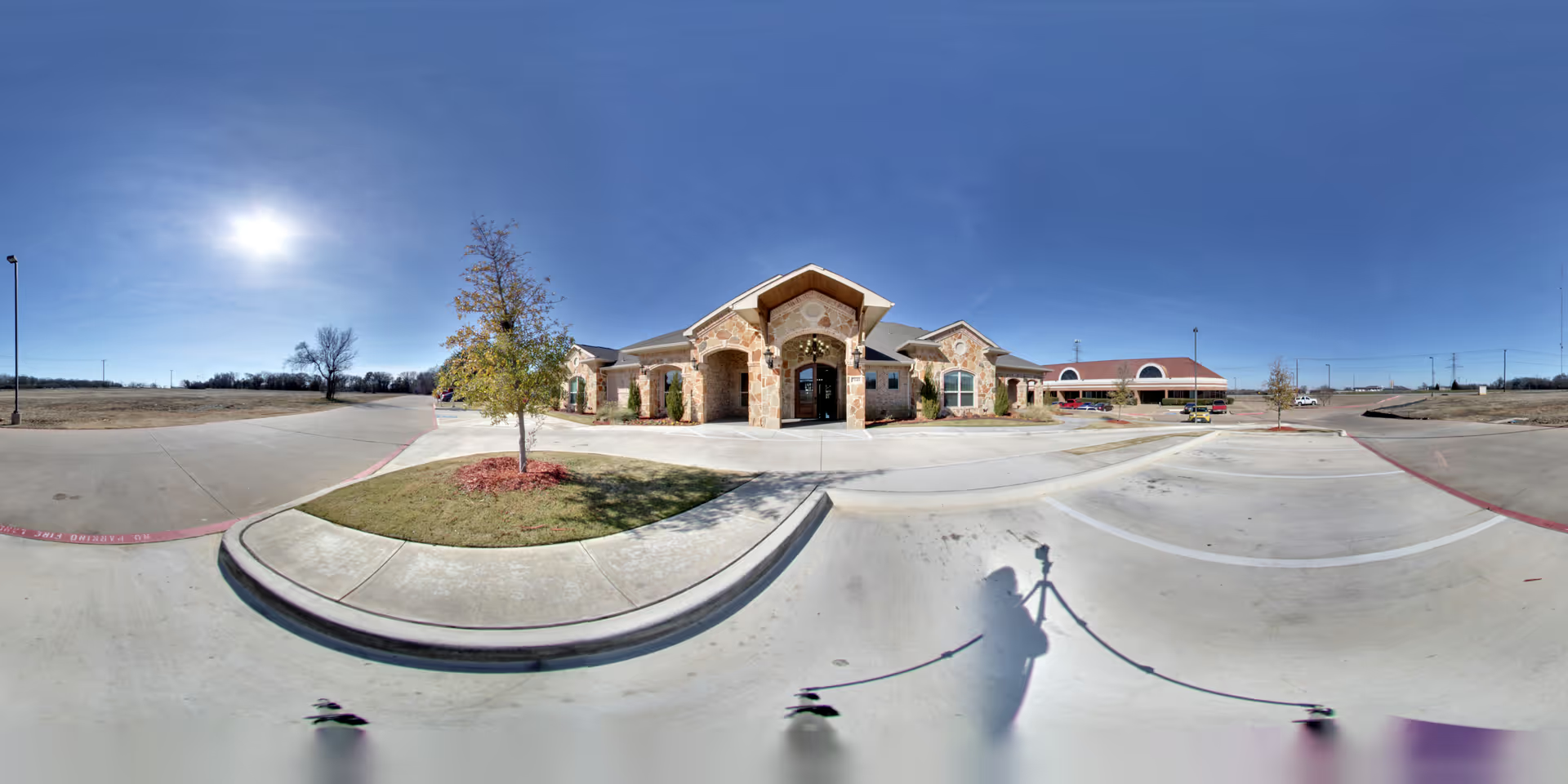
Facilities and environment: The facility is described as an older building with some attractive outdoor courtyards and gardened spaces that families appreciate. Indoor spaces can be tight, with small rooms and a crowded dining hall in places. Sanitation and odor concerns, pest-control issues, stained carpeting, and periodic cleanliness problems are raised across multiple reports, though some reviewers note improvements and clean units. Accessibility and equipment availability at arrival (e.g., assistive devices) are sometimes reported as insufficient.
Management and governance: Management impressions are mixed. Admissions and reception are often described as welcoming and efficient, and some administrators are praised for responsiveness. However, other accounts describe poor communication, incomplete discharge documents, inconsistent policy enforcement, and troubling allegations regarding missing property and medication security. Mentions of regulatory inquiries and formal claims in isolated instances suggest that oversight and auditing of operational practices would be prudent.
Notable patterns and guidance for families: Experiences appear to be highly variable by unit, time, and staff on duty. Strengths include empathetic bedside staff, strong therapy services, and a robust activities program. Recurring weaknesses include staffing inconsistencies, delayed responses to resident needs, sanitation and pest-control concerns in certain areas, and gaps in medication and care coordination. Prospective residents and families should tour multiple units, ask about staffing ratios and recent survey results, inquire about medication-safety protocols and transfer procedures, and review how the facility handles incontinence care, pest control, and missing-personal-item policies. When possible, seek references from recent families who experienced care during the same time frame and unit to better understand current conditions.