Overall impression: Reviews describe a facility with many strengths alongside a set of operational concerns. A large portion of feedback emphasizes compassionate hands-on care, strong therapy results, a range of social and recreational offerings, and a clean, home-like environment. At the same time, a smaller set of reviews raises notable operational issues — particularly around staffing consistency, sanitation-related care, personal-property controls, and clinical incident management — that prospective families should evaluate directly.
Care and staff: Many families praise nursing staff and CNAs for compassionate, attentive support and describe long-tenured employees who know residents by name. Therapy and rehabilitation receive consistent, strong endorsement; reviewers cite successful mobility gains, effective discharge planning, and supportive outpatient transition. Conversely, reviewers also cite uneven staffing coverage (notably overnight and on certain shifts) and variable performance among clinical staff. There are isolated but serious accounts of inconsistent wound and clinical-care practices; one allegation of a significant clinical outcome was described and appears to be an outlier but should be investigated by prospective families.
Dining and activities: Dining is often described as restaurant-style with individualized table service and generally balanced meals; social dining and food presentation receive positive comments. A number of reviewers, however, expressed dissatisfaction with food quantity and occasional quality issues. Activities are widely praised: the program includes games, crafts, singing, religious services, community events, and family-oriented gatherings (BBQs, big-screen events), contributing to a lively social environment and perceived resident happiness.
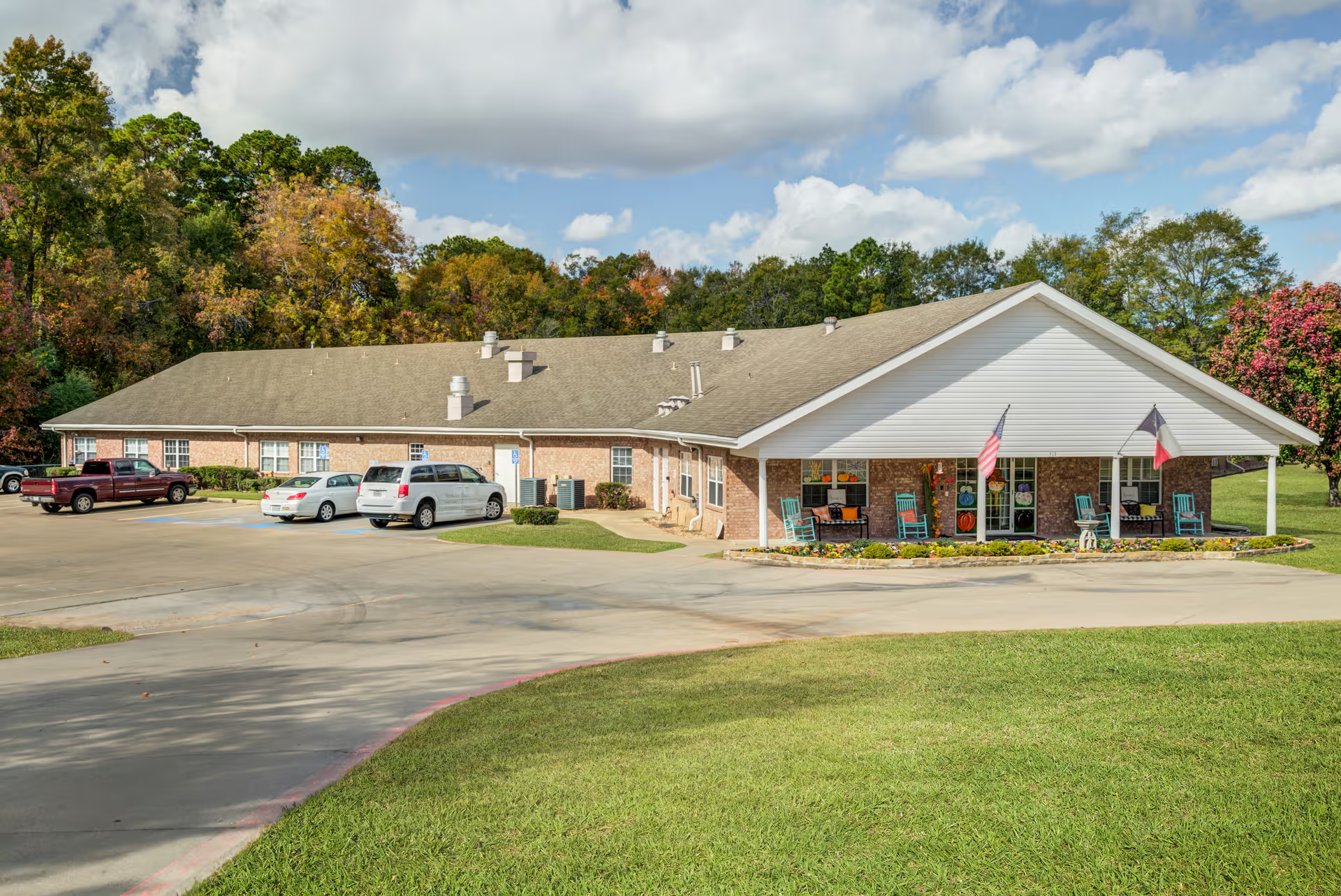
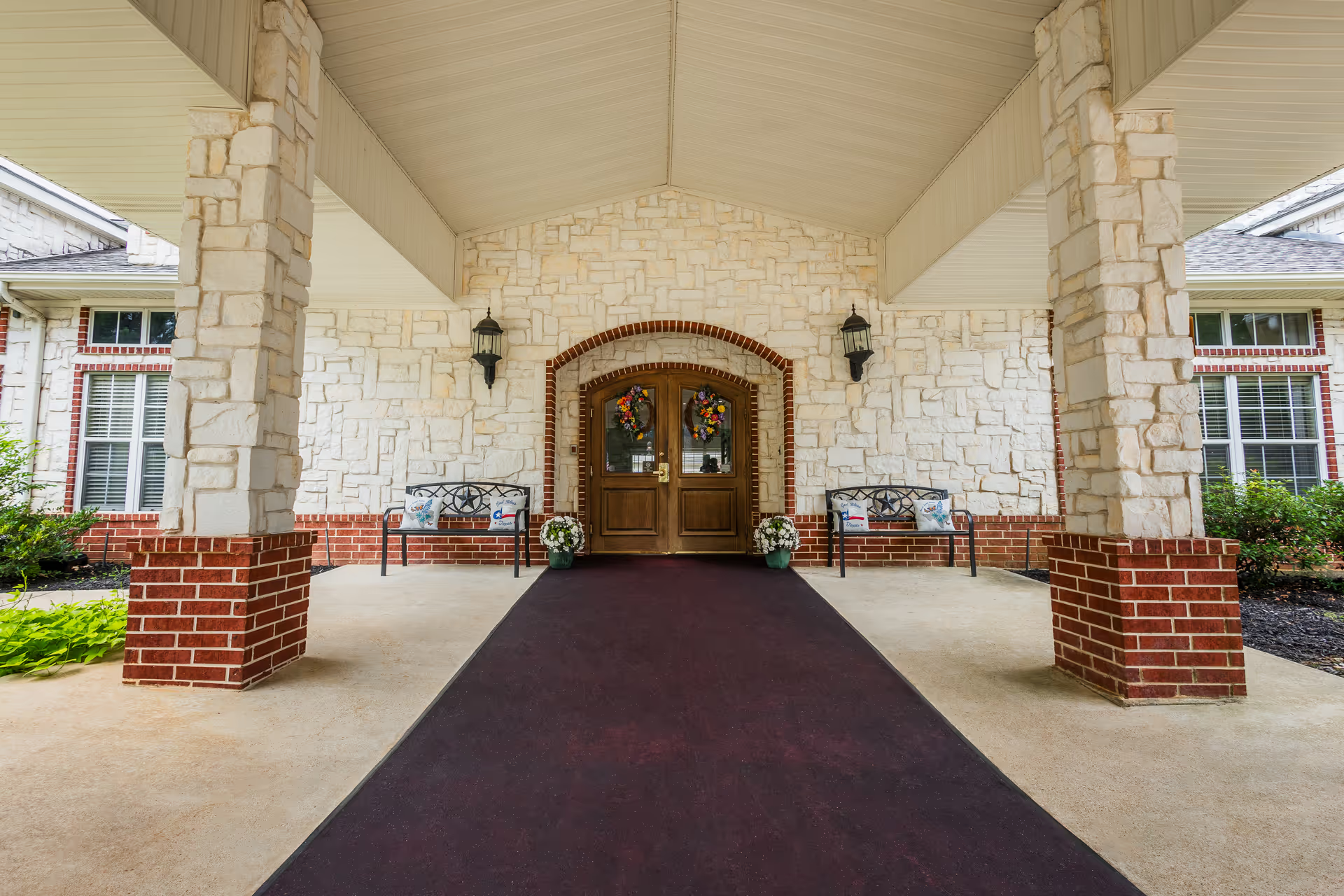
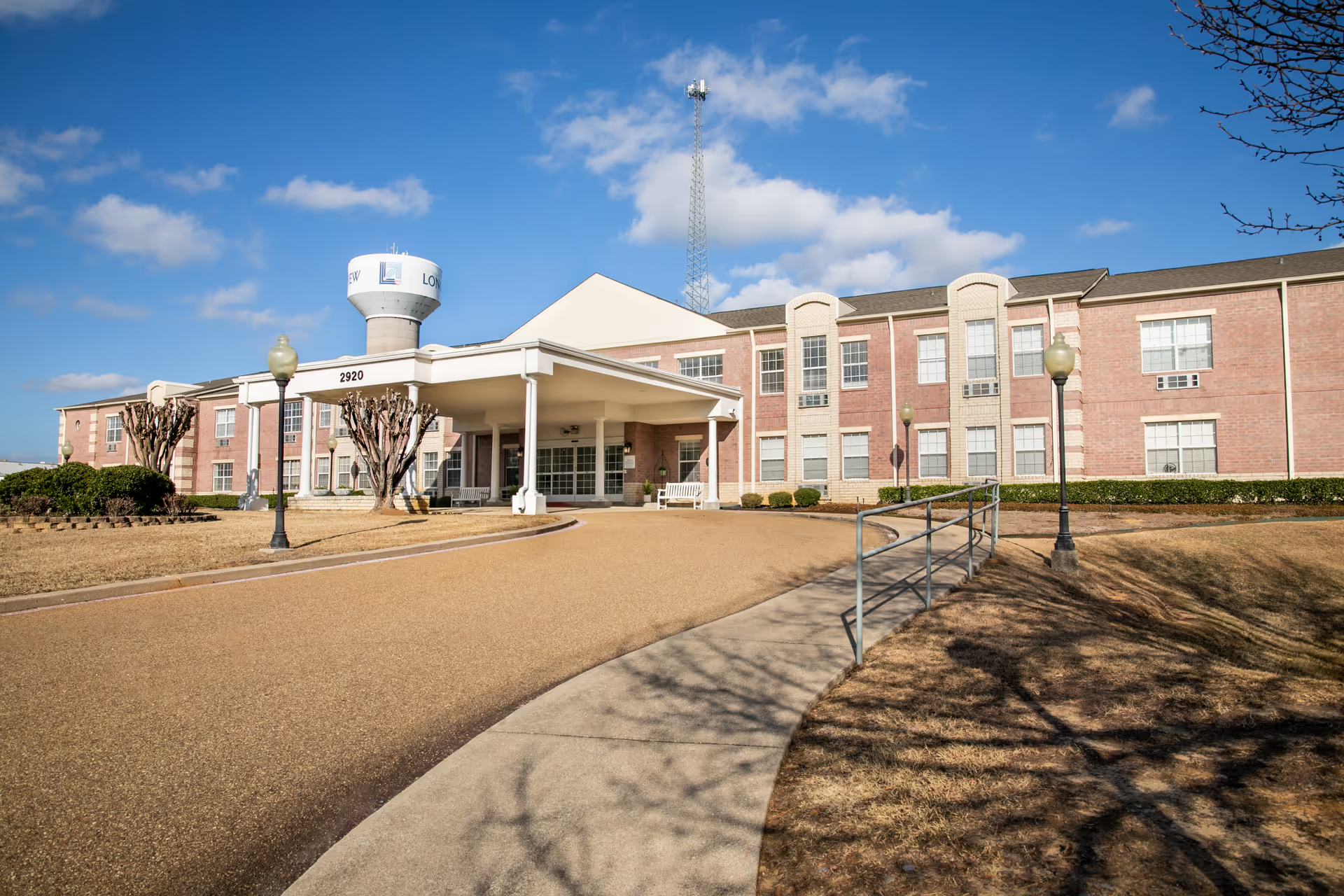
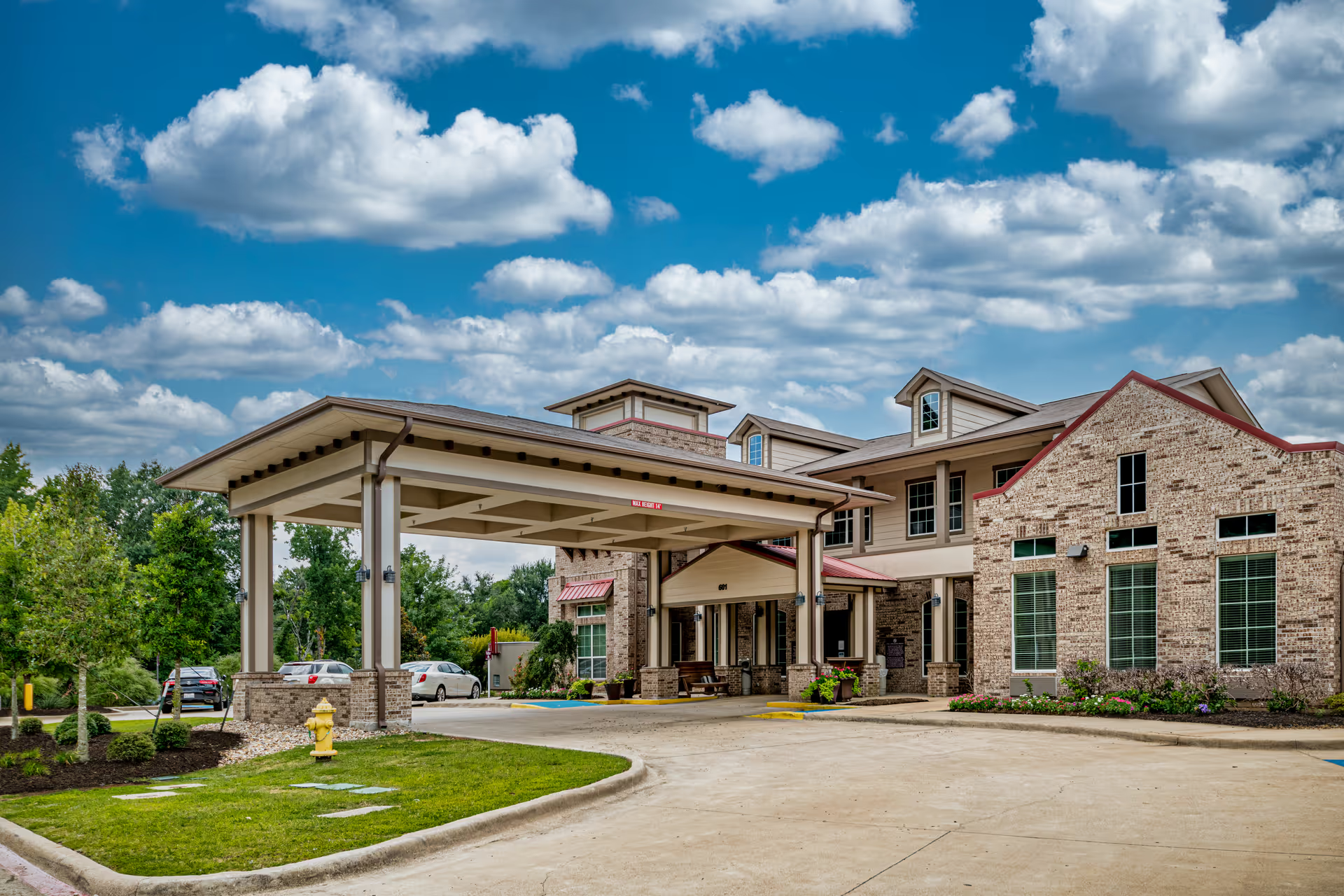
Facilities and sanitation: Many reviews highlight clean rooms, well-kept halls, and comfortable common areas, including a warm memory-care unit. At the same time, a subset of feedback raises sanitation and incontinence-care concerns in some resident areas and occasional odor issues; these suggest variability in day-to-day housekeeping or care routines rather than a uniform condition across the facility. Security and personal-property controls are another recurring concern, with comments about missing belongings and restricted access to items; reviewers recommend asking the facility about property-management practices and surveillance coverage.
Management and communication: Several families commend proactive family communication, regular family meetings, and visible administrative improvements following leadership changes. Others report inconsistent communication after incidents, changes to accounts of events, and a perception of more administrative staff than frontline coverage at times. There are mentions of legal action connected to a serious clinical outcome; while this appears limited in scope, it underscores the importance of asking about incident history, complaint resolution processes, staffing ratios, and current quality-control measures during a tour.
Notable patterns and guidance for prospective families: The dominant positive themes are compassionate direct care, an effective therapy program, robust activities, and a generally clean, welcoming facility. The dominant concerns cluster around operational consistency: shift-to-shift staffing levels, variable sanitation/incontinence-care practices, security of personal items, and episodic clinical-care inconsistencies. Prospective residents and families should verify current staffing ratios (including night coverage), review wound-care and incident-response protocols, inspect surveillance and property-safeguarding policies, ask for menus and meal-service details, and request recent quality reports or inspection histories to corroborate improvements cited by management.