The reviews for Medina Valley Health and Rehabilitation Center present a polarized picture: many families and residents praise individual caregivers, certain clinical teams, and facility amenities, while others describe significant operational shortcomings. Positive comments consistently highlight compassionate front-line staff, a robust activities program, well-rated dining, and a generally clean facility. Conversely, a set of recurring operational themes — especially around staffing, medication handling, and communication — underpin the more critical feedback.
Care quality appears uneven. Several families described nurses and CNAs who provide attentive, individualized care and named specific staff members for going above and beyond. At the same time, other accounts describe delayed responses to calls, missed or mishandled medications, insufficient support for higher-acuity residents, and gaps in pressure-injury prevention and timely incontinence care. Rehabilitation and therapy services are noted as effective in many cases, assisting residents toward functional gains, but availability and consistency of therapy scheduling were also raised as concerns.
Staff and management impressions are similarly mixed. Reviewers frequently commend hardworking, compassionate caregivers and an approachable front desk; multiple comments single out individual nurses and aides for exceptional attention. However, staffing shortages and uneven coverage were cited as contributors to delays and inconsistent care. Management responsiveness is described as improving by some families—with mentions of recent leadership changes and quality-improvement efforts—while others report slow or inadequate communication from administration and unresolved follow-up on serious issues.
Dining and activities are relative strengths. The dining experience is characterized as positive by numerous reviewers, with an attentive dietary team. The activity program is active and varied, including games, performances, exercise, and social events that families find meaningful for resident engagement. The facility also benefits from secure-entry procedures and private-room options, contributing to a sense of safety and dignity for many residents.
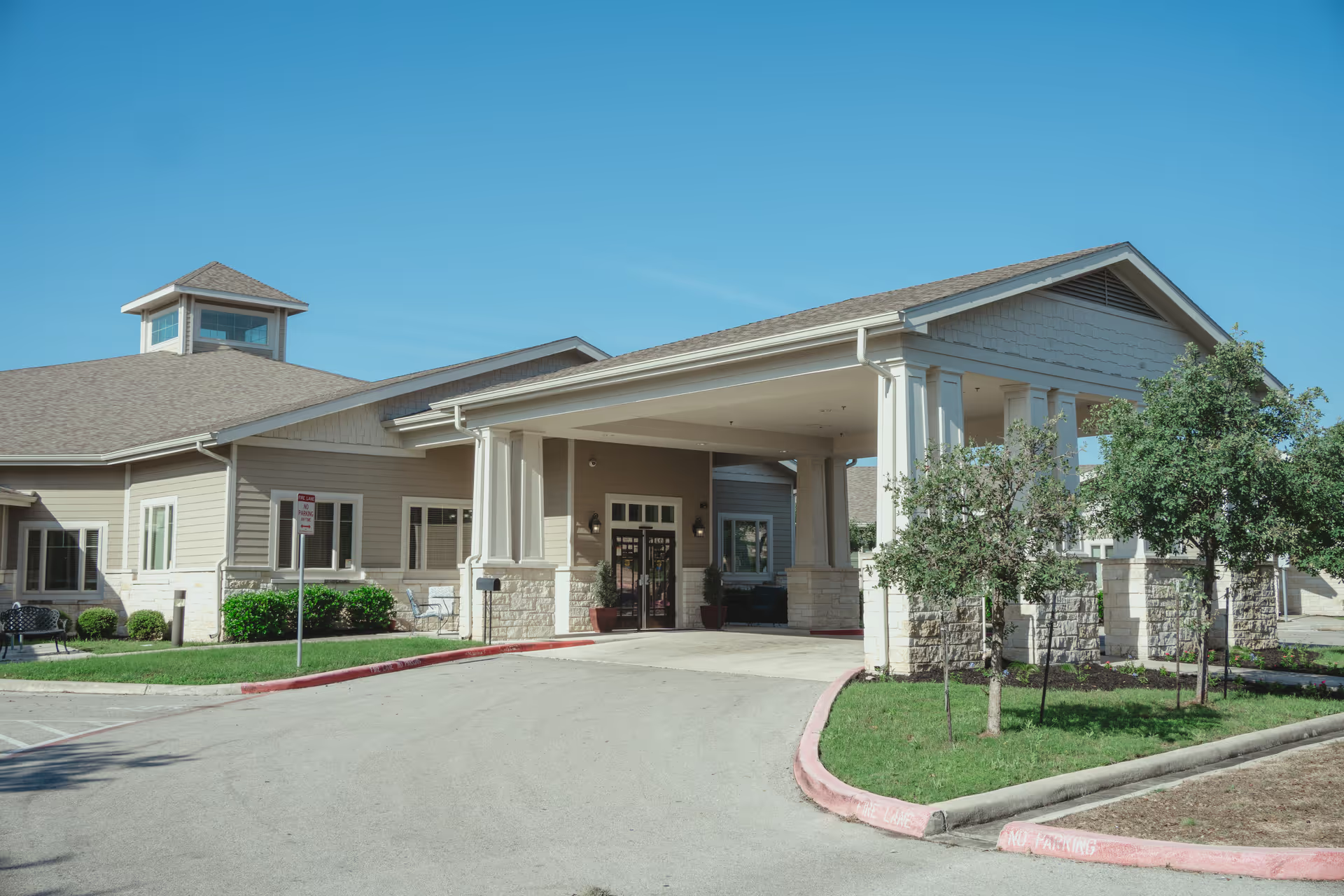
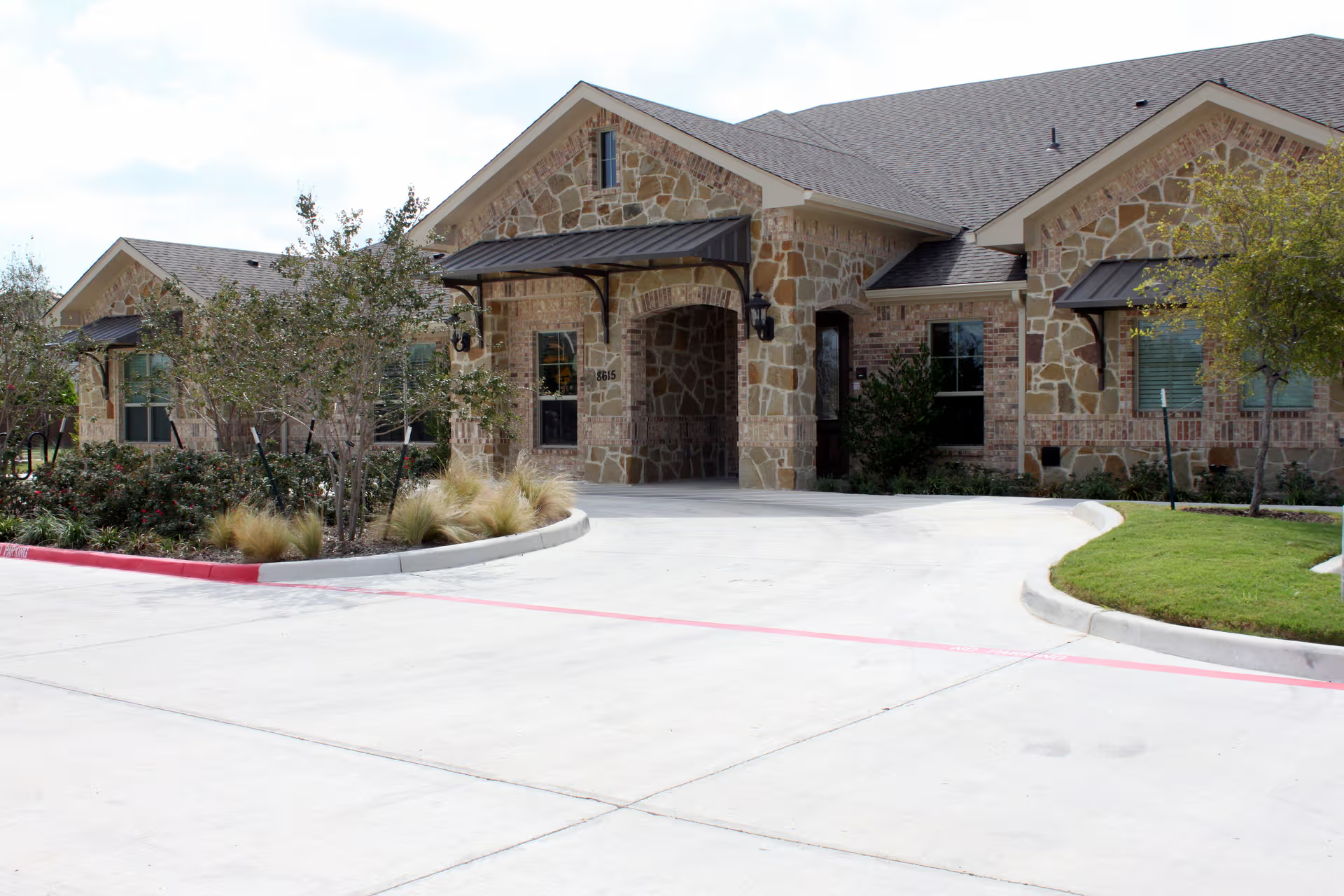
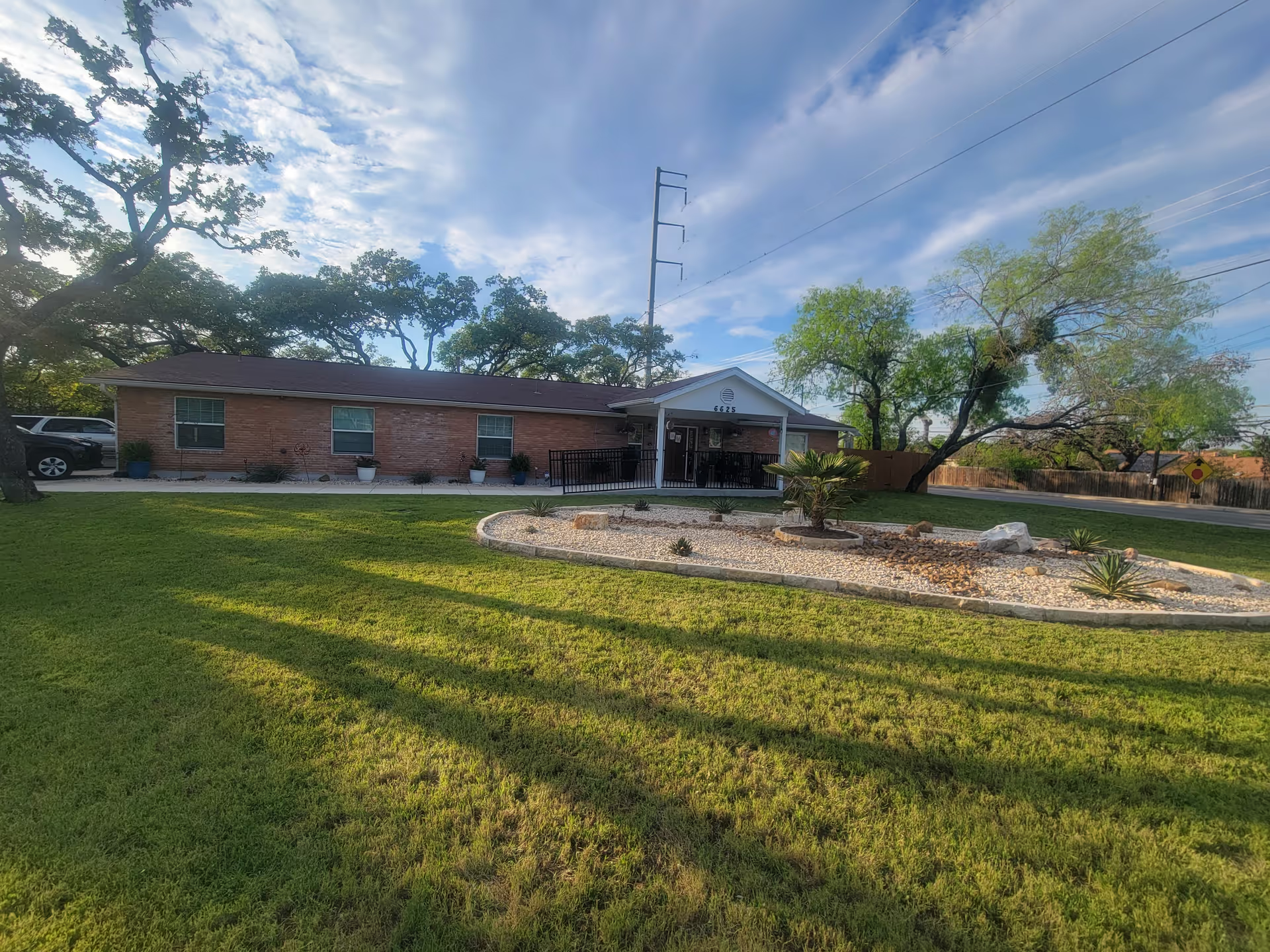
Facility environment and safety show contrast across reports. Many reviewers describe a clean, well-kept building with fresh-looking common areas; others describe environmental comfort issues such as room temperature, noisy roommates, and occasional lapses in basic safety equipment (for example, bed rails or spill-proof drinking containers). There are also serious operational concerns: medication-management controls, communication and discharge-planning processes, and timely response to clinical needs were repeatedly cited. Additionally, a small number of reviews include allegations of theft and concerns about financial handling during sensitive transitions, which prospective families should treat as a significant point for verification.
For prospective residents and family decision-makers: the facility demonstrates clear strengths in staff commitment, activities, dining, and rehab capability, but it also exhibits variability in staffing levels, clinical consistency, medication controls, and administrative communication. When evaluating the center, consider in-person observation across different shifts, ask for staffing ratios and medication-safety protocols, review discharge and financial policies in writing, verify therapy schedules, and request documentation about recent management changes and corrective actions. These steps can help determine whether the facility’s strengths align with the prospective resident’s clinical needs and expectations.